
Why Unlocking Potential: Land Banking in Southern River Matters
Land banking is a strategic investment approach that involves acquiring undeveloped or underdeveloped land with the intention of holding it for future appreciation. Investors purchase parcels of land, often in areas anticipated to experience growth or development, with the expectation that the value of the land will increase over time. This practice is not merely speculative; it is grounded in the understanding of market trends, urban planning, and economic indicators.
By holding onto these properties, investors can benefit from the eventual sale or development of the land, capitalizing on the appreciation that occurs as demand for real estate rises. The concept of land banking has gained traction in recent years, particularly in regions experiencing rapid urbanization and population growth. Investors are increasingly recognizing the potential of land as a finite resource, especially in metropolitan areas where space is at a premium.
As cities expand and infrastructure develops, the value of previously overlooked parcels can skyrocket, making land banking an attractive option for those looking to diversify their investment portfolios. This strategy requires patience and foresight, as the returns on investment may not be immediate but can be substantial over time.
Key Takeaways
- Land banking involves the strategic acquisition of undeveloped land for future development or investment purposes.
- The benefits of land banking include potential for capital appreciation, diversification of investment portfolio, and long-term development opportunities.
- Southern River has significant potential for land banking due to its strategic location, growing population, and development opportunities.
- Land banking works by acquiring land in areas with potential for future development, holding it for a period of time, and then selling or developing it for profit.
- Developers play a key role in land banking by identifying and acquiring suitable land, obtaining necessary approvals, and managing the development process.
The Benefits of Land Banking
One of the primary benefits of land banking is the potential for significant financial returns. As urban areas grow and develop, the demand for land increases, leading to appreciation in property values. Investors who strategically acquire land in promising locations can see their investments multiply as the surrounding area becomes more desirable.
This long-term investment strategy allows individuals to build wealth over time without the volatility often associated with other forms of real estate investment. Additionally, land banking offers a level of flexibility that other investments may not provide. Investors can choose to hold onto their properties for as long as they see fit, allowing them to wait for optimal market conditions before selling.
This flexibility can be particularly advantageous in fluctuating markets where timing is crucial. Furthermore, land banking typically involves lower maintenance costs compared to developed properties, as there are no tenants to manage or buildings to maintain. This makes it an appealing option for those looking to invest without the day-to-day responsibilities associated with traditional real estate ownership.
The Potential of Southern River
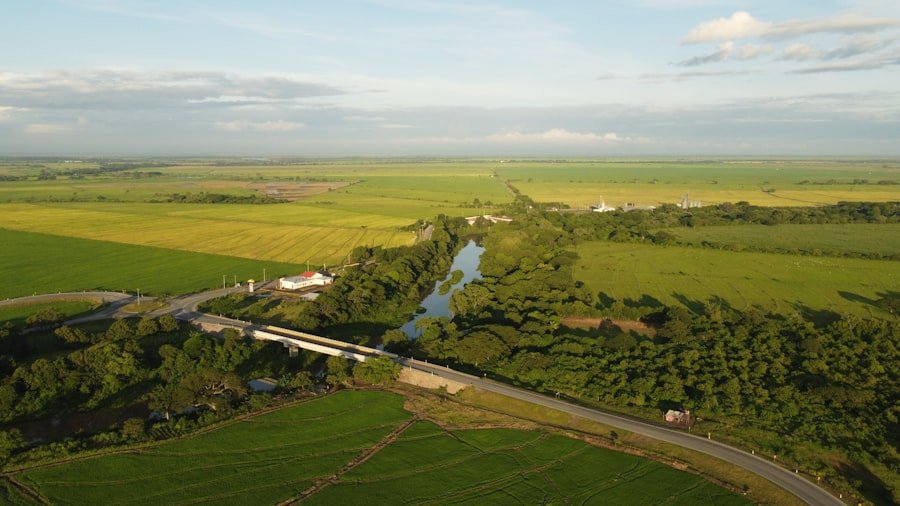
Southern River, a suburb located in Perth, Australia, presents a unique opportunity for land banking due to its ongoing development and growth potential. The area has seen significant investment in infrastructure, including schools, parks, and shopping centers, making it an attractive destination for families and businesses alike. As more people move to Southern River seeking affordable housing options and a community-oriented lifestyle, the demand for land is expected to rise, leading to increased property values.
Moreover, Southern River’s strategic location near major transport routes and its proximity to Perth’s central business district further enhance its appeal. The suburb is well-connected, making it easy for residents to commute to work or access amenities. As urban sprawl continues to push outward from Perth’s city center, Southern River stands poised to benefit from this trend.
Investors who recognize the potential of this area can position themselves advantageously by acquiring land now before prices escalate further.
How Land Banking Works
| Aspect | Description |
|---|---|
| Land Banking | Investors purchase undeveloped land and hold it for future development or sale. |
| Benefits | Potential for long-term capital appreciation, hedge against inflation, and diversification of investment portfolio. |
| Risks | Market fluctuations, lack of immediate returns, and potential zoning or development restrictions. |
| Process | Research potential land, purchase parcels, and wait for the right time to sell or develop. |
| Considerations | Location, market trends, zoning regulations, and potential for future development in the area. |
The process of land banking typically begins with thorough research and analysis of potential investment areas. Investors must assess various factors such as zoning regulations, future development plans, and market trends to identify parcels of land that are likely to appreciate in value. Once suitable properties are identified, investors can purchase them outright or through financing options that allow them to leverage their capital effectively.
After acquiring the land, investors enter a holding phase where they monitor market conditions and local developments closely. This phase can last several years or even decades, depending on the investor’s strategy and market dynamics. During this time, it is crucial for investors to stay informed about changes in zoning laws or infrastructure projects that could impact their property’s value.
When the time is right—whether due to increased demand or favorable market conditions—investors can sell their land at a profit or develop it into residential or commercial properties, further maximizing their returns.
The Role of Developers in Land Banking
Developers play a critical role in the land banking process by transforming raw land into usable properties that meet market demands. Once investors acquire land through banking strategies, developers often step in to create residential communities, commercial spaces, or mixed-use developments that enhance the value of the property. Their expertise in navigating zoning laws, obtaining permits, and managing construction projects is invaluable in realizing the full potential of land investments.
Collaboration between investors and developers can lead to mutually beneficial outcomes. Investors provide the capital needed for land acquisition while developers bring their knowledge and experience to the table. This partnership can streamline the development process and ensure that projects align with market needs and community standards.
As Southern River continues to grow, the synergy between land bankers and developers will be essential in shaping the suburb’s future landscape.
The Impact of Land Banking on the Community

Land banking can have a profound impact on local communities by fostering economic growth and enhancing quality of life. As investors acquire land and developers create new housing options or commercial spaces, job opportunities arise, stimulating local economies. New developments can attract businesses and services that cater to residents’ needs, creating vibrant neighborhoods where people want to live and work.
However, it is essential for land banking activities to be conducted responsibly and with consideration for existing communities. Engaging with local stakeholders and ensuring that developments align with community values can help mitigate potential negative impacts such as gentrification or displacement. When done thoughtfully, land banking can contribute positively to community development by providing much-needed housing options and amenities while preserving the character of neighborhoods.
The Future of Southern River
The future of Southern River looks promising as ongoing investments in infrastructure and community amenities continue to attract new residents and businesses. With its strategic location and growing appeal, Southern River is poised for significant growth in property values over the coming years. Investors who recognize this potential can capitalize on the suburb’s upward trajectory by engaging in land banking strategies that position them favorably within this evolving market.
As Southern River develops further, it will be essential for stakeholders—including investors, developers, and local government—to work collaboratively to ensure sustainable growth that benefits all residents. By prioritizing responsible development practices and engaging with community members, Southern River can become a model for successful urban expansion that balances economic growth with quality of life.
Challenges and Opportunities in Land Banking
While land banking presents numerous opportunities for investors, it is not without its challenges. One significant hurdle is navigating regulatory frameworks and zoning laws that can impact development potential. Investors must stay informed about local policies and engage with government officials to ensure their projects align with community goals and regulations.
Additionally, market fluctuations can pose risks for land bankers who may find themselves holding onto properties longer than anticipated if demand decreases or economic conditions shift. However, these challenges also present opportunities for savvy investors who can adapt their strategies based on changing market dynamics. By conducting thorough research and maintaining flexibility in their approach, investors can mitigate risks while maximizing their potential returns.
Government Policies and Land Banking
Government policies play a crucial role in shaping the landscape of land banking by influencing zoning regulations, development incentives, and infrastructure investments. Local governments often implement policies aimed at promoting sustainable growth while balancing community needs with economic development goals. Understanding these policies is essential for investors looking to navigate the complexities of land banking successfully.
In many cases, government initiatives aimed at encouraging development can create favorable conditions for land bankers.
For example, infrastructure projects such as new roads or public transportation systems can enhance accessibility and increase property values in surrounding areas.
By staying informed about government policies and actively engaging with local officials, investors can position themselves advantageously within the evolving landscape of land banking.
Environmental Considerations in Land Banking
As urban areas expand through land banking practices, environmental considerations must be at the forefront of decision-making processes. Sustainable development practices are essential to minimize negative impacts on ecosystems while promoting responsible growth. Investors should prioritize environmentally friendly practices when developing properties or engaging with local communities.
Incorporating green spaces, preserving natural habitats, and utilizing sustainable building materials are just a few ways that developers can contribute positively to environmental stewardship within their projects. By prioritizing sustainability in land banking efforts, investors not only enhance property values but also contribute to healthier communities that prioritize environmental well-being.
Tips for Successful Land Banking
For those interested in pursuing land banking as an investment strategy, several key tips can help ensure success. First and foremost, thorough research is essential; understanding market trends, zoning regulations, and future development plans will provide valuable insights into potential investment opportunities. Networking with local real estate professionals—including agents, developers, and government officials—can also yield valuable information about emerging trends and opportunities within specific areas like Southern River.
Building relationships within the community fosters collaboration and enhances an investor’s ability to navigate challenges effectively. Finally, patience is paramount in land banking; successful investments often require time before realizing significant returns. By maintaining a long-term perspective and remaining adaptable to changing market conditions, investors can position themselves favorably within this dynamic landscape while maximizing their potential for success in land banking endeavors.
If you are considering land banking in Southern River, you may also be interested in reading about the benefits of property management in Thornlie. Smart Realty offers expert property management services to help you maximize the potential of your investment property. To learn more about how property management can benefit you, check out this article.
More on this topic: Top 5 Property Management Tips in West Perth and Top 5 Property Management Tips for Maylands.