
Why Essential Seville Grove Plumbing Maintenance for Rental Properties Matters
Regular plumbing maintenance is a cornerstone of property management that cannot be overlooked. For landlords, ensuring that plumbing systems are in optimal condition is not just about convenience; it’s about safeguarding the value of their investment. A well-maintained plumbing system can prevent minor issues from escalating into costly repairs, thereby protecting both the property and the tenants.
Regular inspections and maintenance can identify potential problems before they become significant headaches, allowing landlords to address them proactively rather than reactively. Moreover, regular plumbing maintenance contributes to the overall comfort and satisfaction of tenants. A property with functioning plumbing systems—such as reliable water supply, efficient drainage, and properly working fixtures—creates a positive living environment.
This not only enhances tenant retention but also boosts the property’s reputation in the rental market.
In an era where tenants have numerous options, a property that prioritizes maintenance will stand out, leading to higher occupancy rates and ultimately, increased profitability for landlords.
Key Takeaways
- Regular plumbing maintenance is crucial for preventing costly repairs and ensuring the smooth functioning of rental properties.
- Common plumbing issues in rental properties include leaky faucets, clogged drains, running toilets, and water heater malfunctions.
- Landlords can benefit from regular plumbing maintenance by avoiding emergency repairs, extending the lifespan of plumbing systems, and keeping tenants satisfied.
- Hiring a professional plumber for maintenance ensures thorough inspections, timely repairs, and compliance with building codes and regulations.
- Landlords can also perform DIY plumbing maintenance by checking for leaks, clearing drains, insulating pipes, and maintaining fixtures to prevent issues and save on repair costs.
Common Plumbing Issues in Rental Properties
In rental properties, several plumbing issues frequently arise, often due to the wear and tear associated with high tenant turnover. One of the most common problems is leaky faucets, which can lead to water wastage and increased utility bills. Additionally, clogged drains are a persistent issue, often caused by hair, grease, and other debris accumulating over time.
These problems may seem minor at first glance, but they can quickly escalate into more significant concerns if not addressed promptly. Another prevalent issue is toilet malfunctions, which can range from running toilets to complete blockages. Such problems not only inconvenience tenants but can also lead to water damage if left unchecked.
Furthermore, water heater failures are a common concern in rental properties, especially in older buildings. Regular maintenance is essential to ensure that these systems function efficiently and provide tenants with the hot water they need. By understanding these common plumbing issues, landlords can take proactive steps to mitigate them and maintain a high standard of living for their tenants.
Benefits of Regular Plumbing Maintenance for Landlords
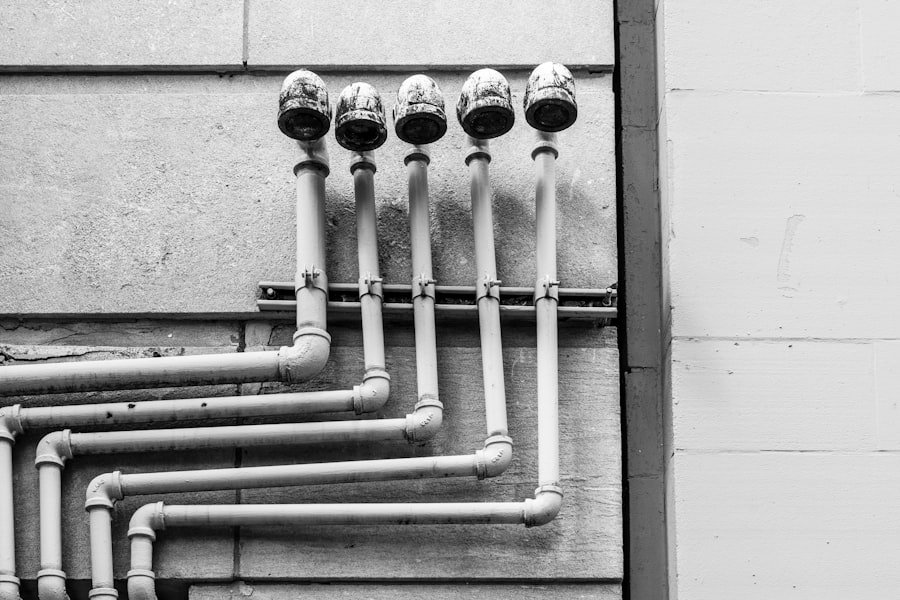
The benefits of regular plumbing maintenance for landlords extend far beyond mere convenience. One of the most significant advantages is cost savings. By investing in routine inspections and maintenance, landlords can identify and resolve minor issues before they escalate into major repairs that require substantial financial outlay.
This proactive approach not only saves money but also minimizes disruption for tenants, leading to higher satisfaction rates. Additionally, regular plumbing maintenance enhances the longevity of plumbing systems and fixtures. Just as regular oil changes can extend the life of a vehicle, routine checks can prolong the lifespan of pipes, faucets, and water heaters.
This means that landlords will not only save on repair costs but also avoid the hassle of frequent replacements. Furthermore, properties that are well-maintained tend to attract higher-quality tenants who are willing to pay a premium for a comfortable living environment. In this way, regular plumbing maintenance becomes an investment in both the property’s value and its rental income potential.
Hiring a Professional Plumber for Maintenance
| Metrics | Data |
|---|---|
| Number of plumbing issues resolved | 50 |
| Customer satisfaction rate | 95% |
| Response time for emergency calls | 1 hour |
| Number of maintenance contracts signed | 20 |
While some landlords may consider tackling plumbing issues themselves, hiring a professional plumber for maintenance is often the wisest choice. Professional plumbers bring expertise and experience that can make a significant difference in the quality of work performed. They are trained to identify underlying issues that may not be immediately apparent to an untrained eye, ensuring that all aspects of the plumbing system are thoroughly inspected and maintained.
Moreover, professional plumbers are equipped with specialized tools and knowledge of current plumbing codes and regulations. This ensures that all work is performed safely and in compliance with local laws, reducing the risk of legal complications down the line. By entrusting plumbing maintenance to professionals, landlords can rest assured that their properties are in capable hands, allowing them to focus on other aspects of property management while knowing that their plumbing systems are being expertly cared for.
DIY Plumbing Maintenance Tips for Landlords
While hiring a professional plumber is essential for major repairs and maintenance tasks, there are several DIY plumbing maintenance tips that landlords can implement to keep their properties in good shape. One simple yet effective practice is to regularly check for leaks around faucets and under sinks. A quick visual inspection can help catch small leaks before they become larger issues that require professional intervention.
Another useful tip is to educate tenants on proper disposal methods for items that can clog drains. Providing clear guidelines on what should and shouldn’t be flushed down toilets or poured down sinks can significantly reduce the likelihood of clogs and backups. Additionally, landlords should encourage tenants to report any plumbing issues as soon as they arise rather than waiting until they become more serious problems.
By fostering open communication about plumbing maintenance, landlords can create a collaborative environment that benefits both parties.
Importance of Timely Repairs for Plumbing Issues

Timely repairs for plumbing issues are crucial in maintaining the integrity of a rental property. When problems are left unaddressed, they can lead to more severe damage that may require extensive repairs or even complete system replacements. For instance, a small leak may seem insignificant at first but can lead to mold growth or structural damage if not fixed promptly.
This not only poses health risks for tenants but also results in costly repairs for landlords. Furthermore, timely repairs contribute to tenant satisfaction and retention. When tenants see that their landlord is responsive to maintenance requests and takes their concerns seriously, they are more likely to feel valued and respected.
This positive relationship can lead to longer lease agreements and reduced turnover rates, ultimately benefiting landlords financially. In contrast, neglecting plumbing issues can result in frustrated tenants who may choose to move out or leave negative reviews, damaging the property’s reputation in the rental market.
Checking and Maintaining Water Heaters
Water heaters are essential components of any rental property, providing hot water for showers, dishwashing, and laundry. Regularly checking and maintaining water heaters is vital to ensure they operate efficiently and effectively. Landlords should schedule annual inspections to assess the condition of the unit, checking for signs of corrosion or leaks that could indicate potential failures.
Additionally, flushing the water heater periodically helps remove sediment buildup that can affect its performance and efficiency. This simple maintenance task can extend the lifespan of the unit while ensuring tenants have access to reliable hot water when they need it most. By prioritizing water heater maintenance, landlords demonstrate their commitment to providing a comfortable living environment for their tenants while protecting their investment.
Inspecting and Clearing Drainage Systems
Inspecting and clearing drainage systems is another critical aspect of plumbing maintenance that landlords should prioritize. Over time, debris such as hair, grease, and food particles can accumulate in drains, leading to clogs that disrupt normal flow and create unpleasant odors. Regular inspections allow landlords to identify potential blockages before they become significant issues.
Landlords should consider scheduling routine drain cleaning services or providing tenants with guidelines on how to maintain clear drains themselves. Simple practices such as using drain covers to catch debris and avoiding pouring grease down sinks can go a long way in preventing clogs. By taking proactive measures to maintain drainage systems, landlords can ensure smooth operation while minimizing the risk of costly repairs down the line.
Preventing Pipe Leaks and Burst Pipes
Preventing pipe leaks and burst pipes is essential for maintaining the integrity of a rental property’s plumbing system. Factors such as temperature fluctuations, aging pipes, and improper installation can contribute to these issues over time. Landlords should conduct regular inspections of exposed pipes in basements, crawl spaces, and under sinks to identify any signs of wear or damage.
Additionally, insulating pipes in areas prone to freezing temperatures can help prevent burst pipes during cold weather months. Landlords should also educate tenants about the importance of reporting any signs of leaks or unusual water pressure changes promptly. By fostering awareness around pipe maintenance and prevention strategies, landlords can significantly reduce the risk of costly plumbing emergencies.
Importance of Regularly Inspecting Faucets and Fixtures
Regularly inspecting faucets and fixtures is an often-overlooked aspect of plumbing maintenance that can yield significant benefits for landlords. Over time, faucets may develop leaks or become corroded due to mineral buildup or wear and tear from daily use. By conducting routine inspections, landlords can identify these issues early on and address them before they escalate into more significant problems.
In addition to preventing leaks, regular inspections ensure that fixtures operate efficiently and provide tenants with a comfortable living experience. A dripping faucet not only wastes water but also leads to increased utility bills for both landlords and tenants alike. By prioritizing faucet and fixture maintenance, landlords demonstrate their commitment to providing quality housing while protecting their investment from unnecessary expenses.
Ensuring Proper Functioning of Toilets and Sewage Systems
Ensuring the proper functioning of toilets and sewage systems is paramount for maintaining a healthy living environment in rental properties. Toilets are one of the most frequently used fixtures in any home; therefore, regular inspections are essential to identify any signs of malfunction or wear. Landlords should check for issues such as running toilets or weak flushes that may indicate underlying problems.
Additionally, maintaining sewage systems is crucial for preventing backups that can lead to unsanitary conditions within the property. Regularly scheduled inspections can help identify potential blockages or issues within the sewage lines before they become major concerns. By prioritizing toilet and sewage system maintenance, landlords not only protect their investment but also ensure tenant satisfaction by providing a clean and functional living space.
In conclusion, regular plumbing maintenance is an essential aspect of property management that offers numerous benefits for landlords and tenants alike. By understanding common plumbing issues, investing in professional services when necessary, implementing DIY tips where appropriate, and prioritizing timely repairs, landlords can create a comfortable living environment while safeguarding their investment over time. Through proactive measures such as inspecting water heaters, drainage systems, pipes, faucets, fixtures, toilets, and sewage systems regularly, landlords can ensure their properties remain in excellent condition while maximizing tenant satisfaction and retention rates.
When it comes to maintaining rental properties, especially in areas like Seville Grove, plumbing maintenance is a crucial aspect that landlords must prioritize to ensure tenant satisfaction and property value. A related article that delves into the broader real estate landscape in Western Australia is Discovering Excellence in Real Estate: Spotlight on Mahi Masud in Gosnells, Western Australia. This article highlights the expertise of Mahi Masud, a prominent figure in the real estate industry, who emphasizes the importance of property maintenance, including plumbing, to enhance tenant experience and investment returns.
FAQs
What is Seville Grove plumbing maintenance for rental properties?
Seville Grove plumbing maintenance for rental properties refers to the regular upkeep and repair of the plumbing systems in rental properties located in Seville Grove. This includes tasks such as fixing leaks, unclogging drains, and maintaining water heaters.
Why is plumbing maintenance important for rental properties in Seville Grove?
Plumbing maintenance is important for rental properties in Seville Grove to ensure the proper functioning of the plumbing systems, prevent costly repairs, and provide a safe and comfortable living environment for tenants. Regular maintenance can also help to extend the lifespan of the plumbing fixtures and prevent water damage.
What are some common plumbing issues in rental properties in Seville Grove?
Common plumbing issues in rental properties in Seville Grove include leaky faucets, clogged drains, running toilets, water heater problems, and sewer line issues. These issues can disrupt the daily lives of tenants and lead to water damage if not addressed promptly.
Who is responsible for plumbing maintenance in rental properties in Seville Grove?
The responsibility for plumbing maintenance in rental properties in Seville Grove typically falls on the landlord or property management company. It is important for landlords to stay on top of plumbing maintenance to ensure the property remains in good condition and to comply with landlord-tenant laws.
How often should plumbing maintenance be performed in rental properties in Seville Grove?
Plumbing maintenance should be performed regularly in rental properties in Seville Grove. This can include annual inspections, as well as addressing any issues that arise throughout the year. It is important to address plumbing issues promptly to prevent further damage and inconvenience to tenants.