
What You Need to Know About Determining Your Belmont Home’s Value
When it comes to determining the value of your home, several factors come into play. Understanding these elements is crucial for homeowners looking to sell or simply assess their property’s worth. The value of a home is not just a reflection of its physical attributes; it is also influenced by external factors such as market conditions, economic trends, and buyer demand.
A comprehensive understanding of these factors can empower homeowners to make informed decisions, whether they are planning to sell or invest in renovations. One of the primary factors affecting a home’s value is its location.
Additionally, the overall economic climate can significantly impact property values. For instance, during periods of economic growth, demand for housing typically increases, leading to higher prices. Conversely, during economic downturns, property values may decline.
By grasping these dynamics, homeowners can better position themselves in the market.
Key Takeaways
- Factors such as location, size, layout, age, and condition can significantly affect your home’s value.
- Analyzing recent sales and market trends in Belmont can provide valuable insights into the current real estate market.
- Online valuation tools and resources can be useful for getting an initial estimate of your home’s value.
- Hiring a professional appraiser or real estate agent can provide a more accurate and detailed assessment of your home’s value.
- Making improvements and upgrades to your home can increase its value and appeal to potential buyers.
Assessing the Location and Neighborhood
The location of your home is arguably one of the most significant determinants of its value. A prime location can elevate a property’s worth, while a less desirable area can hinder its potential. Factors such as proximity to schools, parks, shopping centers, and public transportation play a vital role in attracting buyers.
Neighborhood safety and community reputation also contribute to perceived value. Homes in well-maintained neighborhoods with low crime rates are often more appealing to potential buyers. Moreover, the future development plans for an area can also influence property values.
If a neighborhood is slated for new infrastructure projects or commercial developments, it may see an increase in demand and subsequently, property values. Homeowners should stay informed about local government plans and community developments that could impact their property’s worth. By understanding the nuances of their neighborhood, homeowners can make strategic decisions that enhance their property’s value.
Evaluating the Size and Layout of Your Home
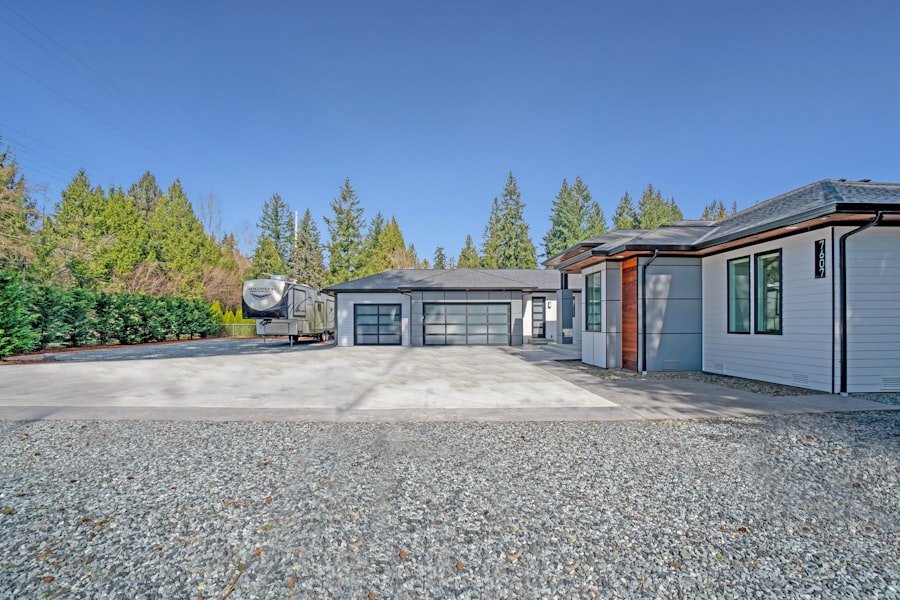
The size and layout of your home are critical components in determining its market value. Generally, larger homes with more square footage tend to be valued higher than smaller ones. However, size alone does not dictate value; the functionality of the layout is equally important.
Open floor plans that maximize space and create a sense of flow are often more desirable than segmented layouts that may feel cramped or disjointed. Additionally, the number of bedrooms and bathrooms can significantly impact a home’s value. Families typically seek homes with multiple bedrooms and bathrooms to accommodate their needs.
Therefore, homeowners should consider how their home’s size and layout align with current market demands. By evaluating these aspects critically, homeowners can identify potential areas for improvement that could enhance their property’s appeal and value.
Considering the Age and Condition of Your Home
| Age of Home | Condition | Maintenance Cost |
|---|---|---|
| Less than 10 years | Excellent | Low |
| 10-20 years | Good | Medium |
| 20-30 years | Fair | High |
| 30+ years | Poor | Very High |
The age and condition of your home are essential factors that influence its market value. Older homes may possess unique charm and character but may also require significant maintenance or updates to meet modern standards. Buyers often factor in the costs associated with repairs or renovations when considering an older property.
Conversely, newer homes typically attract buyers looking for move-in-ready options with contemporary features. Homeowners should conduct regular maintenance and address any necessary repairs promptly to preserve their property’s value. A well-maintained home not only appeals to potential buyers but also reflects positively on its overall worth.
Additionally, investing in upgrades such as energy-efficient appliances or modern fixtures can enhance both the condition and appeal of an older home, making it more competitive in the market.
Analyzing Recent Sales and Market Trends in Belmont
To accurately assess your home’s value, it is essential to analyze recent sales and market trends in Belmont. Understanding what similar properties have sold for in your area provides valuable insight into your home’s potential worth. Real estate markets can fluctuate based on various factors, including economic conditions, buyer demand, and inventory levels.
By staying informed about these trends, homeowners can make strategic decisions regarding pricing and marketing their properties. In Belmont specifically, examining recent sales data can reveal patterns in buyer preferences and pricing strategies. For instance, if homes with certain features or upgrades are selling quickly at higher prices, homeowners may consider making similar enhancements to their properties.
Additionally, understanding seasonal trends in real estate can help homeowners time their sales for maximum impact. By leveraging this information, homeowners can position themselves competitively in the market.
Utilizing Online Valuation Tools and Resources

In today’s digital age, homeowners have access to a wealth of online valuation tools and resources that can aid in determining their property’s worth. Websites that provide automated valuation models (AVMs) use algorithms to estimate home values based on various data points such as recent sales, property characteristics, and market trends. While these tools can offer a general idea of a home’s value, they should be used as a starting point rather than a definitive answer.
It is important to remember that online valuations may not account for unique features or conditions specific to your home or neighborhood. Therefore, homeowners should supplement online estimates with additional research and professional insights. By combining online resources with local market knowledge, homeowners can gain a more accurate understanding of their property’s value.
Hiring a Professional Appraiser or Real Estate Agent
For homeowners seeking a precise valuation of their property, hiring a professional appraiser or real estate agent is often the best course of action. Appraisers provide an unbiased assessment based on comprehensive evaluations of the property and comparable sales in the area. Their expertise ensures that homeowners receive an accurate valuation that reflects current market conditions.
Real estate agents also play a crucial role in determining property value through their knowledge of local markets and buyer behavior. An experienced agent can provide insights into pricing strategies and marketing techniques that will attract potential buyers while maximizing sale price. By enlisting the help of professionals, homeowners can navigate the complexities of the real estate market with confidence.
Making Improvements and Upgrades to Increase Value
Homeowners looking to increase their property’s value should consider making strategic improvements and upgrades. Renovations that enhance functionality or aesthetic appeal can significantly impact a home’s marketability. For instance, updating kitchens and bathrooms often yields high returns on investment due to their importance in buyer decision-making.
Additionally, curb appeal plays a vital role in attracting potential buyers. Simple improvements such as landscaping, fresh paint, or new fixtures can create a positive first impression and increase perceived value. Homeowners should focus on upgrades that align with current market trends while ensuring they do not overspend relative to the neighborhood’s average home values.
Understanding the Impact of External Factors, such as the Economy and Interest Rates
External factors such as the economy and interest rates have a profound impact on real estate values. Economic growth typically leads to increased demand for housing as more individuals seek homeownership opportunities. Conversely, during economic downturns or recessions, buyer confidence may wane, leading to decreased demand and lower property values.
Interest rates also play a critical role in shaping the real estate market. When interest rates are low, borrowing becomes more affordable for buyers, often resulting in increased demand for homes.
Homeowners should remain aware of these external factors as they can significantly influence their property’s value over time.
Comparing Your Home to Similar Properties in Belmont
To accurately gauge your home’s value, it is essential to compare it to similar properties in Belmont—often referred to as “comps.” Analyzing comparable homes that have recently sold provides valuable insights into pricing strategies and market expectations. Factors such as size, age, condition, and location should be considered when selecting comps for comparison. By examining how similar properties have performed in the market, homeowners can better understand where their own property stands in terms of value.
This analysis not only aids in setting an appropriate asking price but also helps identify potential areas for improvement that could enhance competitiveness within the market.
Determining the Fair Market Value and Pricing Your Home for Sale
Ultimately, determining the fair market value of your home requires a comprehensive analysis of all the factors discussed above—location, size, condition, recent sales trends, online valuations, professional appraisals, improvements made, external influences, and comparisons with similar properties. Once this thorough evaluation is complete, homeowners can confidently set a competitive asking price that reflects their property’s true worth. Pricing your home appropriately is crucial for attracting potential buyers while maximizing return on investment.
Overpricing may lead to extended time on the market and deter interested parties; conversely, underpricing could result in lost revenue opportunities. By leveraging all available resources and insights into current market conditions, homeowners can effectively navigate this process and achieve successful sales outcomes. In conclusion, understanding the multifaceted nature of home valuation empowers homeowners to make informed decisions regarding their properties.
By considering various factors—from location and size to external influences—homeowners can position themselves strategically within the real estate market while maximizing their investment potential.
If you are looking to determine how much your house is worth in Belmont, you may also be interested in reading about affordable property management in Perth. Smart Realty offers services to help property owners maximize their rental income while minimizing costs. With their expertise in property management, they can help you accurately assess the value of your property in Belmont and ensure you are getting the most out of your investment. Check out their article on affordable property management in Perth for more information.
See also: Affordable Property Management in Perth: Your Solution for S for practical next steps.