
Key Facts About Efficient Retail Property Management in WA
Efficient retail property management is crucial for the success of any retail venture in Western Australia. With the ever-evolving landscape of consumer behavior and market dynamics, property owners must ensure that their retail spaces are not only well-maintained but also strategically positioned to attract tenants and customers alike. A well-managed retail property can significantly enhance its value, leading to increased rental income and long-term capital appreciation.
In a competitive market, the ability to respond swiftly to tenant needs and market changes can set a property apart from its peers, making efficient management an indispensable asset. Moreover, effective retail property management encompasses a wide range of responsibilities, from tenant relations to maintenance and compliance with local regulations. By prioritizing these aspects, property owners can create a positive environment that fosters tenant satisfaction and retention.
This, in turn, leads to lower vacancy rates and a more stable income stream. In a region like WA, where the retail sector is a vital component of the economy, the importance of efficient management cannot be overstated. It is not merely about keeping the lights on; it is about creating a thriving ecosystem that benefits both property owners and tenants.
Key Takeaways
- Efficient retail property management in WA is crucial for maximizing occupancy and revenue.
- Understanding local challenges helps tailor strategies for successful retail property operations.
- Leveraging technology and effective marketing enhances leasing and tenant engagement.
- Maintaining property assets and ensuring safety are key to long-term retail success.
- Adapting to legal requirements and sustainability trends prepares retail properties for the future.
Understanding the Unique Challenges of Retail Property Management in WA
Retail property management in Western Australia presents a unique set of challenges that require specialized knowledge and expertise. One of the most pressing issues is the fluctuating economic conditions that can impact consumer spending and, consequently, retail performance. Property managers must stay attuned to market trends and economic indicators to anticipate changes that could affect occupancy rates and rental income.
This requires a proactive approach to management, where strategies are adjusted in real-time to mitigate risks associated with economic downturns. Additionally, the diverse nature of retail tenants—from small boutique shops to large chain stores—adds another layer of complexity to property management. Each tenant has distinct needs and expectations, which can vary significantly based on their business model and target audience.
Understanding these nuances is essential for fostering strong tenant relationships and ensuring that each retail space is optimized for success. Property managers must be adept at balancing the needs of various tenants while maintaining the overall integrity and appeal of the retail property.
Strategies for Maximizing Retail Property Occupancy and Revenue

To maximize occupancy and revenue in retail properties, property managers must employ a multifaceted approach that combines market analysis, tenant engagement, and strategic pricing. One effective strategy is conducting regular market assessments to understand local demand and competition. By identifying gaps in the market, property managers can attract tenants that complement existing businesses, creating a synergistic environment that draws in more customers.
Another key strategy involves offering flexible leasing options that cater to the diverse needs of potential tenants. Short-term leases or pop-up shop opportunities can attract new businesses looking to test the waters without committing to long-term contracts. This not only fills vacant spaces but also keeps the retail environment dynamic and appealing to consumers.
Additionally, implementing competitive rental pricing based on thorough market research can help ensure that properties remain attractive to prospective tenants while maximizing revenue for property owners.
Implementing Effective Marketing and Leasing Techniques for Retail Properties
| Metric | Description | Target Value | Measurement Frequency | Importance |
|---|---|---|---|---|
| Occupancy Rate | Percentage of leased retail space versus total available space | 90% or higher | Monthly | High |
| Average Lease Term | Average duration of lease agreements signed | 3-5 years | Quarterly | Medium |
| Tenant Retention Rate | Percentage of tenants renewing leases | 75% or higher | Annually | High |
| Marketing Conversion Rate | Percentage of marketing leads converted into signed leases | 20% or higher | Monthly | High |
| Time on Market | Average time retail spaces remain vacant before leasing | Less than 60 days | Monthly | High |
| Cost per Lead | Marketing cost divided by number of qualified leads | As low as possible | Monthly | Medium |
| Customer Foot Traffic | Number of visitors to the retail property | Increasing trend | Weekly | Medium |
| Rental Rate Growth | Year-over-year increase in rental rates | 3-5% annually | Annually | Medium |
Effective marketing is paramount in attracting quality tenants to retail properties. A comprehensive marketing strategy should encompass both online and offline channels to reach a broad audience. Utilizing social media platforms, targeted online advertising, and local community engagement can significantly enhance visibility and interest in available retail spaces.
High-quality visuals and virtual tours can also showcase the property’s potential, making it easier for prospective tenants to envision their business within the space. Leasing techniques should be equally strategic. Property managers should prioritize building relationships with local businesses and industry networks to tap into potential tenants before they even enter the market.
Hosting open houses or networking events can create buzz around available spaces while fostering connections within the community. Additionally, offering incentives such as rent-free periods or reduced rates for early sign-ups can entice businesses to commit sooner rather than later.
The Role of Technology in Streamlining Retail Property Management
In today’s digital age, technology plays a pivotal role in streamlining retail property management processes. Property management software can automate various tasks such as rent collection, maintenance requests, and tenant communications, allowing managers to focus on more strategic initiatives. This not only enhances efficiency but also improves tenant satisfaction by providing quick responses to inquiries and issues.
Furthermore, data analytics tools can provide valuable insights into tenant behavior and market trends. By analyzing foot traffic patterns, sales data, and customer demographics, property managers can make informed decisions about leasing strategies and marketing efforts. Embracing technology not only simplifies day-to-day operations but also positions retail properties for long-term success in an increasingly competitive landscape.
Best Practices for Maintaining and Enhancing Retail Property Assets
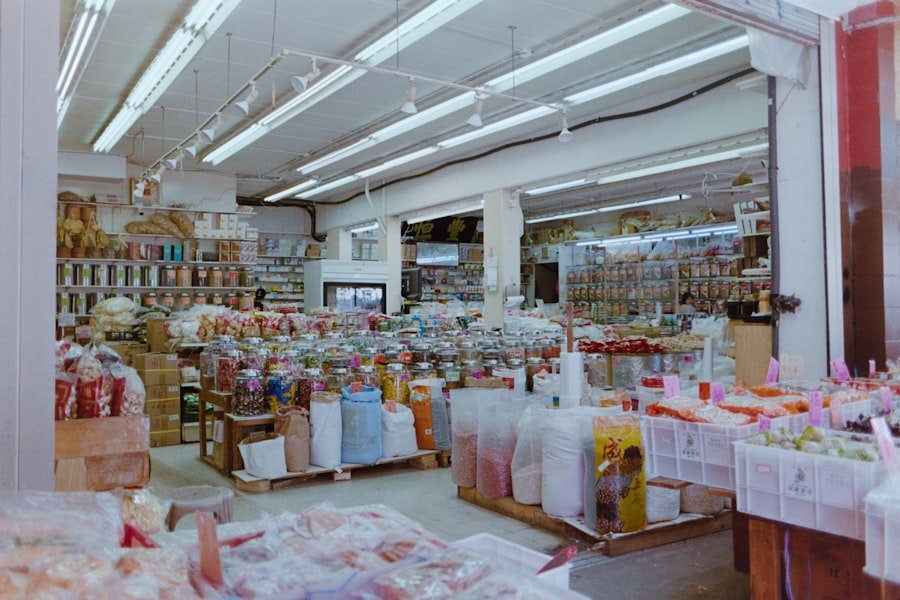
Maintaining and enhancing retail property assets is essential for preserving their value and appeal over time. Regular maintenance schedules should be established to address routine repairs and upkeep before they escalate into larger issues. This proactive approach not only ensures that properties remain in excellent condition but also demonstrates a commitment to tenant satisfaction.
In addition to routine maintenance, property managers should consider implementing upgrades that enhance the overall experience for both tenants and customers. This could include modernizing common areas, improving signage, or investing in energy-efficient systems that reduce operating costs. By continually enhancing the property’s features and amenities, managers can attract high-quality tenants while increasing foot traffic and customer engagement.
Building Strong Relationships with Retail Tenants and Stakeholders
Building strong relationships with retail tenants is fundamental to successful property management. Open lines of communication foster trust and transparency, allowing property managers to address concerns promptly and effectively. Regular check-ins with tenants can help identify any issues before they escalate while also providing an opportunity for feedback on how the property can better serve their needs.
Engaging with stakeholders—such as local business associations or community groups—can further strengthen these relationships. By participating in community events or supporting local initiatives, property managers can position themselves as active contributors to the local economy while enhancing their property’s reputation. These relationships not only benefit current tenants but also create a positive image that attracts future businesses.
Navigating Legal and Regulatory Requirements in WA Retail Property Management
Navigating the legal and regulatory landscape of retail property management in Western Australia is essential for compliance and risk mitigation. The Residential Tenancy Act 1987 outlines specific rights and responsibilities for both landlords and tenants, making it imperative for property managers to stay informed about any changes or updates to legislation. Failure to comply with these regulations can result in costly penalties or legal disputes.
Property managers should prioritize ongoing education regarding legal requirements related to leasing agreements, safety standards, and tenant rights. This knowledge not only protects property owners from potential liabilities but also fosters a fair and transparent relationship with tenants. By ensuring compliance with all legal obligations, property managers can create a secure environment that benefits everyone involved.
Creating Sustainable and Eco-Friendly Retail Property Management Practices
Sustainability is becoming increasingly important in retail property management as consumers become more environmentally conscious. Implementing eco-friendly practices not only reduces the environmental impact of retail operations but also appeals to a growing demographic of eco-aware consumers. Property managers can take steps such as incorporating energy-efficient lighting, promoting recycling programs, or utilizing sustainable materials in renovations.
Additionally, creating green spaces or community gardens within retail properties can enhance the overall aesthetic while providing a unique selling point for potential tenants. By prioritizing sustainability, property managers not only contribute positively to the environment but also position their properties as forward-thinking spaces that align with modern consumer values.
Addressing Security and Safety Concerns in Retail Property Management
Security and safety are paramount concerns for both property owners and tenants in retail environments. Property managers must implement comprehensive security measures to protect assets while ensuring a safe shopping experience for customers. This may include installing surveillance cameras, employing security personnel during peak hours, or implementing access control systems.
Regular safety audits should also be conducted to identify potential hazards within the property. Ensuring compliance with health and safety regulations not only protects tenants but also enhances the overall reputation of the retail space. By prioritizing security measures, property managers can create an environment where both tenants and customers feel safe and valued.
The Future of Retail Property Management in WA: Trends and Innovations
The future of retail property management in Western Australia is poised for transformation as new trends and innovations emerge within the industry. The rise of e-commerce has prompted traditional retailers to rethink their strategies, leading to an increased demand for experiential retail spaces that offer unique customer experiences beyond mere transactions. Property managers must adapt by creating environments that encourage social interaction while integrating technology seamlessly into the shopping experience.
Additionally, sustainability will continue to play a significant role in shaping the future of retail properties. As consumers increasingly prioritize eco-friendly practices, properties that embrace green initiatives will likely see enhanced demand from both tenants and customers alike. By staying ahead of these trends and embracing innovation, property managers can position themselves as leaders in the evolving landscape of retail property management in WA.
In conclusion, efficient retail property management is essential for maximizing occupancy rates, enhancing revenue streams, and ensuring long-term success in Western Australia’s dynamic market. By understanding the unique challenges faced by retail properties, implementing effective strategies, leveraging technology, maintaining strong relationships with tenants, navigating legal requirements, embracing sustainability practices, addressing security concerns, and staying attuned to emerging trends, property managers can create thriving retail environments that benefit all stakeholders involved.
For those interested in retail property management in Western Australia, the article on Claret Street in Maddington provides valuable insights into the local market dynamics and property opportunities. You can read more about it in this detailed overview: Claret St, Maddington WA 6109.
For further guidance, see Mariana Cl Maddington WA 6109, Lucky Pl Maddington WA 6109 and Greenwood Ct Kelmscott WA 6111. Each one breaks the topic down step by step.