
What You Need to Know About Ensuring Baldivis Rental Smoke Alarm Compliance
Smoke alarms are not just a regulatory requirement; they are a critical component of fire safety that can save lives and protect property. The importance of smoke alarm compliance cannot be overstated, as these devices serve as the first line of defense against the devastating effects of fire. In residential settings, where families gather and children play, the presence of functional smoke alarms can mean the difference between life and death.
They provide early warning signals that allow occupants to evacuate safely, minimizing the risk of injury or loss of life. Moreover, compliance with smoke alarm regulations is essential for landlords and property managers. It not only ensures the safety of tenants but also protects property owners from potential legal liabilities.
In the unfortunate event of a fire, failure to comply with smoke alarm legislation can lead to severe consequences, including hefty fines and lawsuits. Therefore, understanding and adhering to smoke alarm compliance is not just a matter of legal obligation; it is a moral responsibility that every landlord should take seriously.
Key Takeaways
- Smoke alarm compliance is crucial for the safety of both landlords and tenants
- Understanding the legislation surrounding smoke alarms is essential for compliance
- Landlords have the responsibility to ensure smoke alarms are installed and maintained
- Tenants are responsible for testing smoke alarms and reporting any issues to the landlord
- There are different types of smoke alarms, including ionization and photoelectric alarms
Understanding the Legislation
The legislation surrounding smoke alarms is designed to create a safer living environment for all residents. In many jurisdictions, including Australia, specific laws dictate the installation, maintenance, and functionality of smoke alarms in residential properties. These laws are often updated to reflect advancements in technology and changes in safety standards, making it crucial for landlords and tenants alike to stay informed about current regulations.
Understanding the legislation is vital for both landlords and tenants. For landlords, it means ensuring that their properties are equipped with the appropriate number and type of smoke alarms as mandated by law. For tenants, it involves knowing their rights regarding smoke alarm functionality and maintenance.
By familiarizing themselves with the relevant legislation, both parties can work together to create a safe living environment that complies with legal standards.
Responsibilities of Landlords
Landlords have a significant responsibility when it comes to smoke alarm compliance. They are required by law to install smoke alarms in their rental properties and ensure that these devices are in working order at the beginning of each tenancy. This includes not only the initial installation but also ongoing maintenance throughout the duration of the lease.
Landlords must conduct regular checks to ensure that smoke alarms are functioning correctly and replace batteries as needed. In addition to installation and maintenance, landlords must also provide tenants with information about the smoke alarms in their property. This includes details on how to test the alarms, what to do if they go off, and how to report any issues.
By taking these steps, landlords demonstrate their commitment to tenant safety and compliance with legal requirements, fostering a positive landlord-tenant relationship built on trust and transparency.
Responsibilities of Tenants
| Tenant Responsibilities | Details |
|---|---|
| Paying Rent | Tenants are responsible for paying rent on time as per the terms of the lease agreement. |
| Property Maintenance | Tenants are expected to maintain the property in a clean and tidy condition, and report any maintenance issues to the landlord. |
| Respecting Neighbors | Tenants should be considerate of their neighbors and avoid causing disturbances or disruptions. |
| Adhering to Lease Terms | Tenants must comply with the terms and conditions outlined in the lease agreement, including restrictions on subletting and pet ownership. |
| Notifying Landlord | Tenants should inform the landlord of any issues or concerns related to the property in a timely manner. |
While landlords bear the primary responsibility for smoke alarm compliance, tenants also play a crucial role in maintaining fire safety within their homes. Tenants are responsible for testing smoke alarms regularly to ensure they are functioning correctly. This typically involves pressing the test button on the device at least once a month and replacing batteries as needed, especially if they hear a chirping sound indicating low battery power.
Additionally, tenants should report any issues with smoke alarms to their landlords promptly. If an alarm is malfunctioning or has been removed, it is essential for tenants to communicate this to ensure that necessary repairs or replacements can be made quickly. By taking an active role in smoke alarm maintenance, tenants contribute to their own safety and that of their neighbors, creating a culture of accountability and vigilance within the community.
Types of Smoke Alarms
There are several types of smoke alarms available on the market today, each designed to detect different types of fires. The two most common types are ionization smoke alarms and photoelectric smoke alarms. Ionization alarms are more sensitive to flaming fires, while photoelectric alarms are better at detecting smoldering fires.
Many experts recommend using both types in a home for comprehensive fire detection. In addition to these traditional options, there are also interconnected smoke alarms that communicate with one another. When one alarm detects smoke, all interconnected alarms will sound, providing an early warning throughout the entire property.
This feature is particularly beneficial in larger homes or multi-story buildings where occupants may not hear an alarm from another room. Understanding the different types of smoke alarms available can help landlords make informed decisions about which devices to install in their properties.
Maintenance and Testing Requirements
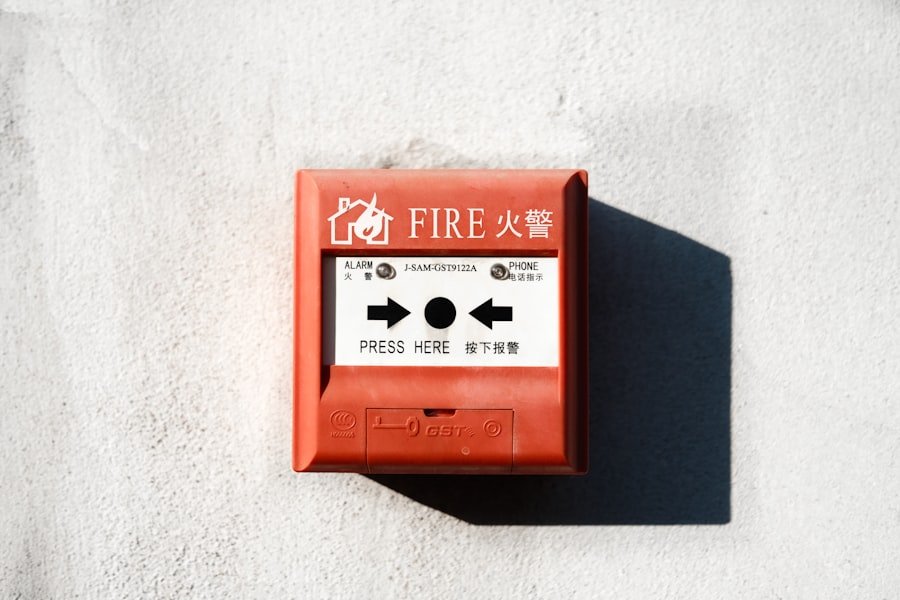
Regular maintenance and testing of smoke alarms are essential for ensuring their effectiveness in case of a fire. Landlords should establish a routine schedule for checking smoke alarms in their properties, ideally every six months. This includes testing each alarm by pressing the test button and replacing batteries as needed.
Additionally, landlords should replace smoke alarms every ten years or according to manufacturer recommendations. Tenants also have a role in maintenance by conducting monthly tests on smoke alarms and reporting any issues immediately. It is important for both parties to understand that neglecting maintenance can lead to malfunctioning alarms, which could have dire consequences during a fire emergency.
By prioritizing regular maintenance and testing, landlords and tenants can work together to ensure that smoke alarms remain functional and effective.
Consequences of Non-Compliance
The consequences of non-compliance with smoke alarm regulations can be severe for both landlords and tenants. For landlords, failing to install or maintain smoke alarms can result in significant legal repercussions, including fines and potential lawsuits if a fire occurs due to negligence. Additionally, non-compliance can damage a landlord’s reputation and make it more challenging to attract quality tenants in the future.
For tenants, living in a property without functional smoke alarms poses serious safety risks. In the event of a fire, tenants may find themselves unprotected and vulnerable, leading to potential injury or loss of life. Furthermore, if tenants fail to report issues with smoke alarms or neglect their responsibilities regarding maintenance, they may also face consequences if legal action is taken against the landlord due to non-compliance.
Ensuring Installation and Placement
Proper installation and placement of smoke alarms are critical factors in their effectiveness.
It is essential to follow manufacturer guidelines regarding placement height and distance from cooking appliances to minimize false alarms while maximizing detection capabilities.
In addition to installation, landlords should also consider interconnected systems that allow multiple alarms to communicate with one another. This ensures that if one alarm detects smoke, all alarms will sound simultaneously, providing an early warning throughout the property. By prioritizing proper installation and placement of smoke alarms, landlords can significantly enhance fire safety for their tenants.
Educating Tenants on Smoke Alarm Safety
Education is a vital component of ensuring smoke alarm safety within rental properties. Landlords should take the initiative to educate their tenants about the importance of smoke alarms and how they function. This includes providing information on how to test alarms, what to do if an alarm goes off, and how to report any issues.
Additionally, landlords can provide resources on fire safety practices beyond just smoke alarms. This may include tips on creating an emergency escape plan, identifying potential fire hazards within the home, and understanding how to respond in case of a fire emergency. By empowering tenants with knowledge about fire safety and smoke alarm functionality, landlords foster a culture of safety that benefits everyone involved.
Working with Professional Services
To ensure compliance with smoke alarm regulations and maintain optimal safety standards, many landlords choose to work with professional services specializing in fire safety inspections and maintenance. These professionals can conduct thorough assessments of properties to ensure that all smoke alarms are installed correctly and functioning properly. Engaging professional services not only helps landlords meet legal requirements but also provides peace of mind knowing that experts are handling fire safety matters.
Resources for Landlords and Tenants
Numerous resources are available for both landlords and tenants seeking information about smoke alarm compliance and fire safety practices. Government websites often provide detailed guidelines on local legislation regarding smoke alarms, including installation requirements and maintenance responsibilities. Additionally, various non-profit organizations focus on fire safety education and can offer valuable resources for both parties.
These organizations may provide brochures, workshops, or online courses aimed at increasing awareness about fire prevention strategies and best practices for maintaining smoke alarms. By utilizing these resources, landlords and tenants can stay informed about their responsibilities while working together to create safer living environments for all residents.
In the context of ensuring smoke alarm compliance in rental properties in Baldivis, it’s crucial for property managers to stay informed and proactive. A related article that might be of interest is available on Smart Realty’s website, which provides insights into property management services. This article can help property managers understand their responsibilities and the importance of maintaining safety standards in rental properties. For more information, you can visit the article by clicking on this link: Find Your Property Manager.
FAQs
What is the importance of smoke alarm compliance in rental properties in Baldivis?
Smoke alarm compliance in rental properties is important for the safety of tenants. It ensures that the property is equipped with functioning smoke alarms to provide early warning in the event of a fire.
What are the regulations for smoke alarm compliance in rental properties in Baldivis?
In Baldivis, rental properties are required to have compliant smoke alarms installed in accordance with the Building Code of Australia (BCA) and the Residential Tenancies Act 1987.
Who is responsible for ensuring smoke alarm compliance in rental properties in Baldivis?
The responsibility for ensuring smoke alarm compliance in rental properties in Baldivis typically falls on the property owner or landlord. They are required to ensure that the smoke alarms are installed, maintained, and tested in accordance with the regulations.
What are the consequences of non-compliance with smoke alarm regulations in rental properties in Baldivis?
Non-compliance with smoke alarm regulations in rental properties in Baldivis can result in penalties for the property owner or landlord. This may include fines and potential liability in the event of a fire-related incident.
How often should smoke alarms be tested and maintained in rental properties in Baldivis?
Smoke alarms in rental properties in Baldivis should be tested and maintained in accordance with the manufacturer’s instructions, typically every six months. This includes regular testing of the alarm function and replacing batteries as needed.