
Maximizing Returns: Investment Property Management in Bateman: Key Things to Consider
The Bateman real estate market is a dynamic and evolving landscape that requires keen insight and a strategic approach for successful investment. Located in the heart of Perth, Bateman boasts a unique blend of suburban charm and urban convenience, making it an attractive option for both homeowners and investors alike. The area is characterized by its family-friendly environment, excellent schools, and proximity to essential amenities, which contribute to its steady demand.
Understanding the nuances of this market is crucial for anyone looking to make informed decisions about property investments. To navigate the Bateman real estate market effectively, one must consider various factors such as local economic conditions, demographic trends, and property values. The area has seen consistent growth in property prices over the years, driven by its desirable location and community features.
Investors should pay close attention to market indicators, such as vacancy rates and rental yields, to gauge the health of the market. By staying informed about these trends, investors can position themselves to capitalize on opportunities and mitigate risks associated with property investment in Bateman.
Key Takeaways
- Understanding the local real estate market is crucial for making informed investment decisions in Bateman.
- Setting clear investment goals helps in identifying the type of property and rental income desired.
- Choosing the right property management company is essential for efficient and effective management of real estate investments.
- Conducting regular property inspections ensures that the property is well-maintained and any issues are addressed promptly.
- Implementing cost-effective maintenance strategies helps in maximizing the return on investment for real estate properties.
Setting Clear Investment Goals
Establishing clear investment goals is a fundamental step for anyone looking to succeed in real estate. These goals serve as a roadmap, guiding decisions and strategies throughout the investment journey. Whether the objective is to generate passive income through rental properties, achieve long-term capital appreciation, or diversify an investment portfolio, having well-defined goals is essential.
Investors should take the time to assess their financial situation, risk tolerance, and time horizon to create realistic and achievable objectives. Moreover, setting specific, measurable, attainable, relevant, and time-bound (SMART) goals can significantly enhance the likelihood of success. For instance, an investor might aim to acquire a certain number of rental properties within a specified timeframe or target a particular return on investment (ROI) percentage.
By articulating these goals clearly, investors can make informed decisions about property selection, financing options, and management strategies that align with their overall vision.
Choosing the Right Property Management Company
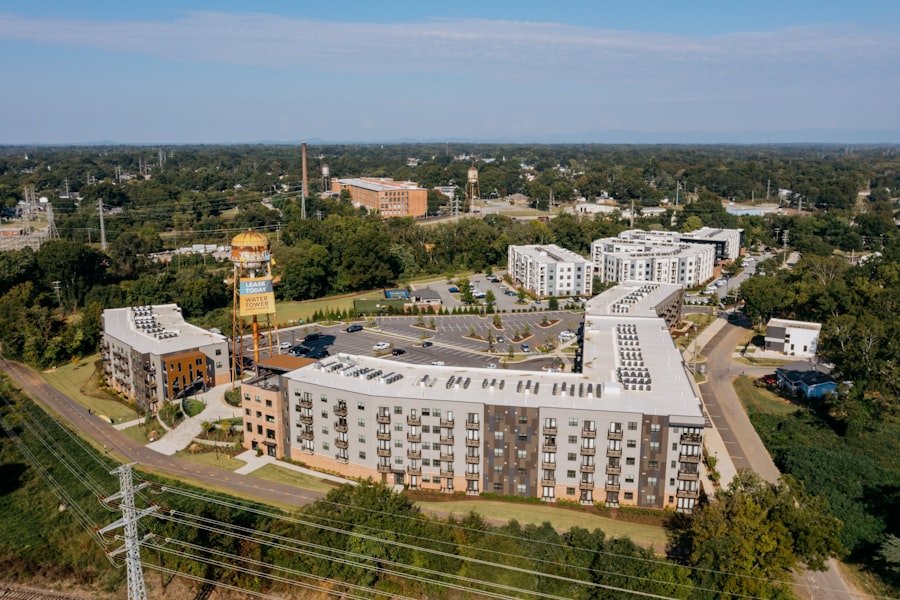
Selecting the right property management company is a critical decision that can significantly impact an investor’s success in the real estate market. A reputable property management firm not only handles day-to-day operations but also plays a vital role in maximizing property value and ensuring tenant satisfaction. Investors should prioritize companies with a proven track record of success, strong local market knowledge, and a commitment to transparency and integrity.
When evaluating potential property management companies, investors should consider factors such as their experience in managing similar properties, their approach to tenant screening and selection, and their communication practices. A company that prioritizes open communication and provides regular updates can foster a positive relationship between property owners and tenants. Additionally, it is essential to review the company’s fee structure to ensure there are no hidden costs that could erode profitability.
Conducting Regular Property Inspections
| Property Inspections Metrics | 2019 | 2020 | 2021 |
|---|---|---|---|
| Number of Inspections Conducted | 150 | 175 | 200 |
| Inspection Frequency | Monthly | Bi-monthly | Monthly |
| Issues Identified | 25 | 20 | 15 |
| Response Time for Resolving Issues | 2 days | 3 days | 1 day |
Regular property inspections are an indispensable aspect of effective property management. These inspections allow property owners to assess the condition of their investment and identify any maintenance issues before they escalate into costly repairs. By conducting routine inspections, property managers can ensure that properties are well-maintained and compliant with safety regulations, ultimately protecting both the owner’s investment and the tenants’ well-being.
In addition to identifying maintenance needs, regular inspections provide an opportunity to foster positive relationships with tenants. By engaging with tenants during inspections, property managers can address any concerns they may have and demonstrate their commitment to maintaining a safe and comfortable living environment. This proactive approach not only enhances tenant satisfaction but also contributes to tenant retention, reducing turnover costs for property owners.
Implementing Cost-Effective Maintenance Strategies
Effective maintenance strategies are essential for preserving property value while minimizing expenses. Property owners should prioritize preventive maintenance measures that address potential issues before they become significant problems. This proactive approach can save money in the long run by reducing the need for costly repairs and extending the lifespan of key systems and components within the property.
Additionally, property managers should explore cost-effective solutions for routine maintenance tasks. For example, establishing relationships with reliable contractors can lead to negotiated rates for services such as plumbing, electrical work, and landscaping. By implementing a comprehensive maintenance plan that includes regular inspections and timely repairs, property owners can ensure their investments remain in excellent condition while maximizing their return on investment.
Screening and Selecting Reliable Tenants

Tenant screening is one of the most critical aspects of property management. Selecting reliable tenants can significantly reduce the risk of late payments, property damage, and eviction proceedings. A thorough screening process should include background checks, credit history assessments, and verification of rental history.
By taking the time to vet potential tenants carefully, property managers can identify individuals who are likely to fulfill their lease obligations and treat the property with respect. Moreover, effective tenant selection goes beyond just assessing financial qualifications; it also involves evaluating compatibility with the property’s community and environment. Property managers should consider factors such as lifestyle preferences and communication styles when selecting tenants.
By fostering a harmonious living environment through thoughtful tenant selection, property owners can enhance tenant satisfaction and retention rates.
Setting Competitive Rental Rates
Setting competitive rental rates is crucial for attracting quality tenants while maximizing rental income. Property owners should conduct thorough market research to determine appropriate pricing based on comparable properties in the area. Factors such as location, amenities, and property condition should be taken into account when establishing rental rates.
Additionally, it is essential to remain flexible and responsive to market changes. Economic conditions can fluctuate, impacting demand for rental properties. Property managers should regularly review rental rates to ensure they remain competitive while still reflecting the property’s value.
By striking the right balance between affordability for tenants and profitability for owners, property managers can create a win-win situation that benefits all parties involved.
Utilizing Technology for Efficient Management
In today’s digital age, leveraging technology is essential for efficient property management. Various software solutions are available that streamline operations such as tenant screening, rent collection, maintenance requests, and communication with tenants. By utilizing these tools, property managers can save time and reduce administrative burdens while enhancing overall service quality.
Moreover, technology can facilitate better communication between property managers and tenants. Online portals allow tenants to submit maintenance requests or pay rent conveniently while providing property managers with real-time insights into property performance. By embracing technology in property management practices, companies can improve efficiency and responsiveness while delivering exceptional service to clients.
Implementing Effective Communication Strategies
Effective communication is at the heart of successful property management. Property managers must establish clear lines of communication with both property owners and tenants to foster positive relationships and address concerns promptly. Regular updates regarding property performance, maintenance issues, and market trends can help keep all parties informed and engaged.
Additionally, implementing feedback mechanisms allows tenants to voice their opinions on their living experience. By actively seeking feedback and addressing concerns promptly, property managers can demonstrate their commitment to tenant satisfaction while identifying areas for improvement in their services. This proactive approach not only enhances tenant retention but also contributes to a positive reputation for the property management company.
Staying Updated on Legal and Regulatory Requirements
Navigating the legal landscape of real estate is essential for both property owners and managers. Staying updated on legal and regulatory requirements ensures compliance with local laws governing rental properties while protecting both landlords’ rights and tenants’ interests. Property managers should be well-versed in relevant legislation such as the Residential Tenancy Act 1987 in Western Australia.
Regular training sessions or workshops on legal updates can help property managers stay informed about changes in regulations that may impact their operations. By prioritizing compliance with legal requirements, property managers can mitigate risks associated with potential disputes or penalties while fostering trust among clients.
Evaluating and Adjusting Investment Strategies
The real estate market is constantly evolving; therefore, evaluating and adjusting investment strategies is crucial for long-term success. Property owners should regularly assess their portfolio’s performance against established goals to identify areas for improvement or opportunities for growth. This evaluation process may involve analyzing rental income trends, occupancy rates, and overall market conditions.
Additionally, being open to adjusting strategies based on market shifts or personal circumstances is vital for sustained success in real estate investing. Whether it involves diversifying into new markets or exploring different types of properties, adaptability is key to navigating challenges while maximizing returns on investment. In conclusion, succeeding in the Bateman real estate market requires a multifaceted approach that encompasses understanding market dynamics, setting clear investment goals, choosing the right management company, conducting regular inspections, implementing cost-effective maintenance strategies, screening reliable tenants, setting competitive rental rates, utilizing technology efficiently, communicating effectively with stakeholders, staying updated on legal requirements, and continuously evaluating investment strategies.
By adopting these best practices, investors can position themselves for success in this vibrant market while maximizing their returns on investment.
In the realm of investment property management, Bateman has emerged as a notable area of interest for real estate investors seeking lucrative opportunities. A related article that delves into the expertise and success stories of top agents in the region can be found on Smart Realty’s website. This article highlights the achievements of leading realtors who have made significant impacts in the Thornlie area, which is in close proximity to Bateman. For more insights, you can read the full article by visiting Top Selling Agent in Thornlie. This resource provides valuable information on the strategies and market trends that have contributed to the success of property management in the area.
Curious about property investment? Start with Understanding Rental Yield: Calculating Returns in the Perth Market and Maximizing Lockridge Rental Yield: Tips for Property Investors.