
A Closer Look at Victoria Park Landlords: Essential Services for Property Owners
Being a landlord is not merely about collecting rent; it encompasses a wide array of responsibilities that require diligence, knowledge, and commitment. Landlords must ensure that their properties are safe, habitable, and compliant with local laws. This includes maintaining the physical structure, addressing tenant concerns promptly, and ensuring that all legal obligations are met.
A landlord’s role is multifaceted, requiring a balance between business acumen and a genuine concern for tenant welfare. Moreover, landlords must be proactive in understanding their rights and responsibilities under the law. This includes being aware of the Residential Tenancy Act 1987, which outlines the legal framework governing rental agreements in Perth.
By familiarizing themselves with these regulations, landlords can avoid potential pitfalls and ensure that they are providing a fair and equitable living environment for their tenants. This understanding not only protects the landlord’s investment but also fosters a positive relationship with tenants, which is essential for long-term success in property management.
Key Takeaways
- Landlords are responsible for maintaining a safe and habitable living environment for tenants.
- Regular property maintenance is crucial for preserving the value of the property and ensuring tenant satisfaction.
- Landlords must prioritize safety and security measures to protect their tenants and property.
- Effective property management involves timely repairs, clear communication, and addressing tenant needs.
- It is important for landlords to stay updated on legal obligations and regulations to avoid potential legal issues.
Importance of Regular Property Maintenance
Regular property maintenance is crucial for preserving the value of a rental property and ensuring tenant satisfaction. A well-maintained property not only attracts quality tenants but also minimizes turnover rates, which can be costly for landlords. Routine inspections and timely repairs can prevent minor issues from escalating into major problems, ultimately saving landlords time and money.
Regular maintenance also demonstrates to tenants that their comfort and safety are priorities, fostering a sense of trust and respect. In addition to enhancing tenant satisfaction, regular maintenance can significantly impact the property’s market value. Properties that are consistently well-kept tend to appreciate more over time, providing landlords with a solid return on investment.
By investing in regular maintenance, landlords can ensure that their properties remain competitive in the rental market, attracting high-quality tenants willing to pay premium rents. This proactive approach not only safeguards the property but also enhances the overall reputation of the landlord in the community.
Ensuring Safety and Security for Tenants

Safety and security are paramount concerns for tenants when choosing a rental property. Landlords have a legal and ethical obligation to provide a safe living environment, which includes ensuring that all safety features—such as smoke detectors, secure locks, and adequate lighting—are in place and functioning properly. Regular safety inspections should be conducted to identify potential hazards and address them promptly.
By prioritizing safety, landlords can create a sense of security that encourages tenants to renew their leases and recommend the property to others. Furthermore, investing in security measures such as surveillance cameras or gated access can enhance tenant confidence in their living situation. When tenants feel secure in their homes, they are more likely to take care of the property and maintain a positive relationship with their landlord.
This not only benefits the tenants but also protects the landlord’s investment by reducing the likelihood of property damage or neglect.
Providing Effective Property Management
| Metrics | Data |
|---|---|
| Vacancy Rate | 8% |
| Tenant Satisfaction | 90% |
| Maintenance Response Time | 24 hours |
| Property Appreciation | 5% annually |
Effective property management is essential for maximizing the value of rental properties while ensuring tenant satisfaction. This involves a comprehensive approach that includes marketing the property, screening potential tenants, managing leases, and overseeing maintenance and repairs. A skilled property manager understands the nuances of the rental market and can implement strategies to attract high-quality tenants while minimizing vacancy rates.
Moreover, effective property management requires strong communication skills and a commitment to transparency. Landlords who prioritize open lines of communication with their tenants foster trust and cooperation, making it easier to address concerns or resolve disputes. By providing exceptional service and support, property managers can create a positive living experience for tenants while simultaneously protecting the landlord’s investment.
Legal Obligations and Compliance with Regulations
Navigating the legal landscape of property management can be daunting for landlords, but it is essential for protecting both their interests and those of their tenants. Compliance with regulations such as the Residential Tenancy Act 1987 is critical to avoid legal disputes and potential penalties. Landlords must be aware of their obligations regarding lease agreements, rent increases, eviction processes, and maintenance responsibilities.
By adhering to these regulations, landlords not only protect themselves from legal repercussions but also demonstrate their commitment to ethical practices. This compliance fosters trust among tenants, who are more likely to feel secure in their rights when they know their landlord is operating within the law. Ultimately, understanding and fulfilling legal obligations is a cornerstone of successful property management.
Offering Quality Tenant Screening and Selection
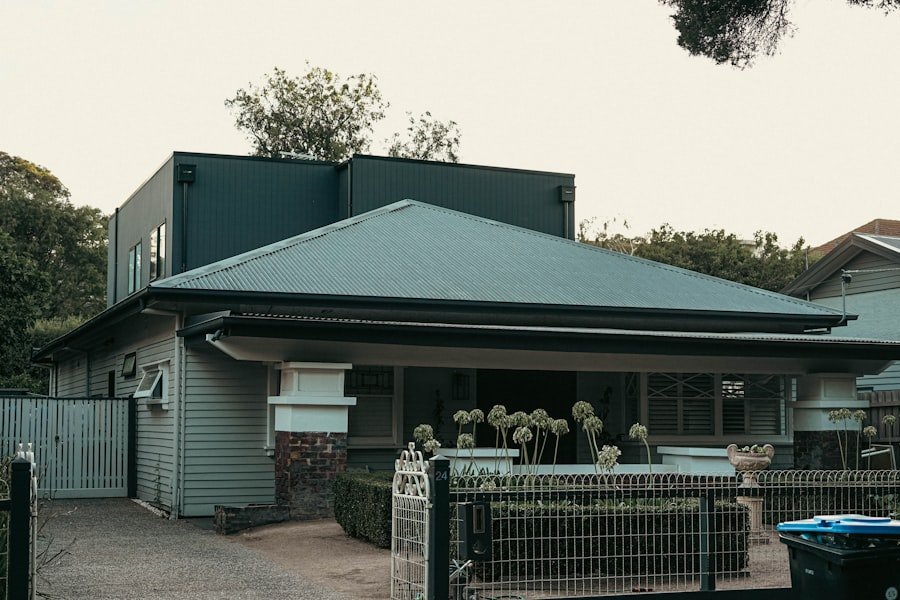
The tenant screening process is one of the most critical aspects of property management. Selecting quality tenants can significantly impact a landlord’s experience and financial success. A thorough screening process should include background checks, credit history evaluations, and references from previous landlords.
By taking the time to vet potential tenants carefully, landlords can minimize the risk of late payments, property damage, or other issues that may arise from irresponsible renting. Moreover, quality tenant selection goes beyond just checking boxes on an application form; it involves assessing whether a potential tenant will be a good fit for the property and the community. Landlords should consider factors such as lifestyle compatibility and rental history when making their decisions.
By prioritizing quality over quantity in tenant selection, landlords can cultivate a positive living environment that benefits everyone involved.
Handling Tenant Concerns and Disputes
Even with the best intentions and practices in place, disputes between landlords and tenants can arise. How these issues are handled can significantly impact the overall success of a rental relationship. Landlords must be prepared to address tenant concerns promptly and professionally while maintaining open lines of communication.
This approach not only helps resolve issues quickly but also demonstrates respect for tenants’ rights. In cases where disputes escalate, landlords should be familiar with conflict resolution strategies and legal processes available under the Residential Tenancy Act 1987. By approaching disputes with empathy and a willingness to find common ground, landlords can often reach amicable solutions that satisfy both parties.
This commitment to resolving conflicts effectively fosters goodwill among tenants and enhances the landlord’s reputation in the community.
Managing Rent Collection and Financial Responsibilities
Timely rent collection is vital for maintaining cash flow and ensuring that property expenses are covered. Landlords must establish clear policies regarding rent payment deadlines, accepted payment methods, and consequences for late payments. Utilizing technology can streamline this process by offering online payment options that make it easier for tenants to pay on time.
Additionally, landlords should maintain accurate financial records to track income and expenses related to their properties. This financial oversight is essential for budgeting purposes and can help identify areas where costs can be reduced or revenue increased. By managing rent collection effectively and maintaining financial transparency, landlords can ensure their properties remain profitable while providing quality housing for their tenants.
Utilizing Technology for Property Management
In today’s digital age, technology plays an increasingly important role in property management. From online listing platforms to property management software, leveraging technology can streamline operations and enhance communication between landlords and tenants. For instance, online portals allow tenants to submit maintenance requests or pay rent conveniently, reducing administrative burdens on landlords.
Moreover, technology can provide valuable insights into market trends and tenant preferences, enabling landlords to make informed decisions about pricing strategies or property improvements. By embracing technological advancements in property management, landlords can enhance efficiency while providing superior service to their tenants.
Building and Maintaining Positive Landlord-Tenant Relationships
A successful rental experience hinges on fostering positive relationships between landlords and tenants. Open communication is key; landlords should encourage feedback from tenants while being responsive to their needs. Regular check-ins can help identify potential issues before they escalate into larger problems.
Additionally, showing appreciation for good tenants—whether through small gestures like holiday greetings or timely responses to maintenance requests—can go a long way in building rapport. When tenants feel valued and respected, they are more likely to renew their leases and recommend the property to others.
Seeking Professional Assistance and Support for Property Management
While many landlords may attempt to manage their properties independently, seeking professional assistance can provide significant advantages. Property management companies like Smart Realty offer expertise in navigating complex regulations, handling tenant relations, and maximizing property value through effective marketing strategies. By partnering with experienced professionals like Mahi Masud at Smart Realty, landlords can benefit from over 19 years of industry experience managing more than 1,100 properties and selling over 400 homes in Perth.
With a commitment to honesty, transparency, and integrity, Smart Realty ensures that every aspect of property management is handled with care—without shortcuts or outsourcing services—providing peace of mind for both property owners and tenants alike. In conclusion, effective property management requires a comprehensive understanding of responsibilities, legal obligations, tenant relations, financial oversight, and maintenance practices. By prioritizing these elements—and considering professional assistance when needed—landlords can create successful rental experiences that benefit everyone involved while maximizing their investment potential.
If you are looking for professional real estate services in Victoria Park, you may also be interested in exploring the offerings in Orange Grove. Smart Realty offers a range of services in Orange Grove, including property management and sales. Their team of experienced agents can assist you with all your real estate needs. To learn more about their services in Orange Grove, visit here.
Want to learn more? Take a look at Como WA Tenant Services: Your Complete Guide and East Perth Rental Vacancy Rate: A Closer Look — practical, locally focused advice worth your time.