
Understanding Unlocking the Potential of Mixed Use Developments in Beckenham
Mixed-use developments are increasingly becoming a hallmark of modern urban planning, blending residential, commercial, and sometimes even industrial spaces into cohesive environments. These developments are designed to create vibrant communities where people can live, work, and play all in one location. By integrating various functions within a single project, mixed-use developments aim to enhance the quality of life for residents while also fostering economic growth.
This approach not only maximizes land use but also encourages social interaction and community engagement, making it a compelling model for urban development. In essence, mixed-use developments break down the traditional barriers that separate different types of spaces. They offer a unique solution to the challenges posed by urban sprawl and the increasing demand for housing in metropolitan areas.
By combining residential units with retail shops, offices, and recreational facilities, these developments create a dynamic environment that caters to diverse needs. This integration is particularly beneficial in areas like Beckenham, where the demand for both housing and commercial space is on the rise. As cities evolve, understanding the intricacies of mixed-use developments becomes crucial for stakeholders looking to invest in or develop properties that meet contemporary urban demands.
Key Takeaways
- Mixed use developments combine residential, commercial, and sometimes industrial spaces in one area, creating a diverse and vibrant community.
- The benefits of mixed use developments include increased walkability, reduced traffic congestion, and a more sustainable use of land and resources.
- Beckenham’s urban landscape has evolved to embrace mixed use developments, creating a more dynamic and integrated city environment.
- Maximizing space in mixed use developments involves thoughtful planning and design to ensure efficient use of land and resources.
- Balancing residential and commercial spaces in mixed use developments is crucial for creating a harmonious and functional community environment.
The Benefits of Mixed Use Developments
The advantages of mixed-use developments are manifold, making them an attractive option for urban planners, developers, and residents alike. One of the most significant benefits is the promotion of walkability. By placing residential units in close proximity to shops, restaurants, and workplaces, these developments encourage people to walk rather than drive.
This not only reduces traffic congestion but also contributes to a healthier lifestyle by promoting physical activity. Furthermore, walkable neighborhoods foster a sense of community as residents are more likely to interact with one another in shared spaces. Another key benefit is economic vitality.
Mixed-use developments can stimulate local economies by attracting businesses and creating jobs. When residential and commercial spaces coexist, they generate foot traffic that can support local retailers and service providers. This symbiotic relationship enhances the overall economic landscape of an area, making it more appealing for investment.
Additionally, mixed-use developments often lead to increased property values, benefiting both developers and homeowners. As demand for such spaces continues to grow, the potential for financial returns becomes increasingly attractive.
The Evolution of Beckenham’s Urban Landscape
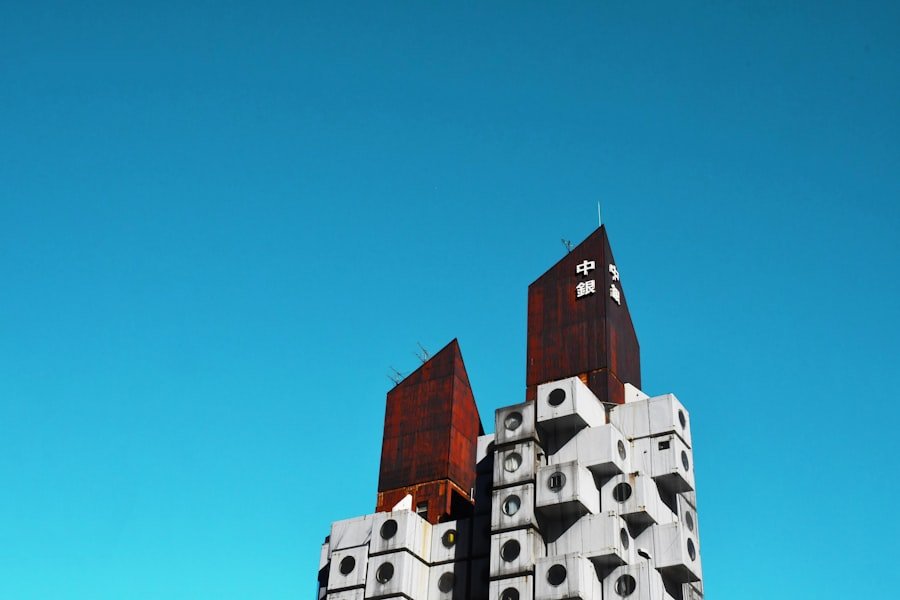
Beckenham has undergone significant transformation over the years, evolving from a primarily residential suburb into a thriving urban center characterized by mixed-use developments. This evolution reflects broader trends in urbanization and demographic shifts, as more people seek convenient living arrangements that offer access to amenities and services. The integration of mixed-use developments into Beckenham’s urban landscape has played a pivotal role in this transformation, reshaping the way residents interact with their environment.
Historically, Beckenham was known for its quiet residential streets and limited commercial offerings. However, as the population grew and urban sprawl became more pronounced, the need for a more integrated approach to development became evident. The introduction of mixed-use projects has not only revitalized underutilized areas but has also attracted new residents and businesses to the region.
This evolution has created a more vibrant community where people can enjoy a higher quality of life while contributing to the local economy.
Maximizing Space in Mixed Use Developments
| Metrics | Definition |
|---|---|
| Building footprint | The area on a site that is covered by the building |
| Floor area ratio (FAR) | The ratio of a building’s total floor area to the size of the piece of land upon which it is built |
| Open space ratio | The ratio of open space to the total site area |
| Efficiency ratio | The ratio of usable floor area to the total floor area |
| Occupancy rate | The percentage of space within a building that is currently being used |
One of the defining features of mixed-use developments is their ability to maximize space efficiently. In an era where land is at a premium, developers are tasked with creating environments that serve multiple purposes without compromising on quality or functionality. This requires innovative design solutions that prioritize flexibility and adaptability.
By utilizing vertical space and incorporating multi-functional areas, mixed-use developments can accommodate a diverse range of activities within a limited footprint. For instance, ground-floor retail spaces can be designed to seamlessly integrate with residential units above, creating a cohesive environment that encourages interaction between different user groups. Additionally, shared amenities such as parks, community centers, and recreational facilities can enhance the overall appeal of mixed-use developments while maximizing land use.
By prioritizing thoughtful design and strategic planning, developers can create spaces that not only meet current demands but also anticipate future needs.
Balancing Residential and Commercial Spaces
Achieving a harmonious balance between residential and commercial spaces is crucial for the success of mixed-use developments. Developers must carefully consider factors such as zoning regulations, market demand, and community needs when designing these projects. Striking this balance ensures that both residents and businesses can thrive in a shared environment without one overshadowing the other.
To achieve this equilibrium, developers often engage in extensive market research to understand the preferences and needs of potential residents and businesses. This information informs decisions about the types of commercial spaces to include—whether it be cafes, retail shops, or office spaces—ensuring that they align with the lifestyle of the community. Additionally, thoughtful design elements such as soundproofing and landscaping can help mitigate potential conflicts between residential and commercial areas, creating a more pleasant living environment for all.
Creating a Sense of Community in Mixed Use Developments
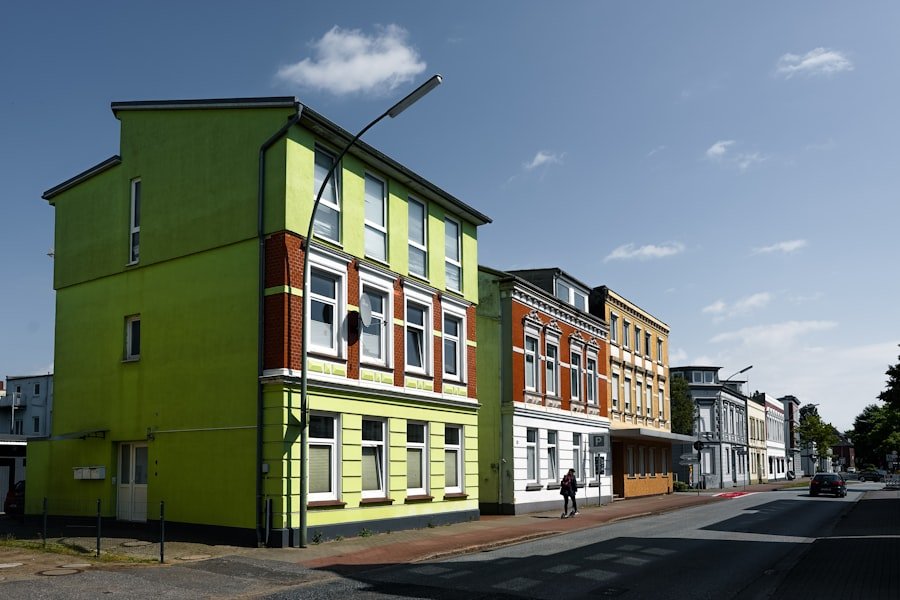
Designing for Community Engagement
Community-oriented design features, such as public plazas, outdoor seating areas, and event spaces, play a vital role in promoting engagement and connection among residents and businesses. These shared spaces provide opportunities for social interaction, helping to break down barriers and foster a sense of community.
Hosting Community Events
Mixed-use developments often host community events and activities that bring residents together, such as farmers’ markets, art fairs, and cultural festivals.
These events transform shared spaces into vibrant hubs of activity, where people come together to celebrate their community. By hosting these initiatives, mixed-use developments can enhance the quality of life for residents and contribute to the overall identity of the development.
Building Lasting Bonds
By prioritizing community-building efforts, mixed-use developments can create lasting bonds among residents, fostering a sense of pride in their neighborhood. This approach helps to build a strong, cohesive community where residents feel connected and invested in their surroundings.
The Role of Mixed Use Developments in Sustainable Urban Planning
Sustainability is an increasingly important consideration in urban planning, and mixed-use developments play a pivotal role in promoting environmentally responsible practices. By reducing reliance on cars through walkable neighborhoods and integrated public transportation options, these developments contribute to lower carbon emissions and improved air quality. Additionally, mixed-use projects often incorporate green building practices such as energy-efficient designs, sustainable materials, and water conservation measures.
Furthermore, mixed-use developments can enhance biodiversity by incorporating green spaces such as parks and gardens within their design. These natural elements not only provide recreational opportunities for residents but also support local ecosystems by providing habitats for wildlife. By prioritizing sustainability in their design and operation, mixed-use developments can serve as models for responsible urban growth that benefits both people and the planet.
Challenges and Opportunities in Beckenham’s Mixed Use Developments
While mixed-use developments offer numerous benefits, they are not without challenges. In Beckenham, developers must navigate complex zoning regulations, community concerns, and market fluctuations when planning new projects. Balancing the interests of various stakeholders—including residents, business owners, and local government—can be a daunting task that requires careful negotiation and collaboration.
However, these challenges also present opportunities for innovation and growth. By engaging with local stakeholders early in the development process, developers can gain valuable insights into community needs and preferences. This collaborative approach not only fosters goodwill but also leads to more successful projects that resonate with residents.
Additionally, as demand for mixed-use spaces continues to rise in Beckenham, developers have the chance to capitalize on emerging trends such as remote work and sustainable living by creating adaptable spaces that cater to evolving lifestyles.
Engaging with Local Stakeholders in Mixed Use Developments
Engaging with local stakeholders is essential for the success of mixed-use developments in Beckenham. Developers must actively seek input from residents, business owners, and community organizations throughout the planning process to ensure that projects align with local needs and aspirations. This engagement fosters transparency and builds trust among stakeholders while allowing developers to address concerns proactively.
Community meetings, surveys, and focus groups are effective tools for gathering feedback from stakeholders. By involving residents in discussions about design elements, amenities, and services offered within mixed-use developments, developers can create spaces that truly reflect the desires of the community. Furthermore, ongoing communication throughout the construction process helps manage expectations and mitigate potential disruptions.
Designing Mixed Use Developments for the Future
As urban landscapes continue to evolve, designing mixed-use developments for the future requires foresight and adaptability. Developers must consider emerging trends such as remote work, technological advancements, and changing demographics when planning new projects. Incorporating flexible spaces that can accommodate various uses over time ensures that developments remain relevant in an ever-changing environment.
Additionally, integrating smart technology into mixed-use designs can enhance convenience and efficiency for residents and businesses alike. Features such as smart parking systems, energy management tools, and high-speed internet connectivity can elevate the overall experience within these developments while promoting sustainability. By prioritizing innovation in design and technology integration, developers can create mixed-use spaces that not only meet current demands but also anticipate future needs.
The Economic Impact of Mixed Use Developments in Beckenham
The economic impact of mixed-use developments in Beckenham cannot be overstated. These projects stimulate local economies by attracting businesses, creating jobs, and increasing property values. As new residents move into mixed-use communities seeking convenience and accessibility, demand for goods and services rises—benefiting local retailers and service providers.
Moreover, mixed-use developments often generate increased tax revenue for local governments through property taxes and business licenses. This additional revenue can be reinvested into community services such as infrastructure improvements, public transportation enhancements, and recreational facilities—further enhancing the quality of life for residents.
As Beckenham continues to embrace mixed-use development as a cornerstone of its urban planning strategy, the potential for economic growth remains significant—creating opportunities for both current residents and future generations alike.
In conclusion, mixed-use developments represent a transformative approach to urban planning that offers numerous benefits for communities like Beckenham. By understanding their complexities and engaging with local stakeholders throughout the development process, we can create vibrant spaces that foster economic growth while enhancing quality of life for all residents. As we look toward the future of urban living, embracing this model will be essential in shaping sustainable communities that thrive on collaboration and innovation.
Mixed-use developments in Beckenham are becoming increasingly popular as they offer a blend of residential, commercial, and recreational spaces, creating vibrant communities. These developments are designed to maximize land use efficiency and provide residents with convenient access to amenities. A related article that explores similar concepts can be found in the context of Thornlie, WA. The article discusses a property on Bernice Way, highlighting the benefits of mixed-use spaces in suburban areas. For more insights, you can read the full article here.
FAQs
What are mixed use developments?
Mixed use developments are real estate projects that combine different types of land uses, such as residential, commercial, and/or industrial, within a single development. This allows for a more diverse and integrated community.
What are the benefits of mixed use developments?
Mixed use developments offer several benefits, including increased walkability, reduced traffic congestion, a greater sense of community, and a more efficient use of land. They also provide residents with convenient access to amenities and services.
What types of amenities are typically found in mixed use developments?
Amenities in mixed use developments can include retail shops, restaurants, office spaces, parks, recreational facilities, and residential units. These amenities are often designed to create a vibrant and dynamic environment for residents and visitors.
How do mixed use developments contribute to sustainability?
Mixed use developments promote sustainability by reducing the need for long commutes, encouraging the use of public transportation, and minimizing the environmental impact of urban sprawl. They also promote energy efficiency and can incorporate green building practices.
What are some examples of successful mixed use developments?
Examples of successful mixed use developments include Santana Row in San Jose, California, and The Wharf in Washington, D.C. These developments have revitalized their respective neighborhoods and have become popular destinations for residents and visitors alike.