
Unlocking Parkwood Subdivision’s Potential: Key Things to Consider
Nestled in the heart of a vibrant community, Parkwood Subdivision stands as a testament to suburban living at its finest. This area, characterized by its lush green spaces, family-friendly atmosphere, and a strong sense of community, has become a sought-after destination for families and individuals alike. With its well-planned layout and proximity to essential amenities, Parkwood offers a unique blend of tranquility and accessibility.
As we delve deeper into the current state of Parkwood Subdivision, it becomes evident that this area is not just a place to live; it is a community with immense potential waiting to be unlocked. The charm of Parkwood Subdivision lies not only in its picturesque landscapes but also in the diverse population that calls it home. From young families to retirees, the community is a melting pot of cultures and backgrounds, fostering an environment of inclusivity and collaboration.
As we explore the various facets of Parkwood, we will uncover the opportunities that lie ahead, the challenges that must be addressed, and the collective vision that can guide this community toward a brighter future.
Key Takeaways
- Parkwood Subdivision is a thriving community with potential for growth and development.
- The current state of Parkwood Subdivision shows opportunities for improvement in infrastructure and amenities.
- The potential of Parkwood Subdivision lies in its community engagement and involvement in shaping its future.
- Addressing challenges and obstacles in Parkwood Subdivision is crucial for its sustainable development.
- The future of Parkwood Subdivision relies on implementing innovative solutions, enhancing amenities, and promoting economic growth.
Understanding the Current State of Parkwood Subdivision
To fully appreciate the potential of Parkwood Subdivision, it is essential to understand its current state. The area has seen steady growth over the years, with an increase in property values and a rise in demand for housing. However, this growth has not come without its challenges.
Many residents express concerns about traffic congestion, limited public transportation options, and the need for improved infrastructure to support the growing population. These issues highlight the importance of proactive planning and community engagement to ensure that Parkwood continues to thrive. Moreover, the demographic shifts within Parkwood are noteworthy.
As younger families move in, there is a growing demand for amenities that cater to their needs, such as parks, recreational facilities, and educational institutions. Conversely, long-time residents seek to preserve the character of the neighborhood while adapting to the changes brought about by new developments. Understanding these dynamics is crucial for stakeholders who wish to foster a harmonious environment that respects both tradition and progress.
Identifying the Potential of Parkwood Subdivision

The potential of Parkwood Subdivision is vast and multifaceted. With its strategic location near major highways and urban centers, the area is poised for economic growth and development. The influx of new residents presents an opportunity for local businesses to thrive, creating jobs and enhancing the overall quality of life for everyone in the community.
Additionally, the natural beauty of Parkwood provides an ideal backdrop for outdoor activities and community events, further solidifying its appeal as a desirable place to live.
Furthermore, Parkwood’s existing infrastructure can be leveraged to support future growth. The presence of schools, shopping centers, and healthcare facilities lays a solid foundation for attracting new residents and businesses alike.
By capitalizing on these assets and fostering partnerships between local government, businesses, and residents, Parkwood can position itself as a model for sustainable suburban development that prioritizes both economic vitality and community well-being.
Addressing Challenges and Obstacles
| Challenges | Obstacles | Solutions |
|---|---|---|
| Lack of resources | Resistance to change | Invest in training and communication |
| Complexity of the problem | Unclear goals | Break down the problem into smaller tasks and set clear objectives |
| Time constraints | Competing priorities | Prioritize tasks and delegate responsibilities |
While the potential for Parkwood Subdivision is undeniable, it is essential to address the challenges that may hinder progress. Traffic congestion remains a significant concern for residents, particularly during peak hours. To alleviate this issue, comprehensive transportation planning must be prioritized, including the exploration of public transit options and improved road infrastructure.
Engaging with residents to gather feedback on their commuting experiences can provide valuable insights into effective solutions. Another challenge facing Parkwood is the need for affordable housing options. As property values continue to rise, many long-time residents fear being priced out of their homes.
To combat this issue, stakeholders must work collaboratively to develop policies that promote affordable housing initiatives while maintaining the integrity of the neighborhood. This may involve zoning changes or incentives for developers to include affordable units in new projects.
Community Engagement and Involvement
Community engagement is paramount in shaping the future of Parkwood Subdivision. Residents must have a voice in decision-making processes that affect their lives and their neighborhood. Establishing regular town hall meetings and forums can facilitate open dialogue between residents and local officials, fostering a sense of ownership and accountability within the community.
By encouraging participation from diverse groups, including youth and marginalized populations, Parkwood can ensure that all perspectives are considered in shaping its future. Moreover, fostering volunteerism and community involvement can strengthen social ties among residents.
Organizing neighborhood clean-up days, cultural festivals, or recreational events can create opportunities for residents to connect with one another while enhancing the overall appeal of Parkwood.
By cultivating a strong sense of community pride, residents will be more invested in advocating for positive change within their neighborhood.
Developing a Vision for Parkwood Subdivision
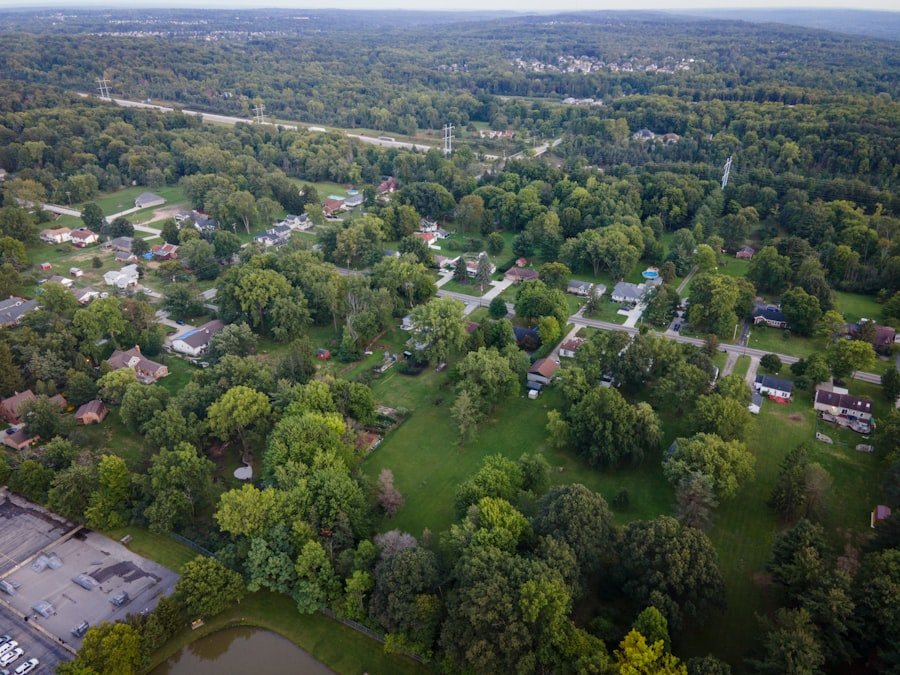
A clear vision for Parkwood Subdivision is essential for guiding its development over the coming years. This vision should reflect the aspirations of residents while addressing their concerns and needs. Engaging stakeholders in a collaborative visioning process can help identify key priorities such as enhancing green spaces, improving public transportation options, or creating more recreational facilities.
Once a vision is established, it is crucial to develop actionable goals and strategies that align with this vision. This may involve creating a comprehensive development plan that outlines specific projects and initiatives aimed at achieving desired outcomes. By setting measurable objectives and timelines, stakeholders can track progress and make necessary adjustments along the way.
Implementing Sustainable and Innovative Solutions
As Parkwood Subdivision looks toward the future, embracing sustainable practices will be vital in ensuring long-term success. Implementing green building standards for new developments can reduce environmental impact while promoting energy efficiency. Additionally, investing in renewable energy sources such as solar panels can help lower utility costs for residents while contributing to a cleaner environment.
Innovative solutions such as smart city technologies can also enhance the quality of life in Parkwood. Integrating smart traffic management systems can alleviate congestion while improving safety for pedestrians and cyclists. Furthermore, utilizing data analytics can inform decision-making processes related to resource allocation and infrastructure improvements.
Enhancing Amenities and Infrastructure
To attract new residents and businesses, Parkwood must prioritize enhancing its amenities and infrastructure. Expanding recreational facilities such as parks, sports complexes, and community centers can provide residents with opportunities for leisure and social interaction. Additionally, investing in public transportation options will improve accessibility for all residents while reducing reliance on personal vehicles.
Furthermore, upgrading existing infrastructure such as roads, sidewalks, and utilities will ensure that Parkwood remains an attractive place to live and work. Collaborating with local government agencies to secure funding for these projects will be essential in bringing these enhancements to fruition.
Promoting Economic Growth and Development
Economic growth is crucial for sustaining the vitality of Parkwood Subdivision. By fostering an environment conducive to business development, stakeholders can create job opportunities while enhancing local services. Encouraging entrepreneurship through small business grants or incubator programs can empower residents to start their own ventures while contributing to the local economy.
Additionally, attracting larger businesses or retail chains can diversify the economic landscape of Parkwood. Strategic partnerships with local chambers of commerce or economic development organizations can facilitate outreach efforts aimed at attracting new businesses to the area.
Creating a Safe and Welcoming Environment
Safety is paramount in creating a thriving community within Parkwood Subdivision. Collaborating with law enforcement agencies to implement community policing initiatives can foster trust between residents and law enforcement while addressing crime concerns effectively. Additionally, investing in well-lit public spaces and maintaining sidewalks can enhance safety for pedestrians.
Creating a welcoming environment also involves promoting inclusivity within the community. Celebrating cultural diversity through events or festivals can foster understanding among residents while creating opportunities for connection across different backgrounds.
Realizing the Future of Parkwood Subdivision
In conclusion, the future of Parkwood Subdivision holds immense promise if stakeholders work collaboratively toward shared goals. By understanding its current state, identifying potential opportunities, addressing challenges head-on, engaging with the community, developing a clear vision, implementing sustainable solutions, enhancing amenities and infrastructure, promoting economic growth, and creating a safe environment, Parkwood can realize its full potential as a vibrant suburban community. As we move forward into this exciting chapter for Parkwood Subdivision, it is essential that every resident plays an active role in shaping their neighborhood’s future.
Together, we can build a thriving community that not only meets the needs of its current residents but also attracts future generations seeking a place they can proudly call home. The journey ahead may be challenging at times; however, with determination and collaboration at its core, Parkwood Subdivision is poised to flourish into an even more remarkable place to live and thrive.
Parkwood subdivision potential is a hot topic in the real estate market, especially in the Maddington area of Western Australia. Smart Realty recently published an article urging savvy homebuyers to consider investing in properties in Maddington, such as the one located on Maddington Rd. The article highlights the potential for growth and development in the area, making it an attractive option for those looking to capitalize on Perth’s housing market. For more information on the housing market in Perth, check out Smart Realty’s article on the current housing slump and how buyers can take advantage of the market. Additionally, if you’re interested in homes with study rooms, be sure to read their article on “The Scholars’ Sanctuary” and explore the enchantment of properties that cater to those seeking a quiet space for work or study. Click here to read more about the potential of Parkwood subdivision in Maddington.
For a deeper dive, see our breakdown of Townhouses for Rent in Harrisdale: Your Perfect Home Awaits.