
Unlocking Langford’s Subdivision Potential Explained
Langford, a vibrant suburb located in the heart of Western Australia, has seen significant growth and development in recent years. As a result, understanding the zoning regulations that govern land use in this area is crucial for anyone considering property development or subdivision. Zoning regulations dictate how land can be utilized, including residential, commercial, and mixed-use designations.
These regulations are designed to ensure that development aligns with the community’s vision and maintains the character of the neighborhood. Familiarizing oneself with these rules is the first step in any successful subdivision project. The City of Langford has established a comprehensive set of zoning codes that outline permissible land uses, density requirements, and building heights.
These codes can vary significantly from one zone to another, making it essential for developers to conduct thorough research. Engaging with the local council’s planning department can provide valuable insights into specific zoning classifications and any recent changes that may affect development plans. Understanding these regulations not only helps in compliance but also aids in identifying potential opportunities for subdivision that align with the city’s growth objectives.
Key Takeaways
- Understanding Langford’s Zoning Regulations:
- Familiarize yourself with Langford’s zoning regulations to understand the limitations and requirements for subdivision development.
- Assessing the Land for Subdivision Potential:
- Conduct a thorough assessment of the land to determine its potential for subdivision, considering factors such as size, shape, topography, and access.
- Engaging with Local Planning Authorities:
- Establish communication with local planning authorities to understand the subdivision process, regulations, and requirements in Langford.
- Conducting a Feasibility Study:
- Perform a feasibility study to assess the financial, logistical, and market viability of the subdivision project in Langford.
- Identifying Infrastructure Requirements:
- Identify and plan for necessary infrastructure such as roads, utilities, and drainage to support the subdivision development in Langford.
Assessing the Land for Subdivision Potential
Once the zoning regulations are understood, the next step is to assess the land for its subdivision potential. This involves evaluating various factors such as topography, soil quality, and existing infrastructure.
A thorough land assessment will reveal whether the property can accommodate the desired number of lots while adhering to local zoning laws.
Additionally, it is essential to consider the land’s accessibility to amenities such as schools, parks, and shopping centers, as these factors significantly influence property values. Conducting a detailed site analysis is crucial in this phase. This includes examining the land’s physical characteristics, such as drainage patterns and vegetation, which can impact development plans.
Engaging professionals such as land surveyors and environmental consultants can provide a clearer picture of the land’s capabilities and limitations. By understanding these elements, developers can make informed decisions about how to proceed with their subdivision plans, ensuring that they maximize the land’s potential while minimizing risks.
Engaging with Local Planning Authorities
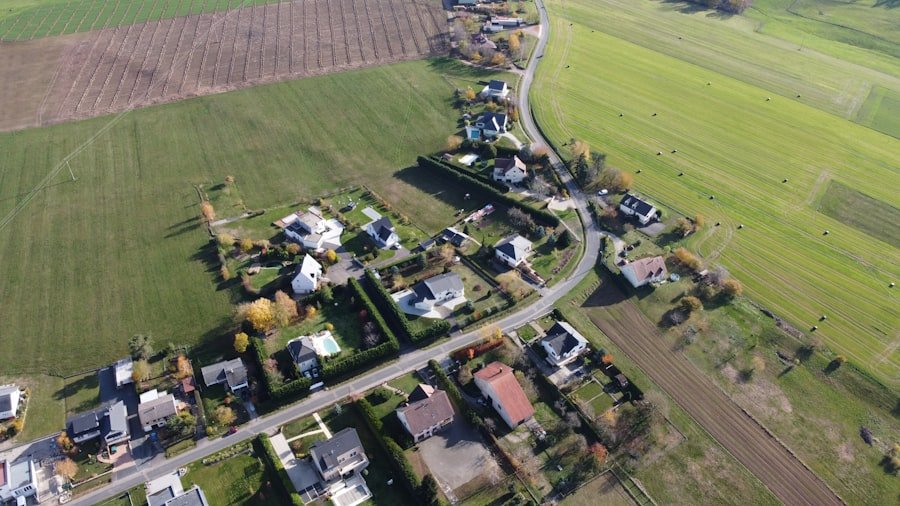
Engaging with local planning authorities is a vital step in the subdivision process. Establishing a good relationship with these entities can facilitate smoother approvals and provide insights into community expectations. Local councils often have specific guidelines and requirements that must be met before a subdivision application can be considered.
By proactively communicating with planning officials, developers can gain clarity on these requirements and address any concerns early in the process. Moreover, local planning authorities can offer valuable feedback on proposed subdivision designs. They may highlight potential issues or suggest modifications that could enhance the project’s viability.
This collaborative approach not only helps in navigating the regulatory landscape but also demonstrates a commitment to community engagement and responsible development. By working closely with local authorities, developers can ensure that their projects align with broader urban planning goals and contribute positively to the community.
Conducting a Feasibility Study
| Feasibility Study Metrics | Value |
|---|---|
| Market Analysis | Positive |
| Technical Feasibility | High |
| Financial Viability | Positive |
| Risk Assessment | Low |
Conducting a feasibility study is an essential step in determining whether a subdivision project is viable. This study evaluates various aspects of the project, including financial projections, market demand, and potential return on investment. A comprehensive feasibility study will analyze costs associated with land acquisition, development expenses, and ongoing maintenance, providing a clear picture of the project’s financial landscape.
In addition to financial considerations, a feasibility study should also assess market conditions and demand for new housing in Langford. Understanding demographic trends and buyer preferences can inform decisions about lot sizes, pricing strategies, and marketing approaches. By conducting a thorough feasibility study, developers can identify potential challenges and opportunities, allowing them to make informed decisions about moving forward with their subdivision plans.
Identifying Infrastructure Requirements
Identifying infrastructure requirements is a critical component of any subdivision project. Adequate infrastructure is essential for supporting new developments and ensuring that residents have access to necessary services such as water, electricity, sewage systems, and roads. Developers must assess existing infrastructure capacity and determine whether upgrades or new installations are needed to accommodate additional lots.
Engaging with utility providers and local government agencies early in the process can help identify infrastructure needs and associated costs. This collaboration ensures that developers are aware of any potential challenges related to service provision and can plan accordingly. Additionally, understanding infrastructure requirements allows developers to create a more attractive product for potential buyers by ensuring that all necessary services are readily available.
Developing a Subdivision Plan

Once all preliminary assessments have been completed, it is time to develop a subdivision plan. This plan outlines the layout of the proposed lots, including their sizes, shapes, and access points. A well-designed subdivision plan takes into account not only zoning regulations but also environmental considerations and community aesthetics.
It should create a cohesive neighborhood that enhances the overall appeal of the area. In developing the subdivision plan, it is essential to consider factors such as traffic flow, pedestrian access, and green spaces. Incorporating parks or communal areas can significantly enhance the attractiveness of the development while promoting community engagement.
Collaborating with urban planners or architects can provide valuable insights into creating an efficient and appealing layout that meets both regulatory requirements and market demands.
Obtaining Necessary Permits and Approvals
Obtaining necessary permits and approvals is a crucial step in bringing a subdivision project to fruition. This process often involves submitting detailed plans to local authorities for review and approval. Depending on the complexity of the project, this may include environmental assessments, traffic studies, and public consultations.
Navigating this bureaucratic landscape can be challenging; however, it is essential for ensuring compliance with local laws and regulations. Developers should be prepared for potential delays during this phase as local councils may require additional information or modifications to proposed plans. Maintaining open lines of communication with planning officials can help expedite this process and address any concerns promptly.
Once all necessary permits are secured, developers can confidently move forward with their subdivision project.
Marketing and Selling Subdivided Lots
With permits in hand and development underway, attention turns to marketing and selling subdivided lots. A well-crafted marketing strategy is essential for attracting potential buyers and maximizing sales prices. This strategy should highlight the unique features of the development, such as its location, amenities, and community benefits.
Utilizing various marketing channels—such as online listings, social media campaigns, and traditional advertising—can help reach a broader audience. Additionally, hosting open houses or community events can create buzz around the development and allow potential buyers to experience the neighborhood firsthand. By effectively marketing subdivided lots, developers can ensure a successful sales process that meets their financial goals.
Managing Construction and Development
Managing construction and development is a critical aspect of bringing a subdivision project to life. This phase involves coordinating various contractors, suppliers, and tradespeople to ensure that work progresses according to schedule and budget. Effective project management requires strong organizational skills and attention to detail to address any issues that may arise during construction.
Regular site inspections are essential for monitoring progress and ensuring compliance with safety standards and building codes. Developers should also maintain open communication with contractors to address any challenges promptly. By effectively managing construction efforts, developers can ensure that their subdivision project is completed on time and meets quality expectations.
Addressing Environmental and Conservation Considerations
Addressing environmental and conservation considerations is increasingly important in today’s development landscape. Developers must be mindful of their impact on local ecosystems and strive to minimize any negative effects associated with their projects. This may involve conducting environmental assessments to identify sensitive areas or species that need protection during construction.
Incorporating sustainable practices into subdivision design can enhance its appeal while demonstrating a commitment to environmental stewardship. This could include preserving natural habitats, implementing stormwater management systems, or utilizing energy-efficient building materials. By prioritizing environmental considerations, developers can create subdivisions that not only meet regulatory requirements but also contribute positively to the surrounding community.
Navigating Legal and Financial Considerations
Navigating legal and financial considerations is an integral part of any subdivision project. Developers must ensure compliance with all relevant laws and regulations while also managing financial risks associated with land acquisition and development costs. Engaging legal counsel experienced in property law can provide valuable guidance throughout this process.
Additionally, securing financing for subdivision projects often requires careful planning and negotiation with lenders or investors. Developers should prepare detailed financial projections that outline expected costs, revenues, and timelines to present to potential financiers. By addressing legal and financial considerations proactively, developers can mitigate risks and position themselves for success in their subdivision endeavors.
In conclusion, successfully navigating the complexities of property subdivision in Langford requires careful planning, thorough research, and proactive engagement with local authorities. By understanding zoning regulations, assessing land potential, conducting feasibility studies, identifying infrastructure needs, developing comprehensive plans, obtaining necessary permits, marketing effectively, managing construction diligently, addressing environmental concerns responsibly, and navigating legal considerations wisely, developers can create thriving communities that enhance Langford’s appeal while achieving their financial goals.
The Langford subdivision potential is an exciting opportunity for property investors looking to capitalize on the growing real estate market in Perth. For more information on the current state of the Perth real estate market, check out this article. Additionally, if you are searching for an estate agent near Langford to help you navigate this potential subdivision, you can find one with the help of this resource. And for those specifically interested in the Emery Cove area in Gosnells, WA, this article provides valuable insights into the local property market.
Curious about property management? Start with Affordable Property Management Services in Dianella and trusted property management professionals.