
Subiaco village living is usually described in terms of what is within walking distance. That is fair, because walkability is the defining feature. From most streets in the older part of the suburb you can reach a supermarket, a pharmacy, a train station, a park and half a dozen cafes without moving the car.
The suburb sits just west of the Perth CBD, bounded broadly by the railway line, Thomas Street and the western edge near Shenton Park. It developed early, so the street grid is tight and the housing stock is old by Perth standards. That combination produces a lifestyle that feels closer to an inner-city neighbourhood than a suburban one.
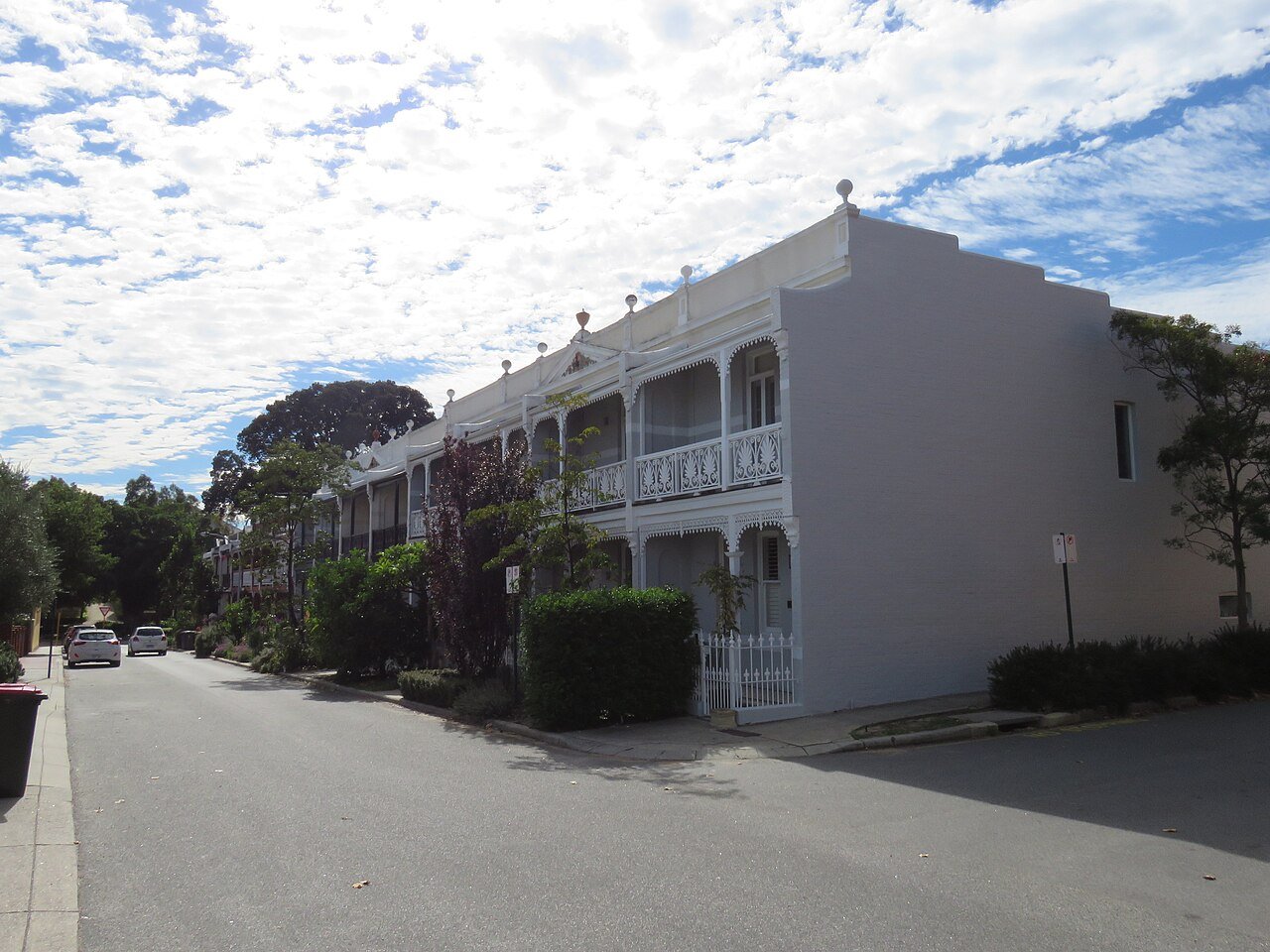
A walk through what Subiaco village living offers
Start at the Rokeby Road spine. This is where the retail and dining concentrate, and it has recovered much of its energy in recent years after a quieter stretch. Saturday mornings are busy, weekday evenings are steady, and the mix leans toward independent operators rather than national chains.
Move one street back and the character changes immediately. Tree-lined residential streets hold federation-era cottages, larger interwar homes and a growing number of townhouse developments on subdivided blocks. The transition from commercial to residential is abrupt in the best way, which is why the inner streets command such strong interest.
The train station anchors the northern edge. Subiaco station puts the CBD two stops away, and the connecting bus network along the main arterials fills the gaps. For households that want one car instead of two, this is one of the few Perth suburbs where that is genuinely workable.
Parks and open space are well distributed. The larger reserves sit within easy reach, and the smaller local parks give the suburb a greener feel than its density suggests. Schools, both public and private, are a major draw for families moving in from further out.
The practical checks buyers should make
Older suburbs reward careful inspection. Before you commit, work through the following:
- Heritage overlays and local planning controls, which can restrict alterations on character homes.
- Structural condition of older dwellings, particularly foundations, damp courses and roof coverings.
- Whether the property is on a strata title or survey strata arrangement, since the rules and costs differ.
- Parking arrangements, because driveway access on narrow lots is genuinely tight.
- Noise on streets close to the commercial strip, especially on weekend evenings.
Renovation potential is one of the main reasons buyers choose this area, but the cost of restoring an older home is easy to underestimate. Our guide to renovating before selling sets out how to judge whether the work will return more than it costs.
Who this suburb suits
Professionals who work in the CBD and value their time over their floor area settle here easily. So do downsizers who want to keep a garden but lose the second car, and families who prioritise established schools over a new build.
Buyers who need a large block, a wide driveway and a quiet cul-de-sac will find the trade-offs harder. In that case, comparing against apartment versus house trade-offs across the metro area can clarify what you are actually giving up.
The other consideration is how much the suburb has already been discovered. Prices in the inner streets reflect the walkability premium, so buyers arrive with high expectations of capital growth that the market has largely already delivered. Treat the lifestyle as the return, and the capital growth as a bonus rather than the plan.
If Subiaco village living is where you are heading, Smart Realty can help you read the specific street rather than the suburb average. Thinking of buying here? We know these streets block by block.