
Key Facts About Starbucks to Close Stores: Impact on Coffee Industry
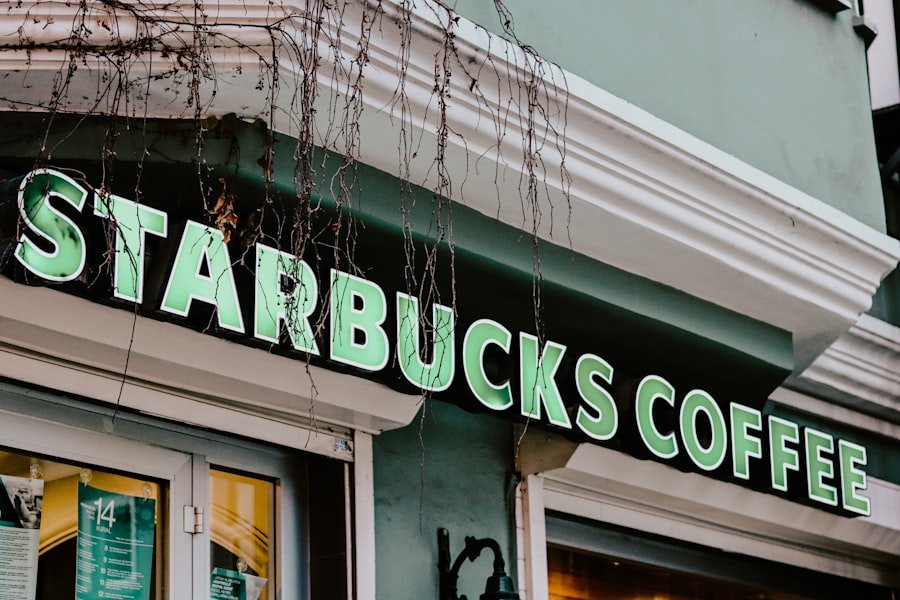
In recent years, the coffee giant Starbucks has made headlines not only for its innovative beverages and global expansion but also for its decision to close several stores across various locations. This move has sparked discussions among industry experts, coffee enthusiasts, and local communities alike. While Starbucks has long been synonymous with coffee culture, the closures signal a shift in the landscape of the coffee industry, raising questions about the future of both the brand and its competitors.
As we delve into the reasons behind these closures, we will explore their implications on local coffee shops, suppliers, farmers, and consumer behavior, ultimately painting a picture of what lies ahead for the coffee industry. The closures are not merely a reflection of a struggling business model; they represent a strategic recalibration in response to evolving market dynamics. As consumer preferences shift and economic conditions fluctuate, even a titan like Starbucks must adapt to maintain its position at the forefront of the coffee sector.
Understanding the motivations behind these decisions is crucial for stakeholders across the board, from small business owners to large-scale suppliers. The ripple effects of Starbucks’ actions will undoubtedly shape the future of coffee consumption and production.
Key Takeaways
- Starbucks is closing stores as part of a strategic shift in response to changing consumer behavior and market dynamics.
- Starbucks’ dominance in the coffee industry has led to a saturation of stores, prompting the need for closures.
- The decision to close stores is driven by factors such as changing consumer preferences, increased competition, and the impact of the COVID-19 pandemic.
- Local coffee shops may benefit from Starbucks closures as they can capture a larger market share and offer a more personalized experience.
- Coffee suppliers may need to diversify their client base and adapt to the changing demands of the industry to mitigate the impact of Starbucks store closures.
Starbucks’ Dominance in the Coffee Industry
Starbucks has established itself as a formidable force in the coffee industry since its inception in 1971. With over 30,000 stores worldwide, it has become a cultural icon, representing not just coffee but a lifestyle choice for millions. The brand’s success can be attributed to its commitment to quality, innovation, and customer experience.
From introducing seasonal beverages to creating a cozy atmosphere in its stores, Starbucks has consistently set trends that others strive to emulate. Moreover, Starbucks has successfully cultivated a loyal customer base that values not only the product but also the brand’s ethos. Its emphasis on ethical sourcing and sustainability resonates with consumers who are increasingly conscious of their purchasing decisions.
This dominance has allowed Starbucks to command significant market share and influence over coffee culture globally. However, as the company faces challenges that necessitate store closures, it raises questions about how this giant will maintain its relevance in an ever-evolving market.
Reasons Behind Starbucks’ Decision to Close Stores

The decision to close stores is often multifaceted, influenced by various internal and external factors. One primary reason for Starbucks’ recent closures is the changing landscape of consumer behavior. The COVID-19 pandemic accelerated shifts toward remote work and online shopping, leading to decreased foot traffic in urban areas where many Starbucks locations thrive.
As people adapted to new routines, the demand for on-the-go coffee diminished, prompting the company to reassess its physical presence. Additionally, economic pressures such as rising operational costs and supply chain disruptions have played a significant role in this decision-making process. The cost of labor, rent, and raw materials has surged in recent years, making it increasingly challenging for Starbucks to maintain profitability in certain locations.
By closing underperforming stores, Starbucks can streamline operations and focus on areas with higher potential for growth. This strategic approach allows the company to allocate resources more effectively while ensuring that it remains competitive in a saturated market.
Impact on Local Coffee Shops
| City | Number of Local Coffee Shops | Percentage Decrease in Sales |
|---|---|---|
| New York | 300 | 40% |
| San Francisco | 150 | 30% |
| Seattle | 200 | 25% |
The closure of Starbucks locations can have profound implications for local coffee shops and independent cafes. In many neighborhoods, Starbucks serves as a benchmark for coffee quality and customer service. When a Starbucks store closes, it can create an opportunity for local businesses to fill the void left behind.
However, this transition is not always seamless; local coffee shops may struggle to attract customers who were previously loyal to the convenience and familiarity of Starbucks. Moreover, the presence of Starbucks often influences consumer expectations regarding pricing and product offerings. Local coffee shops may find it challenging to compete with Starbucks’ extensive menu and marketing prowess.
However, this situation also presents an opportunity for local businesses to differentiate themselves by emphasizing unique offerings, personalized service, and community engagement. As consumers seek alternatives to mainstream brands, local coffee shops can leverage their authenticity and connection to the community to carve out their niche in the market.
Impact on Coffee Suppliers
Starbucks’ store closures also reverberate through its supply chain, affecting coffee suppliers who rely on consistent orders from the company. As one of the largest purchasers of coffee globally, any reduction in Starbucks’ demand can have significant consequences for suppliers. This impact is particularly pronounced for smaller suppliers who may not have diversified their client base or developed relationships with other major retailers.
In response to these changes, suppliers may need to adapt their strategies by seeking new partnerships or exploring alternative markets. The closures could prompt suppliers to innovate their product offerings or invest in direct-to-consumer models that bypass traditional retail channels. As the industry evolves, suppliers must remain agile and responsive to shifts in demand while maintaining quality standards that align with consumer expectations.
Impact on Coffee Farmers
At the root of the coffee supply chain are the farmers who cultivate the beans that fuel the industry. Starbucks has long championed ethical sourcing practices through initiatives like Coffee and Farmer Equity (C.A.F.E.) Practices, which aim to ensure fair compensation and sustainable farming practices. However, when major retailers like Starbucks reduce their orders due to store closures or changing consumer preferences, it can create instability for farmers who depend on consistent demand.
The impact on farmers can be particularly severe in regions where coffee is a primary cash crop. Fluctuations in demand can lead to price volatility, making it difficult for farmers to plan for their livelihoods. In response to these challenges, farmers may need to diversify their crops or explore alternative markets that offer more stability.
Additionally, fostering direct relationships with consumers through farmer cooperatives or specialty coffee brands can help mitigate some of the risks associated with reliance on large retailers.
Potential Shift in Consumer Behavior
As Starbucks navigates its store closures and adapts to changing market conditions, consumer behavior is likely to evolve as well. The pandemic has already shifted how people view coffee consumption; many have embraced home brewing or sought out local alternatives that offer unique flavors and experiences. This trend may continue as consumers become more discerning about their coffee choices and prioritize quality over convenience.
Moreover, there is a growing interest in sustainability and ethical sourcing among consumers. As awareness of environmental issues increases, many individuals are seeking brands that align with their values. This shift could lead consumers away from large chains like Starbucks toward smaller roasters or cafes that prioritize transparency and sustainability in their sourcing practices.
As a result, businesses that can effectively communicate their commitment to ethical practices may find themselves well-positioned to capture this evolving consumer sentiment.
Future of the Coffee Industry
The future of the coffee industry is poised for transformation as it grapples with challenges stemming from both internal dynamics and external pressures. While Starbucks remains a dominant player, its recent store closures signal a need for adaptation in an increasingly competitive landscape. The rise of specialty coffee shops and direct-to-consumer models suggests that consumers are seeking more personalized experiences that go beyond what traditional chains offer.
Additionally, technological advancements are reshaping how consumers interact with coffee brands. From mobile ordering apps to subscription services that deliver freshly roasted beans directly to consumers’ doors, innovation is driving change across the industry. As companies embrace digital transformation and leverage data analytics to understand consumer preferences better, they will be better equipped to navigate shifting market dynamics.
Strategies for Surviving in a Changing Market
For businesses operating within the coffee industry, survival hinges on adaptability and innovation. Companies must be willing to reassess their business models and explore new avenues for growth. This may involve diversifying product offerings or enhancing customer engagement through loyalty programs and personalized marketing strategies.
Moreover, fostering strong relationships with suppliers and farmers can create a more resilient supply chain that withstands fluctuations in demand. By prioritizing transparency and ethical sourcing practices, businesses can build trust with consumers who are increasingly concerned about sustainability issues. Emphasizing community engagement through local partnerships or events can also help businesses differentiate themselves from larger competitors while fostering brand loyalty.
Opportunities for New Players in the Industry
While established brands like Starbucks face challenges in adapting to changing market conditions, new players entering the coffee industry have unique opportunities at their disposal. With consumers increasingly seeking authentic experiences and high-quality products, niche brands that focus on specialty coffees or unique brewing methods can carve out their space in the market. Additionally, as remote work becomes more prevalent, there is potential for innovative concepts such as mobile coffee carts or pop-up cafes that cater to specific communities or events.
By leveraging social media platforms for marketing and building strong online presences, new entrants can connect with consumers directly and create buzz around their offerings.
Navigating the Changing Landscape of the Coffee Industry
As we reflect on Starbucks’ recent store closures and their implications for the broader coffee industry, it becomes clear that adaptability is key to survival in this dynamic landscape. While established players face challenges from shifting consumer preferences and economic pressures, new opportunities abound for those willing to innovate and embrace change. The future of coffee will likely be shaped by a combination of established brands refining their strategies and new entrants disrupting traditional models.
By prioritizing quality, sustainability, and community engagement, businesses can navigate this evolving landscape while meeting the demands of discerning consumers who seek more than just a cup of coffee—they seek an experience that resonates with their values and lifestyle choices. As we move forward into this new era of coffee consumption, collaboration among all stakeholders—from farmers to retailers—will be essential in creating a sustainable future for this beloved beverage.
In recent years, Starbucks has been strategically closing some of its stores, a move that has sparked discussions about the evolving landscape of retail and real estate. This trend is not isolated to Starbucks alone, as many businesses are reevaluating their physical footprints in response to changing consumer behaviors and economic pressures. For those interested in how these shifts impact local real estate markets, an insightful article can be found on Smart Realty’s website. It discusses the dynamics of home selling in the current market, which can be influenced by such retail changes. You can read more about it by visiting this article on home sellers.
See also Local Real Estate Expert Lockridge: Your Key to Property Success, Forrestdale Real Estate Experts: Your Key to Property Success and Expert Property Leasing Agents in Wattle Grove: Your Key to Finding th for practical next steps.