
Why Seville Grove Property Maintenance Tips for Landlords: Keep Your Investment in Top Shape Matters
Regular maintenance is the cornerstone of property management, serving as a proactive approach to preserving the value and functionality of a property. It is not merely a task to be completed; it is an ongoing commitment that ensures the longevity of the structure and the satisfaction of its occupants. By investing time and resources into regular maintenance, property owners can prevent minor issues from escalating into costly repairs, thereby safeguarding their investment.
Moreover, a well-maintained property enhances tenant satisfaction, leading to longer lease terms and reduced turnover rates. In the competitive real estate market, properties that are consistently maintained stand out. They attract quality tenants who appreciate a clean, functional living environment.
Regular maintenance not only preserves the aesthetic appeal of a property but also contributes to its overall market value. When potential buyers or renters see a property that has been cared for, they are more likely to perceive it as a worthwhile investment. Thus, regular maintenance is not just about upkeep; it is a strategic approach to maximizing property value and ensuring tenant retention.
Key Takeaways
- Regular maintenance is crucial for preserving the value and functionality of a property.
- Exterior maintenance tips include regular inspection of the roof, gutters, and siding, as well as power washing and painting as needed.
- Interior maintenance tips involve checking for leaks, inspecting and cleaning HVAC systems, and addressing any mold or mildew issues promptly.
- Landscaping and garden maintenance should include regular mowing, weeding, and pruning, as well as seasonal fertilization and pest control.
- Plumbing and electrical maintenance involves checking for leaks, testing outlets and switches, and scheduling regular inspections by licensed professionals.
Exterior Maintenance Tips
The exterior of a property is the first impression it makes on visitors and potential tenants. Therefore, maintaining the exterior is crucial for both aesthetic appeal and structural integrity. One of the most important aspects of exterior maintenance is regular inspections of the roof, gutters, and siding.
These components are often exposed to harsh weather conditions and can deteriorate over time. Regularly cleaning gutters and downspouts prevents water damage and mold growth, while inspecting the roof for missing shingles or leaks can save property owners from expensive repairs down the line. Additionally, maintaining the exterior paint and finishes is essential for protecting the underlying materials from moisture and decay.
A fresh coat of paint not only enhances curb appeal but also acts as a barrier against the elements. Furthermore, ensuring that windows and doors are properly sealed can improve energy efficiency, reducing heating and cooling costs for tenants. By prioritizing exterior maintenance, property owners can create an inviting atmosphere that attracts quality tenants while preserving the property’s value.
Interior Maintenance Tips
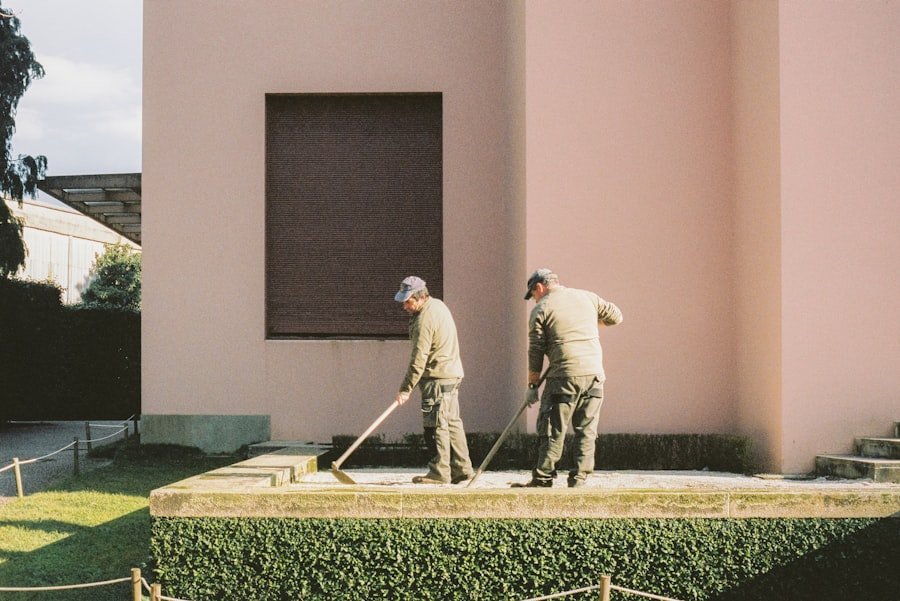
While exterior maintenance is vital, interior maintenance is equally important in ensuring a property remains livable and appealing. Regularly checking for signs of wear and tear, such as peeling paint, damaged flooring, or outdated fixtures, allows property owners to address issues before they become significant problems. A well-maintained interior not only enhances tenant comfort but also reflects positively on the property owner’s reputation.
One effective strategy for interior maintenance is to establish a routine schedule for deep cleaning and inspections. This includes checking appliances, plumbing fixtures, and electrical systems for functionality. Additionally, addressing minor repairs promptly—such as fixing leaky faucets or squeaky doors—can prevent more extensive damage in the future.
By maintaining a clean and functional interior, property owners can ensure tenant satisfaction and encourage long-term leases.
Landscaping and Garden Maintenance
| Service | Frequency | Cost |
|---|---|---|
| Lawn mowing | Weekly | 40 per visit |
| Hedge trimming | Monthly | 100 per session |
| Weed control | Bi-weekly | 60 per visit |
| Planting flowers | Seasonal | Varies |
Landscaping plays a crucial role in enhancing the overall appeal of a property.
Regular landscaping maintenance involves mowing lawns, trimming hedges, and ensuring that flower beds are free from weeds.
These tasks may seem simple, but they significantly contribute to creating an inviting atmosphere for tenants and visitors alike. Moreover, incorporating sustainable landscaping practices can further enhance a property’s appeal while being environmentally friendly. This includes using native plants that require less water and maintenance or installing drip irrigation systems to conserve water.
By investing in landscaping maintenance, property owners can create outdoor spaces that tenants enjoy using, ultimately increasing tenant satisfaction and retention.
Plumbing and Electrical Maintenance
Plumbing and electrical systems are critical components of any property, and their maintenance should never be overlooked. Regular inspections of plumbing systems can help identify leaks or blockages before they escalate into major issues. Property owners should also ensure that all plumbing fixtures are functioning correctly and that water pressure is adequate throughout the property.
By addressing plumbing issues promptly, property owners can prevent water damage and costly repairs. Similarly, electrical systems require regular attention to ensure safety and functionality. Property owners should schedule routine inspections to check for outdated wiring, faulty outlets, or malfunctioning circuit breakers.
Ensuring that smoke detectors are operational and that electrical panels are up to code is essential for tenant safety. By prioritizing plumbing and electrical maintenance, property owners can provide a safe living environment while protecting their investment.
HVAC System Maintenance

The heating, ventilation, and air conditioning (HVAC) system is vital for tenant comfort throughout the year. Regular maintenance of HVAC systems not only ensures optimal performance but also extends their lifespan. Property owners should schedule annual inspections by qualified technicians to check for issues such as refrigerant leaks or dirty filters.
A well-maintained HVAC system operates more efficiently, leading to lower energy costs for tenants. In addition to professional inspections, property owners can encourage tenants to participate in basic HVAC maintenance by changing filters regularly and keeping vents clear of obstructions. Educating tenants about the importance of HVAC maintenance fosters a collaborative relationship between property owners and tenants while ensuring that the system remains in good working order.
By prioritizing HVAC maintenance, property owners can enhance tenant comfort and satisfaction.
Regular Inspections and Repairs
Conducting regular inspections is an essential aspect of effective property management. These inspections allow property owners to identify potential issues before they become significant problems. Establishing a routine inspection schedule—whether quarterly or biannually—enables property owners to assess both the interior and exterior of the property thoroughly.
During these inspections, property owners should look for signs of wear and tear, such as cracks in walls or ceilings, water stains, or pest infestations. Promptly addressing any issues identified during inspections is crucial for maintaining tenant satisfaction and protecting the property’s value. Whether it involves minor repairs or more extensive renovations, taking action quickly demonstrates a commitment to maintaining a high-quality living environment for tenants.
Regular inspections not only help preserve the property’s condition but also foster open communication between property owners and tenants regarding maintenance needs.
Tips for Finding Reliable Contractors
Finding reliable contractors for maintenance tasks can be challenging but is essential for ensuring quality work. Property owners should start by seeking recommendations from trusted sources such as friends, family, or other property managers. Online reviews and ratings can also provide valuable insights into a contractor’s reputation and reliability.
Once potential contractors have been identified, property owners should conduct thorough interviews to assess their qualifications and experience. Requesting references from previous clients can help gauge their reliability and quality of work. Additionally, obtaining multiple quotes allows property owners to compare pricing while ensuring they receive fair value for services rendered.
By taking the time to find reliable contractors, property owners can ensure that maintenance tasks are completed efficiently and effectively.
Budgeting for Maintenance Costs
Budgeting for maintenance costs is a critical aspect of successful property management. Property owners should allocate a specific percentage of their rental income toward maintenance expenses to ensure they are prepared for both routine upkeep and unexpected repairs.
Creating a detailed budget allows property owners to track expenses effectively and identify areas where they may need to adjust their spending. Additionally, having a contingency fund for emergency repairs can provide peace of mind in case unexpected issues arise. By proactively budgeting for maintenance costs, property owners can ensure that their properties remain in excellent condition while avoiding financial strain.
Tenant Communication and Expectations
Effective communication with tenants is essential for successful property management. Property owners should establish clear expectations regarding maintenance responsibilities from the outset of the tenancy. Providing tenants with guidelines on how to report maintenance issues promptly ensures that problems are addressed quickly before they escalate.
Regular communication with tenants also fosters a positive relationship between landlords and renters. Property owners should encourage open dialogue about any concerns or suggestions tenants may have regarding maintenance or improvements to the property. By actively engaging with tenants, property owners can create a sense of community while ensuring that their properties remain well-maintained.
Legal Responsibilities and Obligations
Property owners have legal responsibilities regarding maintenance under various laws and regulations governing rental properties. Familiarizing themselves with local housing codes and regulations ensures that property owners remain compliant while providing safe living conditions for tenants. This includes adhering to standards related to plumbing, electrical systems, heating, ventilation, and overall habitability.
Failure to meet these legal obligations can result in significant consequences for property owners, including fines or legal action from tenants or regulatory agencies. Therefore, it is crucial for property owners to stay informed about their legal responsibilities regarding maintenance and repairs. By prioritizing compliance with housing laws, property owners can protect themselves legally while providing quality living environments for their tenants.
In conclusion, regular maintenance is an integral part of successful property management that requires attention to detail across various aspects of a property—from exterior upkeep to plumbing systems and tenant communication. By prioritizing these elements, property owners can enhance tenant satisfaction while preserving their investment’s value over time.
For landlords looking to maintain their properties in Seville Grove, it’s essential to stay informed about the broader real estate market trends, which can impact property values and rental demand. An insightful article that complements these maintenance tips is this piece on whether it’s a good time to buy a house in Perth. Understanding the current market conditions in Perth can help landlords make informed decisions about property investments and maintenance priorities, ensuring their properties remain competitive and well-maintained in the evolving market landscape.
FAQs
What are some important property maintenance tips for landlords in Seville Grove?
Some important property maintenance tips for landlords in Seville Grove include regular inspections, addressing maintenance issues promptly, keeping the property clean and well-maintained, and ensuring that all appliances and systems are in good working condition.
How often should landlords conduct property inspections in Seville Grove?
Landlords in Seville Grove should conduct property inspections at least every 3-6 months to ensure that the property is being well-maintained and to address any maintenance issues promptly.
What are some common maintenance issues that landlords in Seville Grove should be aware of?
Common maintenance issues that landlords in Seville Grove should be aware of include plumbing problems, electrical issues, HVAC system maintenance, pest control, and general wear and tear on the property.
What are the benefits of regular property maintenance for landlords in Seville Grove?
Regular property maintenance for landlords in Seville Grove can help to preserve the value of the property, reduce the risk of major repairs, attract and retain tenants, and ensure a safe and comfortable living environment for tenants.
How can landlords in Seville Grove ensure that their property is well-maintained?
Landlords in Seville Grove can ensure that their property is well-maintained by hiring reliable contractors for repairs and maintenance, providing clear guidelines for tenants on property care, and staying proactive in addressing any maintenance issues that arise.
We also recommend reading our take on Guidance on selecting secure digital signing platforms for r for additional perspective.