
Secret Harbour family living buys three things that rarely turn up together: a beach at the end of the street, blocks wide enough for a pool, and quiet roads where children can ride to a friend’s house. It also asks something in return, and that something is time in the car.
Whether that trade works comes down to where the household earns its money, not to how the suburb looks on a Saturday morning.
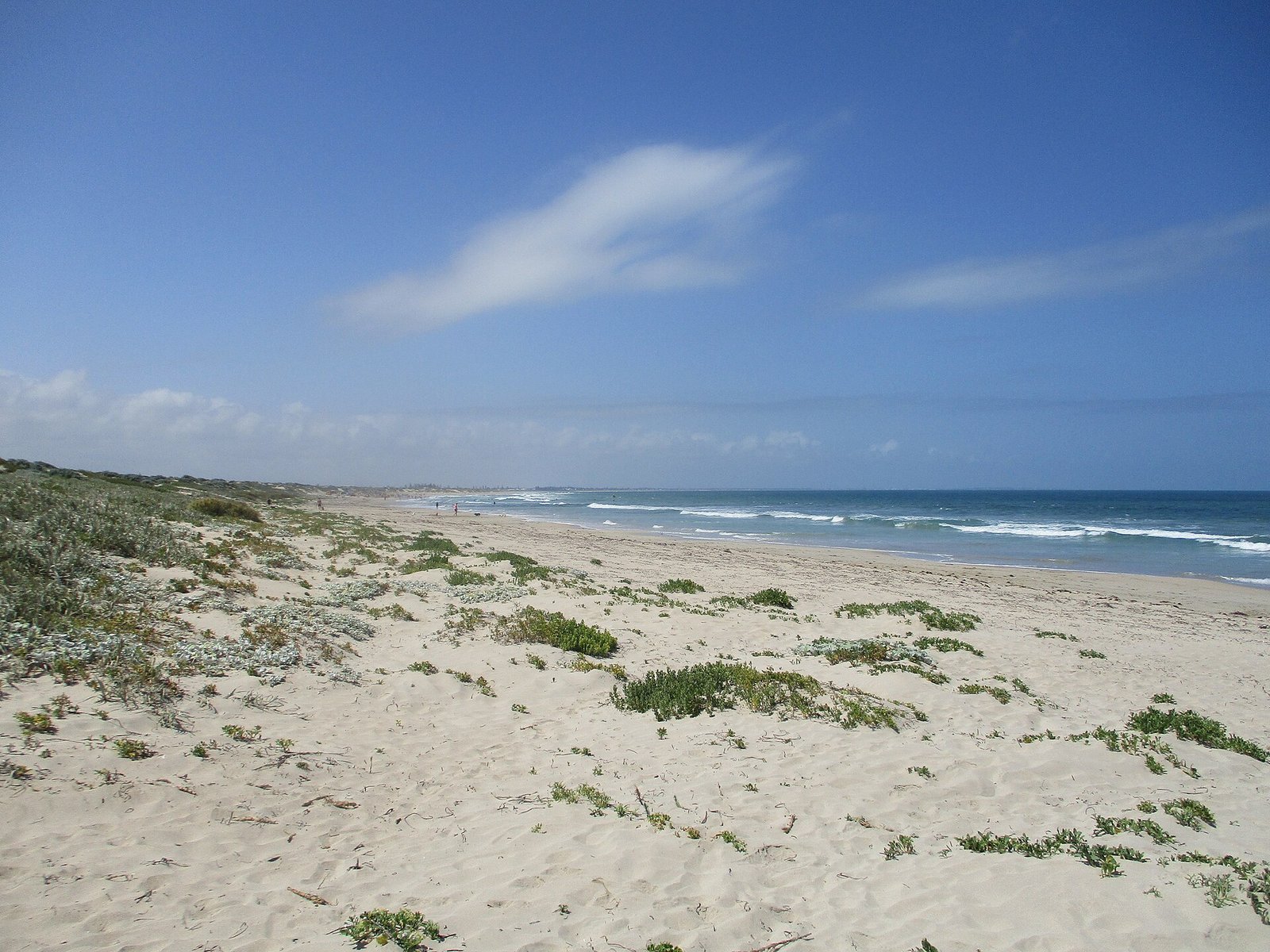
Why Secret Harbour family living appeals to younger households
The housing stock sets the tone. Most of the suburb was built for families, so single storey four bedroom homes on generous blocks are the norm rather than the exception. Side access is common, which means a trailer or a boat can live somewhere other than the front lawn.
The coastline is the second draw. Swimming, fishing and a dog walk all happen within minutes of most houses. Compared with the northern beaches, the sand here tends to feel less crowded on a Sunday afternoon, and parking near the water is rarely a drama.
The commute, weighed honestly
Secret Harbour is not close to Perth. The freeway run north is long in peak hour, and catching the train means getting to Warnbro or Mandurah first. A household where both parents work in the CBD should test that routine twice before committing to anything.
In practice, many families here have one parent working locally, one working FIFO, or both working in Rockingham and Mandurah. When the daily trip is short, the trade is easy and the maths works in the suburb’s favour.
Schools and the morning routine
Primary schools sit inside the suburb and secondary students generally travel a short distance. The shopping centre covers groceries and the everyday list. Anything specialist means a drive, so it helps to know which direction you will be heading each week.
- Confirm the school catchment before you make an offer, not after.
- Drive the route at eight in the morning on a weekday.
- Check which way the living areas face for afternoon sun.
- Ask how old the roof and the air conditioning are.
What your money buys in each pocket
Streets closest to the golf course and the beach carry the strongest appeal, and they price accordingly. Newer pockets further inland offer more house and more land for the same budget, but the walk to the sand becomes a drive.
Neither choice is wrong. It comes down to how often the beach is actually used. A family that swims four times a week gets value from proximity. A family that visits twice a summer is paying for a view of somebody else’s lifestyle.
What to check before you commit
Coastal homes age differently from inland ones, so look at maintenance rather than styling. Roof condition, window frames, render and outdoor air conditioning units tell you more than fresh paint and staged furniture ever will.
It also pays to walk the street in the evening. Noise from the highway, the breeze at dusk and how neighbours use their front yards are the details no listing photograph will show you.
For the suburbs either side, our Rockingham family living guide and Wellard family living guide cover the same coastline from different angles.
Running the numbers before you commit
Two costs catch buyers out here. The first is insurance, which reflects coastal exposure and differs meaningfully between one street and the next. The second is cooling, because a large single storey home on an open block works hard in February.
Ask for recent utility accounts and a current insurance quote on the specific property before you sign. Those two figures change the affordability of a house more than a slightly better interest rate ever will.
If you are looking for a home in Secret Harbour, Smart Realty can help you move with confidence and point you to the streets that suit your household. Selling instead? A free appraisal will show where your home sits, and you can book one here.