
The real estate market in Western Australia has long been a dynamic and evolving landscape, characterized by its unique geographical features and economic drivers. With a diverse range of properties, from coastal homes to urban apartments, the market caters to a variety of buyers and investors. Perth, the capital city, serves as the focal point of this market, boasting a robust economy fueled by industries such as mining, agriculture, and tourism.
The region’s natural beauty, combined with a relatively low cost of living compared to other major Australian cities, makes it an attractive destination for both residents and investors alike. In recent years, the Western Australian real estate market has experienced fluctuations influenced by various economic factors. After a period of downturn following the mining boom, the market has shown signs of recovery, with increased demand for housing and a gradual rise in property prices.
This resurgence is indicative of a resilient market that continues to adapt to changing economic conditions. As we delve deeper into the current trends and developments, it becomes evident that Western Australia remains a key player in the national real estate landscape.
Key Takeaways
- The real estate market in Western Australia is experiencing steady growth, with a focus on sustainable and eco-friendly practices.
- Current trends in the Western Australian real estate market include an increase in demand for properties in emerging neighborhoods and suburbs.
- Factors influencing the real estate market in Western Australia include government policies and regulations, as well as technology and innovation.
- Investors in the Western Australian real estate market have opportunities to capitalize on the growing demand for sustainable and eco-friendly properties.
- The impact of COVID-19 on the real estate market in Western Australia has led to a shift towards remote property viewings and a focus on health and safety measures.
Current Trends and Developments in the Western Australian Real Estate Market
As we navigate through 2023, several notable trends are shaping the Western Australian real estate market. One of the most significant developments is the increasing demand for residential properties, particularly in suburban areas. The COVID-19 pandemic has prompted many individuals and families to reassess their living situations, leading to a surge in interest for homes with more space and access to outdoor amenities.
This shift has resulted in heightened competition among buyers, driving up property prices in desirable suburbs. Another trend gaining traction is the rise of sustainable living. More buyers are prioritizing eco-friendly features in their homes, such as energy-efficient appliances, solar panels, and sustainable building materials.
This growing awareness of environmental issues is influencing purchasing decisions and prompting developers to incorporate green practices into their projects. As a result, properties that align with these values are becoming increasingly sought after, further shaping the market dynamics in Western Australia.
Factors Influencing the Real Estate Market in Western Australia
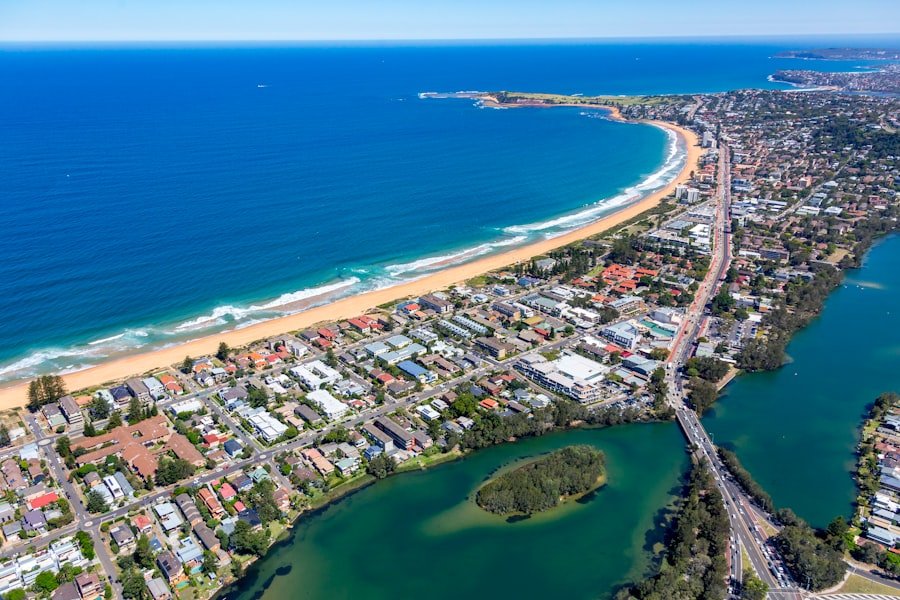
Several key factors play a pivotal role in influencing the real estate market in Western Australia. Economic conditions are at the forefront, with fluctuations in employment rates and income levels directly impacting buyers’ purchasing power. The mining sector, which has historically been a cornerstone of the state’s economy, continues to influence property demand as it experiences cycles of growth and contraction.
Additionally, interest rates set by the Reserve Bank of Australia significantly affect borrowing costs for potential homeowners and investors. Demographic shifts also contribute to the evolving landscape of the real estate market. An influx of interstate migrants seeking job opportunities and lifestyle changes has led to increased demand for housing in urban centers and surrounding suburbs.
Furthermore, changing family structures and preferences are driving demand for different types of properties, such as townhouses and apartments, as younger generations prioritize convenience and accessibility over traditional single-family homes.
Opportunities for Investors in the Western Australian Real Estate Market
| Opportunity | Description |
|---|---|
| High Rental Demand | Steady demand for rental properties due to population growth and limited housing supply. |
| Strong Capital Growth | Historically, real estate in Western Australia has shown strong capital growth over time. |
| Government Incentives | Various government incentives and grants available for property investors. |
| Infrastructure Development | Ongoing infrastructure projects driving property value and demand. |
| Attractive Lifestyle | Western Australia offers a desirable lifestyle, attracting both local and international investors. |
For investors looking to capitalize on the opportunities within the Western Australian real estate market, there are several avenues worth exploring. The current demand for rental properties presents an attractive investment opportunity, particularly in suburban areas where families are seeking larger homes with outdoor spaces. With rental yields remaining competitive, investors can benefit from steady cash flow while also enjoying potential capital appreciation as property values continue to rise.
Additionally, emerging neighborhoods are becoming hotspots for investment. Areas that were once overlooked are now experiencing revitalization and development, making them prime candidates for future growth. Investors who identify these up-and-coming suburbs early on can position themselves advantageously as property values increase over time.
By conducting thorough research and staying informed about market trends, investors can make strategic decisions that align with their financial goals.
Impact of COVID-19 on the Real Estate Market in Western Australia
The COVID-19 pandemic has had a profound impact on the real estate market in Western Australia, reshaping buyer preferences and altering market dynamics. Initially, uncertainty surrounding the pandemic led to a slowdown in transactions as buyers adopted a wait-and-see approach. However, as restrictions eased and confidence returned, the market rebounded with surprising strength.
The desire for more spacious living arrangements became evident as remote work became commonplace, prompting many individuals to seek properties that offered both comfort and functionality. Moreover, the pandemic accelerated trends that were already emerging prior to its onset. The shift towards digital solutions in property transactions gained momentum as virtual tours and online inspections became essential tools for buyers and agents alike.
This transformation not only streamlined the buying process but also expanded the reach of properties to potential buyers beyond geographical limitations. As a result, Western Australia’s real estate market has become more accessible and adaptable to changing circumstances.
Emerging Neighborhoods and Suburbs in Western Australia
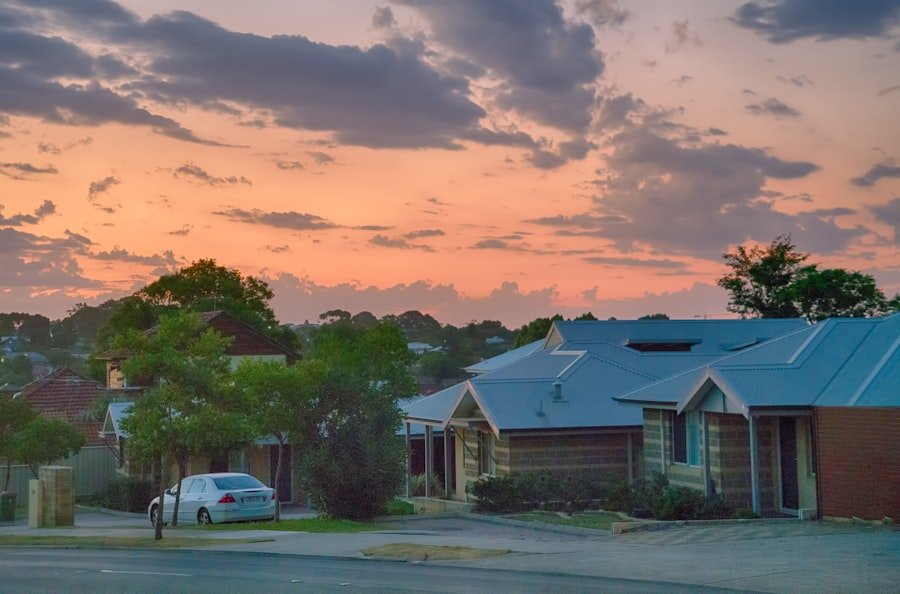
As urban development continues to evolve across Western Australia, several neighborhoods are emerging as desirable locations for homebuyers and investors alike. Suburbs such as Baldivis, Ellenbrook, and Yanchep have gained popularity due to their affordability and family-friendly amenities. These areas offer a range of housing options while providing access to schools, parks, and shopping centers—making them attractive choices for young families seeking a balanced lifestyle.
In addition to established suburbs experiencing growth, new developments are also on the rise. Areas like Alkimos and Byford are witnessing significant investment in infrastructure and community facilities, further enhancing their appeal. As these neighborhoods continue to develop and mature, they present exciting opportunities for investors looking to capitalize on future growth potential.
Government Policies and Regulations Affecting the Real Estate Market in Western Australia
Government policies and regulations play a crucial role in shaping the real estate market in Western Australia. The Residential Tenancy Act 1987 serves as a foundational framework that governs rental agreements between landlords and tenants, ensuring fair practices and protecting the rights of both parties. Compliance with this legislation is essential for property owners seeking to navigate the rental landscape responsibly.
Additionally, various government initiatives aimed at stimulating housing construction and homeownership have emerged in response to changing market conditions. Programs such as the First Home Owner Grant provide financial assistance to first-time buyers, making it easier for them to enter the property market. These policies not only support individual homeownership aspirations but also contribute to overall market stability by encouraging new developments.
Sustainable and Eco-friendly Real Estate Practices in Western Australia
Sustainability has become an integral consideration within the Western Australian real estate market as both buyers and developers increasingly prioritize eco-friendly practices. The demand for sustainable homes is on the rise, with features such as energy-efficient appliances, rainwater harvesting systems, and solar panels becoming highly sought after by environmentally conscious consumers. Developers are responding to this demand by incorporating sustainable building practices into their projects.
From using recycled materials to implementing green landscaping techniques, these initiatives not only reduce environmental impact but also enhance property value over time. As awareness of climate change continues to grow, properties that embrace sustainability are likely to attract premium prices and appeal to a broader range of buyers.
Technology and Innovation in the Western Australian Real Estate Market
The integration of technology into the real estate sector has revolutionized how properties are bought, sold, and managed in Western Australia. Virtual reality tours have become commonplace, allowing potential buyers to explore properties from the comfort of their own homes. This innovation not only enhances convenience but also broadens the pool of prospective buyers by eliminating geographical barriers.
Moreover, advancements in data analytics have empowered real estate professionals to make informed decisions based on market trends and consumer behavior. By leveraging technology-driven insights, agents can tailor their marketing strategies to effectively reach target audiences while optimizing pricing strategies for maximum returns. As technology continues to evolve, its impact on the real estate market will only grow stronger.
Challenges and Risks in the Western Australian Real Estate Market
While opportunities abound within the Western Australian real estate market, challenges and risks remain prevalent. Economic fluctuations can create uncertainty for both buyers and investors; changes in interest rates or employment levels can significantly impact purchasing power and demand for housing. Additionally, regulatory changes may introduce new compliance requirements that could affect property management practices.
Market saturation is another concern as more developers enter the fray seeking to capitalize on rising demand. An oversupply of properties could lead to price stagnation or declines if not managed carefully. Investors must remain vigilant about market conditions and conduct thorough due diligence before making investment decisions.
Future Outlook for the Real Estate Market in Western Australia
Looking ahead, the future outlook for the Western Australian real estate market appears promising despite potential challenges on the horizon. As economic recovery continues post-pandemic, demand for housing is expected to remain strong driven by population growth and ongoing interest from interstate migrants seeking lifestyle changes. Furthermore, ongoing investments in infrastructure development will enhance connectivity between suburbs and urban centers—making previously overlooked areas more attractive for buyers and investors alike.
As sustainability becomes increasingly prioritized within consumer preferences, properties that embrace eco-friendly practices will likely command premium prices. In conclusion, while navigating through uncertainties remains essential for stakeholders within this dynamic landscape; those who remain informed about trends will be well-positioned to seize opportunities as they arise—ensuring continued growth within Western Australia’s vibrant real estate market.
If you are interested in learning more about investment properties in Western Australia, you should check out the article “Unlocking Wealth: The Inner Workings of Investment Properties”. This article delves into the intricacies of investing in real estate and how it can help you build wealth over time. Additionally, if you are looking for specific properties in the area, you may want to explore the opportunities in Parkwood or consider the real estate potential in Gosnells and Cannington as highlighted in this article.
For context on how this applies locally, our coverage of Discovering Investment Opportunities in Huntingdale is a good companion piece.
For a deeper dive, see our breakdown of Efficient Property Management Solutions in Canning Vale.