
How Protect Your Investment: Langford Landlord Insurance Tips Affects You
Landlord insurance is a specialized form of coverage designed to protect property owners who rent out their properties. Unlike standard homeowners insurance, which primarily covers personal residences, landlord insurance addresses the unique risks associated with rental properties. This type of insurance typically includes coverage for the physical structure of the property, liability protection, and loss of rental income due to unforeseen circumstances.
Understanding the nuances of landlord insurance is crucial for property owners, as it can safeguard their investment and provide peace of mind. The primary purpose of landlord insurance is to mitigate financial risks that landlords face. These risks can arise from various sources, including tenant-related issues, property damage, or natural disasters.
By securing a comprehensive landlord insurance policy, property owners can ensure that they are financially protected against potential losses. This understanding is essential for landlords who wish to maintain their investment’s value while providing a safe and secure living environment for their tenants.
Key Takeaways
- Landlord insurance provides protection for property owners renting out their properties to tenants.
- It is important for landlords to have insurance to protect their investment and mitigate financial risks.
- Types of coverage available include property damage, liability, loss of rental income, and legal expenses.
- Factors to consider when choosing landlord insurance include the property location, type of rental, and the value of the property.
- Tips for lowering insurance premiums include increasing property security, maintaining a good credit score, and bundling policies with the same provider.
Importance of Landlord Insurance
The importance of landlord insurance cannot be overstated. For property owners, the financial implications of not having adequate coverage can be devastating. A single incident, such as a fire or a tenant causing significant damage, can lead to substantial repair costs and loss of rental income.
Landlord insurance acts as a safety net, allowing property owners to recover from such incidents without incurring crippling financial burdens. It provides a layer of security that is essential for anyone involved in the rental market. Moreover, landlord insurance is not just about protecting the property itself; it also extends to liability coverage.
If a tenant or visitor suffers an injury on the property, the landlord could be held liable for medical expenses and other damages. Having landlord insurance ensures that property owners are protected against these potential legal claims, which can be both costly and time-consuming to resolve. In essence, landlord insurance is a critical component of responsible property management and investment strategy.
Types of Coverage Available

When it comes to landlord insurance, there are several types of coverage available to suit different needs and circumstances. The most common types include dwelling coverage, which protects the physical structure of the rental property; personal property coverage, which covers furnishings and appliances provided by the landlord; and liability coverage, which protects against claims arising from injuries or damages occurring on the property. Each type of coverage serves a specific purpose and can be tailored to meet the unique requirements of individual landlords.
In addition to these standard coverages, many insurance providers offer optional add-ons that can enhance a landlord’s policy. For instance, loss of rent coverage compensates landlords for lost rental income during periods when the property is uninhabitable due to covered damages. Similarly, tenant default coverage can protect landlords against financial losses resulting from tenants failing to pay rent.
By understanding the various types of coverage available, landlords can make informed decisions about their insurance needs and ensure they have adequate protection in place.
Factors to Consider When Choosing Landlord Insurance
| Factors to Consider | Description |
|---|---|
| Property Type | Determine if the insurance covers the specific type of property you own, such as single-family homes, multi-family units, or commercial properties. |
| Liability Coverage | Check the amount of liability coverage provided to protect you in case of lawsuits or claims filed by tenants or third parties. |
| Property Damage Coverage | Ensure the policy includes coverage for property damage caused by events like fire, vandalism, or natural disasters. |
| Loss of Rental Income | Look for coverage that compensates you for lost rental income if your property becomes uninhabitable due to covered events. |
| Legal Expenses Coverage | Check if the policy includes coverage for legal expenses related to evictions, tenant disputes, or other legal matters. |
| Additional Endorsements | Consider any additional endorsements or riders that can be added to the policy to customize coverage based on your specific needs. |
Choosing the right landlord insurance policy involves careful consideration of several factors. One of the most critical aspects is assessing the specific risks associated with the rental property. For example, properties located in areas prone to natural disasters may require additional coverage for flood or earthquake damage.
Additionally, landlords should evaluate the type of tenants they are likely to attract and consider whether they need specialized coverage for high-risk tenants or short-term rentals. Another important factor is the policy’s limits and deductibles. Landlords should ensure that their coverage limits are sufficient to cover potential losses while also considering how much they are willing to pay out-of-pocket in the event of a claim.
It’s also essential to review the policy’s exclusions carefully; understanding what is not covered can help landlords avoid unpleasant surprises down the line. By taking these factors into account, property owners can select a landlord insurance policy that aligns with their specific needs and provides comprehensive protection.
Tips for Lowering Insurance Premiums
While landlord insurance is essential for protecting investments, it can also represent a significant expense for property owners. Fortunately, there are several strategies landlords can employ to lower their insurance premiums without sacrificing coverage quality. One effective approach is to increase deductibles; opting for a higher deductible can lead to lower monthly premiums, although landlords should ensure they have sufficient funds set aside to cover potential claims.
Another way to reduce premiums is by implementing risk mitigation measures on the property. For instance, installing security systems, smoke detectors, and fire alarms can demonstrate to insurers that the property is well-protected against risks, potentially leading to discounts on premiums. Additionally, maintaining a good credit score and having a history of claims-free insurance can also contribute to lower rates.
By being proactive in managing risks and demonstrating responsibility as a landlord, property owners can enjoy significant savings on their insurance costs.
Common Misconceptions About Landlord Insurance
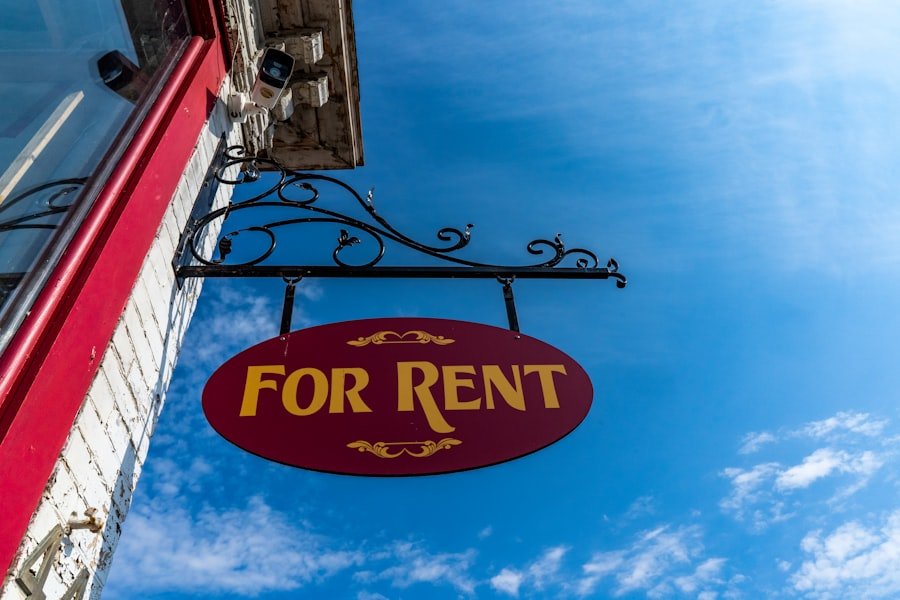
Despite its importance, there are several misconceptions surrounding landlord insurance that can lead to confusion among property owners. One common myth is that standard homeowners insurance is sufficient for rental properties. In reality, homeowners insurance does not provide adequate protection for landlords and may leave them vulnerable to significant financial losses.
Understanding this distinction is crucial for anyone renting out their property. Another misconception is that all tenant-related damages are covered under landlord insurance policies. While many policies do cover damages caused by tenants, there are often limitations and exclusions that landlords should be aware of.
For example, intentional damage or neglect may not be covered under standard policies. By educating themselves about these misconceptions, landlords can make more informed decisions regarding their insurance needs and avoid potential pitfalls.
Steps to Take in the Event of a Claim
In the unfortunate event that a claim needs to be filed, landlords should be prepared to take specific steps to ensure a smooth process.
This documentation will be crucial when filing a claim with the insurance provider.
Additionally, landlords should notify their insurer as soon as possible after discovering the damage or incident. Once the claim has been filed, it’s essential for landlords to maintain open communication with their insurance provider throughout the process. This includes providing any requested documentation promptly and being available for follow-up questions or inspections.
Understanding the claims process and being proactive can help expedite resolution and ensure that landlords receive the compensation they need to address damages effectively.
Additional Coverage Options to Consider
In addition to standard landlord insurance policies, there are several additional coverage options that property owners may want to consider for enhanced protection. One such option is umbrella insurance, which provides an extra layer of liability coverage beyond what standard policies offer. This can be particularly beneficial for landlords with multiple properties or those who want added peace of mind against potential lawsuits.
Another valuable option is rental income protection, which compensates landlords for lost rental income during periods when their property is uninhabitable due to covered damages. This type of coverage can be especially important in situations where repairs may take an extended period, ensuring that landlords do not suffer financially while waiting for their properties to be restored. By exploring these additional coverage options, landlords can create a more robust insurance strategy tailored to their unique needs.
Importance of Regular Property Maintenance
Regular property maintenance plays a crucial role in minimizing risks and ensuring that rental properties remain in good condition over time. Not only does proactive maintenance help prevent costly repairs down the line, but it also demonstrates responsibility as a landlord—something that insurers take into account when determining premiums and coverage options. By keeping properties well-maintained, landlords can reduce the likelihood of claims arising from neglect or disrepair.
Furthermore, regular maintenance contributes to tenant satisfaction and retention. Happy tenants are more likely to renew their leases and take better care of the property themselves. This positive relationship between landlords and tenants can lead to fewer disputes and claims related to damages or injuries on the premises.
Ultimately, investing time and resources into regular property maintenance pays off in both financial savings and improved tenant relationships.
The Role of Tenant Screening in Insurance Coverage
Tenant screening is another critical aspect of responsible property management that can impact insurance coverage and premiums. Thoroughly vetting potential tenants helps landlords identify individuals who are likely to pay rent on time and take care of the property.
Moreover, some insurance providers may offer discounts or more favorable terms for landlords who implement rigorous tenant screening processes. This not only helps protect the property but also fosters a positive living environment for all tenants involved. By prioritizing tenant screening as part of their overall risk management strategy, landlords can enhance their insurance coverage while ensuring their properties are occupied by responsible individuals.
Finding the Right Insurance Provider
Finding the right insurance provider is essential for securing comprehensive landlord insurance coverage tailored to individual needs. Property owners should begin by researching various insurers and comparing their offerings, including policy limits, deductibles, exclusions, and additional coverage options available. Reading customer reviews and seeking recommendations from fellow landlords can provide valuable insights into an insurer’s reputation and reliability.
Once potential providers have been identified, it’s advisable for landlords to request quotes from multiple companies to compare pricing and coverage options effectively. Engaging with an experienced insurance agent who specializes in landlord policies can also be beneficial; they can help navigate complex terms and conditions while ensuring that landlords understand their options fully. Ultimately, choosing an insurer that aligns with one’s specific needs will provide peace of mind and confidence in protecting valuable rental investments.
In conclusion, understanding landlord insurance is vital for any property owner looking to safeguard their investment while navigating the complexities of renting out properties. By recognizing its importance, exploring various types of coverage available, considering key factors when choosing policies, and debunking common misconceptions, landlords can make informed decisions that protect both themselves and their tenants effectively. With proactive measures such as regular maintenance and thorough tenant screening combined with strategic choices regarding insurance providers and additional coverage options, landlords can create a robust framework for successful property management in today’s competitive rental market.
If you’re a landlord in Langford seeking insurance advice, it’s crucial to stay informed about property valuations, as they can significantly impact your insurance needs and premiums. A related article that might be of interest is available on Smart Realty’s website, which provides insights into property valuations in Western Australia. Understanding the value of your property can help you make informed decisions about the level of coverage you need. For more detailed information, you can read the article on property valuations in WA.
FAQs
What is Langford landlord insurance?
Langford landlord insurance is a type of insurance policy designed to protect landlords from financial losses related to their rental properties. It typically covers risks such as property damage, liability claims, loss of rental income, and legal expenses.
What does Langford landlord insurance typically cover?
Langford landlord insurance typically covers property damage caused by events such as fire, storm, or vandalism, liability claims from tenants or third parties, loss of rental income due to property damage, and legal expenses related to tenant disputes or eviction proceedings.
Do I need Langford landlord insurance?
While landlord insurance is not legally required in Langford, it is highly recommended for landlords to protect their investment and mitigate financial risks. Mortgage lenders may also require landlords to have insurance as a condition of the loan.
How much does Langford landlord insurance cost?
The cost of Langford landlord insurance varies depending on factors such as the value of the property, the level of coverage, the location of the property, and the landlord’s claims history. On average, landlord insurance can cost anywhere from a few hundred to a few thousand dollars per year.
Where can I purchase Langford landlord insurance?
Langford landlord insurance can be purchased from insurance companies, brokers, or agents that specialize in property and landlord insurance. It is important to compare quotes from multiple providers to find the best coverage at the most competitive price.
What should I consider when purchasing Langford landlord insurance?
When purchasing Langford landlord insurance, landlords should consider the level of coverage needed for their specific property, the deductible amount, any additional endorsements or riders that may be necessary, and the financial strength and reputation of the insurance provider. It is also important to review the policy exclusions and limitations.