
Understanding Preserving Perth’s Heritage Homes
Heritage homes are more than just structures; they are tangible links to our past, embodying the stories, cultures, and architectural styles that have shaped our communities. Preserving these homes is crucial for maintaining the character and identity of neighborhoods, as they serve as reminders of the craftsmanship and design philosophies of bygone eras. Each heritage home tells a unique story, reflecting the social, economic, and cultural history of its time.
By safeguarding these properties, we not only honor our ancestors but also enrich our present and future, providing a sense of continuity and belonging. Moreover, heritage homes contribute significantly to the aesthetic appeal of a community. They often feature distinctive architectural elements that modern buildings lack, such as intricate moldings, handcrafted details, and unique materials.
This architectural diversity enhances the visual landscape of cities like Perth, making them more attractive to residents and visitors alike. The preservation of these homes can also have economic benefits, as they often increase property values in their vicinity and can attract tourism, which in turn supports local businesses. Thus, the importance of preserving heritage homes extends beyond nostalgia; it encompasses cultural identity, economic vitality, and community pride.
Key Takeaways
- Preserving heritage homes is important for maintaining cultural identity and historical significance.
- Perth’s heritage homes have a rich history dating back to the early colonial period.
- Challenges in preserving heritage homes include high maintenance costs and lack of awareness about their value.
- Strategies for preserving heritage homes include adaptive reuse, financial incentives, and community engagement.
- The government plays a crucial role in heritage home preservation through legislation, funding, and support for restoration projects.
The History of Perth’s Heritage Homes
Perth’s heritage homes are a testament to the city’s rich history and development over the years. The architectural styles found in these homes reflect various periods, from the colonial era to the post-war boom. Many of these homes were built during the late 19th and early 20th centuries when Perth was experiencing significant growth due to the gold rush and subsequent economic expansion.
This period saw the emergence of various architectural styles, including Victorian, Federation, and Art Deco, each contributing to the unique character of the city. As Perth evolved, so did its residential architecture. The Federation style, characterized by its red brickwork and ornate timber detailing, became particularly popular in the early 1900s.
These homes not only provided shelter but also represented the aspirations of a growing middle class. Today, many of these heritage homes are recognized for their historical significance and are protected under local heritage listings. Understanding the history behind these homes is essential for appreciating their value and the role they play in shaping Perth’s identity.
Challenges in Preserving Heritage Homes
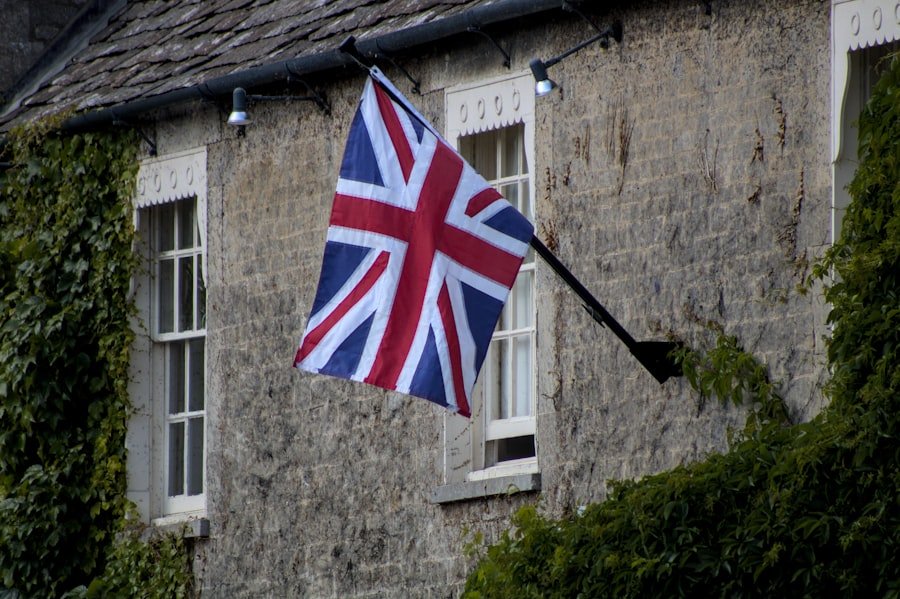
Despite their importance, preserving heritage homes comes with a myriad of challenges. One of the most significant obstacles is the financial burden associated with restoration and maintenance.
Many heritage properties require specialized skills and materials for repairs, which can be costly.
Homeowners may find themselves facing unexpected expenses when attempting to restore or maintain these properties to their original condition. Additionally, there may be restrictions on renovations or alterations due to heritage protection laws, which can further complicate matters for owners looking to modernize their homes. Another challenge lies in public awareness and appreciation of heritage homes.
As urban development accelerates, there is often a push for new construction that prioritizes modernity over historical significance. This can lead to a lack of understanding about the value of preserving heritage properties among developers and local governments. Furthermore, as neighborhoods change and demographics shift, some residents may not see the value in maintaining older homes, leading to neglect or even demolition.
Overcoming these challenges requires a concerted effort from all stakeholders involved in heritage preservation.
Strategies for Preserving Heritage Homes
| Strategy | Description |
|---|---|
| Maintenance | Regular upkeep and repairs to prevent deterioration. |
| Conservation | Preserving the original materials and features of the home. |
| Adaptive Reuse | Repurposing the heritage home for modern use while retaining its historic character. |
| Educational Programs | Creating awareness and appreciation for heritage homes through educational initiatives. |
| Legislation | Implementing laws and regulations to protect heritage homes from demolition or unsuitable alterations. |
To effectively preserve heritage homes, a multifaceted approach is necessary. One key strategy is to promote education and awareness about the significance of these properties within the community. Workshops, seminars, and public campaigns can help inform residents about the historical value of heritage homes and the benefits of preservation.
Engaging local schools and community organizations can also foster a sense of pride in local history and encourage younger generations to appreciate their architectural heritage. Another effective strategy is to provide financial incentives for homeowners who invest in restoration projects. Grants, tax breaks, or low-interest loans can alleviate some of the financial burdens associated with maintaining heritage properties.
Additionally, establishing partnerships between local governments, non-profit organizations, and private developers can facilitate collaborative efforts in preservation initiatives. By creating a supportive environment for heritage home owners, we can ensure that these valuable assets are maintained for future generations.
The Role of Government in Heritage Home Preservation
Government plays a crucial role in the preservation of heritage homes through legislation and policy-making. Local councils often establish heritage overlays that protect significant properties from inappropriate development or demolition. These regulations help ensure that any alterations made to heritage homes are in line with their historical significance and architectural integrity.
Furthermore, government bodies can provide resources and support for homeowners seeking to restore their properties while adhering to preservation guidelines. In addition to protective measures, government funding can be instrumental in supporting preservation efforts. Grants for restoration projects or community initiatives aimed at raising awareness about heritage homes can significantly impact local preservation efforts.
By prioritizing heritage conservation in urban planning and development policies, governments can create a framework that values historical significance alongside modern growth. This balanced approach is essential for fostering a culture of preservation within communities.
The Benefits of Preserving Heritage Homes
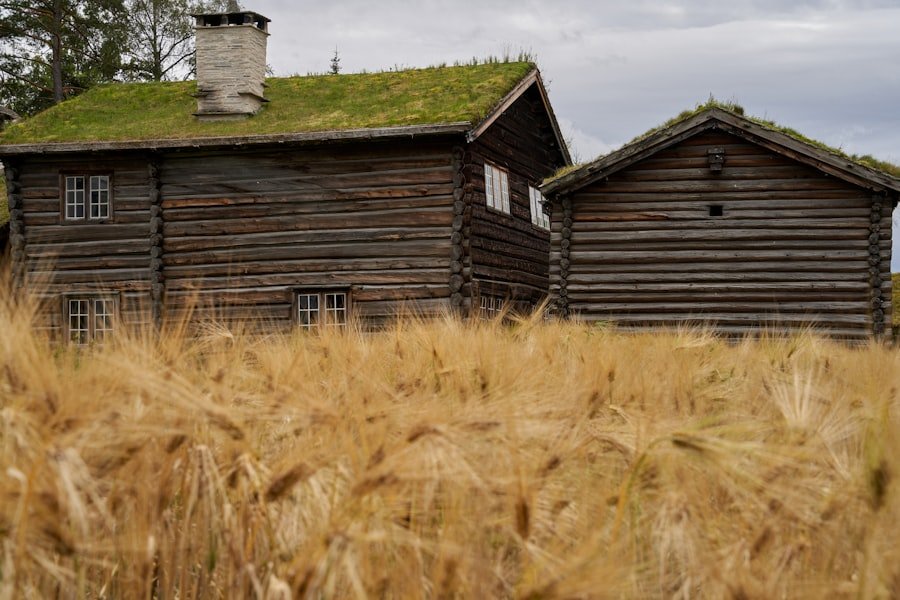
The benefits of preserving heritage homes extend far beyond mere aesthetics; they encompass social, economic, and environmental advantages as well. From a social perspective, heritage homes foster a sense of community identity and pride among residents. They serve as landmarks that connect people to their history and create a shared narrative that strengthens community bonds.
This sense of belonging is vital for fostering vibrant neighborhoods where residents feel invested in their surroundings. Economically, preserving heritage homes can lead to increased property values and attract tourism. Visitors are often drawn to areas with rich historical significance, leading to greater foot traffic for local businesses.
Moreover, maintaining older homes can be more sustainable than new construction; it reduces waste associated with demolition and encourages the use of existing materials and resources. By investing in heritage preservation, communities can create a more sustainable future while honoring their past.
Examples of Successfully Preserved Heritage Homes in Perth
Perth boasts several examples of successfully preserved heritage homes that stand as testaments to the city’s commitment to conservation. One notable example is the Old Swan Brewery building, which has been transformed into a vibrant dining and entertainment venue while retaining its historical charm. This adaptive reuse demonstrates how heritage properties can be integrated into modern urban life without sacrificing their integrity.
Another exemplary case is the historic suburb of Fremantle, where numerous heritage-listed buildings have been meticulously restored to preserve their unique character. The Fremantle Markets and the Roundhouse are prime examples of how preserving heritage can enhance tourism while providing spaces for community engagement. These successful projects highlight the potential for heritage homes to coexist with contemporary development while enriching the cultural fabric of Perth.
The Impact of Development on Heritage Homes
As Perth continues to grow and develop, the impact on heritage homes cannot be overlooked. Rapid urbanization often leads to increased pressure on these properties as developers seek to capitalize on prime real estate locations. In some cases, this has resulted in the demolition of significant heritage buildings in favor of new construction projects that prioritize profit over preservation.
However, it is essential to recognize that development does not have to come at the expense of heritage conservation. Thoughtful urban planning that incorporates heritage considerations can lead to harmonious coexistence between old and new structures. By prioritizing adaptive reuse projects and integrating heritage homes into modern developments, cities can create vibrant neighborhoods that celebrate their history while accommodating growth.
Community Involvement in Heritage Home Preservation
Community involvement is vital for successful heritage home preservation efforts. Engaging local residents in discussions about their neighborhood’s history fosters a sense of ownership and responsibility towards preserving its character. Community groups can organize events such as open houses or historical tours that highlight the significance of heritage homes while encouraging residents to take an active role in their preservation.
Additionally, collaboration between community members and local governments can lead to more effective preservation strategies. By advocating for policies that protect heritage properties and participating in decision-making processes related to urban development, residents can ensure that their voices are heard. This grassroots involvement not only strengthens community ties but also empowers individuals to take action in safeguarding their shared history.
Tips for Maintaining and Restoring Heritage Homes
Maintaining and restoring heritage homes requires careful consideration and planning to ensure that their historical integrity is preserved. One essential tip is to conduct thorough research on the property’s history before undertaking any restoration work. Understanding its original design elements and materials will guide homeowners in making informed decisions during renovations.
Additionally, it is crucial to engage skilled professionals who specialize in heritage restoration when undertaking significant repairs or alterations. These experts possess the knowledge necessary to work with traditional materials and techniques that align with the home’s historical context. Regular maintenance is also key; homeowners should establish a routine for inspecting roofs, foundations, and other critical components to prevent deterioration over time.
The Future of Heritage Home Preservation in Perth
The future of heritage home preservation in Perth hinges on continued advocacy, education, and collaboration among stakeholders. As urban development pressures mount, it will be essential for communities to remain vigilant in protecting their historical assets while embracing sustainable growth practices. By fostering a culture that values both history and innovation, Perth can create an environment where heritage homes thrive alongside modern developments.
Moreover, ongoing public engagement will play a pivotal role in shaping preservation efforts moving forward. As more residents become aware of the importance of safeguarding their architectural heritage, we can expect increased support for policies that prioritize conservation initiatives. With collective action from individuals, communities, governments, and organizations dedicated to preserving our past, Perth’s heritage homes will continue to stand as proud symbols of our shared history for generations to come.
Perth’s heritage homes are a significant part of the city’s architectural landscape, offering a glimpse into the past while providing unique living spaces for modern residents. These homes often require specialized care and management to maintain their historical integrity and value. For homeowners considering renting out their heritage property, engaging a professional property manager can be invaluable. A related article that discusses the benefits of hiring a property manager can be found here. This article provides insights into how a property manager can help preserve the charm and value of heritage homes while ensuring they are well-maintained and compliant with local regulations.
To get the full picture, pair this with Blackburn St WA 6109 and Foxton St Maddington WA 6109.