
Queens Park, a suburb nestled in the heart of Perth, is a treasure trove of architectural history, boasting a collection of heritage homes that tell the story of the region’s past. These homes, with their unique designs and historical significance, are not just structures; they are embodiments of the cultural and social evolution of the area. The charm of Queens Park lies in its ability to transport residents and visitors alike back in time, showcasing the craftsmanship and artistry of bygone eras.
As we delve into the importance of preserving these heritage homes, we uncover the layers of history that contribute to the suburb’s identity and character. The heritage homes of Queens Park are more than mere buildings; they are a testament to the community’s resilience and growth. Each home has its own narrative, reflecting the lives of those who once inhabited them.
From Victorian-style residences to mid-century modern designs, these homes encapsulate various architectural styles that have graced the suburb over the decades. As we explore the significance of these structures, it becomes evident that preserving them is crucial not only for maintaining the aesthetic appeal of Queens Park but also for honoring the legacy of those who came before us.
Key Takeaways
- Queens Park Heritage Homes are an important part of the community’s history and culture, representing the architectural and historical significance of the area.
- Preserving heritage homes is crucial for maintaining the unique character and charm of Queens Park, as well as for educating future generations about the area’s history.
- Queens Park Heritage Homes hold significant historical value, reflecting the architectural styles and lifestyles of the past, and serving as a tangible link to the community’s heritage.
- Challenges in preserving heritage homes include the high cost of maintenance and restoration, as well as the need for specialized skills and materials to ensure authenticity.
- Strategies for preserving heritage homes in Queens Park include community involvement, government support, and promoting the benefits of heritage home preservation to the public.
The Importance of Preserving Heritage Homes
Preserving heritage homes is vital for several reasons, chief among them being the cultural and historical value they represent. These homes serve as physical reminders of our past, offering insights into the architectural trends, social norms, and lifestyles of previous generations. By maintaining these structures, we ensure that future generations can appreciate and learn from our history.
Heritage homes act as a bridge connecting us to our roots, fostering a sense of identity and belonging within the community. Moreover, heritage homes contribute significantly to the character and charm of neighborhoods like Queens Park. They enhance the visual landscape, creating a unique atmosphere that attracts residents and visitors alike.
The preservation of these homes not only enriches the community’s aesthetic appeal but also has economic benefits. Heritage tourism can thrive in areas with well-maintained historical properties, drawing visitors interested in exploring the rich tapestry of local history. Thus, preserving heritage homes is not merely an act of nostalgia; it is an investment in the community’s future.
Historical Significance of Queens Park Heritage Homes
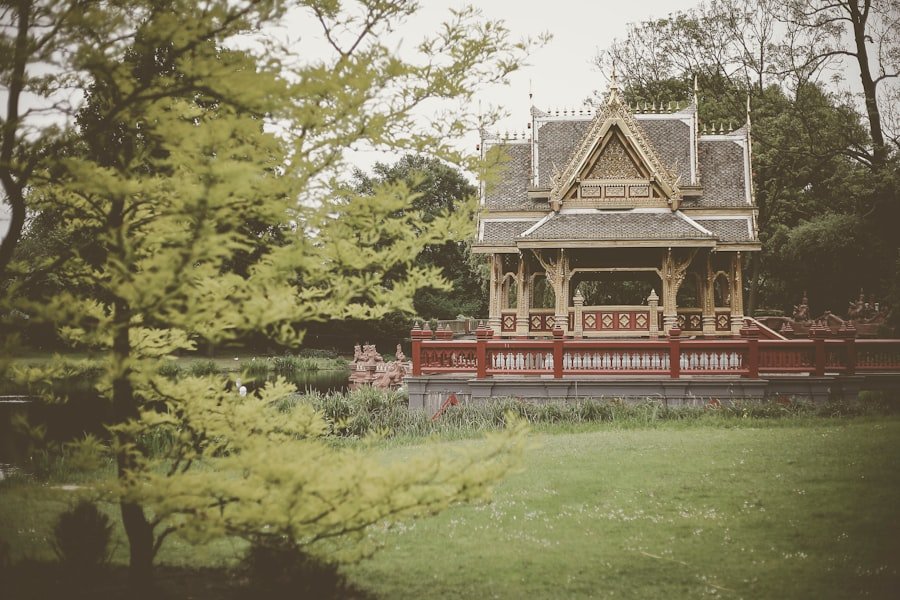
The historical significance of Queens Park heritage homes cannot be overstated. Many of these properties date back to the late 19th and early 20th centuries, reflecting the architectural styles and societal values of their respective eras. For instance, some homes showcase intricate Victorian detailing, while others highlight the simplicity and functionality of post-war design.
Each home tells a story about the people who lived there, their aspirations, and their contributions to the community. Additionally, these heritage homes are often associated with key events or figures in local history. They may have housed prominent community leaders or served as venues for significant gatherings.
By preserving these homes, we honor not only the architecture but also the narratives that shaped Queens Park into what it is today. The historical significance of these properties extends beyond their physical presence; they are integral to understanding the evolution of our society and culture.
Challenges in Preserving Heritage Homes
| Challenges | Impact |
|---|---|
| Lack of funding | Difficulty in maintaining and restoring heritage homes |
| Regulatory restrictions | Limited flexibility in making necessary renovations |
| Deterioration over time | Increased risk of damage to the historical structure |
| Changing building codes | Challenges in meeting modern safety standards while preserving historical integrity |
Despite their importance, preserving heritage homes comes with its own set of challenges. One major hurdle is the financial burden associated with restoration and maintenance. Many heritage properties require specialized care to ensure that their historical features are preserved while also meeting modern safety standards.
This can lead to significant costs that deter homeowners from undertaking necessary renovations. Another challenge lies in navigating the regulatory landscape surrounding heritage preservation. Homeowners may face restrictions on what alterations can be made to their properties, which can be frustrating for those looking to modernize their homes while retaining their historical integrity.
Additionally, there is often a lack of awareness or appreciation for heritage preservation within the broader community, making it difficult to garner support for initiatives aimed at protecting these valuable assets.
Strategies for Preserving Heritage Homes in Queens Park
To effectively preserve heritage homes in Queens Park, a multifaceted approach is necessary. One strategy involves raising awareness about the importance of these properties within the community. Educational programs and workshops can help residents understand the value of heritage preservation and encourage them to take an active role in maintaining their homes.
Collaboration between homeowners, local government, and heritage organizations is also crucial. By working together, stakeholders can develop guidelines and resources that support property owners in their preservation efforts. This could include financial incentives for restoration projects or access to skilled craftsmen who specialize in heritage work.
By fostering a sense of community around heritage preservation, we can create a culture that values and protects our historical assets.
Benefits of Preserving Heritage Homes
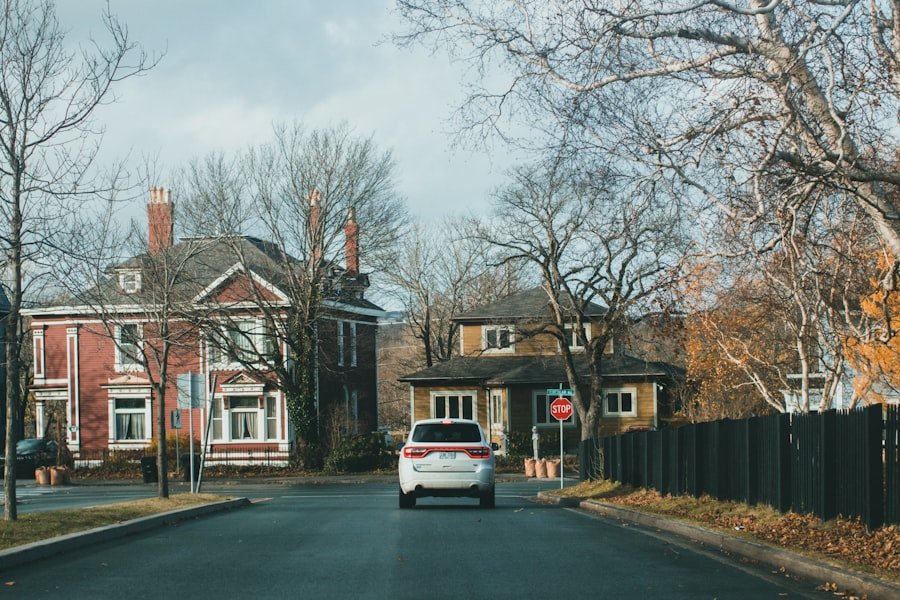
The benefits of preserving heritage homes extend far beyond aesthetics; they encompass economic, social, and environmental advantages as well. Economically, well-maintained heritage properties can increase property values in the surrounding area, attracting potential buyers and investors. This can lead to revitalization efforts that enhance the overall appeal of Queens Park as a desirable place to live.
Socially, preserving heritage homes fosters a sense of pride among residents. It creates a shared identity rooted in history and tradition, strengthening community bonds. Furthermore, these homes often serve as venues for cultural events and gatherings, promoting social interaction and engagement among residents.
Environmentally, preserving existing structures reduces waste associated with demolition and new construction, contributing to sustainable development practices.
Community Involvement in Heritage Home Preservation
Community involvement is essential for successful heritage home preservation efforts in Queens Park. Engaging residents in discussions about the importance of these properties can lead to increased support for preservation initiatives. Local groups can organize events such as open houses or heritage walks that showcase these homes and educate attendees about their historical significance.
Additionally, volunteer programs can be established to encourage residents to participate in restoration projects or maintenance efforts. By fostering a sense of ownership over these heritage properties, community members are more likely to advocate for their preservation and contribute to ongoing efforts to maintain their integrity.
Government Support for Heritage Home Preservation
Government support plays a pivotal role in the preservation of heritage homes in Queens Park. Local authorities can implement policies that protect these properties from unsympathetic development or neglect. This may include establishing heritage overlays or providing grants for restoration projects that adhere to conservation guidelines.
Furthermore, government agencies can collaborate with heritage organizations to create resources that assist homeowners in navigating the complexities of preservation regulations. By offering financial incentives or tax breaks for those who invest in maintaining their heritage properties, governments can encourage more residents to take action in preserving their homes.
Maintenance and Restoration of Heritage Homes
The maintenance and restoration of heritage homes require specialized knowledge and skills to ensure that historical features are preserved while meeting modern standards. Homeowners should seek out qualified professionals who understand the intricacies of working with older structures and can provide guidance on appropriate restoration techniques. Regular maintenance is also crucial for preventing deterioration over time.
This includes routine inspections, addressing minor repairs promptly, and using materials that are compatible with the original construction methods. By prioritizing maintenance and restoration efforts, homeowners can ensure that their heritage properties remain vibrant and well-preserved for future generations.
Future of Heritage Homes in Queens Park
The future of heritage homes in Queens Park hinges on collective efforts from residents, local government, and heritage organizations. As awareness grows about the importance of preserving these properties, we can expect to see increased support for initiatives aimed at protecting them. This may include more robust funding opportunities for restoration projects or enhanced educational programs that promote appreciation for local history.
Moreover, as urban development continues to evolve, it is essential to strike a balance between progress and preservation. By integrating heritage considerations into planning processes, we can ensure that new developments complement rather than overshadow existing historical assets. The future of Queens Park’s heritage homes depends on our commitment to safeguarding their legacy while embracing responsible growth.
The Continued Legacy of Queens Park Heritage Homes
In conclusion, the continued legacy of Queens Park heritage homes is a testament to our collective responsibility to preserve our history for future generations. These homes are not just relics of the past; they are living embodiments of our cultural identity and community spirit. By recognizing their significance and actively engaging in preservation efforts, we can ensure that these architectural treasures remain an integral part of our neighborhood’s fabric.
As we move forward, let us embrace the challenges and opportunities that come with preserving our heritage homes. Through collaboration, education, and community involvement, we can create a vibrant future where our historical assets are cherished and celebrated. The legacy of Queens Park’s heritage homes is one worth preserving—a legacy that connects us to our past while inspiring us to build a brighter future together.
If you’re interested in the charm and history of heritage homes in Queens Park, you might also find it beneficial to understand the financial aspects of purchasing such properties. A related article that could provide valuable insights is about deciphering stamp duty, which is a crucial component of real estate transactions in Australia. Understanding how stamp duty is calculated and its role in the buying process can help you make informed decisions when investing in heritage properties. For more detailed information, you can read the article on deciphering stamp duty.
If this was useful, Top 5 Property Management Companies in South Perth and 5 Essential Tips for Property Management in Mount Pleasant cover related questions we hear from clients every week.