
Preserving the heritage houses of Canning Vale is not merely an act of maintaining old structures; it is a commitment to safeguarding the cultural identity and historical narrative of the community. These houses serve as tangible links to the past, embodying the stories, traditions, and values that have shaped the area over generations. By preserving these architectural gems, we honor the legacy of those who came before us, ensuring that future generations can appreciate and learn from their history.
The importance of these heritage houses extends beyond nostalgia; they are vital components of the community’s character and charm, contributing to a sense of belonging and pride among residents. Moreover, heritage preservation fosters a deeper understanding of local history and encourages community engagement. When residents take an active role in preserving these structures, they cultivate a shared appreciation for their heritage, which can lead to stronger community bonds.
The act of preserving Canning Vale’s heritage houses is a collective endeavor that not only protects the physical buildings but also enriches the social fabric of the area. It invites dialogue about the past while inspiring a vision for the future, making it essential for both current and future residents to recognize the value of these historical assets.
Key Takeaways
- Preserving Canning Vale’s heritage houses is important for maintaining the area’s historical identity and cultural significance.
- The history of Canning Vale’s heritage houses dates back to the early settlement of the area, reflecting the evolution of architectural styles and cultural influences.
- The architectural significance of Canning Vale’s heritage houses lies in their unique design elements and historical value, contributing to the area’s character and charm.
- Challenges in preserving Canning Vale’s heritage houses include aging infrastructure, lack of funding, and balancing modern development with historical conservation.
- Efforts and initiatives to preserve Canning Vale’s heritage houses involve community engagement, heritage grants, and collaboration with local government and historical preservation organizations.
The history of Canning Vale’s heritage houses
Canning Vale’s heritage houses tell a rich and diverse story that reflects the evolution of the area from its early days to the present. Established in the 19th century, Canning Vale was initially an agricultural hub, with many of its early settlers establishing farms and homesteads. The architecture of these early homes showcases a blend of styles influenced by the settlers’ origins, including Victorian, Federation, and even elements of Art Deco.
Each house stands as a testament to the craftsmanship and design sensibilities of its time, offering insights into the lives of those who inhabited them. As Canning Vale grew and developed, so too did its architectural landscape. The heritage houses that remain today are not just relics; they are symbols of resilience and adaptation.
Many have undergone renovations and restorations that reflect changing tastes while still honoring their original designs. This historical narrative is crucial for understanding how Canning Vale has transformed over the years, making it imperative to preserve these structures as they encapsulate the essence of the community’s journey through time.
The architectural significance of Canning Vale’s heritage houses
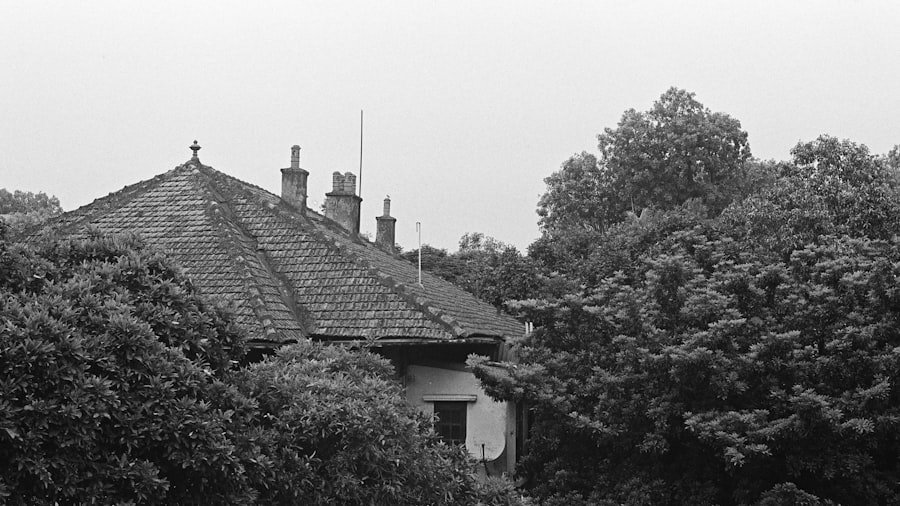
The architectural significance of Canning Vale’s heritage houses lies in their unique designs and construction techniques that reflect various historical periods. Each house is a canvas showcasing the artistic expression and craftsmanship of its era, with features such as ornate facades, intricate woodwork, and distinctive rooflines that contribute to the area’s aesthetic appeal. These structures not only highlight the architectural trends of their time but also serve as educational resources for architects, historians, and enthusiasts alike.
Furthermore, many of these heritage houses incorporate sustainable building practices that were ahead of their time, such as natural ventilation and passive solar design. By studying these homes, we can glean valuable insights into environmentally friendly building techniques that can be applied in contemporary architecture. Preserving these houses is not just about maintaining their physical presence; it is also about recognizing their role in shaping architectural discourse and inspiring future generations to create buildings that honor both tradition and innovation.
Challenges in preserving Canning Vale’s heritage houses
| Challenges | Impact |
|---|---|
| Lack of awareness | Increased risk of demolition |
| Rapid urban development | Threat to historical buildings |
| Cost of preservation | Financial burden on owners |
| Changing property values | Pressure to sell for redevelopment |
Despite their significance, preserving Canning Vale’s heritage houses comes with a myriad of challenges. One major hurdle is the financial burden associated with restoration and maintenance. Many property owners may find it difficult to allocate funds for necessary repairs or renovations while adhering to strict preservation guidelines.
This financial strain can lead to neglect or even demolition, threatening the very existence of these historical structures. Additionally, there is often a lack of awareness or appreciation for heritage preservation within the broader community. As urban development continues to expand, some residents may prioritize modern amenities over historical significance, leading to a disconnect between past and present.
This mindset can result in pressure to replace heritage houses with new constructions that may not reflect the community’s character or history. Overcoming these challenges requires a concerted effort from all stakeholders to advocate for preservation and educate others about its importance.
Efforts and initiatives to preserve Canning Vale’s heritage houses
In response to the challenges facing Canning Vale’s heritage houses, various efforts and initiatives have emerged aimed at promoting preservation. Local government bodies have implemented policies that recognize and protect heritage sites, ensuring that any proposed developments consider their impact on historical structures. These policies often include incentives for property owners who commit to maintaining their heritage homes, such as grants or tax breaks.
Community organizations and advocacy groups also play a crucial role in raising awareness about the importance of preserving Canning Vale’s heritage houses. Through educational programs, workshops, and events, these groups engage residents in discussions about local history and encourage them to take an active role in preservation efforts. By fostering a sense of pride in their heritage, these initiatives help cultivate a culture of stewardship that is essential for ensuring the longevity of Canning Vale’s architectural treasures.
The role of the community in preserving Canning Vale’s heritage houses

The community plays an indispensable role in preserving Canning Vale’s heritage houses, as it is ultimately the residents who have the power to advocate for their protection and maintenance. Grassroots movements often emerge when individuals come together to share their passion for local history and architecture. These movements can lead to increased public interest in preservation efforts and inspire collective action to safeguard heritage sites.
Moreover, community involvement fosters a sense of ownership over local history.
When residents actively participate in preservation initiatives—whether through volunteering for restoration projects or attending local meetings—they develop a deeper connection to their surroundings.
This engagement not only strengthens community ties but also empowers individuals to become advocates for their heritage, ensuring that future generations will continue to appreciate and cherish Canning Vale’s unique architectural landscape.
The economic benefits of preserving Canning Vale’s heritage houses
Preserving Canning Vale’s heritage houses offers significant economic benefits that extend beyond mere aesthetics. Heritage tourism has become an increasingly popular sector within local economies, attracting visitors who are eager to explore historical sites and learn about local culture. By maintaining these heritage homes, Canning Vale can position itself as a destination for tourists seeking authentic experiences rooted in history.
Additionally, well-preserved heritage houses can enhance property values within the community. Homebuyers often seek out neighborhoods with historical significance, as they tend to offer unique character and charm that modern developments may lack. By investing in preservation efforts, property owners can increase their home values while contributing to the overall appeal of Canning Vale as a desirable place to live.
This economic incentive underscores the importance of prioritizing heritage preservation as a means of fostering sustainable growth within the community.
The impact of urban development on Canning Vale’s heritage houses
Urban development poses both opportunities and threats to Canning Vale’s heritage houses. On one hand, development can bring much-needed infrastructure improvements and economic growth; on the other hand, it can lead to the erosion of historical character if not managed thoughtfully. As new residential or commercial projects emerge, there is often pressure to demolish or alter existing heritage structures in favor of modern designs that may not align with the community’s historical narrative.
To mitigate these impacts, it is essential for local authorities and developers to engage in meaningful dialogue with residents about their vision for urban development.
By incorporating preservation considerations into planning processes, stakeholders can strike a balance between progress and heritage conservation. This collaborative approach ensures that Canning Vale’s unique architectural identity remains intact while accommodating necessary growth.
Strategies for maintaining and restoring Canning Vale’s heritage houses
Maintaining and restoring Canning Vale’s heritage houses requires careful planning and execution to ensure that their historical integrity is preserved. One effective strategy is to conduct thorough assessments of each property to identify areas in need of repair or restoration. This process should involve professionals with expertise in heritage conservation who can provide guidance on appropriate materials and techniques that align with historical standards.
Additionally, establishing maintenance schedules can help property owners stay proactive in caring for their heritage homes. Regular inspections can identify potential issues before they escalate into costly repairs, allowing homeowners to address concerns while preserving the character of their properties. By prioritizing ongoing maintenance and restoration efforts, residents can ensure that Canning Vale’s heritage houses continue to stand as proud symbols of the community’s history.
The future of Canning Vale’s heritage houses
The future of Canning Vale’s heritage houses hinges on a collective commitment from residents, local authorities, and advocacy groups to prioritize preservation efforts. As urban development continues to shape the landscape, it is crucial for stakeholders to remain vigilant in protecting these historical assets from neglect or demolition. By fostering a culture of appreciation for local history and architecture, Canning Vale can ensure that its heritage houses remain integral parts of its identity.
Looking ahead, innovative approaches to preservation may emerge as technology advances and new materials become available. Embracing sustainable practices in restoration efforts can enhance both environmental responsibility and historical authenticity. By adapting to contemporary needs while honoring traditional craftsmanship, Canning Vale can create a future where its heritage houses thrive alongside modern developments.
How to get involved in preserving Canning Vale’s heritage houses
Getting involved in preserving Canning Vale’s heritage houses is an empowering endeavor that allows individuals to contribute meaningfully to their community’s history. One way to start is by joining local advocacy groups focused on preservation efforts; these organizations often welcome volunteers who are passionate about history and architecture. Participating in events such as guided tours or workshops can deepen your understanding of local heritage while connecting you with like-minded individuals.
Additionally, residents can advocate for preservation at local government meetings by voicing support for policies that protect heritage sites. Engaging with neighbors about the importance of maintaining these structures fosters a sense of collective responsibility toward local history. Whether through volunteering time or simply spreading awareness about preservation initiatives, every effort counts toward ensuring that Canning Vale’s heritage houses continue to be cherished landmarks for generations to come.
Canning Vale is a suburb rich in history, with its heritage houses offering a glimpse into the architectural styles and cultural narratives of the past. For those interested in exploring more about the real estate landscape in Perth, including areas with historical significance, you might find the article on Menora particularly insightful. Menora, like Canning Vale, is another suburb that boasts a unique blend of historical and modern homes, providing a broader perspective on the preservation and evolution of heritage properties in the region.
We also recommend reading our take on Efficient Duplex Rental Management in Perth for additional perspective.