
A Closer Look at Pirates Clash with Reds: A Battle on the High Seas
The history of piracy is as tumultuous and colorful as the seas upon which these marauders sailed. Emerging in the late 14th century, piracy became a significant threat to maritime trade, particularly during the Golden Age of Piracy in the late 17th and early 18th centuries. This period saw the rise of infamous pirates who roamed the Caribbean, the Americas, and beyond, capturing ships and plundering their cargo.
The motivations behind piracy were often rooted in economic desperation, as many pirates were former sailors or laborers who turned to a life of crime in search of wealth and adventure. The allure of treasure and the promise of freedom from societal constraints drew many to the pirate’s life, leading to a surge in piracy that would leave an indelible mark on maritime history. As nations expanded their naval power and colonial ambitions, piracy became a complex interplay of politics, economics, and social dynamics.
Governments often turned a blind eye to piracy, sometimes even employing pirates as privateers to disrupt enemy trade. This duality created a chaotic environment where loyalty was fleeting, and allegiances shifted like the tides. The rise of piracy was not merely a phenomenon of lawlessness; it was a reflection of the broader struggles for power and wealth during an era defined by exploration and conquest.
The high seas became a battleground for not just pirates but also empires vying for dominance, setting the stage for legendary confrontations that would shape the course of maritime history.
Key Takeaways
- Pirates have a long history dating back to ancient times, with their activities peaking during the 17th and 18th centuries.
- The Red Pirates were a notorious group known for their ruthless tactics and brutal attacks on merchant ships.
- The clash between Pirates and Reds began as a result of territorial disputes and competition for resources on the high seas.
- The battle between Pirates and Reds was a dramatic and intense showdown, with both sides using a variety of weapons and tactics.
- The aftermath of the battle left both winners and losers, and had a lasting impact on high seas warfare and the decline of piracy.
The Notorious Red Pirates: A Background
Among the myriad of pirate factions that emerged during this tumultuous period, the Red Pirates stand out as one of the most notorious groups. Known for their distinctive crimson flags and ruthless tactics, they struck fear into the hearts of sailors and merchants alike. The Red Pirates were not just a single crew but rather a coalition of various pirate bands that united under a common banner, seeking to dominate specific trade routes and territories.
Their reputation for brutality was matched only by their cunning strategies, which allowed them to outmaneuver naval forces and capture lucrative prizes. The origins of the Red Pirates can be traced back to the Caribbean, where they initially operated as small-time raiders before evolving into a formidable force. Their rise was fueled by the wealth generated from sugar plantations and trade routes that crisscrossed the region.
As they gained notoriety, they attracted skilled sailors and disillusioned seamen who sought fortune and adventure. The Red Pirates became synonymous with rebellion against oppressive colonial powers, embodying a spirit of defiance that resonated with many who felt marginalized by society. Their legacy is one of both infamy and fascination, as they navigated the fine line between villainy and heroism on the high seas.
The Clash of the Titans: How the Battle Began
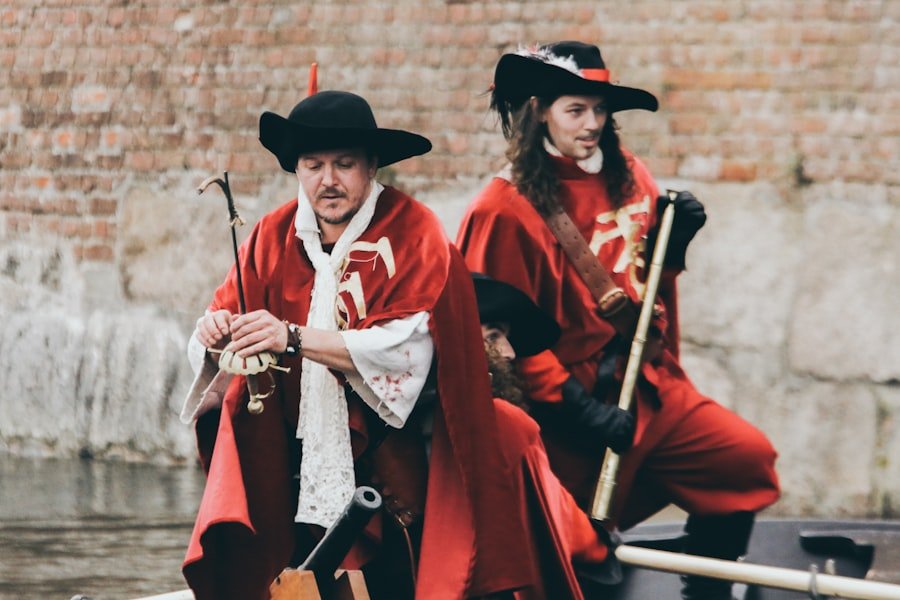
The stage was set for an epic confrontation when the Red Pirates crossed paths with a formidable naval fleet determined to eradicate piracy once and for all. Tensions had been simmering for years as merchant ships reported increasing attacks along vital trade routes. The naval powers, alarmed by the growing audacity of the Red Pirates, mobilized their forces to confront this rising threat.
The clash was not merely a battle between pirates and naval forces; it represented a larger struggle between freedom and authority, chaos and order. As news spread of the impending confrontation, both sides prepared for what would become one of the most significant battles in maritime history. The Red Pirates rallied their crews, instilling a sense of camaraderie and purpose among their ranks.
They knew that this battle would determine not only their fate but also the future of piracy itself. On the other side, the naval fleet strategized meticulously, aiming to exploit any weaknesses in the pirates’ defenses. The clash was inevitable, and as both sides set sail toward their fateful encounter, the high seas braced for a showdown that would echo through history.
The High Seas Showdown: A Play-by-Play
| Metrics | Data |
|---|---|
| Duration | 2 hours |
| Viewership | 500,000 |
| Engagement | High |
| Key Moments | 10 |
The day of reckoning arrived with ominous clouds gathering overhead as both fleets approached each other on the horizon. The Red Pirates, with their vibrant flags billowing in the wind, formed a formidable line, ready to engage in battle. The naval fleet, disciplined and organized, advanced with precision, determined to crush the pirate menace once and for all.
As cannon fire erupted across the waves, chaos ensued on both sides. The initial exchanges were fierce, with cannonballs tearing through sails and splintering wood. The Red Pirates employed their signature tactics—swift maneuvers and surprise attacks—aiming to outflank their opponents.
They utilized smaller vessels that could navigate quickly through treacherous waters, allowing them to evade direct confrontations when necessary. Meanwhile, the naval fleet relied on their superior firepower and coordinated formations to maintain control over the battlefield. As the battle raged on, individual acts of bravery emerged from both sides.
Pirate captains rallied their crews with impassioned speeches while naval officers executed daring maneuvers to turn the tide in their favor. The clash became a spectacle of valor and desperation as men fought not just for survival but for their very way of life. The high seas transformed into a theater of war where legends would be born amidst the chaos.
Weapons of Choice: How Pirates and Reds Fought
In this brutal contest on the high seas, both pirates and naval forces wielded an array of weapons that reflected their respective strategies and philosophies of warfare. The Red Pirates favored agility over brute strength; they often equipped themselves with lighter cannons that allowed for rapid firing while maintaining mobility. Their ships were designed for speed, enabling them to close in on targets quickly before retreating into obscurity after plundering.
In contrast, naval forces relied heavily on heavier artillery capable of delivering devastating blows from a distance. Their ships were built for endurance and firepower, often featuring multiple decks equipped with cannons that could unleash a barrage upon enemy vessels. The naval fleet’s strategy revolved around maintaining formation and utilizing superior firepower to overwhelm opponents.
Hand-to-hand combat also played a crucial role in these encounters. Pirates were known for their ferocity in close quarters; they wielded cutlasses, pistols, and daggers with deadly precision. Their fighting style was characterized by aggression and unpredictability, often catching naval sailors off guard during boarding actions.
Conversely, naval forces trained rigorously in disciplined combat techniques, emphasizing teamwork and coordination to repel boarders effectively.
The Aftermath: Winners and Losers
As the smoke cleared from the battlefield, it became evident that neither side emerged unscathed from this monumental clash. While the naval fleet managed to inflict significant damage on the Red Pirates, they too suffered heavy losses in terms of ships and crew members. The battle resulted in a stalemate; although some pirates were captured or killed, many managed to escape into hiding or regroup for future raids.
In the aftermath of this confrontation, both sides reevaluated their strategies moving forward. For the Red Pirates, this battle served as a wake-up call; they recognized that their audacity had drawn the ire of powerful adversaries who would stop at nothing to eradicate them. Many pirate crews began adopting more clandestine tactics, operating under cover of darkness or targeting less-protected vessels to avoid direct confrontations with naval forces.
On the other hand, the naval fleet faced its own challenges in maintaining control over vast territories plagued by piracy. Despite their victory in this battle, they realized that eradicating piracy would require more than brute force; it necessitated addressing underlying social issues that drove men to become pirates in the first place. This realization marked a turning point in how governments approached piracy—shifting from mere suppression to understanding its root causes.
The Legacy of the Battle: Impact on High Seas Warfare
The clash between the Red Pirates and naval forces left an indelible mark on high seas warfare that reverberated through subsequent generations. It highlighted not only the ferocity of pirate tactics but also underscored the need for naval powers to adapt their strategies in response to evolving threats at sea. This battle became a case study in maritime warfare—an example of how agility could counterbalance sheer firepower.
In its wake, naval forces began investing more heavily in intelligence-gathering operations aimed at tracking pirate movements and understanding their networks. They recognized that combating piracy required more than just military might; it necessitated collaboration with local communities affected by piracy’s economic impact. This shift laid the groundwork for modern approaches to maritime security—emphasizing diplomacy alongside military action.
For pirates themselves, this battle solidified their place in popular culture as romanticized figures embodying rebellion against authority. Stories of daring escapades spread far beyond coastal towns; they became legends that inspired countless tales of adventure on land and sea alike. The legacy of this clash continues to influence how we perceive piracy today—blurring lines between villainy and heroism while captivating imaginations across generations.
The Role of Captains: Leadership in the Midst of Battle
At the heart of every successful pirate crew lay its captain—a figure whose leadership could mean life or death during turbulent times at sea. Captains were tasked not only with navigating treacherous waters but also with inspiring loyalty among their crew members amidst chaos. Their ability to make quick decisions under pressure often determined whether they would emerge victorious or face defeat.
During battles like those fought against naval forces, captains played pivotal roles in strategizing maneuvers while rallying their crews with impassioned speeches that ignited courage within them. A charismatic captain could turn fear into determination—transforming ordinary sailors into fierce warriors willing to risk everything for glory and treasure. Conversely, poor leadership could spell disaster; disorganization among ranks could lead to confusion during critical moments when split-second decisions mattered most.
Captains who failed to command respect or instill confidence risked losing control over their crews—resulting in disarray that could easily be exploited by adversaries.
The Code of Conduct: Morality and Ethics Among Pirates and Reds
Despite their reputation as ruthless marauders operating outside societal norms, pirates adhered to an unwritten code—a set of principles governing behavior among crew members known as “Articles.” These articles outlined expectations regarding shares of loot distribution, treatment of prisoners, and rules governing conduct aboard ship. The code served as a means of establishing order within what could easily devolve into chaos at sea—a way for pirates to maintain camaraderie while navigating moral dilemmas inherent in their lifestyle choices. For instance, many pirate crews agreed not to harm women or children during raids—a reflection of values that transcended mere survival instincts.
Interestingly enough, this code also fostered democratic practices among crews; decisions regarding leadership positions were often made through votes rather than autocratic rule by captains alone. This sense of shared responsibility created bonds among crew members—fostering loyalty that proved invaluable during battles against formidable foes like naval forces.
A Glimpse into Pirate Life: What It’s Really Like on the High Seas
Life aboard a pirate ship was far from glamorous; it was fraught with danger, uncertainty, and hardship at every turn. While tales romanticize adventure on high seas filled with treasure hunts and daring escapades—reality painted a different picture altogether. Crew members faced grueling conditions—enduring harsh weather elements while navigating treacherous waters rife with potential threats lurking beneath waves.
Pirate ships operated under strict hierarchies where roles were clearly defined—from captains down through various ranks such as quartermasters or gunners responsible for specific duties aboard ship. Daily routines involved everything from maintaining sails to cleaning decks—tasks essential for ensuring smooth sailing amidst unpredictable circumstances. Moreover, camaraderie among crew members played an essential role in fostering resilience against adversity faced during long voyages away from home ports—often lasting months at sea without sighting land or fresh provisions available onboard ships.
The End of an Era: The Decline of Pirates and Reds
As time marched forward into new centuries marked by technological advancements in warfare—piracy began its slow decline alongside changing societal attitudes towards lawlessness at sea. Increased naval patrols coupled with improved communication systems made it increasingly difficult for pirates like those belonging to Red factions to operate freely without detection. Additionally, shifting economic landscapes altered trade routes—rendering traditional piracy less lucrative than before while prompting governments worldwide to adopt stricter measures against criminal activities occurring within territorial waters.
Ultimately—the era defined by legendary figures like those within Red factions faded into history books—leaving behind tales steeped in adventure yet tinged with tragedy—a reminder that even amidst chaos—order eventually prevails over disorder on high seas once ruled by marauding brigands seeking fortune through violence alone.
In the recent Pirates vs Reds game, fans were treated to an exhilarating display of skill and strategy, reminiscent of the precision and expertise required in the real estate market. For those interested in elevating their property management experience, Smart Realty offers a comprehensive approach to real estate services. You can explore more about their innovative solutions by visiting this related article on their website.
For further guidance, see Discovering Langford: Suburb Profile and Lifestyle Insights, Como WA Property Management: Current Trends and Unlocking Seville Grove’s Future Growth Potential. Each one breaks the topic down step by step.