
Why Perth Real Estate Market Faces Crash Matters
The Perth real estate market has long been a focal point for investors, homeowners, and industry professionals alike. With its stunning landscapes, vibrant culture, and robust economy, Perth has attracted a diverse range of buyers and renters. Over the years, the market has experienced fluctuations, driven by various economic factors, demographic shifts, and global events.
In recent years, Perth has seen a resurgence in property values and rental demand, following a period of stagnation. The city’s unique position as a gateway to Asia and its rich natural resources have contributed to its appeal.
However, as we navigate through the complexities of the market, it is crucial to consider both the opportunities and challenges that lie ahead. Understanding these factors will empower buyers and sellers to make informed decisions in an ever-evolving landscape.
Key Takeaways
- Perth’s real estate market faces potential risks influenced by economic and demographic changes.
- COVID-19 and government policies have significantly affected housing demand and affordability.
- Population shifts and migration trends are altering market dynamics and property sales.
- Investor activity and speculation play a critical role in market volatility.
- Experts suggest strategic approaches for buyers and sellers amid possible market downturns.
Factors Contributing to the Potential Crash
While the Perth real estate market has shown signs of recovery, several factors could contribute to a potential crash. One of the most significant concerns is the rising interest rates. As the Reserve Bank of Australia adjusts its monetary policy in response to inflationary pressures, borrowing costs for homebuyers are likely to increase.
Higher interest rates can dampen demand, making it more challenging for potential buyers to enter the market or for existing homeowners to refinance their mortgages. Additionally, an oversupply of properties in certain areas can lead to price corrections. Developers have been active in recent years, responding to increased demand with new housing projects.
However, if supply outpaces demand, it could result in a surplus of available properties, driving prices down. This scenario could be exacerbated by economic uncertainties, such as job losses or reduced consumer confidence, which may further weaken demand.
Impact of the COVID-19 Pandemic on the Market

The COVID-19 pandemic has had a profound impact on the global economy, and the Perth real estate market is no exception. Initially, lockdowns and restrictions led to a slowdown in property transactions as buyers and sellers hesitated to engage in the market. However, as restrictions eased and remote work became more prevalent, many individuals sought larger living spaces or properties in suburban areas, leading to a surge in demand.
Moreover, government stimulus measures, such as the HomeBuilder grant and increased first-home buyer incentives, have provided a much-needed boost to the market. These initiatives have encouraged buyers to enter the market, driving up property prices in certain segments.
Government Policies and Regulations
Government policies and regulations play a crucial role in shaping the Perth real estate market. The Residential Tenancy Act 1987 governs rental agreements and provides protections for both landlords and tenants. This legislation aims to create a fair and balanced rental market; however, it can also introduce complexities for property owners.
Stricter regulations on rental properties may deter some investors from entering the market or lead to increased compliance costs. Additionally, policies aimed at curbing speculation and promoting affordable housing can impact property values. For instance, measures such as land tax reforms or changes to foreign investment regulations can influence buyer sentiment and investment strategies.
As property owners and potential buyers navigate these regulations, staying informed about policy changes is essential for making sound investment decisions.
Housing Affordability and Demand
| Year | Median House Price | Price Change (%) | Number of Sales | Days on Market | Market Status |
|---|---|---|---|---|---|
| 2014 | 550,000 | +5.2 | 12,000 | 45 | Stable |
| 2015 | 530,000 | -3.6 | 11,500 | 50 | Declining |
| 2016 | 500,000 | -5.7 | 10,800 | 60 | Declining |
| 2017 | 480,000 | -4.0 | 10,200 | 65 | Market Crash |
| 2018 | 470,000 | -2.1 | 9,800 | 70 | Bottoming Out |
| 2019 | 480,000 | +2.1 | 10,000 | 60 | Recovery |
| 2020 | 500,000 | +4.2 | 11,200 | 50 | Recovery |
Housing affordability remains a pressing issue in Perth, particularly for first-time buyers. Rising property prices have outpaced wage growth, making it increasingly challenging for individuals to enter the market. This disparity between income levels and housing costs can lead to decreased demand as potential buyers are priced out of the market.
Conversely, demand for rental properties has remained strong due to population growth and migration patterns. As more people move to Perth for work or lifestyle reasons, the rental market has experienced increased competition. This dynamic can create opportunities for property investors but also highlights the need for affordable housing solutions to accommodate the growing population.
Changes in Population and Migration
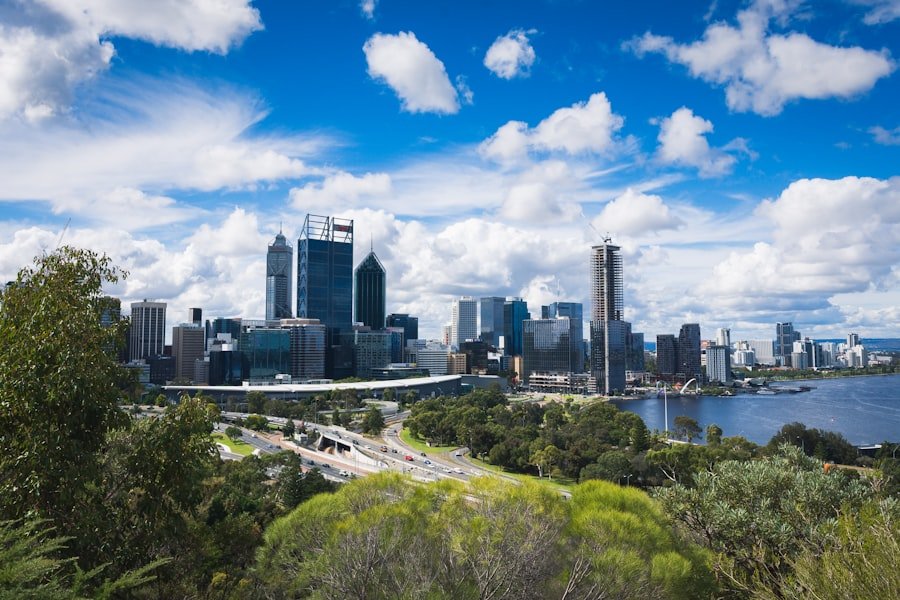
Population growth and migration trends significantly influence the Perth real estate market. Over recent years, Western Australia has seen an influx of residents from other states and countries seeking employment opportunities and a high quality of life. This migration has contributed to increased demand for housing, particularly in desirable suburbs close to amenities and employment hubs.
However, changes in migration patterns can also pose challenges for the market. Economic downturns or shifts in global circumstances may lead to reduced migration flows, impacting demand for both rental and purchase properties. Property owners must remain vigilant about these trends and consider how they may affect their investments in the long term.
Analysis of Property Prices and Sales
A comprehensive analysis of property prices and sales data reveals valuable insights into the current state of the Perth real estate market. Recent trends indicate that while some areas have experienced significant price growth, others have remained stagnant or even declined. Understanding these regional variations is crucial for buyers and sellers looking to make informed decisions.
In addition to price trends, sales volume is another critical indicator of market health. A surge in sales activity often signals strong demand and buyer confidence; conversely, declining sales can indicate market weakness. By closely monitoring these metrics, property owners can better position themselves within the market and identify opportunities for maximizing their investments.
The Role of Investors and Speculators
Investors and speculators play a pivotal role in shaping the dynamics of the Perth real estate market. While investors typically seek long-term returns through rental income or capital appreciation, speculators may engage in short-term buying and selling based on market trends. Both groups can significantly influence property prices and demand.
However, an influx of speculative activity can lead to volatility in the market. Rapid price increases driven by speculation may create unsustainable bubbles that ultimately burst when demand wanes or economic conditions shift. Property owners must be cautious about relying solely on speculative trends when making investment decisions; instead, they should focus on long-term strategies that prioritize stability and growth.
Potential Consequences of a Market Crash
A potential crash in the Perth real estate market could have far-reaching consequences for homeowners, investors, and the broader economy. Homeowners may find themselves facing negative equity if property values decline significantly below their mortgage balances. This situation can lead to financial distress and limit homeowners’ ability to sell or refinance their properties.
For investors, a market crash could result in decreased rental demand and falling property values, impacting cash flow and overall returns. Additionally, a downturn in the real estate sector can have ripple effects throughout the economy, affecting related industries such as construction, finance, and retail. Understanding these potential consequences is essential for property owners as they navigate an uncertain market landscape.
Strategies for Buyers and Sellers in a Declining Market
In a declining market, both buyers and sellers must adopt strategic approaches to navigate challenges effectively. For buyers, this may involve conducting thorough research on local market conditions and identifying properties that offer value despite broader trends. Negotiating favorable terms and being patient during the buying process can also yield positive outcomes.
Sellers facing a declining market should focus on enhancing their property’s appeal through strategic renovations or staging efforts. Pricing properties competitively is crucial; overpricing can lead to extended time on the market and missed opportunities. Collaborating with experienced real estate professionals who understand local dynamics can provide valuable insights into effective selling strategies.
Expert Predictions and Outlook for the Future
As we look ahead to the future of the Perth real estate market, expert predictions suggest a mixed outlook influenced by various factors. While some analysts anticipate continued price growth driven by strong demand from both local buyers and investors, others caution against potential headwinds such as rising interest rates or economic uncertainties. Ultimately, staying informed about market trends and seeking guidance from industry professionals will be essential for navigating this evolving landscape.
By understanding the complexities of the Perth real estate market and adopting proactive strategies, buyers and sellers can position themselves for success regardless of prevailing conditions. In conclusion, while challenges exist within the Perth real estate market, opportunities abound for those willing to adapt and stay informed. By understanding key factors influencing property values and demand—such as government policies, population changes, and economic conditions—property owners can make informed decisions that maximize their investments’ potential while mitigating risks associated with market fluctuations.
The Perth real estate market has been experiencing significant fluctuations, raising concerns about a potential crash. For those interested in understanding the broader implications of these changes, an insightful article titled “Perth 2024: A Compelling Case for Investing in Real Estate” provides a detailed analysis of the current market trends and future projections. You can read it here: Perth 2024: A Compelling Case for Investing in Real Estate.
While you are here: Boosting Home Sales in Balcatta: Strategies for Success, Revitalizing Balcatta: The Corner Block Transformation and Unlocking the Potential: Real Estate Sales in Dalkeith — worth a read if you are weighing up your options.