
A Perth building inspection guide is only useful if you actually read the report. They run to dozens of pages, and most buyers read the summary page and stop. That is understandable and it is also where money gets lost. A pre-purchase inspection is the only chance you get to see a property’s problems before they become your problems.
The purpose is not to find a reason to walk away. It is to understand what you are buying, what it will cost to maintain, and whether the price already reflects the condition.
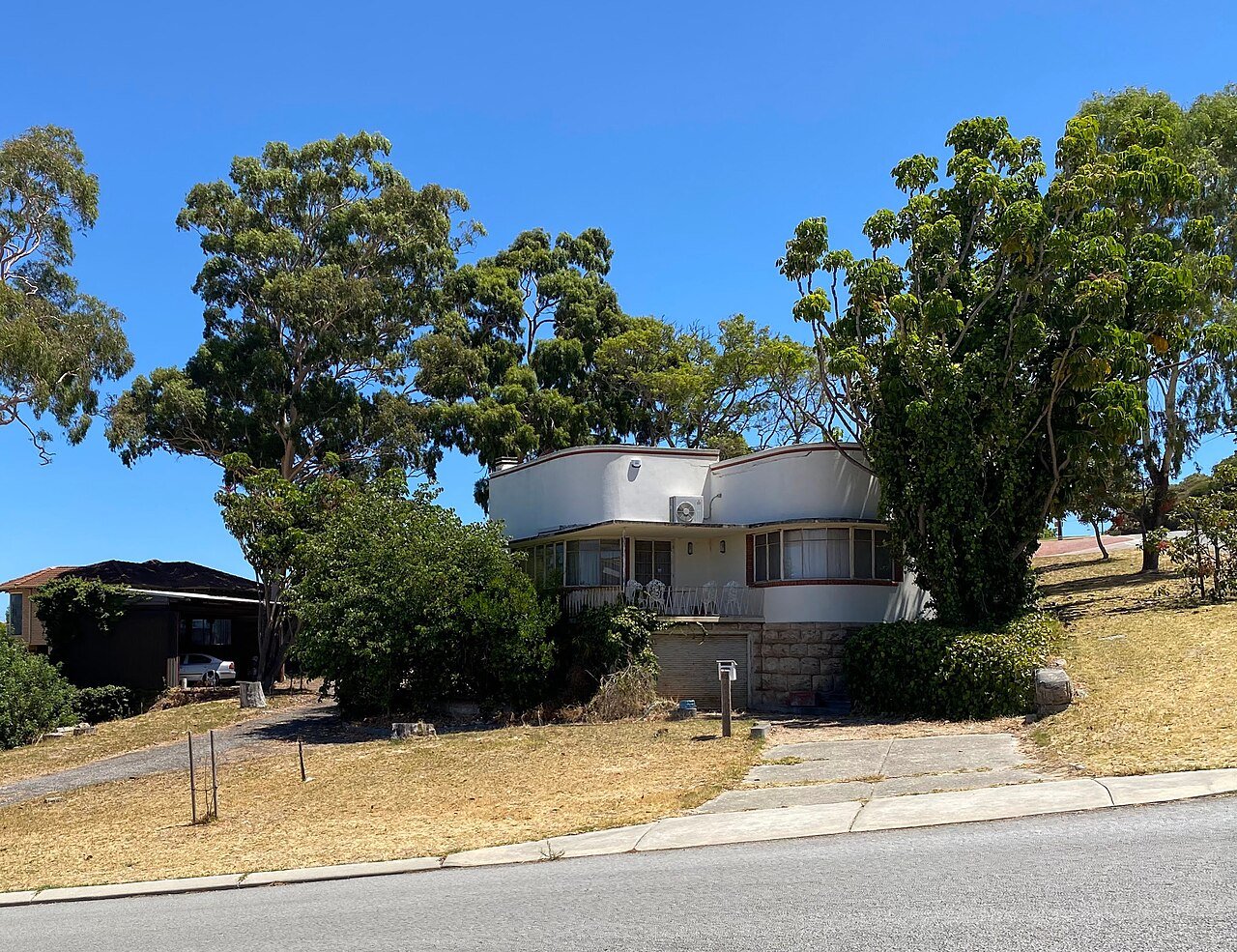
What a proper inspection covers
A standard pre-purchase inspection looks at the building fabric and the accessible services. That includes the roof exterior and interior space where accessible, the ceiling, walls, floors, windows, doors, wet areas and the subfloor where there is one.
The inspector will also report on damp and drainage, site grading, retaining walls, fences and any outbuildings that are accessible. Most will comment on the electrical board and the visible plumbing, but they do not test systems the way a specialist would.
Certain things sit outside a standard inspection, and buyers need to commission them separately:
- Pest inspection for termites and borers, which is almost always a separate report and should never be skipped.
- Structural engineering assessment where the report flags foundation concerns.
- Electrical and plumbing specialist testing where the general report raises queries.
- Asbestos identification in older homes, which requires sampling rather than visual assessment.
- Pool safety barrier compliance, which has its own regulatory requirements.
Buildings constructed before the late 1980s carry a higher likelihood of asbestos-containing materials, and buyers planning renovation should factor that into the budget rather than discover it during demolition.
When a defect should change your decision
Most reports contain a list of minor maintenance items, and those are normal. Ageing gutters, tired paint and small cracks are negotiation points rather than deal-breakers.
The findings that deserve serious weight are structural movement that is progressive, significant moisture ingress with no obvious source, failed waterproofing in wet areas, and any work that was done without approval. The last one matters because unapproved work carries risk that transfers with the property.
An inspector cannot tell you what a defect will cost to fix. That is a builder’s or specialist’s job. If the report identifies something significant, the next step is a quote, not a decision. Our guide to renovating before selling covers how to weigh repair costs against value.
How to use a Perth building inspection guide properly
Read the limitations section first. It tells you what the inspector could not access and where the report stops. Hidden roof spaces, blocked subfloors and occupied rooms all reduce the scope, and that matters when you are relying on the findings.
Then ask the inspector directly about the three things that worry you most. A short conversation usually clarifies whether a flagged item is cosmetic or consequential far faster than re-reading the language in the report.
Finally, use the report in negotiation rather than as a veto. A documented defect is a legitimate basis for a price adjustment, and sellers generally respond better to a specific quote than to a general objection.
For apartments, the building report is only half the picture. Our guide to the strata report explains what to examine in the owners corporation records before you commit.
Timing matters as well. Book the inspection as soon as the contract allows, and attend in person if you can. Being present while the inspector walks the property tells you more than the written report will, because you see where the access limits fall and which findings are routine and which are not.
If you are buying in Perth, Smart Realty can help you interpret what a report means for value in the specific suburb rather than in the abstract. When the time comes to sell, we offer free appraisals at competitive rates.