
Key Facts About Maximizing Your End of Lease Inspections in Dalkeith
The end of lease inspection process is a critical step for both tenants and landlords, serving as a formal assessment of the property’s condition at the conclusion of a rental agreement. This inspection typically occurs shortly before the tenant vacates the premises, allowing landlords to evaluate whether the property has been maintained according to the terms of the lease. It is essential for tenants to understand that this process is not merely a formality; it can significantly impact their security deposit and future rental references.
The inspection aims to identify any damages beyond normal wear and tear, ensuring that both parties are protected and that the property is returned in a satisfactory condition. During the inspection, landlords or property managers will meticulously examine various aspects of the property, including walls, floors, appliances, and outdoor areas. They will look for signs of damage, cleanliness, and overall maintenance.
Tenants should be aware that this process is governed by specific regulations, often outlined in the Residential Tenancy Act, which provides guidelines on what constitutes acceptable wear and tear versus damage. Understanding these distinctions can help tenants prepare effectively and avoid disputes over their security deposits.
Key Takeaways
- Understanding the end of lease inspection process is crucial for tenants to know what to expect and how to prepare.
- Preparing your property for inspection involves thorough cleaning, organizing, and addressing any maintenance issues.
- It’s important to differentiate between wear and tear and damage to avoid disputes during the inspection process.
- Documenting the condition of the property through photos and written notes can help protect tenants from unfair claims.
- Effective communication with the landlord or property manager can help resolve any issues and ensure a smooth inspection process.
Preparing Your Property for Inspection
Preparation is key when it comes to ensuring a smooth end-of-lease inspection. Tenants should begin by conducting a thorough walkthrough of the property, taking note of any areas that may require attention. This proactive approach allows tenants to address potential issues before the landlord arrives for the inspection.
It is advisable to create a checklist that includes all rooms and features of the property, ensuring that nothing is overlooked. By being methodical in this preparation phase, tenants can significantly reduce the likelihood of disputes regarding the property’s condition. In addition to identifying areas that need repair or cleaning, tenants should also consider making minor improvements that can enhance the overall appearance of the property.
Simple tasks such as repainting scuffed walls, replacing burnt-out light bulbs, or fixing leaky faucets can make a significant difference in how the property is perceived during the inspection. A well-maintained property not only reflects positively on the tenant but also increases the chances of receiving a full security deposit refund.
One of the most critical aspects of preparing for an end-of-lease inspection is understanding the difference between wear and tear and actual damage. Wear and tear refers to the natural deterioration that occurs over time due to normal use, such as faded paint or minor scratches on floors. On the other hand, damage involves issues that arise from neglect or misuse, such as large holes in walls or broken appliances.
Recognizing this distinction is vital for tenants as it can influence how their security deposit is handled. When preparing for an inspection, tenants should aim to address any issues that could be classified as damage while also being aware that some level of wear and tear is expected. It is beneficial to document any existing wear and tear at the beginning of the lease term, as this can serve as evidence during the inspection process.
By proactively addressing any damages and being prepared to discuss normal wear and tear with their landlord or property manager, tenants can navigate this aspect of the inspection with confidence.
Documenting the Condition of the Property

Documentation plays a crucial role in protecting both tenants and landlords during the end-of-lease inspection process. Tenants should take detailed photographs or videos of each room in the property before moving out, capturing its condition from multiple angles. This visual evidence can serve as a valuable reference point during discussions about security deposits and potential damages.
Additionally, it is wise to keep records of any communications with landlords or property managers regarding repairs or maintenance throughout the tenancy. In some cases, tenants may also want to create a written report detailing any issues they encountered during their time in the property. This report can include information about repairs made, maintenance requests submitted, and any other relevant details that demonstrate responsible tenancy.
By compiling this documentation, tenants can present a comprehensive overview of their time in the property, reinforcing their commitment to maintaining it in good condition.
Communicating with Your Landlord or Property Manager
| Communication Method | Frequency | Response Time |
|---|---|---|
| Weekly | 1-2 days | |
| Phone Call | As needed | Same day |
| In-Person Meeting | Monthly | Within a week |
Effective communication with landlords or property managers is essential throughout the end-of-lease inspection process. Tenants should not hesitate to reach out to their landlord or property manager to clarify any questions they may have regarding expectations for the inspection. Open lines of communication can help alleviate misunderstandings and ensure that both parties are on the same page regarding what needs to be addressed before the inspection takes place.
Additionally, if tenants are aware of any existing issues within the property, it is advisable to inform their landlord or property manager ahead of time. This proactive approach demonstrates responsibility and transparency, which can foster goodwill between both parties. By maintaining clear communication throughout this process, tenants can help facilitate a smoother inspection experience and potentially avoid disputes over security deposits.
Repairing Any Damages or Issues
Addressing Damages and Issues Promptly
Once tenants have identified any damages or issues within the property, it is crucial to address them promptly before the end-of-lease inspection.
DIY Repairs vs. Professional Help
Depending on the severity of the damage, tenants may choose to undertake repairs themselves or hire professionals to ensure that everything is restored to an acceptable condition. Minor repairs such as patching up small holes in walls or fixing leaky faucets can often be handled by tenants with basic DIY skills.
When to Enlist Professional Help
However, for more significant repairs or issues that require specialized knowledge, it may be wise to enlist professional help. Hiring a qualified contractor or handyman can ensure that repairs are completed correctly and efficiently, ultimately saving tenants time and stress as they prepare for their inspection.
Benefits of Repairing Damages
By taking these steps to repair any damages, tenants can demonstrate their commitment to maintaining the property and increase their chances of receiving a full security deposit refund.
Cleaning and Maintaining the Property
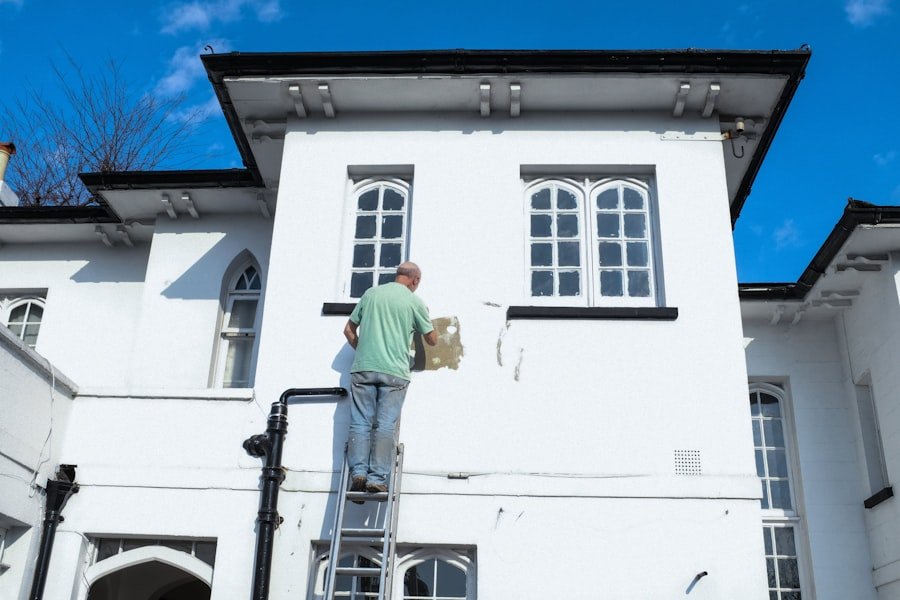
Cleaning is one of the most critical aspects of preparing for an end-of-lease inspection. A clean property not only creates a positive impression but also reflects well on tenants’ responsibility as renters. Tenants should aim to leave the property in pristine condition by thoroughly cleaning every room, including kitchens and bathrooms.
This includes scrubbing surfaces, vacuuming carpets, mopping floors, and ensuring that appliances are spotless. In addition to deep cleaning, tenants should also focus on maintaining outdoor areas if applicable. This may involve mowing lawns, trimming hedges, and removing any debris from patios or balconies.
A well-maintained exterior contributes significantly to overall curb appeal and can positively influence how landlords perceive the property’s condition during inspections. By investing time and effort into cleaning and maintaining both indoor and outdoor spaces, tenants can enhance their chances of a successful end-of-lease inspection.
Organizing Necessary Paperwork and Documentation
As tenants prepare for their end-of-lease inspection, organizing necessary paperwork and documentation is essential for a smooth process. This includes gathering lease agreements, maintenance records, correspondence with landlords or property managers, and any other relevant documents that may be needed during discussions about security deposits or repairs. Having these documents readily available can help clarify expectations and provide evidence if disputes arise.
Additionally, tenants should ensure they have copies of any move-in condition reports completed at the beginning of their tenancy. These reports serve as a baseline for assessing changes in the property’s condition over time and can be invaluable during inspections. By being organized and prepared with all necessary paperwork, tenants can navigate the end-of-lease inspection process with confidence and clarity.
Knowing Your Rights and Responsibilities as a Tenant
Understanding rights and responsibilities as a tenant is crucial when preparing for an end-of-lease inspection. Tenants should familiarize themselves with local laws governing rental agreements, including regulations related to security deposits and property maintenance standards. Knowledge of these rights empowers tenants to advocate for themselves during inspections and ensures they are treated fairly by landlords or property managers.
Moreover, being aware of responsibilities such as maintaining cleanliness and reporting damages promptly can help tenants fulfill their obligations under the lease agreement. By understanding both their rights and responsibilities, tenants can approach the end-of-lease inspection process with confidence and clarity, reducing potential conflicts with landlords.
Seeking Professional Help if Necessary
In some cases, tenants may find themselves overwhelmed by the end-of-lease inspection process or unsure about how to address specific issues within the property. In such situations, seeking professional help can be beneficial. Property management companies or real estate professionals can provide valuable guidance on preparing for inspections and navigating disputes related to security deposits.
Additionally, hiring cleaning services or repair professionals can alleviate some of the burdens associated with preparing for an inspection. These experts can ensure that properties are left in excellent condition while allowing tenants to focus on other aspects of their move-out process. By seeking professional assistance when needed, tenants can enhance their chances of a successful end-of-lease inspection while minimizing stress.
Finalizing the End of Lease Inspection Process
As tenants approach the final stages of the end-of-lease inspection process, it is essential to remain proactive and engaged until all matters are resolved. After completing necessary repairs and cleaning tasks, tenants should confirm with their landlord or property manager about scheduling a final walkthrough before vacating the premises. This walkthrough provides an opportunity for both parties to discuss any concerns or questions regarding the property’s condition.
Following this walkthrough, tenants should ensure they receive written confirmation regarding any agreements made during discussions about security deposits or repairs needed after moving out. This documentation serves as protection for both parties in case disputes arise later on. By finalizing all aspects of the end-of-lease inspection process with diligence and attention to detail, tenants can leave their rental properties on good terms while safeguarding their interests moving forward.
In conclusion, navigating the end-of-lease inspection process requires careful preparation, effective communication, and an understanding of rights and responsibilities as a tenant. By following these guidelines—addressing damages promptly, documenting conditions thoroughly, maintaining cleanliness throughout—and seeking professional assistance when necessary—tenants can ensure a smooth transition out of their rental properties while maximizing their chances of receiving full security deposit refunds.
If you are considering purchasing a property in Dalkeith, you may want to consult with a real estate buyer’s agent to ensure you are making a sound investment. Smart Realty offers services to assist buyers in finding the perfect property for their needs. Additionally, if you are looking to sell a property in Thornlie, you may want to consider working with the best realtor in the area to ensure a smooth and successful transaction. End of lease inspections in Dalkeith can also be a crucial step in the rental process, as highlighted in a recent article on rediscovering the charm and practicality of granny flats as a modern solution to housing challenges. To learn more about this topic, visit this article.
Related reading: Unlocking Potential: Martin and the Future of Property Devel — a detailed breakdown worth your time.