
Key Facts About Maximizing Returns with Warehouse Property: Insights from Martin
The warehouse property market has evolved significantly over the past few decades, becoming a vital component of the global economy. As e-commerce continues to flourish, the demand for warehouse spaces has surged, leading to a dynamic and competitive landscape. Investors and businesses alike are recognizing the importance of strategically located warehouses that can facilitate efficient distribution and logistics.
Understanding the nuances of this market is crucial for anyone looking to invest in warehouse properties, as it requires a keen awareness of trends, demands, and potential challenges. In recent years, the rise of online shopping has transformed consumer behavior, prompting businesses to rethink their supply chain strategies. This shift has resulted in an increased need for warehouses that are not only spacious but also equipped with modern amenities.
Investors must stay informed about market trends, such as the growing preference for last-mile delivery centers and the integration of technology in warehouse operations. By grasping these dynamics, investors can make informed decisions that align with current market demands and position themselves for success.
Key Takeaways
- Understanding the Warehouse Property Market: Stay informed about market trends and forecasting to make informed decisions.
- Location, Location, Location: Choose the best location for your warehouse property to attract the right tenants and maximize returns.
- Design and Layout: Optimize space for maximum returns by ensuring efficient use of the warehouse property.
- Technology and Automation: Streamline operations for efficiency and cost savings through the use of technology and automation.
- Tenant Selection: Choose the right tenants for long-term success by conducting thorough screening and selection processes.
- Maintenance and Upkeep: Ensure the property’s value by prioritizing regular maintenance and upkeep.
- Financial Management: Maximize returns through smart budgeting and financial management strategies.
- Market Trends and Forecasting: Stay ahead of the curve by staying informed about market trends and forecasting.
- Environmental Sustainability: Make the most of green initiatives to enhance the value and appeal of your warehouse property.
- Risk Management: Protect your investment in warehouse property by implementing effective risk management strategies.
- Martin’s Top Tips for Maximizing Returns with Warehouse Property: Follow Martin’s expert tips to maximize returns and success with warehouse property investments.
Location, Location, Location: Finding the Best Warehouse Property
When it comes to warehouse properties, location is paramount. The adage “location, location, location” holds true in this sector, as the right geographical positioning can significantly impact a property’s value and its potential for generating income. Proximity to major transportation hubs, such as highways, ports, and airports, is essential for ensuring efficient logistics and distribution.
Investors should prioritize locations that offer easy access to key markets and a skilled labor force, as these factors can enhance operational efficiency and attract high-quality tenants. Moreover, understanding local zoning regulations and future development plans is crucial when selecting a warehouse property. Areas undergoing revitalization or expansion may present lucrative opportunities for investors willing to take calculated risks.
Conducting thorough research on demographic trends and economic indicators can provide valuable insights into the long-term viability of a location. By carefully evaluating these factors, investors can identify prime warehouse properties that not only meet current demands but also have the potential for future growth.
Design and Layout: Optimizing Space for Maximum Returns
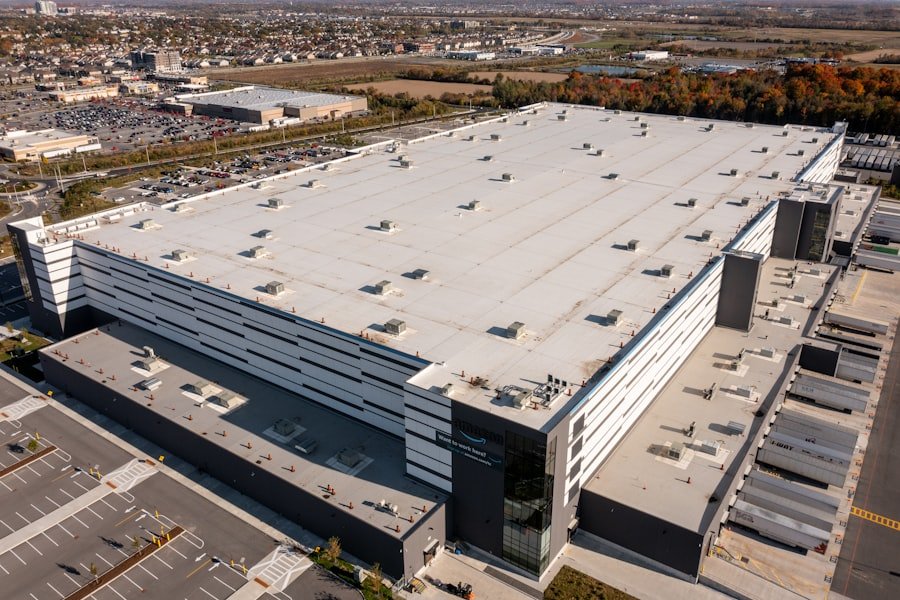
The design and layout of a warehouse play a pivotal role in maximizing returns on investment. A well-designed warehouse should prioritize functionality while accommodating the specific needs of tenants. Features such as high ceilings, wide loading docks, and efficient floor plans can enhance operational efficiency and reduce costs for businesses.
Investors should consider investing in flexible layouts that can adapt to changing tenant requirements, as this versatility can attract a broader range of potential occupants. Additionally, incorporating modern design elements that promote sustainability can further enhance a warehouse’s appeal. Energy-efficient lighting, insulation, and HVAC systems not only reduce operational costs but also align with the growing demand for environmentally responsible practices.
By prioritizing design elements that optimize space utilization and promote sustainability, investors can create warehouse properties that stand out in a competitive market while maximizing their long-term returns.
Technology and Automation: Streamlining Operations for Efficiency
| Metrics | 2018 | 2019 | 2020 |
|---|---|---|---|
| Number of automated processes | 25 | 35 | 45 |
| Percentage of time saved through automation | 15% | 25% | 35% |
| Reduction in error rates | 10% | 20% | 30% |
| Cost savings from automation | 100,000 | 150,000 | 200,000 |
In today’s fast-paced business environment, technology and automation have become indispensable tools for optimizing warehouse operations. From inventory management systems to automated picking and packing solutions, leveraging technology can significantly enhance efficiency and reduce operational costs. Investors should consider integrating advanced technologies into their warehouse properties to attract tenants seeking modern facilities that streamline their operations.
Moreover, implementing data analytics tools can provide valuable insights into inventory turnover rates, customer preferences, and operational bottlenecks. By harnessing this data, warehouse operators can make informed decisions that drive efficiency and improve overall performance. As technology continues to evolve, staying ahead of the curve by adopting innovative solutions will be crucial for investors looking to maximize returns on their warehouse properties.
Tenant Selection: Choosing the Right Tenants for Long-Term Success
Selecting the right tenants is a critical factor in ensuring the long-term success of a warehouse property. A thorough tenant screening process can help investors identify businesses that align with their property’s capabilities and have a proven track record of reliability. Factors such as financial stability, industry reputation, and operational needs should be carefully evaluated during the tenant selection process.
Building strong relationships with tenants is equally important for fostering long-term success. Open communication and responsiveness to tenant needs can lead to higher tenant satisfaction and retention rates. Additionally, offering flexible lease terms or incentives for long-term commitments can further solidify tenant relationships.
By prioritizing tenant selection and relationship-building, investors can create a stable income stream while enhancing the overall value of their warehouse properties.
Maintenance and Upkeep: Ensuring the Property’s Value

Regular maintenance and upkeep are essential for preserving the value of warehouse properties over time. Neglecting maintenance can lead to costly repairs down the line and diminish the property’s appeal to potential tenants. Investors should establish a proactive maintenance plan that includes routine inspections, timely repairs, and upgrades as needed.
This approach not only ensures that the property remains in excellent condition but also demonstrates a commitment to providing quality spaces for tenants. Investors should also consider implementing preventive maintenance measures that address potential issues before they escalate. For example, regular roof inspections can prevent leaks that may cause significant damage to inventory or equipment.
By prioritizing maintenance and upkeep, investors can protect their investment while enhancing tenant satisfaction and retention.
Financial Management: Maximizing Returns through Smart Budgeting
Effective financial management is crucial for maximizing returns on warehouse properties. Investors should develop comprehensive budgets that account for all expenses associated with property ownership, including maintenance costs, property taxes, insurance premiums, and management fees. By closely monitoring these expenses and identifying areas where cost savings can be achieved, investors can improve their overall profitability.
Additionally, exploring various financing options can provide investors with greater flexibility in managing their cash flow. Understanding interest rates, loan terms, and potential tax implications is essential for making informed financial decisions. By employing smart budgeting practices and exploring financing alternatives, investors can position themselves for long-term success in the warehouse property market.
Market Trends and Forecasting: Staying Ahead of the Curve
Staying informed about market trends and forecasting future developments is essential for making strategic investment decisions in the warehouse property sector. Investors should regularly analyze economic indicators, demographic shifts, and industry trends to identify emerging opportunities or potential challenges. Engaging with industry experts and attending relevant conferences can provide valuable insights into market dynamics.
Furthermore, leveraging technology to access real-time data on market conditions can enhance an investor’s ability to make informed decisions. By staying ahead of the curve and adapting to changing market conditions, investors can position themselves for success while minimizing risks associated with fluctuations in demand or economic downturns.
Environmental Sustainability: Making the Most of Green Initiatives
As environmental concerns continue to gain prominence, incorporating sustainability initiatives into warehouse properties has become increasingly important. Investors should consider implementing energy-efficient systems, utilizing renewable energy sources, and promoting waste reduction practices within their properties. Not only do these initiatives align with growing consumer preferences for environmentally responsible practices, but they can also lead to significant cost savings over time.
Additionally, obtaining green certifications for warehouse properties can enhance their marketability and attract tenants seeking sustainable spaces. By prioritizing environmental sustainability, investors can create properties that not only meet current demands but also contribute positively to the community while maximizing returns on investment.
Risk Management: Protecting Your Investment in Warehouse Property
Investing in warehouse properties comes with inherent risks that must be carefully managed to protect one’s investment. Conducting thorough due diligence before acquiring a property is essential for identifying potential risks associated with location, tenant stability, or market fluctuations. Investors should also consider obtaining comprehensive insurance coverage that addresses various risks associated with property ownership.
Implementing risk mitigation strategies such as diversifying the tenant mix or establishing contingency plans for economic downturns can further safeguard investments. By proactively addressing potential risks and developing robust risk management strategies, investors can protect their assets while positioning themselves for long-term success in the warehouse property market.
Martin’s Top Tips for Maximizing Returns with Warehouse Property
To maximize returns on warehouse properties, investors should prioritize strategic planning and informed decision-making throughout every stage of ownership. First and foremost, conducting thorough market research is essential for identifying prime locations with strong demand potential. Additionally, investing in modern design elements that promote efficiency and sustainability will enhance a property’s appeal to prospective tenants.
Furthermore, maintaining open lines of communication with tenants fosters positive relationships that contribute to long-term success. Regularly reviewing financial performance metrics allows investors to identify areas for improvement while ensuring effective budgeting practices are in place. Lastly, staying informed about industry trends and emerging technologies will enable investors to adapt their strategies accordingly while maximizing returns on their warehouse investments.
By following these tips and remaining proactive in their approach, investors can navigate the complexities of the warehouse property market with confidence while achieving optimal results over time.
Warehouse property investments have been gaining traction in recent years, with investors like Martin leading the charge in transforming these spaces into lucrative assets. For those interested in exploring the broader real estate market in Australia, the article on Mahi Masud: A Remarkable Name in Australia’s Real Estate Market provides valuable insights. It highlights the strategies and successes of key players in the industry, offering inspiration and guidance for both seasoned investors and newcomers looking to make their mark in the real estate sector.
See also Maximizing Community and Savings with Share Houses: Martin’s Story, Explore the Best of Britain with Martin Land Packages and Huntingdale Real Estate: High Demand Suburb for practical next steps.