
How Maximizing Returns: Investment Property Management in Mount Hawthorn Affects You
Mount Hawthorn is a vibrant suburb located just a few kilometers from Perth’s central business district, making it an attractive location for both investors and residents alike. The area boasts a rich blend of heritage architecture, modern amenities, and a strong sense of community, which contributes to its appeal. As the demand for housing continues to rise in Perth, understanding the nuances of the Mount Hawthorn market becomes essential for anyone looking to invest in property.
The suburb has seen consistent growth in property values over the years, driven by its proximity to schools, parks, cafes, and public transport options. Investors should pay close attention to market trends, including average rental yields and property appreciation rates. With a diverse demographic that includes young professionals, families, and retirees, Mount Hawthorn offers a unique opportunity for property owners to cater to various tenant needs.
By staying informed about local developments and infrastructure projects, investors can make strategic decisions that align with the evolving landscape of the suburb. This knowledge not only enhances investment potential but also ensures that property owners can adapt to changing market conditions effectively.
Key Takeaways
- Mount Hawthorn Market is a popular area for property investment with a strong demand for rental properties.
- When choosing an investment property, consider factors such as location, property type, and potential rental income.
- Set realistic financial goals by considering your budget, expected rental income, and potential expenses.
- Implement effective property management strategies to ensure the property is well-maintained and attractive to tenants.
- Finding reliable tenants is crucial for a successful investment property, consider background checks and references.
Choosing the Right Investment Property
Selecting the right investment property is a critical step in achieving long-term financial success. Investors must consider various factors, including location, property type, and potential for capital growth. In Mount Hawthorn, properties that are close to amenities such as schools, parks, and shopping centers tend to attract higher demand from tenants.
Additionally, properties that offer unique features or renovations can stand out in a competitive market, making them more appealing to prospective renters. It is also essential to evaluate the type of property that aligns with your investment strategy. Whether you are considering single-family homes, apartments, or multi-unit dwellings, each option comes with its own set of advantages and challenges.
Conducting thorough research and seeking expert advice can help investors make informed decisions that maximize their returns. By understanding the local market dynamics and identifying properties with strong growth potential, investors can position themselves for success in Mount Hawthorn.
Setting Realistic Financial Goals

Establishing clear and realistic financial goals is paramount for any property investor. These goals should encompass both short-term and long-term objectives, providing a roadmap for your investment journey. For instance, short-term goals may include achieving a specific rental yield or reducing vacancy rates, while long-term goals could focus on capital appreciation or portfolio diversification.
By setting measurable targets, investors can track their progress and make necessary adjustments along the way. Moreover, it is crucial to consider the financial implications of property ownership, including ongoing expenses such as maintenance costs, property management fees, and insurance premiums. By factoring these costs into your financial planning, you can develop a comprehensive budget that ensures your investment remains profitable.
Engaging with financial advisors or property management experts can provide valuable insights into setting achievable goals that align with your overall investment strategy.
Implementing Effective Property Management Strategies
| Property Management Strategy | Metrics |
|---|---|
| Regular Maintenance | Percentage of maintenance requests completed on time |
| Tenant Satisfaction | Survey results on tenant satisfaction with property management |
| Occupancy Rate | Percentage of occupied units in the property |
| Rent Collection | Percentage of rent collected on time |
| Cost Control | Comparison of actual expenses to budgeted expenses |
Effective property management is essential for maximizing returns and ensuring tenant satisfaction. A proactive approach to property management involves regular communication with tenants, timely maintenance responses, and thorough screening processes for prospective renters. By fostering positive relationships with tenants, property owners can reduce turnover rates and create a stable rental income stream.
Additionally, implementing technology-driven solutions can streamline property management processes. From online rent collection to maintenance request tracking systems, leveraging technology can enhance efficiency and improve tenant experiences. A well-managed property not only attracts quality tenants but also contributes to long-term value appreciation.
By prioritizing effective management strategies, investors can safeguard their investments while providing a comfortable living environment for tenants.
Finding Reliable Tenants
Finding reliable tenants is one of the most critical aspects of successful property management. A thorough tenant screening process is essential to ensure that prospective renters meet specific criteria, including creditworthiness, rental history, and employment stability. By conducting background checks and verifying references, property owners can mitigate risks associated with late payments or property damage.
Moreover, marketing the property effectively can attract a diverse pool of potential tenants. High-quality photographs, detailed descriptions, and strategic advertising on popular rental platforms can significantly increase visibility and interest in the property. By investing time and effort into finding the right tenants, property owners can create a positive rental experience that benefits both parties.
Maintaining the Property
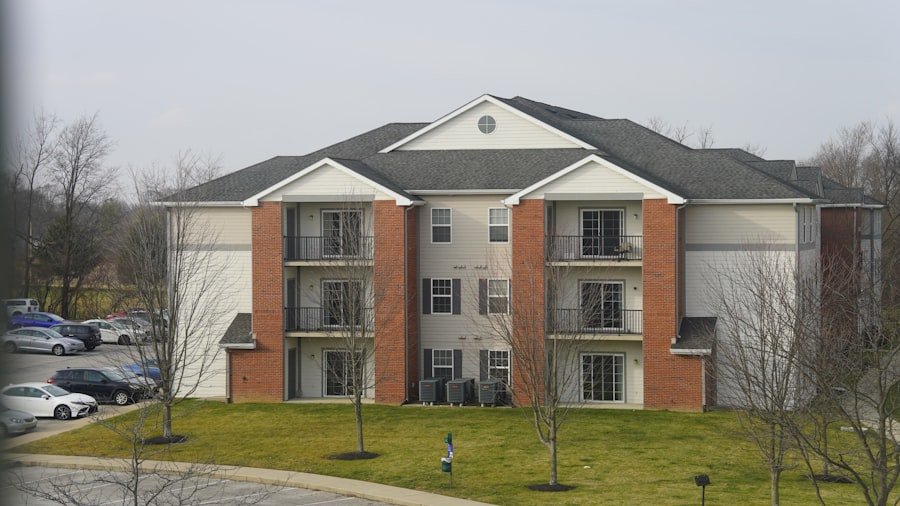
Regular maintenance is vital for preserving the value of an investment property and ensuring tenant satisfaction. A well-maintained property not only attracts quality tenants but also minimizes costly repairs in the long run. Property owners should establish a routine maintenance schedule that includes regular inspections, landscaping upkeep, and prompt repairs of any issues that arise.
Additionally, being proactive about maintenance can enhance tenant retention rates. When tenants feel that their living environment is well-cared for and responsive to their needs, they are more likely to renew their leases and recommend the property to others. By prioritizing maintenance efforts, property owners can create a positive reputation in the rental market while safeguarding their investment’s value.
Handling Legal and Financial Responsibilities
Navigating the legal and financial responsibilities associated with property ownership can be complex. Property owners must comply with various regulations outlined in the Residential Tenancy Act 1987 to protect both their interests and those of their tenants. Understanding these legal obligations is crucial for avoiding potential disputes or penalties.
Additionally, maintaining accurate financial records is essential for effective property management. This includes tracking income from rent payments, documenting expenses related to maintenance and repairs, and preparing for tax obligations. Engaging with professionals such as accountants or property managers can help ensure compliance with legal requirements while providing valuable insights into optimizing financial performance.
Leveraging Technology for Property Management
In today’s digital age, leveraging technology is essential for efficient property management. Various software solutions are available to streamline processes such as tenant screening, rent collection, and maintenance requests. By utilizing these tools, property owners can save time and reduce administrative burdens while enhancing tenant experiences.
Moreover, technology can facilitate better communication between landlords and tenants. Online portals allow tenants to submit maintenance requests or pay rent conveniently while providing landlords with real-time updates on property performance. By embracing technology in property management practices, investors can improve operational efficiency and create a more responsive rental experience.
Maximizing Rental Income
Maximizing rental income requires a strategic approach that considers market trends and tenant preferences. Setting competitive rental rates based on thorough market analysis ensures that properties remain attractive to potential renters while generating optimal returns for owners. Additionally, offering flexible lease terms or including utilities in rental agreements can enhance appeal and attract a broader range of tenants.
Furthermore, investing in property upgrades or renovations can significantly increase rental income potential. Modernizing kitchens or bathrooms or enhancing outdoor spaces can make properties more desirable in a competitive market. By continuously evaluating rental strategies and making necessary adjustments based on market conditions, property owners can maximize their income while ensuring tenant satisfaction.
Minimizing Vacancy Rates
Minimizing vacancy rates is crucial for maintaining consistent cash flow from rental properties. A proactive marketing strategy that highlights the property’s unique features and amenities can attract potential tenants quickly. Additionally, offering incentives such as reduced security deposits or flexible lease terms can entice renters during slower market periods.
Regular communication with current tenants is also essential for minimizing vacancies. When tenants feel valued and supported throughout their tenancy experience, they are more likely to renew their leases rather than seek alternative housing options. By prioritizing tenant satisfaction and implementing effective marketing strategies, property owners can significantly reduce vacancy rates and ensure steady rental income.
Planning for Long-Term Growth and Success
Planning for long-term growth requires a comprehensive understanding of market dynamics and investment strategies. Property owners should regularly assess their portfolios to identify opportunities for expansion or diversification based on changing market conditions. Engaging with real estate professionals who possess local market expertise can provide valuable insights into emerging trends that may impact future growth.
Additionally, setting clear long-term goals allows investors to stay focused on their objectives while adapting to evolving circumstances. Whether it’s acquiring additional properties or exploring different investment avenues such as commercial real estate or development projects, having a well-defined plan ensures sustained success in the competitive real estate landscape of Mount Hawthorn.
By prioritizing tenant satisfaction, leveraging technology, and planning for long-term growth, investors can position themselves for success in this thriving suburb of Perth.
If you’re considering investment property management in Mount Hawthorn, it’s essential to explore various opportunities and strategies to maximize your returns. A related article that might be of interest is about a property on Blackboy Ct, Thornlie, WA 6108. This article provides insights into the local real estate market, potential rental yields, and management tips that could be beneficial for investors looking to expand their portfolio in the Mount Hawthorn area. By understanding the dynamics of nearby regions, investors can make more informed decisions and optimize their property management strategies.
Related reading: Top Property Management Company in Mandurah: Your Trusted Pa — a detailed breakdown worth your time.