
Why Maximizing Returns: East Perth Energy Efficient Property Investment Matters
Energy efficiency in property investment refers to the ability of a building to use less energy while maintaining the same level of comfort and functionality. This concept has gained significant traction in recent years, driven by rising energy costs, environmental concerns, and a growing awareness of sustainability among consumers. Investors are increasingly recognizing that energy-efficient properties not only contribute to a healthier planet but also offer substantial financial benefits.
By minimizing energy consumption, these properties can reduce utility bills, enhance tenant satisfaction, and ultimately increase property value. Understanding energy efficiency involves familiarizing oneself with various standards and certifications, such as the National Australian Built Environment Rating System (NABERS) and the Green Star rating system. These frameworks provide benchmarks for assessing a property’s energy performance and sustainability.
Investors who prioritize energy efficiency can make informed decisions that align with their financial goals while contributing positively to the environment. As the demand for sustainable living spaces continues to rise, understanding energy efficiency becomes a crucial aspect of successful property investment.
Key Takeaways
- Energy efficiency in property investment can lead to long-term financial and environmental benefits.
- Investing in energy efficient properties can result in cost savings, increased property value, and reduced environmental impact.
- Identifying energy efficient properties in East Perth requires a thorough understanding of sustainable design and technology.
- Potential returns on energy efficient property investments can be calculated by considering factors such as energy savings, government incentives, and property value appreciation.
- Implementing energy saving strategies in property management can lead to reduced operational costs and increased tenant satisfaction.
The Benefits of Investing in Energy Efficient Properties
Investing in energy-efficient properties offers a multitude of benefits that extend beyond mere financial returns. One of the most compelling advantages is the potential for reduced operating costs. Energy-efficient buildings typically consume less electricity and water, leading to lower utility bills for both property owners and tenants.
This cost-saving aspect not only enhances cash flow but also makes properties more attractive to prospective tenants who are increasingly seeking sustainable living options. Moreover, energy-efficient properties often enjoy higher occupancy rates and longer lease terms. Tenants are more likely to choose homes that offer lower energy costs and a reduced carbon footprint.
This demand can translate into increased rental income and property appreciation over time. Additionally, many energy-efficient properties qualify for government incentives and rebates, further enhancing their financial appeal. By investing in energy-efficient properties, investors position themselves at the forefront of a growing market trend that prioritizes sustainability and responsible living.
Identifying Energy Efficient Properties in East Perth
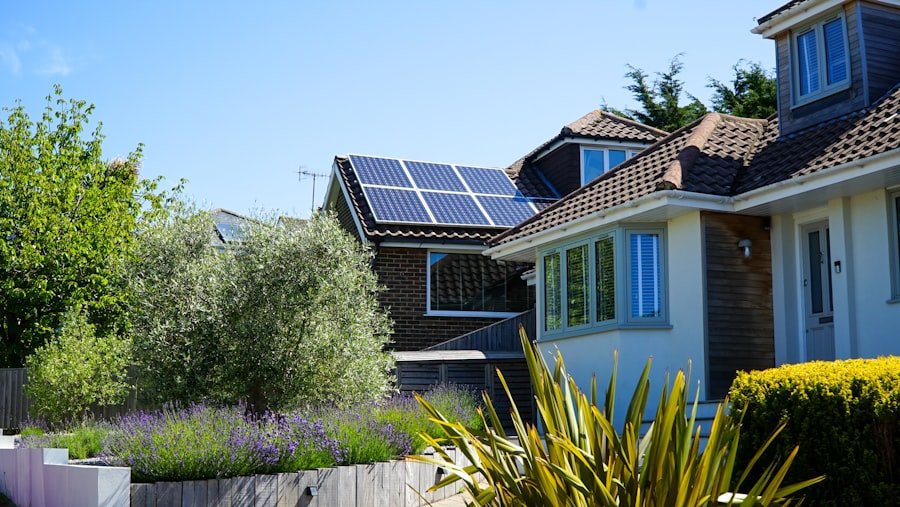
Identifying energy-efficient properties in East Perth requires a keen eye for specific features and certifications that indicate a building’s energy performance. Prospective investors should look for properties with high NABERS ratings or Green Star certifications, as these indicators reflect a commitment to sustainability and energy efficiency. Additionally, features such as double-glazed windows, high-quality insulation, energy-efficient appliances, and smart home technology can significantly enhance a property’s energy performance.
Another effective strategy for identifying energy-efficient properties is to engage with local real estate agents who specialize in sustainable properties. These professionals possess valuable insights into the market and can help investors locate hidden gems that meet their energy efficiency criteria. Furthermore, attending open houses and property expos focused on sustainable living can provide firsthand experience with energy-efficient designs and technologies.
By actively seeking out these properties, investors can make informed decisions that align with their sustainability goals while maximizing their investment potential.
Calculating Potential Returns on Energy Efficient Property Investments
| Property Investment | Potential Return | Energy Efficiency Improvement |
|---|---|---|
| Residential Building | 10% | Installation of energy-efficient appliances |
| Commercial Building | 15% | Upgrading HVAC system |
| Industrial Facility | 20% | Implementing LED lighting |
Calculating potential returns on energy-efficient property investments involves analyzing various financial metrics that reflect both immediate cash flow and long-term appreciation. One of the primary metrics to consider is the capitalization rate (cap rate), which measures the property’s net operating income relative to its purchase price. Energy-efficient properties often command higher rental rates due to their lower operating costs, resulting in improved cap rates compared to traditional properties.
Additionally, investors should consider the potential for increased property value over time. Energy-efficient properties are becoming increasingly desirable in the market, leading to higher resale values. Conducting a comparative market analysis (CMA) can help investors assess how similar energy-efficient properties have performed in terms of appreciation.
Implementing Energy Saving Strategies in Property Management
Implementing energy-saving strategies in property management is essential for maximizing the benefits of energy-efficient investments. Property managers should conduct regular energy audits to identify areas where improvements can be made, such as upgrading lighting systems to LED technology or installing programmable thermostats. These small changes can lead to significant reductions in energy consumption and costs over time.
Additionally, fostering a culture of sustainability among tenants can further enhance energy efficiency efforts. Property managers can encourage tenants to adopt energy-saving practices, such as turning off lights when not in use or utilizing natural light during the day. Providing educational resources on sustainable living can empower tenants to take an active role in reducing their environmental impact while also benefiting from lower utility bills.
By implementing these strategies, property managers can create a win-win situation for both property owners and tenants.
Leveraging Government Incentives for Energy Efficient Property Investments
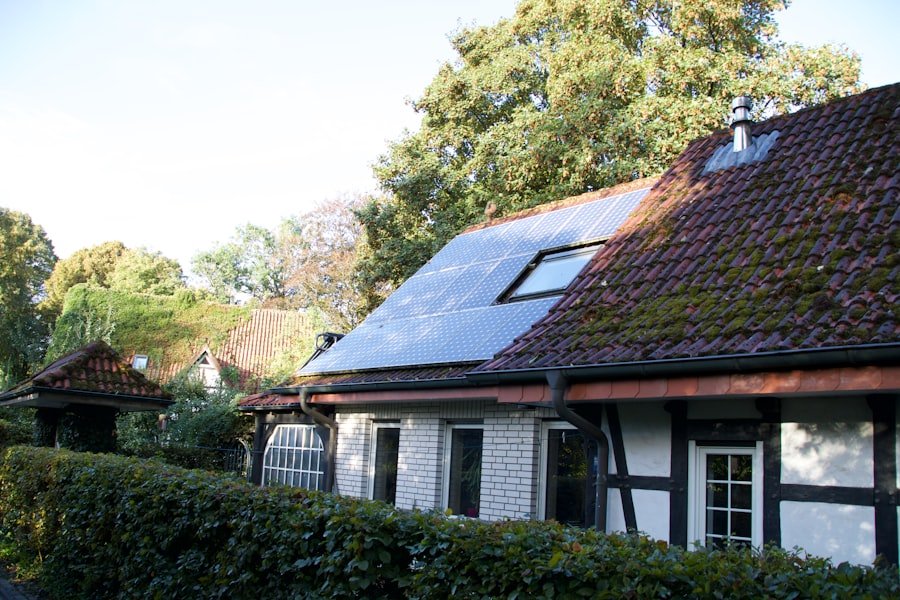
Government incentives play a crucial role in promoting energy-efficient property investments by providing financial support and resources for investors. Various programs at both state and federal levels offer rebates, tax credits, and grants for property owners who implement energy-saving measures or invest in renewable energy technologies. For instance, the Australian government has introduced initiatives aimed at encouraging the installation of solar panels, which can significantly reduce electricity costs for property owners.
Investors should stay informed about available incentives and take advantage of these opportunities to enhance their return on investment. Engaging with local government agencies or industry associations can provide valuable insights into current programs and eligibility requirements. By leveraging government incentives, investors can offset initial costs associated with energy-efficient upgrades while positioning themselves as leaders in sustainable property investment.
Incorporating Sustainable Design and Technology in Property Development
Incorporating sustainable design and technology into property development is essential for creating energy-efficient buildings that meet modern standards of living. Sustainable design principles focus on minimizing environmental impact while maximizing functionality and aesthetics. This approach includes utilizing eco-friendly materials, optimizing natural light through strategic architectural design, and implementing water-saving fixtures.
Moreover, integrating smart technology into property development can significantly enhance energy efficiency. Smart home systems allow residents to monitor and control their energy usage through mobile applications, enabling them to make informed decisions about their consumption patterns. Features such as smart thermostats, automated lighting systems, and energy monitoring devices contribute to a more sustainable living environment while providing convenience for residents.
By embracing sustainable design and technology, developers can create properties that not only meet current market demands but also contribute positively to the environment.
Evaluating the Long-Term Financial and Environmental Impact of Energy Efficient Investments
Evaluating the long-term financial and environmental impact of energy-efficient investments requires a comprehensive analysis of both quantitative and qualitative factors. Financially, investors should consider the total cost of ownership over the property’s lifespan, including initial investment costs, ongoing maintenance expenses, and potential savings from reduced utility bills. Additionally, assessing the property’s appreciation potential in relation to market trends can provide valuable insights into its long-term value.
From an environmental perspective, the impact of energy-efficient investments extends beyond individual properties to contribute positively to community sustainability efforts. By reducing overall energy consumption and greenhouse gas emissions, these investments play a vital role in combating climate change and promoting healthier living environments. Investors who prioritize sustainability not only enhance their financial returns but also contribute to a more sustainable future for generations to come.
Working with Energy Efficiency Experts and Consultants
Collaborating with energy efficiency experts and consultants is essential for maximizing the benefits of energy-efficient property investments. These professionals possess specialized knowledge and experience in identifying opportunities for improvement and implementing effective strategies tailored to specific properties. Engaging with experts can help investors navigate complex regulations, access government incentives, and ensure compliance with industry standards.
Furthermore, consultants can conduct thorough energy audits to assess a property’s performance and recommend targeted upgrades that yield the highest return on investment. By leveraging their expertise, investors can make informed decisions that align with their sustainability goals while optimizing their financial outcomes. Working with energy efficiency experts not only enhances the overall quality of investments but also positions investors as leaders in responsible property management.
Marketing Energy Efficient Properties to Potential Tenants and Buyers
Marketing energy-efficient properties effectively requires a strategic approach that highlights their unique benefits to potential tenants and buyers. Emphasizing lower utility costs, enhanced comfort levels, and environmental responsibility can resonate with today’s eco-conscious consumers. Utilizing digital marketing platforms, social media channels, and targeted advertising campaigns can help reach a wider audience interested in sustainable living options.
Additionally, showcasing certifications such as NABERS ratings or Green Star certifications can lend credibility to marketing efforts and attract discerning buyers or tenants who prioritize sustainability. Hosting open houses or virtual tours that emphasize the property’s energy-efficient features can provide prospective clients with firsthand experience of its benefits. By effectively marketing energy-efficient properties, investors can differentiate themselves in a competitive market while appealing to a growing demographic seeking sustainable living solutions.
Case Studies of Successful Energy Efficient Property Investments in East Perth
Examining case studies of successful energy-efficient property investments in East Perth provides valuable insights into best practices and strategies that yield positive results. One notable example is a multi-unit residential development that incorporated solar panels, rainwater harvesting systems, and high-quality insulation materials. This project not only achieved significant reductions in operating costs but also garnered high demand from environmentally conscious tenants seeking sustainable living options.
Another case study involves a commercial property that underwent extensive retrofitting to improve its energy efficiency ratings. By upgrading lighting systems to LED technology and implementing smart building management systems, the property owner was able to attract high-profile tenants willing to pay premium rents for sustainable office spaces. These success stories illustrate how strategic investments in energy efficiency can lead to enhanced financial performance while contributing positively to the community’s sustainability goals.
In conclusion, investing in energy-efficient properties presents a unique opportunity for investors looking to maximize returns while contributing positively to the environment. By understanding the principles of energy efficiency, leveraging government incentives, incorporating sustainable design elements, and effectively marketing these properties, investors can position themselves at the forefront of a growing market trend that prioritizes sustainability and responsible living.
Investing in energy-efficient properties in East Perth is becoming increasingly popular among environmentally conscious buyers and investors looking to reduce their carbon footprint while maximizing returns. A related article that delves into the broader real estate landscape in Perth, including insights into energy-efficient investments, can be found on Smart Realty’s website. This article, titled “Navigating Perth’s Real Estate with Ease: The Exemplary Services of Smart Realty, Your Premier Relocation Realtor,” provides valuable information on the services offered by Smart Realty, which can assist potential investors in making informed decisions. For more details, you can read the full article here.
FAQs
What is an energy efficient investment property?
An energy efficient investment property is a real estate property that has been designed and built with energy efficiency in mind. This can include features such as solar panels, energy-efficient appliances, insulation, and other sustainable building materials.
Why is investing in an energy efficient property beneficial?
Investing in an energy efficient property can be beneficial for several reasons. It can lead to lower utility costs for the owner, attract environmentally conscious tenants, and contribute to reducing the property’s carbon footprint.
What are the potential financial savings of owning an energy efficient investment property?
Owning an energy efficient investment property can lead to potential financial savings in the form of reduced energy bills, tax incentives for energy-efficient upgrades, and potentially higher property values due to the growing demand for sustainable properties.
What are some common features of an energy efficient investment property?
Common features of an energy efficient investment property can include energy-efficient windows and doors, high-efficiency heating and cooling systems, LED lighting, water-saving fixtures, and renewable energy sources such as solar panels.
How can I find an energy efficient investment property in East Perth?
To find an energy efficient investment property in East Perth, you can work with a real estate agent who specializes in sustainable properties, search online listings for properties with energy-efficient features, and consider new construction developments that prioritize energy efficiency.
You may also find these helpful: Prime Belmont Industrial Property: A Smart Investment and Invest in Southern River WA Land.