
Understanding Maximizing Returns
The commercial property market in Bayswater, WA 6053, is a dynamic and evolving landscape that presents both opportunities and challenges for investors and property managers alike. This suburb, located just 10 kilometers from Perth’s central business district, has seen significant growth in recent years, driven by its strategic location, accessibility, and a burgeoning local economy. Understanding the nuances of this market is crucial for anyone looking to invest in commercial properties here.
The demand for retail spaces, office buildings, and industrial properties has been on the rise, fueled by a growing population and an influx of businesses seeking to capitalize on the area’s potential. Investors must be aware of the various factors influencing the commercial property market in Bayswater. Economic indicators such as employment rates, population growth, and infrastructure developments play a pivotal role in shaping market trends.
Additionally, understanding the local demographics and consumer behavior can provide valuable insights into the types of commercial properties that are likely to thrive. With a mix of established businesses and new ventures emerging, Bayswater offers a unique blend of stability and growth potential that savvy investors can leverage to their advantage.
Key Takeaways
- Bayswater WA 6053 has a thriving commercial property market with potential for growth and investment opportunities.
- Setting realistic investment goals for commercial properties is crucial for long-term success and profitability.
- Effective tenant screening and leasing strategies are essential for maintaining a stable and reliable tenant base.
- Developing a comprehensive maintenance and repair plan is necessary to ensure the property is well-maintained and attractive to tenants.
- Utilizing technology can streamline property management processes and improve efficiency.
Setting Realistic Investment Goals for Commercial Properties
When venturing into the commercial property market, setting realistic investment goals is paramount. Investors must take the time to define what they hope to achieve through their investments—whether it’s generating passive income, building equity, or diversifying their portfolio. Establishing clear objectives allows investors to create a roadmap for success and make informed decisions that align with their financial aspirations.
For instance, an investor focused on long-term wealth accumulation may prioritize properties with strong appreciation potential, while someone seeking immediate cash flow might opt for fully leased properties with reliable tenants. Moreover, it is essential to consider the time frame for achieving these goals. Short-term investments may require a different strategy compared to long-term holdings.
Investors should also assess their risk tolerance and financial capacity to ensure that their goals are not only ambitious but also attainable. By conducting thorough market research and consulting with experienced professionals, investors can set realistic expectations that will guide their decision-making process and ultimately lead to successful outcomes in the competitive commercial property landscape.
Implementing Effective Tenant Screening and Leasing Strategies
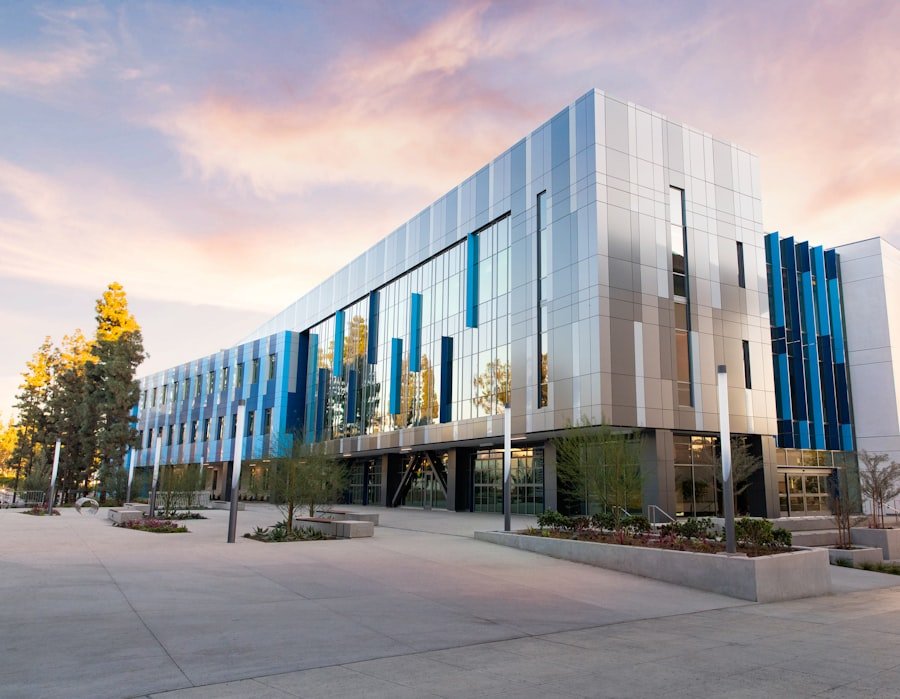
One of the most critical aspects of managing commercial properties is implementing effective tenant screening and leasing strategies. The quality of tenants can significantly impact the overall success of an investment, making it essential to conduct thorough background checks and assessments before entering into lease agreements. This process involves evaluating potential tenants’ financial stability, business history, and creditworthiness to ensure they can meet their rental obligations.
A rigorous screening process not only minimizes the risk of late payments or defaults but also fosters a positive landlord-tenant relationship built on trust and reliability. In addition to screening tenants, developing comprehensive leasing strategies is vital for maximizing occupancy rates and minimizing turnover. This includes crafting clear and concise lease agreements that outline the terms and conditions of the tenancy while protecting both parties’ interests.
Offering flexible lease terms or incentives can also attract high-quality tenants and encourage long-term commitments. By prioritizing tenant satisfaction through responsive communication and addressing concerns promptly, property managers can create a stable rental environment that benefits both landlords and tenants alike.
Developing a Comprehensive Maintenance and Repair Plan
| Task | Frequency | Responsible | Cost |
|---|---|---|---|
| Inspecting equipment | Monthly | Maintenance team | 500 |
| Replacing filters | Quarterly | Facility manager | 300 |
| Repairing plumbing issues | As needed | Maintenance team | 1000 |
| Upgrading electrical systems | Annually | Electrician | 2000 |
A well-structured maintenance and repair plan is essential for preserving the value of commercial properties and ensuring tenant satisfaction. Regular maintenance not only prevents costly repairs down the line but also enhances the overall appeal of the property. Property managers should establish a proactive approach to maintenance by conducting routine inspections, addressing minor issues before they escalate, and keeping detailed records of all maintenance activities.
This level of diligence demonstrates a commitment to quality management and fosters trust among tenants. Additionally, having a reliable network of contractors and service providers is crucial for executing timely repairs and maintenance tasks. Property managers should prioritize building relationships with reputable professionals who can deliver quality work at competitive prices.
By investing in preventative maintenance measures—such as HVAC servicing, plumbing checks, and landscaping upkeep—property managers can create a safe and inviting environment that attracts tenants while maximizing the property’s long-term value.
Utilizing Technology for Efficient Property Management
In today’s fast-paced world, leveraging technology is essential for efficient property management in the commercial sector. Advanced property management software can streamline various processes, from tenant screening and lease management to maintenance tracking and financial reporting. By automating routine tasks, property managers can save time and reduce administrative burdens, allowing them to focus on strategic decision-making and tenant relations.
Moreover, technology can enhance communication between property managers and tenants. Online portals enable tenants to submit maintenance requests, access important documents, and make rent payments conveniently. This level of accessibility not only improves tenant satisfaction but also fosters transparency in property management operations.
By embracing technological advancements, property managers can position themselves as forward-thinking professionals who prioritize efficiency and tenant experience.
Enhancing Property Value through Renovations and Upgrades

Investing in renovations and upgrades is a powerful strategy for enhancing the value of commercial properties. As market demands evolve, property owners must adapt their spaces to meet contemporary standards and attract high-quality tenants. Whether it’s modernizing office spaces with open floor plans or upgrading retail environments with appealing aesthetics, thoughtful renovations can significantly increase a property’s appeal and rental income potential.
Additionally, energy-efficient upgrades—such as installing LED lighting or improving insulation—can reduce operating costs while appealing to environmentally conscious tenants. These enhancements not only contribute to sustainability efforts but also position properties as desirable options in a competitive market. By strategically investing in renovations that align with tenant needs and market trends, property owners can maximize their return on investment while ensuring long-term success.
Establishing Strong Relationships with Local Businesses and Community
Building strong relationships with local businesses and the community is essential for successful commercial property management. Engaging with neighboring businesses fosters a sense of collaboration that can lead to mutually beneficial partnerships. For instance, cross-promotional opportunities between businesses can drive foot traffic to retail spaces while enhancing the overall vibrancy of the area.
Moreover, being actively involved in community initiatives demonstrates a commitment to social responsibility and enhances the property’s reputation within the local market. Property managers should consider participating in local events or supporting charitable causes that resonate with the community’s values. By establishing a positive presence within the community, property managers can create goodwill that translates into tenant loyalty and long-term success.
Implementing Sustainable and Eco-Friendly Practices in Property Management
Sustainability is becoming increasingly important in commercial property management as tenants seek environmentally responsible options. Implementing eco-friendly practices not only aligns with current market trends but also contributes to cost savings through reduced energy consumption. Property managers should consider incorporating sustainable features such as solar panels, rainwater harvesting systems, or energy-efficient appliances into their properties.
Additionally, promoting recycling programs and encouraging tenants to adopt sustainable practices can foster a culture of environmental responsibility within the building. By prioritizing sustainability initiatives, property managers can attract eco-conscious tenants while enhancing the property’s overall value in an increasingly competitive market.
Maximizing Revenue through Strategic Marketing and Tenant Retention
Effective marketing strategies are crucial for maximizing revenue in commercial property management. Property managers should develop comprehensive marketing plans that highlight the unique features of their properties while targeting specific tenant demographics. Utilizing online platforms, social media channels, and traditional advertising methods can help reach potential tenants effectively.
Moreover, tenant retention strategies play a vital role in maintaining consistent revenue streams. By prioritizing tenant satisfaction through responsive communication, regular engagement, and addressing concerns promptly, property managers can foster long-term relationships that reduce turnover rates. Offering incentives for lease renewals or creating loyalty programs can further enhance tenant retention efforts while ensuring stable cash flow for property owners.
Navigating Legal and Regulatory Compliance in Commercial Property Management
Navigating legal and regulatory compliance is a critical aspect of commercial property management that cannot be overlooked. Property managers must stay informed about local laws, zoning regulations, health codes, and safety standards to ensure compliance at all times. Failure to adhere to these regulations can result in costly fines or legal disputes that jeopardize both the property owner’s investment and tenant safety.
To mitigate risks associated with legal compliance, property managers should establish clear policies and procedures that align with current regulations. Regular training sessions for staff members on compliance matters can further enhance awareness and accountability within the organization. By prioritizing legal compliance as part of their operational strategy, property managers can protect their clients’ interests while fostering a safe environment for tenants.
Evaluating and Adjusting Property Management Strategies for Optimal Returns
The commercial property landscape is constantly evolving; therefore, evaluating and adjusting property management strategies is essential for achieving optimal returns on investment. Regular performance assessments allow property managers to identify areas for improvement while capitalizing on emerging opportunities within the market. This proactive approach ensures that management practices remain aligned with changing tenant needs and market dynamics.
Additionally, soliciting feedback from tenants can provide valuable insights into their experiences and expectations. By actively seeking input from tenants regarding their satisfaction levels or desired improvements, property managers can make informed adjustments that enhance tenant retention rates while maximizing revenue potential. Ultimately, a commitment to continuous evaluation and adaptation will position property managers as industry leaders capable of delivering exceptional results for their clients in an ever-changing commercial landscape.
If you are interested in learning more about commercial property management in Bayswater WA 6053, you may also want to check out Smart Realty’s article on commercial properties for lease. This article provides valuable insights into the process of leasing commercial properties and the benefits it can offer to both landlords and tenants. Additionally, Smart Realty also offers information on property investment and special needs education in Perth, catering to a wide range of real estate interests and needs.
For context on how this applies locally, our coverage of Spacious Southern River Homes with Large Backyards is a good companion piece.