
A Closer Look at Maximizing Rental Returns with Property Managers Martin
Engaging a property manager can be one of the most astute decisions an investor can make. The complexities of property management can be overwhelming, especially for those who are new to the real estate market or who own multiple properties. A professional property manager brings a wealth of experience and expertise to the table, ensuring that your investment is not only well-maintained but also profitable.
They handle everything from tenant screening and lease agreements to maintenance requests and rent collection, allowing property owners to focus on other priorities without the constant worry of day-to-day management. Moreover, property managers are well-versed in local laws and regulations, which can be a minefield for the uninitiated. They ensure compliance with all legal requirements, protecting property owners from potential lawsuits or fines.
This level of professionalism not only safeguards your investment but also enhances its value over time. By leveraging their knowledge and resources, property managers can help you navigate the complexities of the rental market, ultimately leading to a more successful and stress-free investment experience.
Summary
- Hiring a property manager can save you time and stress, as they handle day-to-day tasks and ensure your investment is well-maintained.
- When looking for a property manager, consider their experience, communication skills, and knowledge of local rental market trends.
- Effective marketing and tenant screening can help maximise rental income and reduce vacancy rates, leading to a more profitable investment.
- Regular property maintenance and inspections are crucial for ensuring the long-term value and desirability of your investment.
- Understanding the legal and financial responsibilities of property management is essential for staying compliant and protecting your investment.
Finding the Right Property Manager for Your Investment
Selecting the right property manager is crucial for maximising the potential of your investment. It is essential to conduct thorough research and consider various factors before making a decision. Start by seeking recommendations from fellow property owners or real estate professionals who have had positive experiences with property management companies.
Online reviews and testimonials can also provide valuable insights into a company’s reputation and reliability. Once you have shortlisted potential candidates, it is vital to conduct interviews to gauge their expertise and approach to property management. Ask about their experience in the industry, their understanding of local market trends, and their strategies for tenant retention and property maintenance.
A good property manager should demonstrate a commitment to transparency, honesty, and integrity—core values that are essential for building trust and ensuring a successful partnership. By taking the time to find the right fit, you can rest assured that your investment is in capable hands.
Maximising Rental Income through Effective Marketing and Tenant Screening
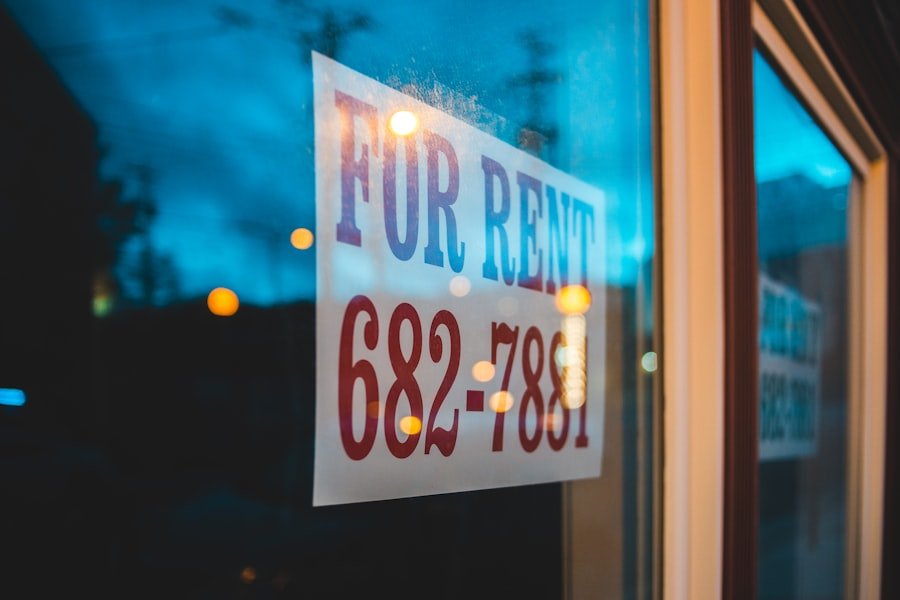
One of the primary responsibilities of a property manager is to maximise rental income for property owners. This begins with effective marketing strategies that showcase your property in the best light possible. A skilled property manager will utilise various channels, including online listings, social media, and traditional advertising methods, to attract potential tenants.
In addition to marketing, tenant screening is a critical aspect of ensuring that your rental income remains consistent. A thorough screening process helps identify reliable tenants who are likely to pay rent on time and take care of your property.
This includes background checks, credit assessments, and reference verification. By investing time and resources into finding the right tenants, property managers can significantly reduce the risk of late payments or property damage, ultimately leading to a more profitable rental experience.
The Importance of Regular Property Maintenance and Inspections
| Benefits of Regular Property Maintenance and Inspections | Importance |
|---|---|
| Preventative maintenance | Reduces the risk of costly repairs |
| Enhanced property value | Increases the value of the property |
| Improved safety | Reduces the risk of accidents and injuries |
| Extended lifespan of property | Helps to preserve the property for longer |
| Compliance with regulations | Ensures the property meets legal requirements |
Regular property maintenance and inspections are vital for preserving the value of your investment. A proactive approach to maintenance not only keeps your property in excellent condition but also enhances tenant satisfaction, leading to longer lease terms and reduced vacancy rates. A reputable property manager will implement a comprehensive maintenance plan that includes routine inspections, timely repairs, and preventative measures to address potential issues before they escalate.
Inspections should be conducted at regular intervals to ensure that the property remains in good condition and complies with safety regulations. These inspections provide an opportunity to identify any maintenance needs or tenant concerns early on, allowing for prompt resolution. By prioritising regular maintenance and inspections, property managers can help protect your investment while fostering positive relationships with tenants.
Understanding the Legal and Financial Responsibilities of Property Management
Navigating the legal landscape of property management can be daunting for many landlords. A professional property manager possesses an in-depth understanding of relevant laws and regulations, including the Residential Tenancy Act 1987. This knowledge is crucial for ensuring compliance and protecting both property owners and tenants from potential disputes or legal issues.
In addition to legal responsibilities, property managers also handle financial aspects such as budgeting, accounting, and tax reporting. They maintain accurate records of income and expenses, ensuring that property owners have a clear understanding of their financial position. By entrusting these responsibilities to a qualified property manager, landlords can minimise their risk while maximising their investment’s profitability.
Leveraging Technology and Online Platforms for Property Management

In today’s digital age, technology plays a significant role in streamlining property management processes. A forward-thinking property manager will leverage online platforms and tools to enhance efficiency and improve communication with tenants. This includes online rent payment systems, maintenance request portals, and tenant communication apps that facilitate quick responses to inquiries or concerns.
By embracing technology, property managers can provide a higher level of service while reducing administrative burdens for landlords. This not only saves time but also enhances tenant satisfaction by offering convenient solutions for everyday needs. As technology continues to evolve, staying ahead of the curve will be essential for property managers looking to deliver exceptional results for their clients.
Building Strong Relationships with Tenants to Reduce Vacancy Rates
A successful property management strategy hinges on building strong relationships with tenants. Happy tenants are more likely to renew their leases, reducing vacancy rates and ensuring a steady stream of rental income for property owners. A skilled property manager understands the importance of open communication and responsiveness in fostering positive relationships with tenants.
Regular check-ins, prompt responses to maintenance requests, and addressing tenant concerns can go a long way in creating a supportive living environment. By prioritising tenant satisfaction, property managers can cultivate loyalty among residents, ultimately leading to longer lease terms and reduced turnover costs for landlords.
Managing Property Expenses and Budgeting for Long-Term Success
Effective financial management is crucial for maximising the profitability of your investment. A competent property manager will develop a comprehensive budget that accounts for all expenses associated with managing your property, including maintenance costs, insurance premiums, and marketing expenses. By closely monitoring these costs and identifying areas for potential savings, property managers can help ensure that your investment remains financially viable.
In addition to managing expenses, property managers should also focus on long-term financial planning. This includes setting aside funds for future repairs or upgrades that may enhance the property’s value over time. By taking a proactive approach to budgeting and financial management, property managers can help secure the long-term success of your investment.
Handling Tenant Disputes and Evictions with Professionalism and Legal Compliance
Disputes between landlords and tenants are an unfortunate reality in property management. However, a professional property manager is equipped to handle these situations with tact and legal compliance. They understand the importance of following proper procedures when addressing tenant issues or initiating eviction processes.
By maintaining open lines of communication and addressing concerns promptly, property managers can often resolve disputes before they escalate into more significant problems.
Staying Updated on Local Property Market Trends and Regulations
The real estate market is constantly evolving, making it essential for property managers to stay informed about local trends and regulations. A proactive approach to market research allows property managers to make informed decisions regarding pricing strategies, marketing efforts, and tenant retention initiatives. By keeping abreast of changes in local laws or market conditions, property managers can adapt their strategies accordingly, ensuring that your investment remains competitive in an ever-changing landscape.
This commitment to ongoing education not only benefits landlords but also enhances the overall quality of service provided to tenants.
Evaluating the Performance of Your Property Manager and Making Necessary Adjustments
Regularly evaluating the performance of your property manager is essential for ensuring that your investment is being managed effectively. This includes assessing key performance indicators such as occupancy rates, tenant satisfaction levels, and financial performance metrics. By maintaining open lines of communication with your property manager, you can gain valuable insights into their strategies and identify areas for improvement.
If you find that your current property manager is not meeting your expectations or delivering the desired results, it may be time to consider making adjustments or seeking alternative options. A successful partnership relies on mutual trust and accountability; therefore, it is crucial to ensure that your property manager aligns with your goals as an investor. In conclusion, engaging a professional property manager offers numerous benefits that can significantly enhance the success of your real estate investment.
From maximising rental income through effective marketing strategies to ensuring compliance with legal requirements, a skilled property manager plays an invaluable role in safeguarding your investment while providing peace of mind. By prioritising transparency, integrity, and strong relationships with tenants, you can rest assured that your properties are in capable hands—ultimately leading to long-term success in the competitive world of real estate.
In the realm of rental property management, Martin has consistently demonstrated a keen understanding of the intricacies involved in maintaining and optimising rental properties. For those interested in delving deeper into the financial aspects of property management, an insightful article on standard property management fees in Perth provides valuable information. This piece offers a comprehensive overview of the typical costs associated with property management services, which can be crucial for both new and seasoned property managers aiming to maximise their investment returns while ensuring tenant satisfaction.
If this was useful, Rental property management Thornlie and Southern River Reliable Rental Management: The Key to Stress-Free Prop cover related questions we hear from clients every week.