
Maximizing Property Potential: Expert Advice from Forrestdale Management Pros: Key Things to Consider
In the dynamic landscape of real estate, understanding the market is paramount for identifying lucrative investment opportunities. The property market is influenced by a myriad of factors, including economic trends, demographic shifts, and local developments. Savvy investors must stay informed about these variables to make educated decisions.
For instance, areas experiencing population growth often see increased demand for housing, which can lead to higher property values. By analyzing market reports, attending local real estate seminars, and networking with industry professionals, investors can gain insights that will help them pinpoint the best opportunities. Moreover, understanding the market also involves recognizing the cyclical nature of real estate.
Markets can fluctuate between periods of growth and decline, and being able to identify these cycles can be the difference between a profitable investment and a financial misstep. Investors should look for signs of recovery in declining markets or capitalize on emerging neighborhoods before they become mainstream. By conducting thorough research and leveraging local expertise, investors can position themselves to seize opportunities that others may overlook.
Key Takeaways
- Understanding the market is crucial for identifying opportunities for property investment
- Strategic property management can increase property value through effective tips and techniques
- Budgeting for property upgrades is essential for making smart investment decisions
- Marketing your property is key to attracting the right tenants or buyers
- Leveraging technology can streamline property management processes for efficiency
Strategic Property Management: Tips for Increasing Property Value
Effective property management is crucial for maximizing property value over time. One of the most effective strategies is to maintain a proactive approach to property upkeep. Regular inspections and maintenance not only preserve the physical integrity of the property but also enhance its appeal to potential tenants or buyers.
Simple actions such as timely repairs, landscaping improvements, and routine cleaning can significantly elevate a property’s marketability. Additionally, investing in quality materials and finishes during renovations can yield substantial returns when it comes time to sell. Another key aspect of strategic property management is tenant relations.
Happy tenants are more likely to renew their leases and take better care of the property. Establishing clear communication channels and responding promptly to tenant concerns fosters a positive living environment. Furthermore, offering incentives for long-term leases or timely rent payments can encourage tenant loyalty, reducing turnover costs and ensuring consistent rental income.
By prioritizing both property maintenance and tenant satisfaction, property owners can create a sustainable model that enhances value over time.
Budgeting for Property Upgrades: Making Smart Investment Decisions

When it comes to property upgrades, budgeting is essential for making informed investment decisions. Property owners should begin by assessing which upgrades will provide the highest return on investment (ROI). For instance, kitchen and bathroom renovations typically yield significant returns, while cosmetic changes like fresh paint or new flooring can also enhance appeal without breaking the bank.
By prioritizing upgrades based on potential ROI, property owners can allocate their budgets effectively and avoid unnecessary expenditures. Additionally, it’s important to factor in the long-term benefits of certain upgrades. Energy-efficient appliances or sustainable building materials may require a higher initial investment but can lead to substantial savings in utility costs over time.
Property owners should also consider financing options that allow them to spread out costs while still reaping the benefits of upgrades. By taking a strategic approach to budgeting for property enhancements, owners can ensure that their investments align with their overall financial goals.
Marketing Your Property: Attracting the Right Tenants or Buyers
| Marketing Strategy | Metrics |
|---|---|
| Professional Photography | Number of views on property listing |
| Virtual Tours | Engagement rate on virtual tour |
| Property Description | Number of inquiries received |
| Social Media Promotion | Number of shares and comments |
| Open House Events | Number of attendees |
An effective marketing strategy is essential for attracting the right tenants or buyers to your property. In today’s digital age, leveraging online platforms is crucial for reaching a wider audience. High-quality photographs and engaging descriptions can make a significant difference in how a property is perceived.
Utilizing social media channels and real estate websites can help showcase the property’s unique features and amenities, drawing in potential renters or buyers who are actively searching for their next home. Moreover, understanding your target demographic is key to tailoring your marketing efforts. For instance, if your property is located near universities, marketing it as student-friendly with flexible lease terms may attract a younger audience.
Conversely, if your property is situated in a family-oriented neighborhood, highlighting nearby schools and parks can resonate with potential buyers or tenants looking for a long-term residence. By crafting a targeted marketing strategy that speaks directly to the needs and desires of your ideal audience, you can significantly increase your chances of securing quality tenants or buyers.
Leveraging Technology: Streamlining Property Management Processes
In an increasingly digital world, leveraging technology can greatly enhance property management processes. Property management software allows owners to streamline operations such as rent collection, maintenance requests, and tenant communication. By automating these tasks, property managers can save time and reduce the likelihood of errors.
Additionally, many software solutions offer analytics tools that provide valuable insights into occupancy rates, rental income trends, and maintenance costs, enabling data-driven decision-making. Furthermore, technology can also improve tenant experiences. Online portals allow tenants to pay rent electronically and submit maintenance requests at their convenience, fostering a sense of empowerment and satisfaction.
Virtual tours and 3D walkthroughs have become invaluable tools for showcasing properties to prospective tenants or buyers without requiring physical visits. By embracing technology in property management, owners can enhance efficiency while providing superior service to their tenants.
Sustainable Property Practices: Eco-friendly Upgrades for Long-term Value
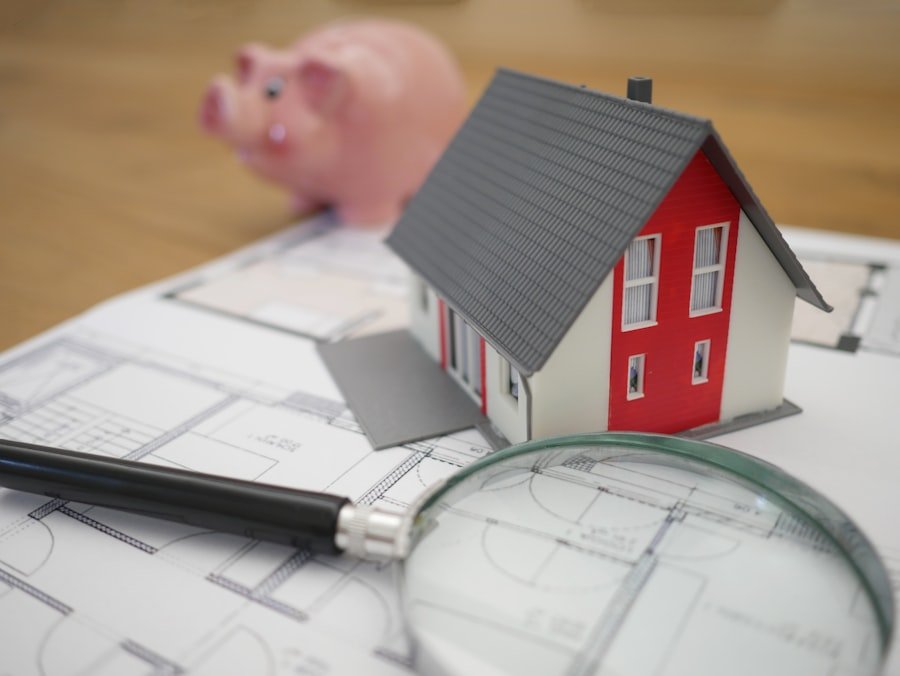
Sustainability has become an increasingly important consideration in real estate investment. Eco-friendly upgrades not only contribute to environmental conservation but also enhance long-term property value. Implementing energy-efficient systems such as solar panels, smart thermostats, and high-efficiency appliances can significantly reduce utility costs while appealing to environmentally conscious tenants or buyers.
Additionally, properties with sustainable features often command higher rental rates and resale values due to growing demand. Moreover, sustainable practices extend beyond energy efficiency; they also encompass water conservation measures such as low-flow fixtures and drought-resistant landscaping. These upgrades not only reduce environmental impact but also lower maintenance costs over time.
As more consumers prioritize sustainability in their purchasing decisions, investing in eco-friendly upgrades positions property owners favorably in a competitive market while contributing positively to the planet.
Legal Considerations: Navigating Property Regulations and Compliance
Navigating the legal landscape of property ownership is essential for protecting investments and ensuring compliance with regulations. Familiarity with local laws governing rental properties, such as tenant rights and landlord responsibilities, is crucial for avoiding legal disputes. Understanding the Residential Tenancy Act 1987 is particularly important for property owners in Perth, as it outlines the rights and obligations of both landlords and tenants.
Additionally, staying informed about changes in legislation is vital for maintaining compliance. Regularly reviewing lease agreements and ensuring they align with current laws can prevent potential legal issues down the line. Engaging with legal professionals who specialize in real estate can provide valuable guidance on navigating complex regulations and ensuring that all aspects of property management adhere to legal standards.
Building Strong Relationships: Effective Communication with Tenants and Contractors
Building strong relationships with tenants and contractors is fundamental to successful property management. Open lines of communication foster trust and transparency, which are essential for maintaining positive tenant experiences. Regular check-ins with tenants not only demonstrate that their concerns are valued but also provide opportunities to address any issues before they escalate.
Establishing clear expectations regarding lease terms and maintenance procedures further enhances tenant satisfaction. Similarly, cultivating strong relationships with contractors ensures that maintenance and repairs are handled efficiently and effectively. Reliable contractors who understand your property’s needs can provide timely service while maintaining quality standards.
By prioritizing communication and collaboration with both tenants and contractors, property owners can create a harmonious living environment that benefits all parties involved.
Maximizing Rental Income: Strategies for Setting Competitive Rental Rates
Setting competitive rental rates is crucial for maximizing rental income while attracting quality tenants. Conducting thorough market research allows property owners to gauge rental prices in their area accurately. Factors such as location, amenities, and property condition should be considered when determining rental rates.
Additionally, offering flexible lease terms or including utilities in the rent can make a property more appealing to potential tenants. Regularly reviewing rental rates in response to market trends is also essential for maintaining competitiveness. As demand fluctuates or new developments arise in the area, adjusting rental prices accordingly ensures that properties remain attractive without undervaluing them.
By employing strategic pricing strategies based on comprehensive market analysis, property owners can optimize their rental income while minimizing vacancy rates.
Property Maintenance: Preventative Measures for Long-term Property Health
Preventative maintenance is key to ensuring long-term health and value retention of any property. Regular inspections allow property owners to identify potential issues before they escalate into costly repairs. Simple tasks such as cleaning gutters, servicing HVAC systems, and checking for leaks can prevent significant damage down the line.
Establishing a routine maintenance schedule not only preserves the property’s condition but also enhances tenant satisfaction by demonstrating a commitment to their living environment. Additionally, investing in quality materials during initial construction or renovations can reduce future maintenance needs significantly. Properties built with durable materials are less likely to require frequent repairs or replacements, ultimately saving owners money over time.
By prioritizing preventative measures in property maintenance strategies, owners can safeguard their investments while ensuring that properties remain attractive to current and prospective tenants.
Exit Strategies: Knowing When to Sell or Renovate for Maximum Return on Investment
Having a clear exit strategy is essential for maximizing return on investment in real estate. Property owners should regularly assess their investments’ performance against market conditions and personal financial goals. Knowing when to sell or renovate requires careful consideration of various factors such as market trends, property condition, and potential appreciation rates.
If a property’s value has plateaued or declined due to market conditions or lack of updates, renovating may be a viable option to increase its appeal and value before selling. On the other hand, if market conditions are favorable and demand is high, selling may yield significant profits without further investment in renovations. By staying informed about market dynamics and regularly evaluating their properties’ performance against personal objectives, owners can make strategic decisions that align with their long-term financial goals.
In conclusion, navigating the complexities of property investment requires a multifaceted approach that encompasses market understanding, strategic management practices, budgeting acumen, effective marketing strategies, technological integration, sustainability considerations, legal compliance awareness, relationship building skills, income maximization techniques, preventative maintenance measures, and well-defined exit strategies. By adopting these principles into their investment strategies, property owners can position themselves for success in an ever-evolving real estate landscape while maximizing their returns on investment.
For property management experts in Forrestdale, understanding the nuances of human behavior can significantly enhance their ability to manage properties effectively. A related article that delves into this topic is available on Smart Realty’s website. It provides valuable insights into how human behavior impacts real estate dynamics, which can be particularly beneficial for property managers looking to improve tenant relations and property management strategies. You can read more about these insights by visiting the article titled “A Reflection on Human Behavior” at this link.
More on this topic: Top 50 Apartment Managers: Leading the Way in Property Management and Top Property Management Companies: Ratings and Reviews.