
Maximizing Property Assets in Fremantle WA 6160: Key Things to Consider
Fremantle, a vibrant coastal city in Western Australia, boasts a unique property market characterized by its rich history, cultural diversity, and stunning waterfront views. The local real estate landscape is influenced by various factors, including economic trends, demographic shifts, and the overall appeal of the area. As a property owner or investor, understanding these dynamics is crucial for making informed decisions that can lead to successful outcomes.
The Fremantle property market is not just about buying and selling; it’s about recognizing the potential for growth and the opportunities that lie within this thriving community. The demand for properties in Fremantle has remained robust, driven by its proximity to Perth and the allure of its lifestyle offerings. With a mix of heritage-listed buildings and modern developments, the area attracts a diverse range of buyers and renters.
Investors are particularly drawn to Fremantle due to its strong rental yields and the potential for capital appreciation. However, navigating this market requires a keen understanding of local trends, property values, and the factors that influence buyer behavior. By staying informed and leveraging expert insights, property owners can position themselves to capitalize on the opportunities that Fremantle has to offer.
Key Takeaways
- Fremantle property market is dynamic and requires a deep understanding of local trends and factors.
- Key property assets in Fremantle include heritage buildings, waterfront properties, and mixed-use developments.
- A comprehensive asset management plan should include regular property inspections, financial analysis, and tenant relationship management.
- Effective maintenance strategies involve proactive planning, regular upkeep, and timely repairs to ensure property value retention.
- Leveraging technology for property management can streamline processes, improve communication, and enhance tenant experience.
Identifying Key Property Assets in Fremantle
Identifying key property assets in Fremantle involves a thorough analysis of the local market and an understanding of what makes certain properties more desirable than others. Factors such as location, property type, and amenities play a significant role in determining the value of a property. For instance, properties located near the waterfront or within walking distance of popular attractions tend to command higher prices and attract more interest from potential buyers and tenants.
Additionally, understanding the demographics of the area can help identify which types of properties are in demand, whether they be family homes, apartments, or commercial spaces. Moreover, it is essential to consider the condition and features of the properties themselves. Well-maintained homes with modern amenities are more likely to attract buyers willing to pay a premium.
Property owners should also be aware of any unique selling points their assets may have, such as historical significance or eco-friendly features. By conducting a comprehensive assessment of their properties and the surrounding market, owners can make strategic decisions that enhance their investment potential and ensure they are maximizing their returns.
Developing a Comprehensive Asset Management Plan
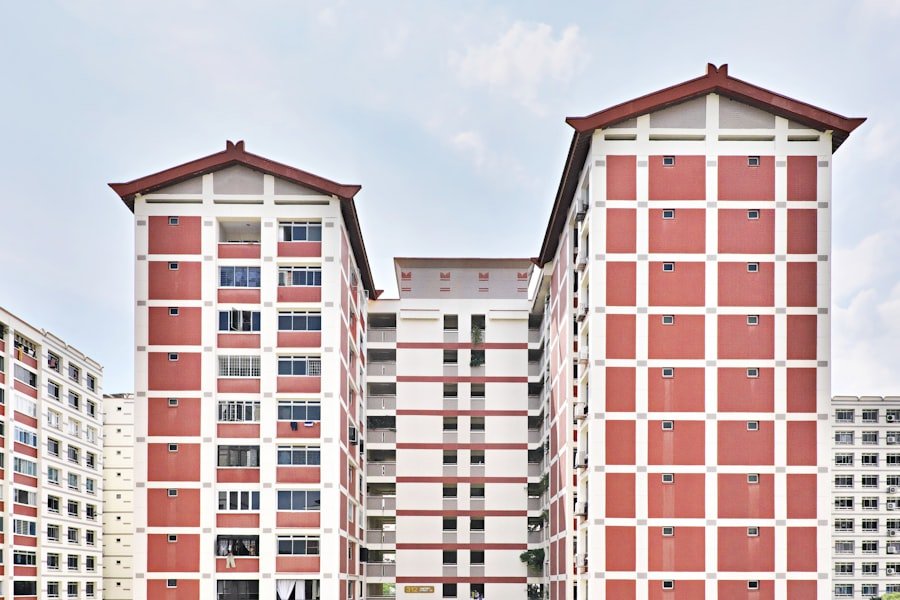
A comprehensive asset management plan is vital for property owners looking to optimize their investments in Fremantle. This plan should encompass various aspects of property management, including financial planning, maintenance schedules, tenant relations, and compliance with local regulations. By taking a holistic approach to asset management, property owners can ensure that their investments are well cared for and positioned for long-term success.
The first step in developing an effective asset management plan is to set clear objectives. Property owners should define what they hope to achieve with their investments, whether it be maximizing rental income, increasing property value, or ensuring tenant satisfaction. Once these goals are established, owners can create actionable strategies that align with their objectives.
This may involve regular property assessments, proactive maintenance measures, and ongoing communication with tenants to address any concerns promptly. By prioritizing these elements, property owners can create a solid foundation for their asset management efforts.
Implementing Effective Maintenance Strategies
| Metrics | Value |
|---|---|
| Overall Equipment Effectiveness (OEE) | 85% |
| Mean Time Between Failures (MTBF) | 500 hours |
| Mean Time to Repair (MTTR) | 2 hours |
| Planned Maintenance Percentage | 90% |
| Unplanned Downtime | 5% |
Effective maintenance strategies are crucial for preserving the value of properties in Fremantle and ensuring tenant satisfaction. Regular maintenance not only prevents costly repairs down the line but also enhances the overall appeal of a property. Property owners should establish a proactive maintenance schedule that includes routine inspections, timely repairs, and seasonal upkeep tasks.
This approach helps identify potential issues before they escalate and ensures that properties remain in excellent condition. In addition to routine maintenance, property owners should also consider implementing upgrades that enhance the functionality and aesthetics of their properties. This could include energy-efficient appliances, modern fixtures, or landscaping improvements that boost curb appeal.
By investing in these enhancements, property owners can attract higher-quality tenants and command better rental rates. Ultimately, a commitment to effective maintenance strategies not only protects property value but also fosters positive relationships with tenants who appreciate living in well-maintained environments.
Leveraging Technology for Property Management
In today’s digital age, leveraging technology for property management has become essential for maximizing efficiency and enhancing tenant experiences. Various software solutions and platforms are available that streamline processes such as rent collection, maintenance requests, and tenant communication. By adopting these technologies, property owners can save time and reduce administrative burdens while providing tenants with convenient access to services.
Moreover, technology can also play a significant role in marketing properties effectively. High-quality photos, virtual tours, and online listings can attract potential tenants or buyers more efficiently than traditional methods. Social media platforms can also be utilized to reach a broader audience and showcase properties in an engaging manner.
By embracing technology in all aspects of property management, owners can stay competitive in the Fremantle market and ensure they are meeting the evolving needs of tenants.
Enhancing Property Value through Renovations and Upgrades

Renovations and upgrades are powerful tools for enhancing property value in Fremantle’s competitive market. Property owners should consider strategic improvements that align with current trends and buyer preferences. For instance, open-concept layouts, modern kitchens, and updated bathrooms are often high on buyers’ wish lists.
By investing in these renovations, property owners can significantly increase their properties’ appeal and market value. Additionally, energy-efficient upgrades can also provide substantial returns on investment while appealing to environmentally conscious buyers. Installing solar panels, energy-efficient windows, or smart home technology not only reduces utility costs but also positions properties as modern and sustainable options in the market.
By carefully selecting renovations that resonate with potential buyers or tenants, property owners can maximize their investment returns while contributing positively to the community’s overall aesthetic.
Streamlining Property Operations and Administration
Streamlining property operations and administration is essential for maintaining efficiency and ensuring smooth management processes. Property owners should establish clear protocols for handling various tasks such as tenant screening, lease agreements, rent collection, and maintenance requests. By creating standardized procedures, owners can minimize errors and ensure consistency in their operations.
Furthermore, effective communication is key to streamlining operations. Property managers should maintain open lines of communication with tenants to address concerns promptly and foster positive relationships. Utilizing technology tools such as tenant portals can facilitate communication by allowing tenants to submit requests or access important information easily.
By prioritizing operational efficiency and clear communication channels, property owners can create a seamless experience for both themselves and their tenants.
Maximizing Rental Income and Occupancy Rates
Maximizing rental income and occupancy rates is a primary goal for property owners in Fremantle. To achieve this objective, it is essential to conduct thorough market research to determine competitive rental rates based on current trends and comparable properties in the area. Setting the right price is crucial; overpricing can lead to extended vacancies while underpricing may result in lost revenue.
Additionally, effective marketing strategies play a significant role in attracting quality tenants quickly. High-quality listings with professional photos and detailed descriptions can capture potential renters’ attention while showcasing the unique features of each property. Hosting open houses or virtual tours can also generate interest and create a sense of urgency among prospective tenants.
By implementing these strategies consistently, property owners can maximize their rental income while maintaining high occupancy rates.
Mitigating Risks and Ensuring Compliance with Regulations
Mitigating risks and ensuring compliance with regulations is paramount for property owners navigating Fremantle’s real estate landscape. The Residential Tenancy Act 1987 outlines specific rights and responsibilities for both landlords and tenants; understanding these regulations is essential for avoiding legal pitfalls. Property owners should stay informed about any changes to legislation that may impact their operations or obligations.
Additionally, implementing risk management strategies can help protect property investments from unforeseen challenges. This may include obtaining appropriate insurance coverage, conducting regular safety inspections, and maintaining clear documentation of all transactions and communications with tenants. By prioritizing compliance and risk mitigation efforts, property owners can safeguard their investments while fostering trust with tenants through transparent practices.
Utilizing Data and Analytics for Informed Decision Making
Utilizing data and analytics is increasingly important for informed decision-making in property management. By analyzing market trends, rental rates, occupancy levels, and tenant demographics, property owners can gain valuable insights into their investments’ performance. This data-driven approach allows owners to make strategic decisions based on empirical evidence rather than assumptions.
Moreover, leveraging analytics tools can help identify areas for improvement within property management operations. For instance, tracking maintenance response times or tenant satisfaction ratings can highlight opportunities for enhancing service delivery. By embracing data analytics as part of their decision-making process, property owners can optimize their strategies for maximizing returns while ensuring tenant satisfaction.
Evaluating the Success of Asset Management Strategies
Evaluating the success of asset management strategies is essential for continuous improvement in property management practices. Property owners should establish key performance indicators (KPIs) that align with their objectives—such as occupancy rates, rental income growth, or tenant retention rates—to measure progress effectively. Regularly reviewing these metrics allows owners to assess whether their strategies are yielding desired results or if adjustments are necessary.
Additionally, soliciting feedback from tenants can provide valuable insights into areas where improvements may be needed. Conducting surveys or informal check-ins can help gauge tenant satisfaction levels while identifying any concerns that require attention. By fostering an environment of open communication and actively seeking feedback, property owners can refine their asset management strategies over time—ultimately leading to enhanced performance and greater success in Fremantle’s dynamic real estate market.
In conclusion, navigating the Fremantle property market requires a multifaceted approach that encompasses understanding market dynamics, identifying key assets, developing comprehensive management plans, implementing effective maintenance strategies, leveraging technology, enhancing value through renovations, streamlining operations, maximizing rental income while mitigating risks—all supported by data-driven decision-making processes. By prioritizing these elements within their asset management strategies, property owners can position themselves for long-term success while contributing positively to Fremantle’s vibrant community.
If you are interested in property asset management in Fremantle WA 6160, you may also want to check out this article about a property in Thornlie 6108 on Avni Lane. This property showcases the importance of effective asset management and how it can lead to successful real estate investments. Additionally, you may find this article about a Thornlie rental property agent helpful in managing your properties in the area. Visit here for more information.
Looking for more detail? Our team has put together a comprehensive resource on Buy 4 Bedroom House Kenwick WA: Your Dream Home Awaits.