
Understanding Maximizing Potential: The Rise of Mixed Use Developments
Mixed-use developments have undergone a significant transformation over the decades, evolving from simple combinations of residential and commercial spaces to complex, vibrant communities that cater to diverse needs. Initially, these developments were often seen as a practical solution to urban sprawl, allowing for the integration of living, working, and recreational spaces within close proximity. As cities grew and the demand for sustainable living increased, the concept of mixed-use developments began to gain traction.
Urban planners and architects recognized the potential of these spaces to foster community interaction and reduce reliance on automobiles, leading to a resurgence in their popularity. In recent years, the evolution of mixed-use developments has been influenced by changing demographics and lifestyle preferences. Millennials and Gen Z, in particular, are drawn to urban living that offers convenience and accessibility.
This shift has prompted developers to create spaces that not only accommodate residential units and commercial establishments but also prioritize public amenities such as parks, cultural venues, and community gathering spots. The modern mixed-use development is now a reflection of a holistic approach to urban living, where the focus is on creating environments that enhance quality of life while promoting social interaction and economic vitality.
Key Takeaways
- Mixed use developments have evolved from single-use zoning to create more vibrant, walkable communities.
- Mixed use developments benefit communities by providing convenience, promoting social interaction, and supporting local businesses.
- Successful mixed use developments require thoughtful design that integrates different uses, creates a sense of place, and prioritizes pedestrian experience.
- Mixed use developments have a positive economic impact by increasing property values, attracting investment, and creating job opportunities.
- Sustainability is a key consideration in mixed use developments, with a focus on energy efficiency, green spaces, and reducing environmental impact.
The Benefits of Mixed Use Developments for Communities
Mixed-use developments offer a plethora of benefits for communities, serving as catalysts for social cohesion and economic growth. One of the most significant advantages is the promotion of walkability. By integrating residential, commercial, and recreational spaces, these developments encourage residents to walk or bike rather than rely on cars.
This not only reduces traffic congestion but also fosters healthier lifestyles and strengthens community ties as people engage with their neighbors in shared public spaces. Moreover, mixed-use developments can stimulate local economies by attracting businesses and creating job opportunities. When residential units are situated near shops, restaurants, and offices, it creates a vibrant atmosphere that draws both residents and visitors.
This influx of foot traffic can lead to increased sales for local businesses, ultimately contributing to the overall economic health of the community. Additionally, mixed-use developments often incorporate affordable housing options, ensuring that diverse populations can thrive in urban settings without being priced out.
Designing Successful Mixed Use Developments
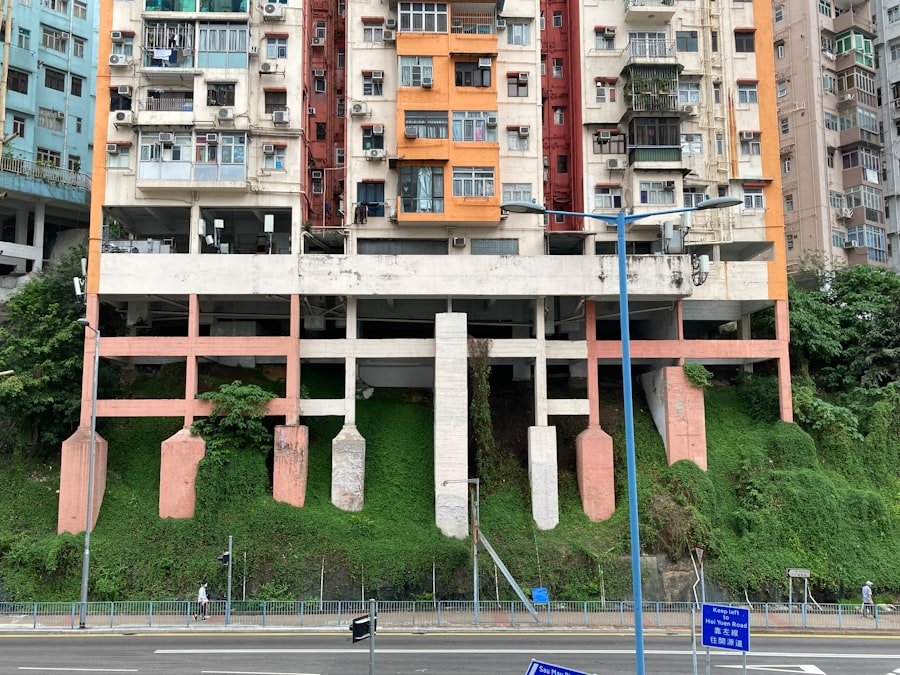
The design of mixed-use developments is crucial to their success and requires a thoughtful approach that balances functionality with aesthetics. A well-designed mixed-use space should seamlessly integrate various components while providing distinct areas for living, working, and leisure. Architects and urban planners must consider factors such as accessibility, natural light, and outdoor spaces to create an inviting environment that encourages interaction among residents and visitors alike.
Furthermore, successful mixed-use developments prioritize flexibility in their design. As community needs evolve over time, the ability to adapt spaces for different uses becomes essential. For instance, a retail space may need to transition into a community center or co-working area as demand shifts.
By incorporating adaptable design elements, developers can ensure that their projects remain relevant and continue to serve the community effectively for years to come.
The Economic Impact of Mixed Use Developments
| Metrics | Data |
|---|---|
| Job Creation | Mixed use developments create a significant number of jobs in construction, retail, and service industries. |
| Property Value | Properties located near mixed use developments tend to have higher value due to increased demand. |
| Local Economy | Mixed use developments contribute to the local economy by attracting businesses and increasing consumer spending. |
| Walkability | These developments promote walkability, reducing the need for car usage and supporting local businesses. |
The economic impact of mixed-use developments extends far beyond their immediate vicinity; they can significantly influence regional economies as well. By creating a diverse range of housing options and commercial spaces, these developments attract a variety of residents and businesses, leading to increased property values and tax revenues for local governments. This influx of economic activity can also spur infrastructure improvements, such as enhanced public transportation systems and upgraded utilities, benefiting the broader community.
Moreover, mixed-use developments often serve as anchors for revitalizing underdeveloped or declining areas. By investing in these projects, cities can stimulate growth in surrounding neighborhoods, attracting further investment and development. The ripple effect can lead to job creation, increased consumer spending, and improved quality of life for residents.
Ultimately, mixed-use developments play a pivotal role in shaping the economic landscape of cities and fostering sustainable growth.
The Role of Sustainability in Mixed Use Developments
Sustainability is a fundamental consideration in the planning and execution of mixed-use developments. As urban areas grapple with environmental challenges such as climate change and resource depletion, developers are increasingly prioritizing eco-friendly practices in their projects. This includes incorporating green building materials, energy-efficient systems, and sustainable landscaping practices that minimize environmental impact while enhancing the overall aesthetic appeal of the development.
Additionally, mixed-use developments often promote sustainable transportation options by providing easy access to public transit and encouraging walking or cycling. By reducing reliance on cars, these projects contribute to lower greenhouse gas emissions and improved air quality. Furthermore, many mixed-use developments are designed with green spaces that promote biodiversity and provide residents with access to nature—an essential component of sustainable urban living.
Integrating Technology in Mixed Use Developments
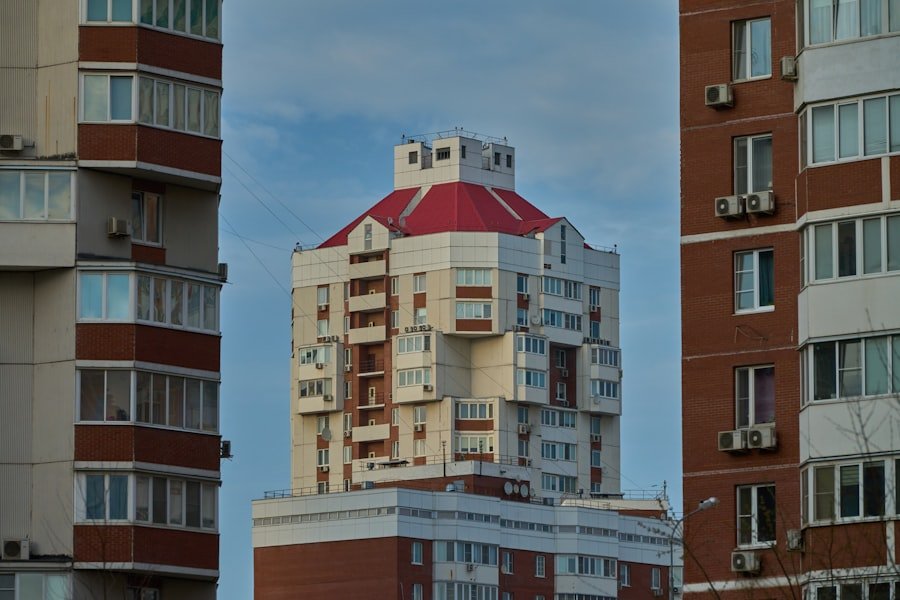
The integration of technology into mixed-use developments is revolutionizing how residents interact with their environments. Smart building technologies are increasingly being incorporated into these projects to enhance efficiency and improve the overall experience for residents and visitors alike. From energy management systems that optimize resource use to smart parking solutions that streamline access to commercial spaces, technology plays a vital role in modern mixed-use design.
Moreover, technology can facilitate community engagement by providing platforms for residents to connect with one another and participate in local events or initiatives. Mobile applications can offer information about nearby businesses, upcoming activities, or even allow residents to book shared amenities such as meeting rooms or fitness centers. By leveraging technology in this way, mixed-use developments can foster a sense of community while enhancing convenience for residents.
Creating a Sense of Place in Mixed Use Developments
Creating a sense of place is essential for the success of mixed-use developments. A strong sense of place fosters community identity and pride while encouraging social interaction among residents. To achieve this, developers must consider the unique characteristics of the surrounding area and incorporate local culture into their designs.
This could involve using local materials or collaborating with local artists to create public art installations that reflect the community’s heritage. Additionally, successful mixed-use developments often feature gathering spaces that encourage social interaction—such as plazas, parks, or rooftop gardens—where residents can come together for events or simply enjoy each other’s company. By prioritizing these communal areas within their designs, developers can create environments that feel welcoming and inclusive while promoting a vibrant community atmosphere.
The Importance of Collaboration in Mixed Use Developments
Collaboration is key to the success of mixed-use developments, requiring input from various stakeholders throughout the planning process. Developers must work closely with local governments, community organizations, architects, and residents to ensure that the project meets the needs of all parties involved. This collaborative approach not only helps identify potential challenges early on but also fosters a sense of ownership among community members who feel invested in the development’s success.
Furthermore, collaboration extends beyond the initial planning stages; ongoing partnerships between property managers and local businesses can help maintain the vibrancy of mixed-use spaces over time. By fostering relationships between residents and businesses within the development, stakeholders can create an ecosystem that supports economic growth while enhancing quality of life for all involved.
Overcoming Challenges in Mixed Use Developments
While mixed-use developments offer numerous benefits, they are not without challenges. One common hurdle is navigating zoning regulations that may restrict certain uses within a development or complicate the approval process. Developers must be prepared to engage with local authorities early on to address any potential roadblocks and advocate for policies that support mixed-use initiatives.
Another challenge lies in balancing the diverse needs of residents and businesses within a single development. Conflicting interests may arise when it comes to noise levels or operating hours; therefore, effective communication among stakeholders is essential for finding solutions that satisfy everyone involved. By fostering an open dialogue throughout the development process—and beyond—developers can create harmonious environments where both residents and businesses thrive.
Case Studies of Successful Mixed Use Developments
Several successful case studies exemplify the potential of mixed-use developments to transform communities positively. One notable example is the High Line in New York City—a former elevated railway transformed into a linear park featuring residential units, shops, restaurants, and public art installations. This innovative project has not only revitalized an underutilized space but has also become a cultural landmark that attracts millions of visitors each year.
Another inspiring case study is the Pearl Brewery redevelopment in San Antonio, Texas. Once an abandoned brewery site, this mixed-use development now features residential units alongside retail shops, restaurants, and office spaces—all connected by pedestrian-friendly pathways and green spaces. The project has successfully revitalized the surrounding neighborhood while preserving its historical character.
The Future of Mixed Use Developments
As urbanization continues to rise globally, the future of mixed-use developments looks promising. With an increasing emphasis on sustainability, technology integration, and community engagement, these projects will likely play an essential role in shaping modern cities. Developers will need to remain adaptable—embracing innovative design concepts while prioritizing collaboration with stakeholders—to create spaces that meet evolving needs.
Moreover, as remote work becomes more prevalent due to technological advancements and changing workforce dynamics, mixed-use developments may need to adapt further by incorporating flexible workspaces or co-working facilities within their designs. By anticipating future trends and responding proactively to community needs, mixed-use developments can continue to thrive as vibrant hubs that enhance urban living for generations to come.
Mixed-use developments are becoming increasingly popular as they offer a blend of residential, commercial, and recreational spaces, creating vibrant communities that cater to diverse needs. An insightful article that delves into the significance of accurate home estimates in real estate, which is crucial for the success of such developments, can be found on Smart Realty’s website. This article, titled “Unlocking the Value: The Importance of Home Estimates in Real Estate,” provides valuable insights into how precise valuations can impact the planning and execution of mixed-use projects. For more information, you can read the full article by following this link.