
What You Need to Know About Maximizing Efficiency: Strata Property Management in Maylands
Strata property management plays a pivotal role in the effective administration of shared properties, such as apartment complexes and townhouses. It involves overseeing the day-to-day operations, maintenance, and governance of these properties, ensuring that they run smoothly and efficiently. The strata manager acts as a liaison between the owners, tenants, and service providers, facilitating communication and addressing any issues that may arise.
This multifaceted role requires a deep understanding of property laws, financial management, and interpersonal skills to foster a harmonious living environment. Moreover, strata property management is not merely about maintaining the physical aspects of a property; it also encompasses the management of community relationships. A successful strata manager must navigate the diverse needs and expectations of residents while adhering to the collective goals of the owners’ corporation.
This balance is crucial for creating a sense of community and ensuring that all stakeholders feel valued and heard. By prioritizing transparency and open communication, strata managers can build trust among residents and owners, ultimately leading to a more cohesive living experience.
Key Takeaways
- Strata property management involves overseeing the day-to-day operations and maintenance of common areas in a multi-unit property.
- Effective communication strategies are essential for fostering positive relationships with residents and owners, and for addressing any concerns or issues that may arise.
- Utilizing technology can streamline operations, improve efficiency, and enhance communication with residents and owners.
- Prioritizing maintenance and repairs is crucial for preserving the value of the property and ensuring the safety and comfort of residents.
- Developing a comprehensive budget plan is essential for managing expenses, planning for future projects, and ensuring financial stability.
Implementing Effective Communication Strategies
Effective communication is the cornerstone of successful strata property management. It is essential for fostering positive relationships among residents, owners, and the management team. Strata managers must employ various communication strategies to ensure that all parties are informed and engaged.
Regular newsletters, community meetings, and digital platforms can facilitate information sharing and encourage feedback from residents. By creating an open dialogue, strata managers can address concerns promptly and maintain a sense of community. In addition to traditional communication methods, leveraging technology can enhance engagement further.
Utilizing online portals allows residents to access important documents, submit maintenance requests, and participate in discussions with ease. This not only streamlines communication but also empowers residents to take an active role in their community. By prioritizing effective communication strategies, strata managers can cultivate a positive atmosphere that encourages collaboration and fosters a sense of belonging among residents.
Utilizing Technology for Streamlined Operations

In today’s fast-paced world, technology plays an integral role in streamlining operations within strata property management. From property management software to mobile applications, technology can enhance efficiency and improve service delivery. By automating routine tasks such as rent collection, maintenance requests, and financial reporting, strata managers can focus on more strategic initiatives that add value to the community.
Moreover, technology enables real-time communication between residents and management. Online platforms allow for instant updates on maintenance issues, upcoming meetings, and community events. This transparency not only keeps residents informed but also fosters a sense of accountability among the management team.
By embracing technology, strata managers can create a more efficient and responsive environment that meets the evolving needs of residents while ensuring that operations run smoothly.
Prioritizing Maintenance and Repairs
| Category | Metric | Value |
|---|---|---|
| Equipment | Number of Maintenance Requests | 150 |
| Facilities | Percentage of Repairs Completed on Time | 85% |
| Cost | Annual Maintenance Budget | 500,000 |
Maintenance and repairs are critical components of strata property management that directly impact the quality of life for residents. A proactive approach to maintenance ensures that issues are addressed before they escalate into costly problems. Strata managers must develop a comprehensive maintenance plan that includes regular inspections, preventative measures, and timely repairs.
By prioritizing these aspects, they can enhance the overall condition of the property and increase its value over time. Additionally, effective communication with residents regarding maintenance schedules and procedures is essential. Keeping residents informed about upcoming maintenance work fosters understanding and cooperation within the community.
Strata managers should also encourage residents to report any issues promptly to ensure that repairs are addressed in a timely manner. By prioritizing maintenance and repairs, strata managers can create a safe and comfortable living environment that enhances resident satisfaction.
Developing a Comprehensive Budget Plan
A well-structured budget plan is fundamental to the success of strata property management. It serves as a roadmap for financial decision-making and ensures that funds are allocated appropriately to meet the needs of the community. Strata managers must work closely with the owners’ corporation to develop a budget that reflects both short-term and long-term goals.
This includes accounting for routine expenses such as maintenance, utilities, insurance, and reserve funds for future projects. Moreover, transparency in budgeting is crucial for building trust among residents and owners. Strata managers should provide clear explanations of budgetary decisions and involve stakeholders in discussions about financial priorities.
Regular financial reports can help keep everyone informed about the property’s financial health and any potential challenges ahead. By developing a comprehensive budget plan that emphasizes transparency and collaboration, strata managers can ensure the long-term sustainability of the property while meeting the needs of its residents.
Engaging with Residents and Owners
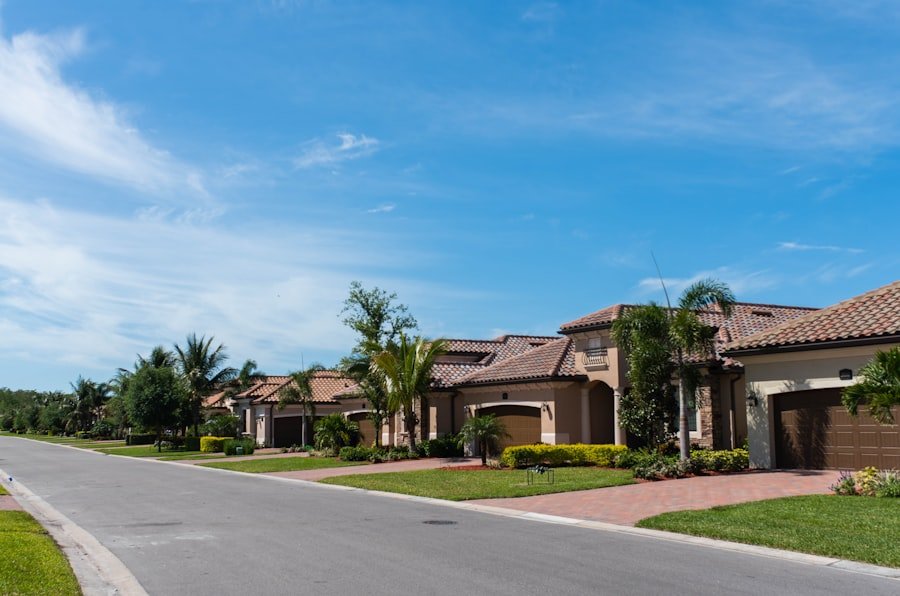
Engagement with residents and owners is vital for fostering a sense of community within strata properties. Strata managers should actively seek input from residents on various matters, including maintenance priorities, community events, and governance issues. By involving residents in decision-making processes, strata managers can create a more inclusive environment where everyone feels valued.
Organizing community events is another effective way to engage residents and strengthen relationships within the community. Social gatherings, workshops, or volunteer opportunities can help build connections among residents while promoting a sense of belonging. Strata managers should also encourage open lines of communication through surveys or suggestion boxes to gather feedback on how to improve the living experience.
By prioritizing engagement with residents and owners, strata managers can cultivate a vibrant community that thrives on collaboration and mutual respect.
Ensuring Compliance with Strata Laws and Regulations
Compliance with strata laws and regulations is paramount in property management to protect the interests of both owners and residents. Strata managers must stay informed about relevant legislation, such as the Strata Titles Act and other local regulations governing property management practices. This knowledge ensures that all operations are conducted within legal parameters while safeguarding the rights of all stakeholders.
Moreover, adherence to compliance standards fosters trust among residents and owners. Strata managers should implement policies that promote transparency in decision-making processes while ensuring that all actions align with legal requirements. Regular training sessions for staff on compliance matters can further enhance awareness and accountability within the management team.
By prioritizing compliance with strata laws and regulations, strata managers can create a secure environment where residents feel protected and confident in their living arrangements.
Streamlining Administrative Processes
Efficient administrative processes are essential for effective strata property management. Streamlining these processes can save time, reduce errors, and enhance overall service delivery. Strata managers should evaluate existing administrative workflows to identify areas for improvement.
Implementing standardized procedures for tasks such as record-keeping, meeting minutes documentation, and financial reporting can enhance consistency and accuracy. Additionally, leveraging technology can significantly improve administrative efficiency. Property management software can automate routine tasks such as invoicing, document storage, and communication tracking.
This not only reduces administrative burdens but also allows strata managers to focus on more strategic initiatives that benefit the community. By streamlining administrative processes through standardization and technology adoption, strata managers can enhance operational efficiency while providing exceptional service to residents.
Implementing Sustainable and Eco-Friendly Practices
Sustainability is becoming increasingly important in property management as communities seek to reduce their environmental impact. Strata managers have a unique opportunity to implement eco-friendly practices that benefit both residents and the planet. Initiatives such as energy-efficient lighting, water conservation measures, and waste reduction programs can significantly enhance the sustainability of strata properties.
Moreover, engaging residents in sustainability efforts fosters a sense of shared responsibility within the community. Strata managers can organize workshops or informational sessions on eco-friendly practices while encouraging residents to adopt sustainable habits in their daily lives. By prioritizing sustainability initiatives, strata managers not only contribute to environmental preservation but also enhance the appeal of their properties to environmentally conscious buyers or renters.
Maximizing Security and Safety Measures
The safety and security of residents are paramount in strata property management. Strata managers must prioritize implementing robust security measures to protect both individuals and property assets. This includes conducting regular safety assessments to identify potential vulnerabilities while ensuring compliance with safety regulations.
Investing in security systems such as surveillance cameras, access control systems, or well-lit common areas can significantly enhance safety within the community. Additionally, fostering a culture of safety awareness among residents through educational programs or emergency preparedness drills can empower individuals to take proactive measures in safeguarding their environment. By maximizing security and safety measures, strata managers create a secure living space where residents feel protected and at ease.
Evaluating and Improving Performance Metrics
Continuous evaluation of performance metrics is essential for effective strata property management. Strata managers should establish key performance indicators (KPIs) that align with the goals of the community while measuring success across various operational areas such as maintenance response times, financial performance, resident satisfaction levels, and compliance adherence. Regularly reviewing these metrics allows strata managers to identify areas for improvement while celebrating successes within the community.
Feedback from residents can also provide valuable insights into their experiences living in the property, helping managers make informed decisions about future initiatives or changes needed to enhance overall satisfaction levels. By prioritizing evaluation and improvement of performance metrics, strata managers can ensure ongoing success while delivering exceptional service to residents and owners alike. In conclusion, effective strata property management requires a multifaceted approach that encompasses communication strategies, technology utilization, maintenance prioritization, budgeting practices, resident engagement, compliance adherence, administrative efficiency, sustainability initiatives, security measures, and performance evaluation.
By focusing on these key areas, strata managers can create thriving communities where residents feel valued while maximizing property value for owners through diligent oversight and proactive management practices.
Strata property management in Maylands is an essential aspect of maintaining the value and functionality of multi-unit residential buildings. Effective management ensures that common areas are well-maintained, disputes are minimized, and the property complies with local regulations. For those interested in exploring innovative housing solutions within such communities, the article on rediscovering the charm and practicality of granny flats offers valuable insights. This piece discusses how granny flats can serve as a modern solution to housing challenges, providing additional living space and enhancing property value, which can be particularly relevant for strata properties looking to optimize their offerings.