
What You Need to Know About Maximizing Baldivis Retail Property Value
The Baldivis retail property market is a dynamic and evolving landscape that reflects the broader economic trends of the region. With its strategic location and growing population, Baldivis has become a focal point for retail investment. Understanding the nuances of this market is crucial for property owners and investors looking to maximize their returns.
The area boasts a diverse demographic, with families, young professionals, and retirees all contributing to a vibrant consumer base. This diversity creates opportunities for various retail formats, from boutique shops to larger chain stores, catering to the unique needs of the community. Moreover, the retail market in Baldivis is characterized by its competitive nature.
As new developments emerge and existing properties undergo renovations, staying informed about market trends is essential. Factors such as foot traffic, accessibility, and local amenities play a significant role in determining property values and rental rates. Investors must conduct thorough market research to identify the best opportunities and make informed decisions.
By understanding the intricacies of the Baldivis retail property market, stakeholders can position themselves for success and capitalize on the area’s growth potential.
Key Takeaways
- Understanding the Baldivis Retail Property Market: Research local market trends and consumer behavior to make informed decisions.
- Enhancing Curb Appeal and Aesthetics: Invest in attractive storefronts and landscaping to draw in more customers.
- Implementing Effective Tenant Mix and Leasing Strategies: Curate a diverse mix of tenants to appeal to a wide customer base and maximize occupancy.
- Leveraging Digital Marketing and Social Media: Utilize online platforms to reach and engage with customers, driving foot traffic and sales.
- Creating a Memorable Customer Experience: Focus on exceptional customer service and unique experiences to build loyalty and word-of-mouth referrals.
Enhancing Curb Appeal and Aesthetics
Curb appeal is a critical factor in attracting customers to retail properties. The first impression a potential customer has of a store can significantly influence their decision to enter. Therefore, enhancing the aesthetics of retail spaces is paramount.
This can be achieved through thoughtful landscaping, attractive signage, and well-maintained facades. A visually appealing exterior not only draws in foot traffic but also communicates professionalism and quality to potential customers. Investing in curb appeal goes beyond mere aesthetics; it can also enhance the overall value of the property.
Properties that are well-maintained and visually appealing tend to command higher rental rates and attract more reputable tenants. Retail owners should consider regular maintenance and updates to their properties to ensure they remain competitive in the market. By prioritizing curb appeal, property owners can create an inviting atmosphere that encourages customer engagement and fosters loyalty.
Implementing Effective Tenant Mix and Leasing Strategies
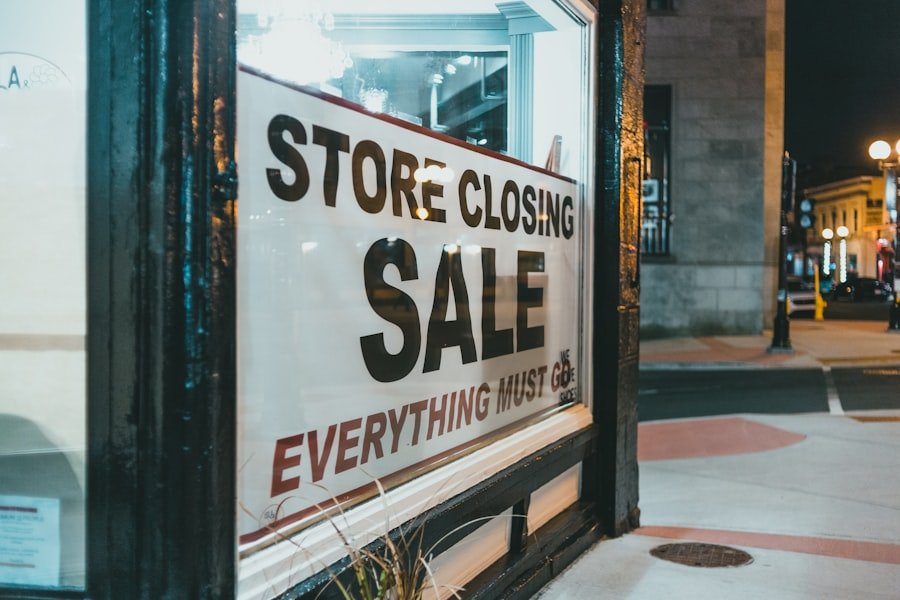
A well-curated tenant mix is essential for the success of any retail property. The right combination of tenants can create a synergistic effect, where each business complements the others, driving foot traffic and increasing sales for all involved. Property owners should carefully consider the types of businesses they lease to, ensuring that they align with the overall vision for the retail space.
For instance, a mix of dining options, fashion retailers, and service providers can create a vibrant shopping environment that appeals to a broad audience. Leasing strategies also play a crucial role in maximizing occupancy rates and rental income. Property owners should adopt flexible leasing terms that cater to the needs of potential tenants while ensuring long-term stability for their investments.
Offering incentives such as reduced rent for the first few months or assistance with fit-out costs can attract high-quality tenants who may otherwise be hesitant to commit. By implementing effective tenant mix and leasing strategies, property owners can create a thriving retail environment that benefits both tenants and consumers alike.
Leveraging Digital Marketing and Social Media
| Metrics | 2019 | 2020 | 2021 |
|---|---|---|---|
| Website Traffic | 5000 | 7500 | 10000 |
| Social Media Followers | 1000 | 2000 | 3000 |
| Conversion Rate | 2% | 3% | 4% |
In today’s digital age, leveraging online marketing strategies is essential for retail properties looking to reach a wider audience. Social media platforms provide an invaluable opportunity for property owners to showcase their spaces, highlight tenant offerings, and engage with potential customers. By creating compelling content that resonates with their target audience, retail properties can build brand awareness and drive foot traffic.
Additionally, digital marketing allows for targeted advertising campaigns that can reach specific demographics based on location, interests, and shopping behaviors. Utilizing tools such as Google Ads or Facebook Ads can help property owners effectively promote their retail spaces and attract new tenants. Furthermore, maintaining an active online presence through regular updates and engaging content can foster a sense of community among customers and encourage repeat visits.
By embracing digital marketing and social media, retail properties can enhance their visibility and ultimately drive sales.
Creating a Memorable Customer Experience
In an increasingly competitive retail landscape, creating a memorable customer experience is paramount for success. Retail properties must go beyond simply providing products; they should focus on delivering exceptional service that leaves a lasting impression on customers. This can be achieved through various means, such as offering personalized service, hosting events, or creating inviting communal spaces where customers can relax and socialize.
Moreover, understanding customer preferences and behaviors is essential for tailoring experiences that resonate with them. Retail properties should invest in training staff to provide top-notch service while also gathering feedback from customers to continuously improve their offerings. By prioritizing customer experience, retail properties can foster loyalty and encourage word-of-mouth referrals, ultimately driving sales and enhancing their reputation in the community.
Optimizing Operational Efficiency and Cost Management
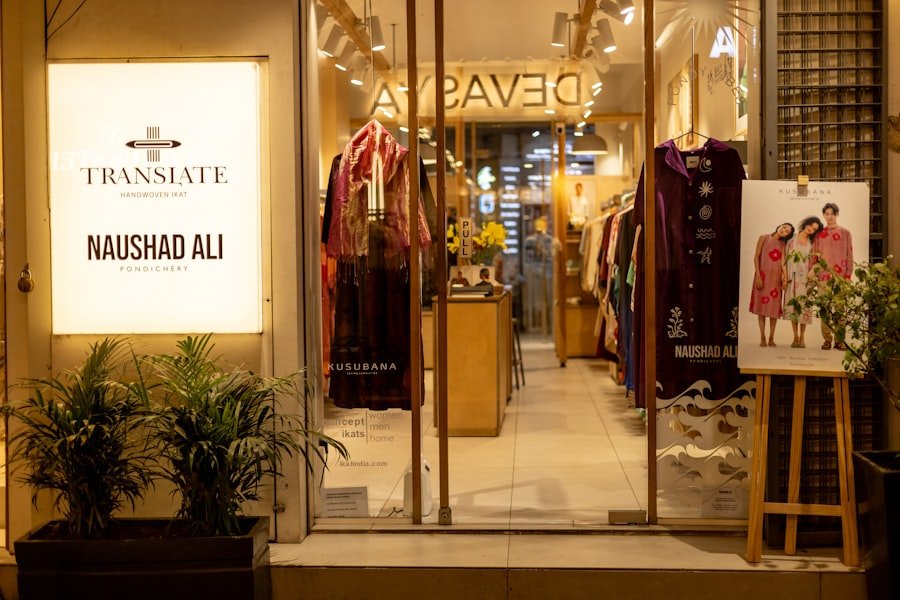
Operational efficiency is crucial for maximizing profitability in retail properties. Property owners should regularly assess their operational processes to identify areas for improvement. This may involve streamlining maintenance procedures, optimizing energy usage, or renegotiating contracts with service providers to reduce costs.
By implementing efficient practices, property owners can minimize expenses while maintaining high standards of service. Cost management also extends to tenant relations. Establishing clear communication channels with tenants regarding maintenance issues or operational changes can prevent misunderstandings and foster positive relationships.
Additionally, offering support in areas such as marketing or event planning can enhance tenant satisfaction while ensuring that the property remains attractive to consumers. By focusing on operational efficiency and cost management, retail property owners can enhance their bottom line while providing a positive experience for both tenants and customers.
Investing in Sustainable and Eco-Friendly Practices
As consumers become increasingly environmentally conscious, investing in sustainable practices has become essential for retail properties looking to attract modern shoppers. Implementing eco-friendly initiatives such as energy-efficient lighting, water conservation systems, or waste reduction programs not only benefits the environment but also enhances the property’s appeal to socially responsible consumers. Moreover, sustainability can be a powerful marketing tool.
Retail properties that prioritize eco-friendly practices can differentiate themselves from competitors and attract tenants who share similar values. Highlighting these initiatives in marketing materials or social media campaigns can resonate with consumers who prioritize sustainability in their purchasing decisions. By investing in sustainable practices, retail property owners can create a positive impact on both the environment and their bottom line.
Capitalizing on Local Community Engagement
Engaging with the local community is vital for retail properties looking to establish themselves as integral parts of their neighborhoods. Hosting community events, supporting local charities, or collaborating with nearby businesses can foster goodwill and strengthen relationships with residents. By becoming active participants in the community, retail properties can build brand loyalty and encourage repeat visits from local consumers.
Additionally, community engagement provides valuable insights into consumer preferences and trends. Property owners who actively listen to their customers’ needs can tailor their offerings accordingly, ensuring they remain relevant in an ever-changing market. By capitalizing on local community engagement, retail properties can create a sense of belonging that resonates with consumers and drives sales.
Embracing Technology and Innovation
In an era defined by rapid technological advancements, embracing innovation is essential for retail properties seeking to stay ahead of the curve. From implementing smart building technologies that enhance energy efficiency to utilizing data analytics for informed decision-making, technology offers numerous opportunities for improvement. Moreover, integrating technology into the customer experience can enhance engagement and convenience.
Offering mobile payment options or implementing virtual shopping experiences can cater to tech-savvy consumers who prioritize efficiency in their shopping journeys. By embracing technology and innovation, retail properties can position themselves as forward-thinking establishments that meet the evolving needs of their customers.
Adapting to Changing Consumer Trends and Preferences
Consumer preferences are constantly evolving, influenced by factors such as economic conditions, cultural shifts, and technological advancements. Retail properties must remain agile in adapting to these changes to stay relevant in the market. This may involve re-evaluating tenant mixes based on emerging trends or adjusting marketing strategies to resonate with new consumer demographics.
Staying informed about industry trends through market research or networking with other professionals can provide valuable insights into shifting consumer behaviors. Additionally, soliciting feedback from customers can help identify areas for improvement or new opportunities for growth. By proactively adapting to changing consumer trends and preferences, retail property owners can ensure their spaces remain attractive and competitive.
Collaborating with Local Authorities and Business Associations
Collaboration with local authorities and business associations is essential for fostering a supportive environment for retail properties. Engaging with local government officials can provide insights into upcoming developments or regulatory changes that may impact the retail landscape. Additionally, partnering with business associations can facilitate networking opportunities and access to resources that benefit property owners.
By working together with local stakeholders, retail properties can advocate for initiatives that support economic growth within their communities.
By fostering strong relationships with local authorities and business associations, retail property owners can position themselves as key players in shaping the future of their communities.
In conclusion, navigating the Baldivis retail property market requires a multifaceted approach that encompasses understanding market dynamics, enhancing aesthetics, implementing effective strategies, leveraging technology, engaging with the community, and collaborating with local stakeholders. By prioritizing these elements, property owners can create thriving retail environments that attract customers while maximizing returns on investment.
Baldivis retail property management is a crucial aspect of maintaining the vibrancy and economic health of the area. Effective property management ensures that retail spaces are well-maintained, tenants are satisfied, and the properties remain attractive to potential businesses. For those interested in learning more about property management in the region, a related article can be found on the Smart Realty website. This article provides insights into property management practices in Perth, which can be beneficial for understanding the broader context of property management in Baldivis. You can read more about it by visiting this link.
FAQs
What is retail property management?
Retail property management involves the oversight and operation of retail properties such as shopping centers, malls, and individual retail stores. This includes tasks such as leasing, maintenance, tenant relations, and financial management.
What does a retail property manager do?
A retail property manager is responsible for the day-to-day operations of retail properties. This includes tasks such as leasing vacant spaces, maintaining the property, managing tenant relations, and ensuring the property is financially successful.
What are the key responsibilities of a retail property manager?
Key responsibilities of a retail property manager include leasing and tenant management, property maintenance, financial management, marketing and promotions, and ensuring compliance with regulations and codes.
What are the benefits of hiring a retail property management company?
Hiring a retail property management company can provide expertise in leasing and tenant management, property maintenance, financial management, and marketing. This can help property owners maximize the value of their retail properties and ensure they are well-maintained and financially successful.
How can retail property management benefit tenants?
Retail property management can benefit tenants by providing a well-maintained and attractive property, effective marketing and promotions to drive traffic, and responsive and professional management to address any issues or concerns.