What You Need to Know About Leading Residential Property Managers
Residential property managers play a pivotal role in the real estate landscape, acting as the vital link between property owners and tenants. Their responsibilities encompass a wide range of tasks, from marketing rental properties to conducting thorough tenant screenings, ensuring that only the most qualified individuals occupy the homes they manage. Property managers are not merely caretakers; they are strategic partners who understand the nuances of the rental market and leverage their expertise to maximize property value.
They handle day-to-day operations, including rent collection, maintenance requests, and lease enforcement, allowing property owners to enjoy a hands-off investment experience. Moreover, residential property managers serve as advocates for both landlords and tenants, fostering a harmonious relationship that benefits all parties involved. They are well-versed in local rental laws and regulations, ensuring compliance while also addressing tenant concerns promptly and professionally.
This dual role requires a delicate balance of assertiveness and empathy, as property managers must enforce lease agreements while also being responsive to tenant needs. By maintaining open lines of communication and addressing issues proactively, they create a positive living environment that encourages tenant retention and satisfaction.
Key Takeaways
- Residential property managers play a crucial role in overseeing the day-to-day operations of rental properties, including tenant relations, property maintenance, and financial management.
- Hiring a residential property manager can provide benefits such as saving time and reducing stress for property owners, as well as ensuring efficient rent collection and property maintenance.
- Residential property managers ensure tenant satisfaction by promptly addressing maintenance issues, providing clear communication, and handling tenant inquiries and concerns in a professional manner.
- Property maintenance and inspections are important aspects of residential property management to ensure the safety, functionality, and attractiveness of the property for tenants.
- Financial management and reporting for residential properties involve tasks such as rent collection, budgeting, accounting, and providing regular financial reports to property owners.
The Benefits of Hiring a Residential Property Manager
Engaging a residential property manager offers numerous advantages that can significantly enhance the overall experience of property ownership. One of the most compelling benefits is the time savings that come with delegating responsibilities to a professional. Property management can be a time-consuming endeavor, particularly for owners with multiple properties or those who live far from their rental units.
By hiring a property manager, owners can free up valuable time to focus on other pursuits, whether that be personal interests or expanding their real estate portfolio. In addition to saving time, property managers bring a wealth of industry knowledge and experience to the table. They are adept at setting competitive rental rates based on market analysis, ensuring that properties are priced appropriately to attract quality tenants while maximizing returns for owners.
Furthermore, property managers have established networks of reliable contractors and service providers, enabling them to address maintenance issues swiftly and efficiently. This not only enhances tenant satisfaction but also protects the long-term value of the property by ensuring that it remains in excellent condition.
How Residential Property Managers Ensure Tenant Satisfaction
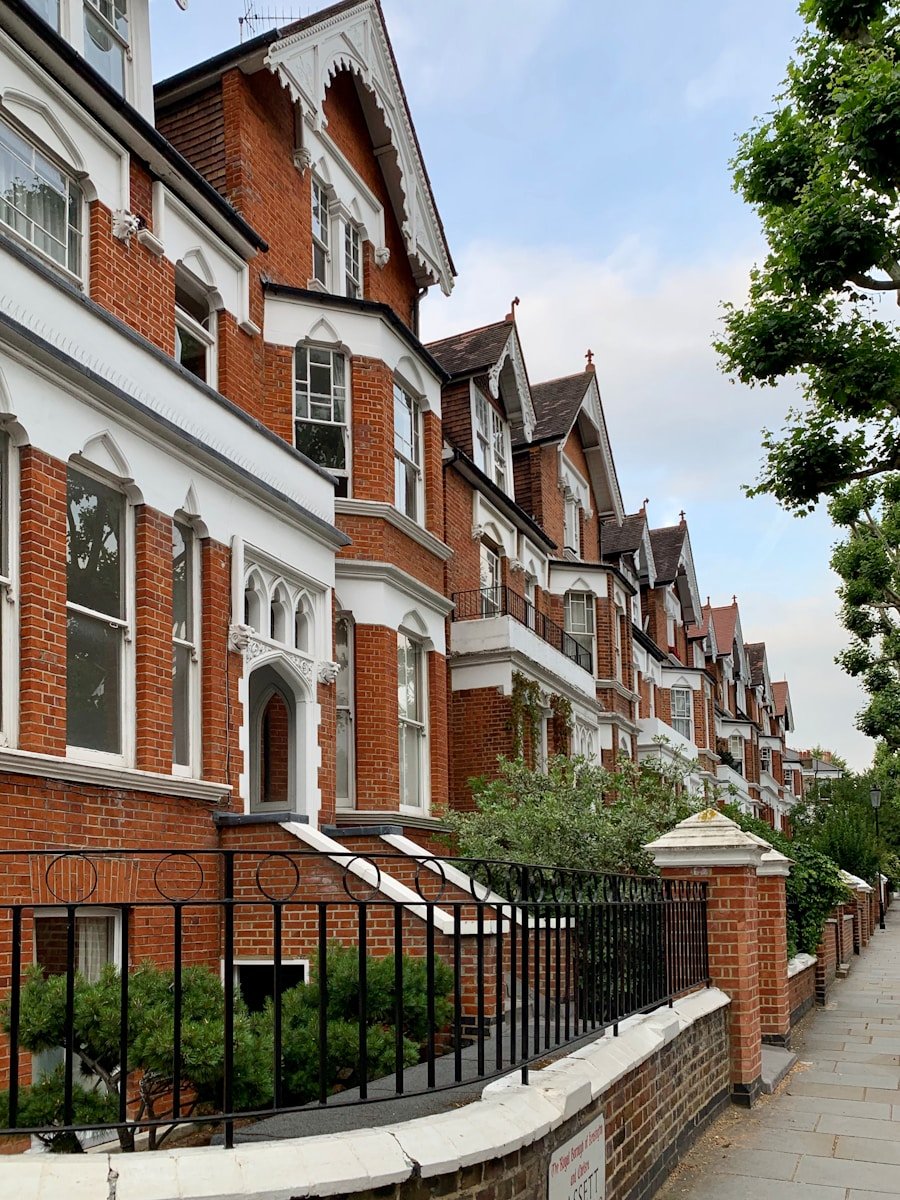
Tenant satisfaction is paramount in the realm of residential property management, as happy tenants are more likely to renew their leases and recommend properties to others. Property managers employ various strategies to ensure that tenants feel valued and supported throughout their tenancy. One key approach is maintaining open lines of communication, allowing tenants to voice concerns or request assistance without hesitation.
By being approachable and responsive, property managers foster a sense of trust and reliability that enhances the tenant experience. Additionally, property managers prioritize timely maintenance and repairs, recognizing that prompt attention to issues can significantly impact tenant satisfaction. They implement efficient systems for handling maintenance requests, ensuring that problems are addressed quickly and effectively.
Regular property inspections also play a crucial role in tenant satisfaction; by proactively identifying potential issues before they escalate, property managers demonstrate their commitment to maintaining a safe and comfortable living environment. This proactive approach not only enhances tenant satisfaction but also contributes to the overall longevity and value of the property.
The Importance of Property Maintenance and Inspections
| Metrics | Data |
|---|---|
| Property Value | Regular maintenance can increase property value by 1-2% annually |
| Energy Efficiency | Proper maintenance can reduce energy costs by 5-30% |
| Safety | Regular inspections can prevent accidents and injuries, reducing liability risks |
| Longevity | Well-maintained properties have a longer lifespan, reducing the need for costly replacements |
| Resale Value | Properly maintained properties have a higher resale value and attract more buyers |
Property maintenance is a cornerstone of successful residential property management, as it directly influences both tenant satisfaction and property value. Regular maintenance ensures that properties remain in excellent condition, preventing small issues from developing into costly repairs down the line. Property managers implement comprehensive maintenance schedules that include routine inspections, seasonal upkeep, and prompt responses to tenant-reported issues.
This proactive approach not only preserves the integrity of the property but also instills confidence in tenants who appreciate living in well-maintained homes. Inspections are particularly critical in identifying potential problems before they escalate into significant concerns. Property managers conduct regular inspections to assess the condition of the property and ensure compliance with safety standards.
These inspections provide an opportunity to address any maintenance needs promptly, reinforcing the commitment to tenant satisfaction while safeguarding the owner’s investment. By prioritizing maintenance and inspections, property managers create an environment where tenants feel secure and valued, ultimately leading to higher retention rates and increased property value.
Financial Management and Reporting for Residential Properties
Effective financial management is essential for maximizing the profitability of residential properties. Property managers take on the responsibility of overseeing all financial aspects of property management, including rent collection, budgeting, and expense tracking. They implement efficient systems for collecting rent on time and managing late payments, ensuring that owners receive consistent cash flow from their investments.
Additionally, property managers provide detailed financial reports that offer transparency into income and expenses, allowing owners to make informed decisions about their properties. Budgeting is another critical component of financial management in residential property management. Property managers work closely with owners to develop realistic budgets that account for anticipated expenses such as maintenance, repairs, and marketing costs.
By carefully monitoring expenses and identifying areas for cost savings, property managers help owners maximize their return on investment. Furthermore, regular financial reporting allows owners to track performance over time, providing valuable insights into the overall health of their real estate portfolio.
Legal Compliance and Risk Management in Property Management

Navigating the complex landscape of rental laws and regulations is a significant responsibility for residential property managers. Compliance with local laws is essential not only for protecting property owners but also for ensuring a fair and equitable experience for tenants. Property managers stay informed about changes in legislation, such as updates to the Residential Tenancy Act 1987, ensuring that all practices align with current legal requirements.
This commitment to legal compliance mitigates risks associated with potential disputes or penalties. Risk management is another critical aspect of residential property management. Property managers implement policies and procedures designed to minimize risks associated with tenant behavior, property damage, and liability claims.
They conduct thorough tenant screenings to identify potential red flags before leases are signed, reducing the likelihood of problematic tenancies. Additionally, property managers maintain comprehensive insurance coverage to protect both owners and tenants in case of unforeseen events. By prioritizing legal compliance and risk management, property managers create a secure environment for all parties involved.
Technology and Innovation in Residential Property Management
The integration of technology into residential property management has revolutionized the industry, streamlining processes and enhancing efficiency. Property managers leverage various software solutions to automate tasks such as rent collection, maintenance requests, and tenant communications. These technological advancements not only save time but also improve accuracy and transparency in operations.
For instance, online portals allow tenants to submit maintenance requests or pay rent conveniently, fostering a seamless experience for both tenants and property managers. Moreover, technology enables property managers to analyze data effectively, providing insights into market trends and tenant behavior. By utilizing data analytics tools, property managers can make informed decisions regarding pricing strategies, marketing efforts, and tenant retention initiatives.
This data-driven approach enhances overall performance while ensuring that properties remain competitive in an ever-evolving market. As technology continues to advance, residential property management will likely see further innovations that enhance service delivery and improve outcomes for both owners and tenants.
The Future of Residential Property Management: Trends and Challenges
As the real estate landscape continues to evolve, residential property management faces both exciting trends and formidable challenges. One notable trend is the increasing demand for sustainable practices within the industry. Tenants are becoming more environmentally conscious, seeking properties that prioritize energy efficiency and sustainability features.
Property managers who embrace green initiatives—such as energy-efficient appliances or eco-friendly landscaping—will likely attract environmentally-minded tenants while enhancing their properties’ marketability. However, challenges persist in an ever-changing market landscape. The rise of short-term rentals has introduced new competition for traditional rental properties, prompting property managers to adapt their strategies accordingly.
Additionally, economic fluctuations can impact rental demand and pricing strategies, requiring property managers to remain agile in their approach. By staying informed about industry trends and proactively addressing challenges, residential property managers can position themselves as leaders in the field while delivering exceptional value to both property owners and tenants. In conclusion, residential property management is an intricate field that requires expertise across various domains—from legal compliance to financial management and tenant relations.
By hiring a skilled residential property manager, owners can enjoy peace of mind knowing that their investments are being handled with care and professionalism. As the industry continues to evolve with technological advancements and changing tenant expectations, those who prioritize integrity, transparency, and proactive management will undoubtedly thrive in this dynamic landscape.
If you are a leading residential property manager looking to stay ahead of the game, you may be interested in exploring the latest buying trends in Perth real estate. This article discusses the current market conditions and what buyers are looking for in a property. Understanding these trends can help property managers better cater to the needs of their clients and make informed decisions about their rental properties. To learn more about buying trends in Perth real estate, check out this article.
FAQs
What is a residential property manager?
A residential property manager is a professional who is responsible for overseeing the day-to-day operations of a residential property. This can include tasks such as collecting rent, maintaining the property, and handling tenant issues.
What does a leading residential property manager do?
A leading residential property manager is typically responsible for managing a large portfolio of residential properties. They may oversee a team of property managers, handle high-level decision making, and ensure that all properties under their management are operating efficiently and effectively.
What are the key responsibilities of a leading residential property manager?
Key responsibilities of a leading residential property manager may include setting rental rates, marketing properties, screening tenants, handling maintenance and repairs, collecting rent, and enforcing lease agreements. They may also be responsible for budgeting, financial reporting, and ensuring compliance with local housing laws and regulations.
What qualities should a leading residential property manager possess?
A leading residential property manager should have strong leadership and communication skills, as well as a deep understanding of property management best practices. They should also be organized, detail-oriented, and able to handle multiple tasks simultaneously. Additionally, they should have a thorough knowledge of local housing laws and regulations.
How can I find a leading residential property manager for my properties?
You can find a leading residential property manager by conducting a search online, asking for referrals from other property owners, or contacting professional property management associations. It’s important to thoroughly vet potential property managers and ensure that they have the experience and expertise to effectively manage your properties.