
A Closer Look at Langford Tenant Checklist: Essential Tips for Renting
As a tenant, it is crucial to have a clear understanding of your rights and responsibilities. The Residential Tenancy Act outlines the legal framework that governs the relationship between landlords and tenants, ensuring that both parties are protected. As a tenant, you have the right to live in a safe and secure environment, free from harassment and discrimination.
You are entitled to privacy, meaning your landlord cannot enter your property without proper notice unless there is an emergency. Additionally, you have the right to request repairs and maintenance, ensuring that your living conditions meet acceptable standards. On the flip side, with rights come responsibilities.
As a tenant, you are expected to pay your rent on time, maintain the property in good condition, and adhere to the terms of your lease agreement. This includes respecting noise regulations and not causing damage to the property. Understanding these rights and responsibilities is essential for fostering a positive relationship with your landlord or property manager, ultimately leading to a more enjoyable renting experience.
Key Takeaways
- Understand your rights and responsibilities as a renter to avoid any misunderstandings or conflicts with your landlord.
- Budget for not only rent, but also additional costs such as utilities, parking, and maintenance fees to avoid financial strain.
- Research the neighborhood and property to ensure it meets your needs and is a safe and convenient location for you.
- Review the lease agreement carefully to understand the terms and conditions before signing.
- Inspect the property before moving in to identify any existing damages and ensure everything is in working order.
Budgeting for Rent and Additional Costs
When renting a property, budgeting is a critical step that goes beyond just the monthly rent payment. It is essential to consider additional costs that may arise during your tenancy. These can include utilities such as electricity, water, gas, and internet services.
Depending on the rental agreement, some of these costs may be included in your rent, while others will be your responsibility. Therefore, it is vital to clarify what is covered before signing the lease. Moreover, you should also account for other potential expenses such as renter’s insurance, maintenance fees, and any applicable homeowners association (HOA) dues.
Setting aside a budget for unexpected repairs or emergencies can also save you from financial strain later on. By taking the time to create a comprehensive budget that includes all potential costs associated with renting, you can ensure that you are financially prepared for your new living situation.
Researching the Neighborhood and Property

Before committing to a rental property, thorough research of the neighborhood is essential. The location can significantly impact your quality of life, so consider factors such as proximity to work, schools, public transportation, and local amenities like grocery stores and parks. Investigating crime rates and community resources can also provide insight into whether the area aligns with your lifestyle and safety preferences.
In addition to neighborhood research, it is equally important to evaluate the property itself. Look into the age of the building, its maintenance history, and any recent renovations or upgrades. Online reviews from previous tenants can offer valuable perspectives on what it’s like to live in the property.
By conducting comprehensive research on both the neighborhood and the property, you can make an informed decision that meets your needs and expectations.
Reviewing the Lease Agreement
| Metrics | Current | Target |
|---|---|---|
| Number of Lease Agreements Reviewed | 25 | 30 |
| Accuracy of Lease Agreement Review | 90% | 95% |
| Time Spent on Each Review (in minutes) | 20 | 15 |
The lease agreement is a legally binding document that outlines the terms of your tenancy. It is imperative to review this document carefully before signing it. Pay close attention to details such as the duration of the lease, rent amount, payment due dates, and any penalties for late payments.
Additionally, look for clauses related to security deposits, pet policies, and maintenance responsibilities. If there are any terms or conditions that you do not understand or agree with, do not hesitate to ask your landlord or property manager for clarification or negotiation. A well-understood lease agreement can prevent misunderstandings and disputes down the line.
Taking the time to thoroughly review and comprehend your lease will empower you as a tenant and help establish a solid foundation for your rental experience.
Inspecting the Property Before Moving In
Before moving into a rental property, conducting a thorough inspection is essential. This step allows you to identify any existing issues or damages that need addressing before you take possession of the space. Look for signs of wear and tear, such as peeling paint, water damage, or malfunctioning appliances.
Documenting these issues with photographs can serve as evidence should disputes arise later regarding security deposits or damages. Additionally, use this opportunity to test all appliances and systems within the property. Ensure that heating and cooling systems function properly, check for leaks in plumbing fixtures, and verify that all electrical outlets are operational.
If you discover any problems during your inspection, communicate them to your landlord or property manager immediately so they can be resolved before you move in.
Understanding Maintenance and Repairs
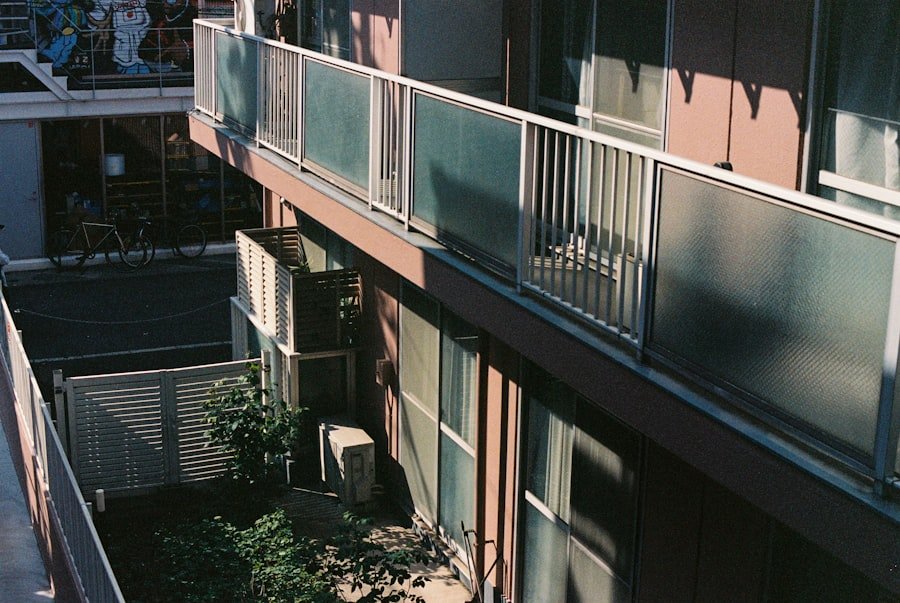
Understanding how maintenance and repairs are handled in your rental property is crucial for a smooth tenancy. Typically, landlords are responsible for maintaining the property’s structural integrity and ensuring that essential services such as heating, plumbing, and electrical systems are in working order. However, tenants also have responsibilities regarding minor repairs and upkeep.
Familiarize yourself with the process for reporting maintenance issues. Most landlords or property management companies have specific protocols in place for handling repair requests. Knowing how to communicate these issues effectively can expedite the resolution process.
Additionally, understanding what constitutes an emergency repair versus a non-urgent issue will help you prioritize requests appropriately.
Familiarizing Yourself with Amenities and Services
Many rental properties come with various amenities and services that can enhance your living experience. These may include features such as swimming pools, fitness centers, laundry facilities, or communal spaces like lounges or gardens. Familiarizing yourself with these amenities can help you make the most of your new home.
In addition to physical amenities, consider any services provided by the property management team. This could include regular maintenance checks, pest control services, or even community events organized for residents. Understanding what is available to you can help foster a sense of community within your building or complex while also ensuring that you take full advantage of all that your new home has to offer.
Getting Renter’s Insurance
While not always required by landlords, obtaining renter’s insurance is a wise decision for any tenant. This type of insurance protects your personal belongings in case of theft, fire, or other unforeseen events.
Renter’s insurance is typically affordable and can offer peace of mind knowing that your possessions are protected. When shopping for policies, compare coverage options and premiums from different providers to find one that best suits your needs. Investing in renter’s insurance is a small price to pay for added security in your living situation.
Communicating with Your Landlord or Property Manager
Effective communication with your landlord or property manager is key to a successful rental experience. Establishing open lines of communication from the outset can help build trust and ensure that any issues are addressed promptly. Whether it’s reporting maintenance requests or discussing lease terms, being clear and respectful in your communication will foster a positive relationship.
Additionally, keep records of all correspondence with your landlord or property manager. This documentation can be invaluable if disputes arise later on regarding repairs or lease terms. By maintaining professionalism in all interactions and being proactive about communication, you can create an environment where both parties feel heard and respected.
Knowing Your Options for Renewing or Terminating the Lease
As your lease term approaches its end date, it’s important to understand your options regarding renewal or termination. Many leases include clauses outlining how much notice you must give if you plan to move out or if you wish to renew your lease for another term.
If you decide to renew your lease, consider discussing any changes you would like to negotiate with your landlord or property manager—such as rent adjustments or modifications to terms based on your experience living in the property. Conversely, if you choose not to renew your lease, ensure that you follow proper procedures for giving notice and preparing for your move-out inspection.
Understanding the Eviction Process and Your Rights
While eviction is an unfortunate reality for some tenants, understanding the process can help protect your rights should you find yourself facing this situation. The eviction process typically involves several steps that landlords must follow according to local laws outlined in the Residential Tenancy Act. This includes providing proper notice before initiating eviction proceedings.
As a tenant facing eviction, it’s essential to know your rights throughout this process. You have the right to contest an eviction in court if you believe it is unjustified or if proper procedures were not followed by your landlord. Seeking legal advice from tenant advocacy organizations can provide valuable support during this challenging time.
By being informed about eviction processes and knowing your rights as a tenant, you can navigate this difficult situation with confidence. In conclusion, being a responsible tenant involves understanding various aspects of renting—from knowing your rights and responsibilities to budgeting effectively and communicating openly with landlords or property managers. By taking proactive steps throughout your tenancy journey—such as researching neighborhoods thoroughly before moving in or obtaining renter’s insurance—you can create a positive living experience while protecting yourself legally and financially.
When preparing to rent a property in Langford, it’s essential to have a comprehensive tenant checklist to ensure a smooth rental process. This checklist should include verifying the condition of the property, understanding the terms of the lease, and ensuring all necessary documentation is in order. For those looking to get a better understanding of the rental market and property appraisals, a related article that might be of interest is the Rental Report & Digital Appraisal from Smart Realty. This resource provides valuable insights into current rental trends and can help prospective tenants make informed decisions.
Related reading: Tax Depreciation Schedules: The Secret to Saving Thousands o — a detailed breakdown worth your time.