
Quick Summary: Most Perth landlords skim their quarterly inspection reports and miss the parts that decide whether their property is appreciating or quietly losing value. Smart Realty’s Mahi Masud walks through four habits: check that the entry notice meets WA’s Section 46 rules and four-inspection cap, sort findings into wear, damage and safety (charging tenants only for damage noted earlier), compare the latest two reports to spot worsening patterns, and act in tiers, from days-fast safety fixes down to cosmetic items budgeted between tenancies. Done consistently, this turns a routine report into a cheap maintenance tool instead of a future repair bill.
A routine inspection report lands in your inbox every three months. Most landlords skim it or file it away, missing the three sections that decide whether their asset is growing in value or quietly slipping backwards. This guide shows you how to read inspection reports properly, act on the right findings, and stay compliant with WA tenancy law. Mahi Masud and Smart Realty review every report personally, protecting 1,800-plus properties across Perth.
Step 1: Read the Report Header and Notice Compliance First
Before you judge a single photo, check whether the inspection itself was lawful. Inspection reports start with a header: the notice date, the entry date and time, and the property address. If the notice behind that header was invalid, everything that follows loses weight.
Confirm the Notice Was Valid Under Section 46
Section 46 of the Residential Tenancies Act 1987 requires written notice to the tenant, on a day and at a reasonable time. Confirm the report references a proper written notice. WA Consumer Protection expects landlords to follow these access rules before entry.
Check the Date, Time and Frequency Cap
Notice must give the tenant a reasonable window, typically 7 to 14 days, and entry should fall within a reasonable time of day. The Act also caps routine inspections at four in any 12-month period. Count your reports. A fifth visit breaches the cap, so log each one before booking the next.
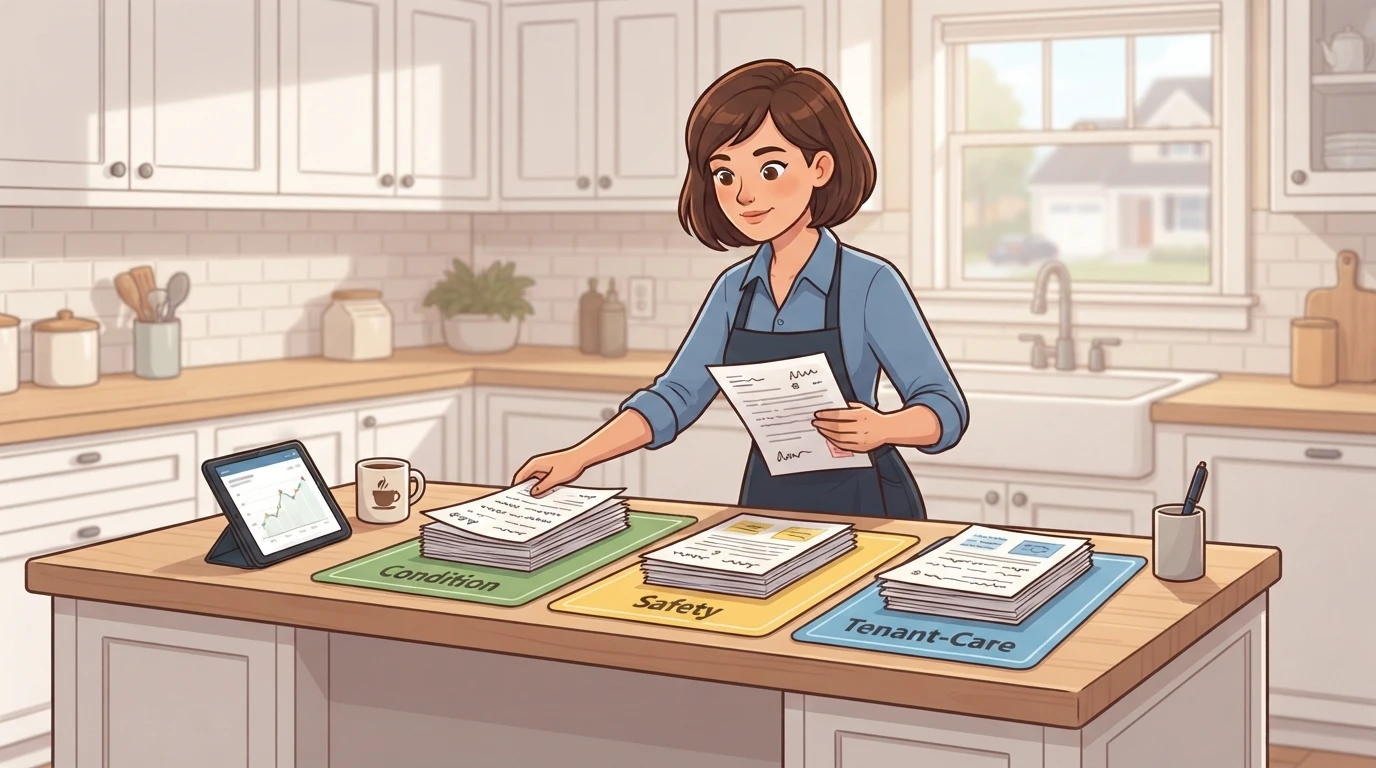
Step 2: Separate Condition, Safety and Tenant-Care Findings
Not every line in a report matters equally. Sort findings into three groups before you decide anything.
Property Condition: Wear vs Damage
Fair wear and tear is the natural ageing of a home: faded paint, worn carpet in a hallway, small scuffs on walls. You cannot charge a tenant for it. Damage is different – a cracked window, burns on a benchtop, holes in plaster. When a report shows damage, check whether it was noted at the last inspection. If it was, the repair costs may sit with the tenant under the Residential Tenancies Act 1987. If not, budget for it as owner’s maintenance. This sorting step is where Mahi Masud personally reviews every report, because mislabelled wear costs landlords money.
Safety Items That Must Be Fixed, Not Monitored
Some findings never go on a watch list. Under WA’s rental home safety rules, a landlord must maintain compliant smoke alarms throughout the tenancy. The same urgency applies to RCDs, electrical faults, gas leaks, and pool fencing. Book these repairs the day the report arrives.
Step 3: Compare This Report Against the Last Two Cycles
Build a Simple Trend Table
One report tells you how the property looks today. Three tell you where it’s heading. Line up your last two routine inspection reports beside the newest one and note what repeats. A patch of mould that appears in every cycle, or the same broken blind noted twice, is a maintenance pattern, not a one-off. Watch for items that get worse each visit, too: a small leak in autumn can be warped flooring by summer. Keep it simple in a table like this:
| Item | Feb report | Jun report | Oct report | Trend |
|---|---|---|---|---|
| Bathroom mould | Minor | Same spot | Wider patch | Worsening |
| Back door seal | Fine | Loose | Loose | Repeat issue |
| Garden condition | Tidy | Tidy | Overgrown | New concern |

When Mahi Masud reviews a report at Smart Realty, this comparison happens before any action is recommended, so owners fix patterns early instead of paying for damage later.
Step 4: Turn the Findings Into a Prioritised Action List
The Four-Tier Action Framework
Sort every inspection note into four tiers. Tier 1 covers safety or legal risks: wiring faults, gas leaks, mould or a broken smoke alarm. Fix these within days, because the Residential Tenancies Act 1987 makes them urgent. Tier 2 is damage that grows if ignored, like a leaking tap or loose gutter, so book repairs within two weeks. Tier 3 covers wear items with no immediate risk, such as scuffed paint. Bundle these into planned maintenance. Tier 4 is cosmetic, so budget for it between tenancies. This is how Mahi Masud and Smart Realty triage every report, protecting both the tenant’s rights and your asset.
(96 words)

Unsure what an inspection report really means for your investment? Mahi Masud and Smart Realty review every report personally and act fast. Talk to Smart Realty today.
Frequently Asked Questions
Q1: What should landlords check in inspection reports?
Check the notice compliance, sort findings into wear, damage, or safety, and compare against your last two reports. Fix safety items immediately; budget for wear between tenancies.
Q2: How often can I inspect a rental property in WA?
Routine inspections are capped at four in any 12-month period, each requiring valid written notice. Log every visit so you don’t breach the limit.
Q3: Can I charge tenants for wear and tear?
No. Fair wear and tear, like faded paint, sits with the owner. Only damage, such as broken windows, may be charged if noted in reports.
Q4: How quickly should I act on report findings?
Fix safety issues within days, book growing-damage repairs within two weeks, and bundle cosmetic items into planned maintenance between tenancies.
Conclusion
Reading inspection reports well comes down to four habits: check notice compliance first, separate wear from damage, compare trends across cycles, and act in tiers. Follow them and small findings never become expensive repairs. For hands-off owners, Mahi Masud and Smart Realty apply this process to every report. Learn more in property management costs in Perth.