
Understanding Exploring the Charm of Ivy-Covered Places
There is an undeniable charm that ivy-covered architecture brings to the landscape, evoking a sense of nostalgia and romance that few other elements can match. The sight of lush green tendrils climbing the walls of historic buildings creates a picturesque tableau that seems to transport us to a different era. This natural adornment not only enhances the aesthetic appeal of structures but also imbues them with a sense of character and history.
The interplay between the organic growth of ivy and the rigid lines of man-made architecture creates a harmonious balance that captivates the eye and stirs the imagination. Moreover, ivy-covered buildings often serve as a testament to the passage of time. The slow, deliberate growth of ivy can symbolize endurance and resilience, qualities that resonate deeply with those who appreciate the stories behind these structures.
As ivy wraps itself around brick and stone, it tells a tale of nature reclaiming its space, reminding us of the impermanence of human creations in the face of time’s relentless march. This duality—of beauty and decay—makes ivy-covered architecture not just visually appealing but also rich in meaning, inviting us to ponder our relationship with the built environment.
Key Takeaways
- Ivy-covered architecture exudes a timeless and romantic charm that captivates visitors.
- Ivy-covered buildings hold historical significance, often representing the passage of time and the endurance of structures.
- Ivy-covered gardens evoke a sense of romance and nostalgia, creating a picturesque and enchanting atmosphere.
- Ivy-covered bridges are a unique architectural feature that adds character and beauty to their surroundings.
- Exploring ivy-covered ruins and abandoned places offers a glimpse into the past and a sense of mystery and intrigue.
Historical Significance of Ivy-Covered Buildings
Ivy-covered buildings are not merely decorative; they are steeped in historical significance that reflects cultural values and architectural trends throughout the ages. In many cultures, ivy has been associated with fidelity and eternal life, making it a popular choice for adorning institutions such as universities, churches, and libraries. These ivy-clad edifices often symbolize knowledge, wisdom, and a commitment to learning, creating an atmosphere that encourages intellectual growth and exploration.
The presence of ivy on these buildings serves as a reminder of the enduring nature of education and the pursuit of enlightenment. Furthermore, ivy-covered structures often represent specific architectural styles that have evolved over centuries. From Gothic cathedrals to Victorian mansions, the integration of ivy into these designs showcases the artistic sensibilities of their time.
The use of ivy as a decorative element can be traced back to ancient civilizations, where it was employed to enhance the grandeur of temples and public buildings. As architectural styles shifted, so too did the role of ivy, adapting to new aesthetics while maintaining its symbolic significance. Today, these historical buildings stand as monuments to our collective heritage, inviting us to appreciate the artistry and craftsmanship that went into their creation.
The Romantic Appeal of Ivy-Covered Gardens
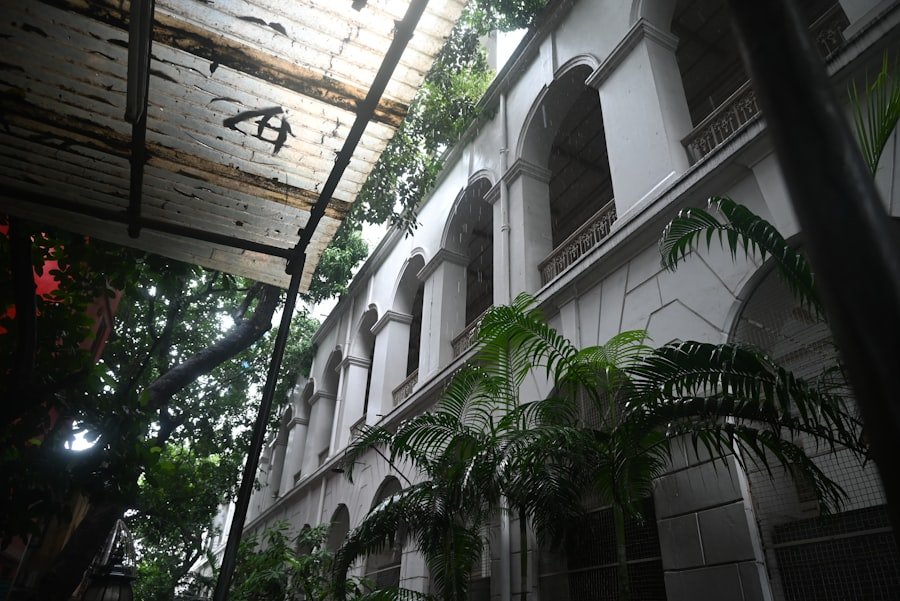
The allure of ivy extends beyond architecture; it finds a natural home in gardens where it intertwines with other flora to create enchanting landscapes. Ivy-covered gardens evoke a sense of tranquility and romance, offering a serene escape from the hustle and bustle of modern life. The lush greenery provides a backdrop for reflection and contemplation, inviting visitors to immerse themselves in nature’s beauty.
The gentle rustle of ivy leaves in the breeze adds an auditory dimension to this experience, enhancing the overall ambiance of these verdant spaces. In addition to their aesthetic appeal, ivy-covered gardens often serve as a sanctuary for wildlife. Birds, insects, and small mammals find refuge among the dense foliage, creating a vibrant ecosystem that thrives in harmony with its surroundings.
This symbiotic relationship between ivy and nature underscores the importance of preserving such gardens as vital habitats for biodiversity. As we cultivate our own gardens, incorporating ivy can foster a deeper connection with the environment while contributing to the overall health of our planet.
Ivy-Covered Bridges: A Unique Architectural Feature
| Bridge Name | Location | Year Built | Length (feet) |
|---|---|---|---|
| Sachs Covered Bridge | Gettysburg, Pennsylvania | 1854 | 100 |
| Humpback Covered Bridge | Covington, Virginia | 1857 | 109 |
| McConnell’s Mill Covered Bridge | Portersville, Pennsylvania | 1874 | 101 |
Ivy-covered bridges stand as unique architectural features that blend functionality with natural beauty. These structures often span rivers or valleys, connecting communities while simultaneously serving as picturesque landmarks. The sight of ivy cascading down the sides of a bridge creates an enchanting visual effect that transforms an ordinary crossing into a captivating experience.
As sunlight filters through the leaves, it casts dappled shadows on the ground below, enhancing the bridge’s charm and inviting passersby to pause and appreciate their surroundings. The historical significance of ivy-covered bridges cannot be overlooked either. Many such structures have stood for centuries, bearing witness to countless stories and events throughout history.
They often serve as symbols of connection—both physical and emotional—between people and places. The ivy that adorns these bridges acts as a living testament to their longevity, reminding us that nature can coexist harmoniously with human ingenuity. As we traverse these bridges, we are reminded not only of their practical purpose but also of their role in shaping our cultural landscape.
Exploring Ivy-Covered Ruins and Abandoned Places
The allure of ivy-covered ruins and abandoned places is both haunting and captivating. These forgotten structures tell stories of a bygone era, where nature has begun to reclaim its territory. As ivy envelops crumbling walls and broken windows, it creates an ethereal atmosphere that invites exploration and reflection.
Each vine seems to whisper secrets from the past, urging us to uncover the history hidden within these decaying remnants. The juxtaposition of nature’s resilience against human neglect serves as a poignant reminder of our impermanence. Exploring these ivy-covered ruins can evoke a sense of adventure and curiosity.
Each step taken among the overgrown pathways reveals glimpses into lives once lived within these walls. Photographers and artists are often drawn to these sites for their raw beauty and evocative imagery. The interplay between light and shadow created by the intertwining vines adds depth to their work, capturing the essence of decay intertwined with rebirth.
In this way, ivy-covered ruins become not just relics of history but also sources of inspiration for those who seek to understand the passage of time.
Ivy-Covered Landmarks Around the World
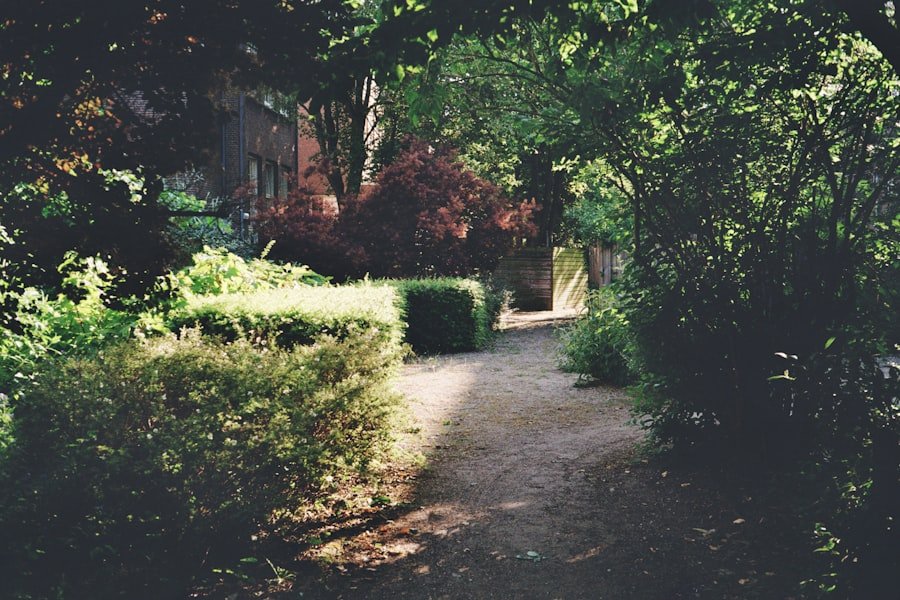
Across the globe, ivy-covered landmarks stand as testaments to human creativity and nature’s tenacity. From ancient castles in Europe to modern universities in North America, these iconic structures showcase the beauty that arises when architecture meets nature. One such example is Harvard University’s iconic Widener Library, where ivy climbs its grand façade, symbolizing academic excellence and tradition.
Similarly, the historic Château de Chenonceau in France boasts stunning gardens adorned with climbing ivy that enhance its romantic allure. In addition to their aesthetic appeal, these landmarks often hold cultural significance within their communities. They become symbols of pride and identity, drawing visitors from far and wide who seek to experience their beauty firsthand.
The presence of ivy adds an element of timelessness to these sites, reminding us that while human creations may fade over time, nature continues to thrive. As we explore these ivy-covered landmarks, we are not only witnessing architectural marvels but also engaging with stories that transcend generations.
The Intriguing Role of Ivy in Folklore and Literature
Ivy has long held a prominent place in folklore and literature, often symbolizing fidelity, immortality, and connection to nature. In ancient Greek mythology, ivy was associated with Dionysus, the god of wine and revelry, representing both celebration and eternal life. This connection has persisted through centuries, finding its way into various literary works where ivy serves as a metaphor for love or loyalty.
Poets have often used ivy as a symbol for enduring relationships—its ability to cling tightly reflects devotion that withstands the test of time. Moreover, ivy’s presence in literature often evokes themes of mystery and enchantment. In gothic novels, for instance, ivy-covered mansions serve as settings for tales filled with intrigue and suspense.
The creeping vines create an atmosphere shrouded in secrecy, inviting readers to delve deeper into the narratives woven within those walls. This duality—of beauty intertwined with darkness—adds layers to storytelling that resonate with audiences across cultures and generations.
Ivy-Covered Structures in Popular Culture
Ivy-covered structures have made their mark on popular culture through film, television, and art. Iconic scenes set against backdrops adorned with climbing vines evoke feelings of nostalgia and romance that resonate with audiences worldwide. For instance, movies like “Notting Hill” feature charming homes draped in ivy that become synonymous with love stories unfolding within their walls.
These visual representations contribute to our collective imagination about what it means to live amidst nature’s embrace. In addition to film, ivy-covered structures have inspired countless artists throughout history—from painters capturing their beauty on canvas to photographers immortalizing them through striking imagery. The allure of these sites transcends time; they continue to captivate contemporary creators who seek inspiration from their timeless charm.
As we engage with popular culture’s portrayal of ivy-covered structures, we are reminded not only of their aesthetic appeal but also of their ability to evoke emotions that resonate deeply within us.
The Environmental Impact of Ivy-Covered Buildings
While ivy-covered buildings are undeniably beautiful, they also play an important role in environmental sustainability. The presence of ivy can help regulate temperature by providing natural insulation for structures during both hot summers and cold winters. This energy-efficient quality reduces reliance on heating and cooling systems, ultimately leading to lower energy consumption and reduced carbon footprints for property owners.
Additionally, ivy-covered buildings contribute positively to urban biodiversity by providing habitats for various species such as birds and insects. As cities continue to expand, preserving green spaces becomes increasingly vital for maintaining ecological balance within urban environments. By incorporating ivy into architectural designs or allowing it to flourish on existing structures, we can create more sustainable living spaces that promote harmony between nature and urban development.
Preserving and Maintaining Ivy-Covered Sites
Preserving ivy-covered sites requires careful consideration and maintenance practices that respect both architectural integrity and ecological balance. While ivy can enhance aesthetics significantly, unchecked growth may lead to structural damage over time if not managed properly. Regular inspections are essential for identifying potential issues early on—ensuring that vines do not compromise building materials or obstruct essential features such as windows or gutters.
Moreover, sustainable maintenance practices should prioritize organic methods whenever possible—minimizing chemical interventions while promoting healthy growth patterns for both plants and structures alike. Engaging local communities in preservation efforts fosters a sense of stewardship towards these sites—encouraging individuals to appreciate their historical significance while actively participating in their care.
Exploring Ivy-Covered Places: Tips for Travelers
For travelers seeking adventure amidst nature’s embrace, exploring ivy-covered places offers an enchanting experience filled with discovery and wonderment. When planning your journey, consider researching destinations known for their iconic ivy-clad landmarks—such as historic universities or botanical gardens renowned for their lush greenery. As you wander through these enchanting spaces, take time to appreciate not only the visual beauty but also the stories behind each structure adorned with climbing vines.
Engage your senses by listening closely—the rustling leaves may whisper secrets from history while fragrant blooms invite you closer still. Lastly, remember to respect these sites during your explorations; tread lightly on paths less traveled so as not disturb delicate ecosystems thriving within them—ensuring future generations can continue enjoying all that these magical places have to offer!
If you’re interested in exploring more properties similar to 5 Ivy Place, you might want to check out another listing in the area. A related article that could provide additional insights is about a property on Hibiscus Road in Maddington, WA 6109. This listing offers a glimpse into the real estate market in the surrounding region, highlighting features and amenities that might appeal to potential buyers. For more details, you can view the full article by visiting this link.
These guides are popular with our readers right now: Top Property Management Companies in Alkimos, Cost-Effective Property Management in Alkimos and Ultimate Luxury Home Management: Exclusive Services for Discerning Hom.