
How Europa League: The Ultimate Guide to European Football’s Thrilling Tournament Affects You
The UEFA Europa League stands as one of the most prestigious club competitions in European football, second only to the UEFA Champions League. Established in 1971, this tournament has evolved into a showcase of talent, strategy, and passion, drawing teams from across the continent to compete for glory. The Europa League not only provides a platform for clubs that may not regularly feature in the Champions League but also serves as a vital stepping stone for emerging teams looking to establish themselves on the European stage.
With its rich history and competitive spirit, the Europa League captivates millions of fans worldwide, making it a highlight of the football calendar. As clubs vie for supremacy in this tournament, they bring with them a unique blend of styles and cultures, enriching the competition’s narrative. The Europa League is not just about winning; it embodies the essence of football—unity, rivalry, and the pursuit of excellence.
Each season, the tournament promises thrilling matches, unexpected upsets, and unforgettable moments that resonate with fans long after the final whistle. As we delve deeper into the intricacies of the Europa League, we will explore its history, format, and the teams and players that make it a must-watch event in the world of sports.
Key Takeaways
- The Europa League is a prestigious European football competition that features top clubs from across the continent.
- The tournament has a rich history, with its origins dating back to the 1970s as the UEFA Cup before being rebranded as the Europa League in 2009.
- The Europa League follows a format of group stage followed by knockout rounds, with the final being the pinnacle of the tournament.
- Teams can qualify for the Europa League through their domestic league performance or by winning their country’s cup competition.
- Some of the teams to watch in the Europa League include traditional powerhouses as well as up-and-coming clubs looking to make their mark on the European stage.
History of the Europa League
The origins of the Europa League can be traced back to the 1971-72 season when it was first introduced as the UEFA Cup. The tournament was created to provide a platform for clubs that did not qualify for the prestigious European Cup, now known as the UEFA Champions League. Over the years, the competition has undergone several transformations, including a rebranding in 2009 to become the UEFA Europa League.
This change was not merely cosmetic; it marked a new era for the tournament, enhancing its profile and attracting a broader audience. Throughout its history, the Europa League has witnessed remarkable stories of triumph and heartbreak. Clubs from various leagues have etched their names into the annals of football history by lifting the trophy, with teams like Sevilla FC and Inter Milan dominating the competition in recent years.
The tournament has also been a launching pad for many players who have gone on to achieve greatness in their careers. As we reflect on its past, it becomes evident that the Europa League is more than just a football competition; it is a celebration of talent, resilience, and the unyielding spirit of competition.
Format and Structure of the Tournament
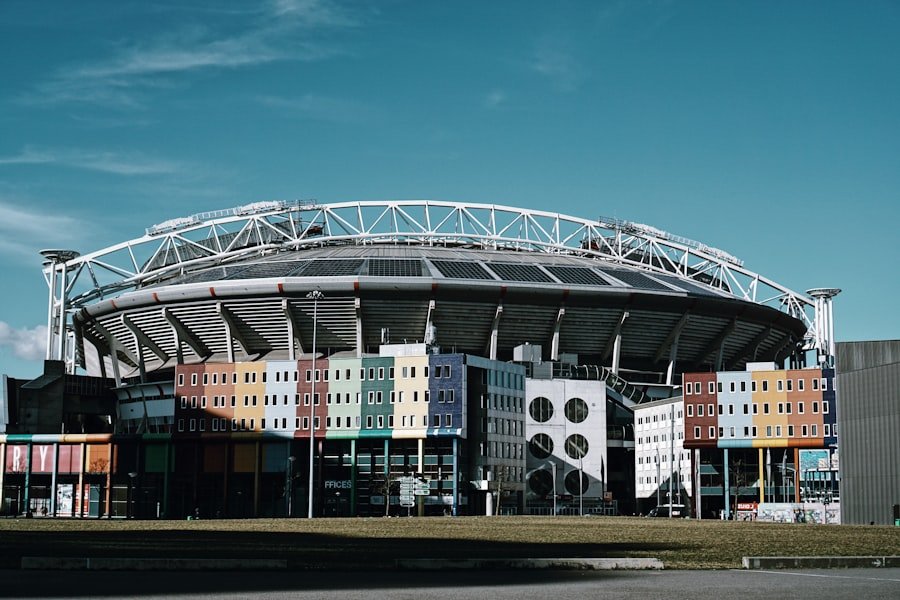
The format of the Europa League is designed to ensure that teams from various levels of European football can compete on an equal footing. The tournament begins with a series of qualifying rounds, where clubs from lower-ranked leagues battle for a place in the group stage. This initial phase is crucial as it allows underdog teams to showcase their skills and potentially upset more established clubs.
Once the group stage commences, 48 teams are divided into 12 groups of four, with each team playing home and away matches. The top two teams from each group advance to the knockout stage, which consists of several rounds leading up to the final. The knockout rounds are particularly thrilling, as they feature single-elimination matches that can produce dramatic moments and unexpected outcomes.
The final is held at a neutral venue, where two teams compete for one of European football’s most coveted trophies. This structure not only enhances competitiveness but also ensures that every match counts, keeping fans on the edge of their seats throughout the tournament.
Qualifying for the Europa League
| Team | Points | Goals Scored | Goals Conceded |
|---|---|---|---|
| Arsenal | 61 | 55 | 39 |
| Tottenham Hotspur | 59 | 63 | 45 |
| Everton | 55 | 47 | 40 |
Qualifying for the Europa League is a rigorous process that reflects the competitive nature of European football. Clubs can earn their place in the tournament through various avenues: by finishing in specific positions within their domestic leagues or by winning domestic cup competitions. For instance, teams that finish just below Champions League qualification spots often find themselves in contention for a Europa League berth.
Additionally, some leagues allocate spots based on historical performance in European competitions, further adding to the complexity of qualification. The qualifying rounds are divided into several phases, starting with preliminary rounds that involve lower-ranked clubs from across Europe. As teams progress through these rounds, they face increasingly challenging opponents, making each match a test of skill and determination.
This multi-tiered approach not only allows smaller clubs to participate but also ensures that only the most deserving teams reach the group stage. The journey to qualify for the Europa League is often fraught with challenges, but it is this very struggle that adds to the tournament’s allure.
Teams to Watch in the Europa League
As each season unfolds, certain teams emerge as favorites to make deep runs in the Europa League. Clubs with rich histories in European competitions often find themselves at the forefront of discussions among fans and analysts alike. Teams like Sevilla FC have established themselves as powerhouses in this tournament, boasting an impressive record of multiple titles.
Their experience and tactical prowess make them formidable opponents for any team. However, it’s not just traditional powerhouses that capture attention; emerging clubs also make their mark in this competition. Teams from lesser-known leagues often surprise larger clubs with their tenacity and skill.
For instance, clubs like Villarreal and Eintracht Frankfurt have demonstrated that they can compete at high levels despite not being perennial favorites. As we look ahead to future tournaments, it will be fascinating to see which teams rise to prominence and challenge for glory in this prestigious competition.
Key Players in the Europa League
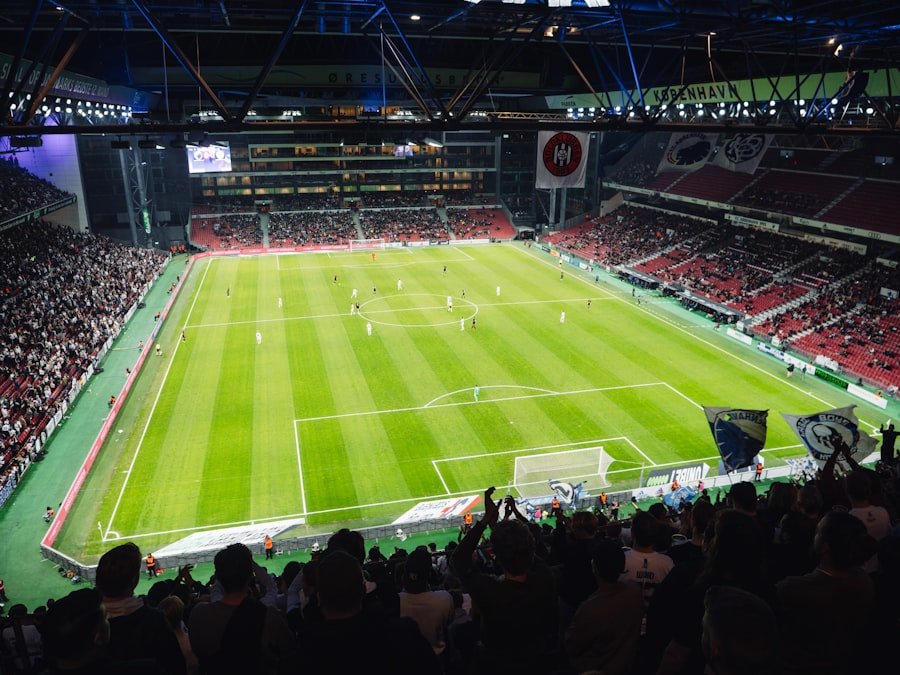
The Europa League has been home to some of football’s most talented players over its storied history. Each season brings forth new stars who shine on this grand stage, showcasing their skills and contributing significantly to their teams’ success. Players like Kevin De Bruyne and Antoine Griezmann have made their mark in previous editions of the tournament, demonstrating their ability to perform under pressure and deliver crucial moments when it matters most.
In addition to established stars, young talents often use this platform to announce themselves to a broader audience. The Europa League provides an opportunity for emerging players to gain invaluable experience against top-level competition. As scouts and fans alike keep a close eye on these rising stars, it becomes evident that this tournament is not just about established names; it’s also about discovering future legends who will shape the game for years to come.
Memorable Moments in Europa League History
The history of the Europa League is filled with unforgettable moments that have left an indelible mark on football fans worldwide. From stunning upsets to last-minute goals, these instances encapsulate the drama and excitement that define this tournament. One such moment occurred during the 2000-01 season when Liverpool famously came back from a 3-0 deficit against AC Milan in the final, ultimately winning on penalties—a testament to resilience and determination.
Another memorable occasion was Sevilla’s remarkable run in 2014 when they clinched their third title in just nine years by defeating Benfica in a nail-biting final that went to penalties. Such moments not only highlight individual brilliance but also showcase the collective spirit of teams striving for greatness. As we reflect on these instances, it becomes clear that they contribute significantly to the rich tapestry of stories that make up the Europa League’s legacy.
Europa League Records and Statistics
The Europa League boasts an array of records and statistics that illustrate its significance within European football. Clubs like Sevilla FC hold records for most titles won, while individual players have set benchmarks for goals scored and assists provided throughout their careers in this competition. These statistics serve as a testament to both individual excellence and team success over time.
Moreover, attendance figures at matches often reflect the tournament’s popularity among fans. High-stakes matches draw large crowds, creating an electric atmosphere that enhances the overall experience for players and supporters alike. As we analyze these records and statistics, we gain insight into what makes the Europa League such a compelling competition—its ability to bring together diverse clubs and players while fostering an environment where greatness can flourish.
Europa League Final: The Pinnacle of the Tournament
The Europa League final represents the culmination of months of hard work and dedication from participating teams. Held at a neutral venue each year, this match is often regarded as one of the most significant events in club football. The atmosphere surrounding the final is electric; fans from both sides come together to support their teams in what is often described as a once-in-a-lifetime opportunity.
Winning this prestigious trophy not only brings glory but also has far-reaching implications for clubs involved. The victor earns a place in next season’s UEFA Champions League, providing financial incentives and increased visibility on an international scale. As such, every final is steeped in history and significance—an opportunity for teams to etch their names into football folklore while competing against some of Europe’s best.
Europa League and European Football
The impact of the Europa League extends beyond individual clubs; it plays a crucial role in shaping European football as a whole. By providing opportunities for clubs from various leagues to compete at high levels, it fosters greater competitiveness across Europe’s football landscape. This inclusivity allows smaller clubs to challenge traditional powerhouses while also promoting talent development within domestic leagues.
Furthermore, success in this tournament can elevate a club’s status within its own league and beyond. Teams that perform well in Europe often attract better players and sponsorship deals due to increased visibility and prestige associated with competing on such a grand stage. As we consider its broader implications, it becomes evident that the Europa League serves as an essential component of European football’s ecosystem—one that nurtures talent while promoting healthy competition among clubs.
The Future of the Europa League
As we look ahead to the future of the Europa League, it is clear that this tournament will continue evolving alongside changes within European football itself. With increasing globalization and advancements in technology impacting how fans engage with sports content, there are opportunities for further growth and innovation within this competition. Moreover, as clubs strive for greater success both domestically and internationally, we can expect heightened levels of competition within future editions of the tournament.
Emerging leagues may gain prominence while established powerhouses continue vying for supremacy—creating an exciting dynamic that keeps fans engaged year after year. In conclusion, whether through thrilling matches or unforgettable moments etched into history books—the UEFA Europa League remains an integral part of European football culture today—and its future promises even more excitement ahead!
The UEFA Europa League continues to captivate football fans around the world with its thrilling matches and unexpected outcomes. As teams from various European countries compete for the prestigious title, the tournament showcases a blend of emerging talents and seasoned professionals. For those interested in the dynamics of competitive environments, whether in sports or other fields, the story of Mahi Masud in Australia’s real estate market offers an intriguing parallel. Just as football teams strategize to outperform their rivals, Mahi Masud has made a remarkable name for herself by navigating the competitive landscape of real estate. You can read more about her achievements in this related article.
You may also find these helpful: Discover Real Estate Near Me in Balcatta and Prime Property near Perth CBD.