
Essential Plumbing Maintenance for Como WA Rental Properties: Key Things to Consider
Regular plumbing maintenance is an essential aspect of property management that often goes overlooked. For landlords and property managers, ensuring that plumbing systems are functioning optimally not only enhances tenant satisfaction but also protects the value of the property. Neglecting plumbing issues can lead to significant problems down the line, including costly repairs and potential damage to the property.
By investing time and resources into regular maintenance, property owners can prevent minor issues from escalating into major headaches. Moreover, regular plumbing maintenance fosters a safe and healthy living environment for tenants. Leaky pipes, clogged drains, and malfunctioning fixtures can lead to unsanitary conditions, which may result in health hazards such as mold growth or water contamination.
By prioritizing plumbing upkeep, property managers can ensure that their tenants enjoy a comfortable and safe living space, ultimately leading to higher tenant retention rates and a more profitable investment.
Key Takeaways
- Regular plumbing maintenance is crucial for preventing costly repairs and ensuring the proper functioning of your plumbing system.
- Common plumbing issues in rental properties include clogged drains, leaky faucets, and running toilets, which can lead to water damage and higher utility bills.
- Checking for leaks and drips regularly can help identify and address potential water wastage and damage to your property.
- Inspecting and cleaning drains is essential for preventing clogs and maintaining proper drainage in sinks, showers, and bathtubs.
- Maintaining water heaters through regular flushing and inspection can extend their lifespan and improve energy efficiency.
Common Plumbing Issues in Rental Properties
In rental properties, several common plumbing issues frequently arise, each requiring prompt attention to avoid further complications. One of the most prevalent problems is clogged drains, which can occur due to the accumulation of hair, grease, soap residue, and other debris. Clogged drains not only disrupt daily activities but can also lead to unpleasant odors and potential water damage if left unaddressed.
Property managers must be vigilant in monitoring drain conditions and addressing any signs of blockage before they escalate. Another common issue is leaky faucets and toilets. These seemingly minor problems can waste significant amounts of water over time, leading to increased utility bills and environmental concerns.
Additionally, leaks can cause water damage to surrounding areas, resulting in costly repairs. Property managers should conduct regular inspections to identify and rectify these issues promptly, ensuring that tenants are not inconvenienced and that the property remains in good condition.
Checking for Leaks and Drips

One of the most critical aspects of plumbing maintenance is checking for leaks and drips throughout the property. Even small leaks can lead to substantial water waste and damage if not addressed promptly. Property managers should conduct routine inspections of all plumbing fixtures, including faucets, toilets, and pipes, to identify any signs of leakage.
This proactive approach not only conserves water but also helps maintain the integrity of the property. In addition to visual inspections, property managers should encourage tenants to report any signs of leaks or drips immediately. Open communication between property managers and tenants is vital for effective maintenance.
By fostering a culture of transparency and responsiveness, property managers can ensure that issues are addressed swiftly, minimizing potential damage and maintaining tenant satisfaction.
Inspecting and Cleaning Drains
| Drain Inspection and Cleaning Metrics | 2019 | 2020 | 2021 |
|---|---|---|---|
| Number of drains inspected | 500 | 550 | 600 |
| Number of drains cleaned | 400 | 450 | 500 |
| Average time to inspect a drain (minutes) | 15 | 14 | 13 |
| Average time to clean a drain (minutes) | 30 | 28 | 25 |
Regular inspection and cleaning of drains are essential components of effective plumbing maintenance in rental properties. Over time, drains can accumulate debris that leads to clogs and slow drainage. Property managers should implement a routine cleaning schedule to ensure that drains remain clear and functional.
This may involve using specialized tools or solutions to break down buildup and prevent blockages from forming. Additionally, educating tenants about proper drain usage can significantly reduce the likelihood of clogs. Providing guidelines on what can and cannot be disposed of down the drain can empower tenants to take responsibility for their plumbing systems.
By combining proactive maintenance with tenant education, property managers can create a more efficient plumbing environment that benefits everyone involved.
Maintaining Water Heaters
Water heaters are vital components of any rental property, providing hot water for various daily activities such as bathing, cooking, and cleaning. Regular maintenance of water heaters is crucial to ensure their longevity and efficiency. Property managers should schedule routine inspections to check for signs of wear and tear, such as rust or leaks.
Flushing the tank periodically can also help remove sediment buildup that can affect performance. In addition to routine maintenance, property managers should be aware of the age and condition of the water heaters in their properties. Older units may require replacement sooner rather than later to avoid unexpected breakdowns that could inconvenience tenants.
By staying proactive about water heater maintenance, property managers can ensure that tenants have access to reliable hot water while protecting their investment.
Testing and Repairing Toilet and Faucet Functionality
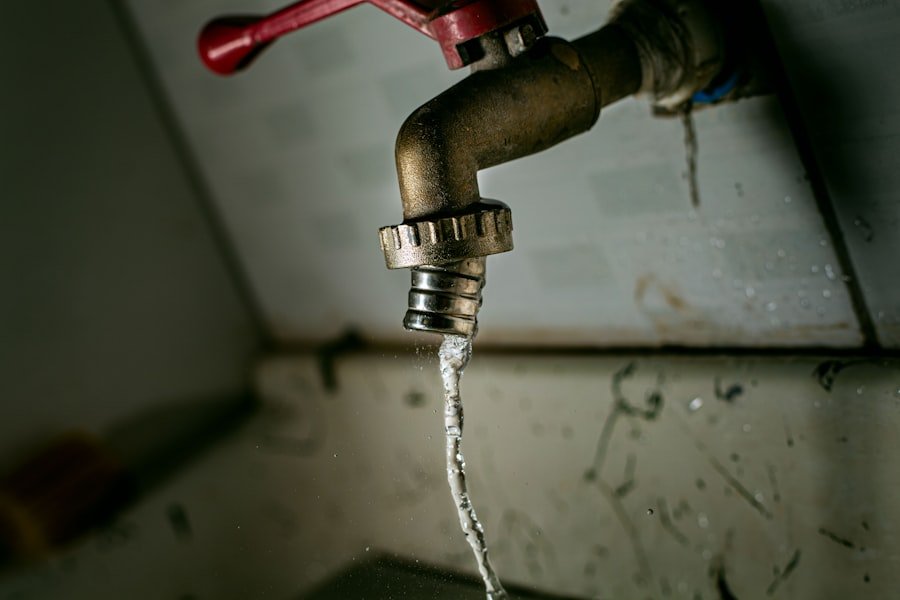
Toilets and faucets are among the most frequently used fixtures in rental properties, making their functionality paramount for tenant satisfaction. Regular testing of toilets for proper flushing mechanisms and checking faucets for consistent water flow are essential tasks for property managers. Any signs of malfunction should be addressed immediately to prevent further complications.
Repairing or replacing faulty toilets and faucets not only enhances tenant comfort but also contributes to water conservation efforts. Leaky toilets can waste gallons of water daily, leading to increased utility costs for both tenants and property owners. By prioritizing the functionality of these fixtures through regular maintenance checks, property managers can ensure a seamless living experience for tenants while safeguarding their properties against unnecessary expenses.
Addressing Low Water Pressure
Low water pressure is a common issue that can significantly impact tenant satisfaction in rental properties. It can make everyday tasks such as showering or washing dishes frustratingly difficult. Property managers should be proactive in identifying the causes of low water pressure, which may include clogged pipes, leaks, or issues with the municipal water supply.
Once identified, addressing low water pressure may involve cleaning or replacing pipes, repairing leaks, or even consulting with local water authorities if necessary. By taking swift action to resolve low water pressure issues, property managers demonstrate their commitment to tenant comfort while ensuring that the property’s plumbing system operates efficiently.
Preventing and Removing Blockages
Preventing and removing blockages is a crucial aspect of plumbing maintenance that requires ongoing attention from property managers. Blockages can occur in various areas of the plumbing system, including sinks, toilets, and main sewer lines. Regular inspections can help identify potential problem areas before they become significant issues.
When blockages do occur, prompt removal is essential to prevent further complications such as backups or overflows. Property managers should have a plan in place for addressing blockages quickly and efficiently, whether through professional plumbing services or DIY methods. By prioritizing blockage prevention and removal, property managers can maintain a functional plumbing system that meets the needs of their tenants.
Ensuring Proper Function of Sump Pumps
Sump pumps play a critical role in preventing flooding in basements or crawl spaces within rental properties. Regular maintenance of sump pumps is essential to ensure they function correctly when needed most. Property managers should conduct routine inspections to check for any signs of wear or malfunction.
In addition to inspections, testing sump pumps periodically is crucial to confirm their operational status. This may involve simulating heavy rainfall conditions to ensure that the pump activates as intended. By prioritizing sump pump maintenance, property managers can protect their properties from potential water damage while providing peace of mind to tenants.
Assessing and Repairing Pipe Insulation
Proper pipe insulation is vital for maintaining energy efficiency within rental properties while preventing freezing during colder months. Property managers should regularly assess the insulation around pipes to ensure it remains intact and effective. Damaged or inadequate insulation can lead to increased energy costs and potential pipe bursts during extreme weather conditions.
If any issues with pipe insulation are identified during inspections, prompt repairs or replacements should be made to safeguard the property’s plumbing system. By prioritizing pipe insulation maintenance, property managers can enhance energy efficiency while protecting their investment from costly repairs associated with frozen or burst pipes.
Hiring a Professional Plumbing Service for Comprehensive Maintenance
While some plumbing maintenance tasks can be handled by property managers themselves, hiring a professional plumbing service for comprehensive maintenance is often the best course of action. Professional plumbers possess the expertise and tools necessary to address complex plumbing issues effectively while ensuring compliance with local regulations. By partnering with a reputable plumbing service, property managers can benefit from regular inspections and maintenance schedules tailored to their specific properties’ needs.
This proactive approach not only saves time but also minimizes the risk of costly repairs down the line. Ultimately, investing in professional plumbing services ensures that rental properties remain in optimal condition while providing tenants with a safe and comfortable living environment. In conclusion, regular plumbing maintenance is an indispensable aspect of effective property management that cannot be overlooked.
By addressing common plumbing issues proactively, conducting routine inspections, and hiring professional services when necessary, property managers can safeguard their investments while ensuring tenant satisfaction. Prioritizing plumbing upkeep not only protects the property’s value but also fosters a positive living experience for tenants—an essential component of successful rental management.
For property owners in Como, WA, maintaining the plumbing in rental properties is crucial to ensure tenant satisfaction and protect the investment. Regular inspections and timely repairs can prevent costly damages and enhance the property’s value. For those interested in diversifying their investment portfolio beyond real estate, exploring different avenues can be beneficial. An insightful article that compares real estate investments with other options, such as cryptocurrency, can be found here. This comprehensive guide provides valuable information for investors looking to make informed decisions in today’s dynamic market.
For further guidance, see Baldivis Emergency Repairs Rental: Quick Solutions for Property Issues, Como WA Contractor Network: Property Maintenance Services and Efficient Property Maintenance Services in Queens Park. Each one breaks the topic down step by step.