
Understanding Ensuring Safe Property Management in Safety Bay
In the picturesque locale of Safety Bay, where the sun-kissed beaches meet a vibrant community, the importance of safe property management cannot be overstated. Property management is not merely about maintaining buildings; it is about ensuring the safety and well-being of residents and tenants. A safe living environment fosters a sense of security, which is paramount for individuals and families alike.
When property management prioritizes safety, it not only enhances the quality of life for residents but also protects the investment of property owners. In a region where the community thrives on trust and reliability, property management must embody these values to create a harmonious living experience. Moreover, safe property management in Safety Bay contributes to the overall reputation of the area.
When properties are well-managed and safety protocols are in place, it attracts potential tenants and buyers, thereby increasing property values. A commitment to safety can set a property apart in a competitive market, making it an appealing choice for those seeking a new home. As such, property managers must recognize their pivotal role in shaping the community’s perception and ensuring that Safety Bay remains a desirable place to live.
Key Takeaways
- Safe property management is crucial for the well-being of tenants and residents in Safety Bay.
- Property managers have a responsibility to ensure the safety and security of the property and its occupants.
- Implementing safety protocols for property maintenance is essential to prevent accidents and hazards.
- Regular inspections and maintenance checks are necessary to identify and address potential safety issues.
- Compliance with safety regulations and codes is a non-negotiable aspect of property management in Safety Bay.
Understanding the Responsibilities of Property Managers
Property managers carry a significant weight of responsibilities that extend beyond mere administrative tasks. They are the custodians of properties, tasked with ensuring that every aspect of a building is functioning optimally. This includes overseeing maintenance, managing tenant relations, and ensuring compliance with local laws and regulations.
A proficient property manager understands that their role is multifaceted; they must be adept at problem-solving, communication, and strategic planning to effectively manage properties. Furthermore, property managers must be well-versed in the legal obligations that govern property management. This includes understanding tenant rights, lease agreements, and local housing laws.
By being knowledgeable about these regulations, property managers can protect both the interests of property owners and the rights of tenants. This dual focus not only fosters a positive relationship between landlords and tenants but also minimizes potential legal disputes, creating a more stable and secure living environment.
Implementing Safety Protocols for Property Maintenance
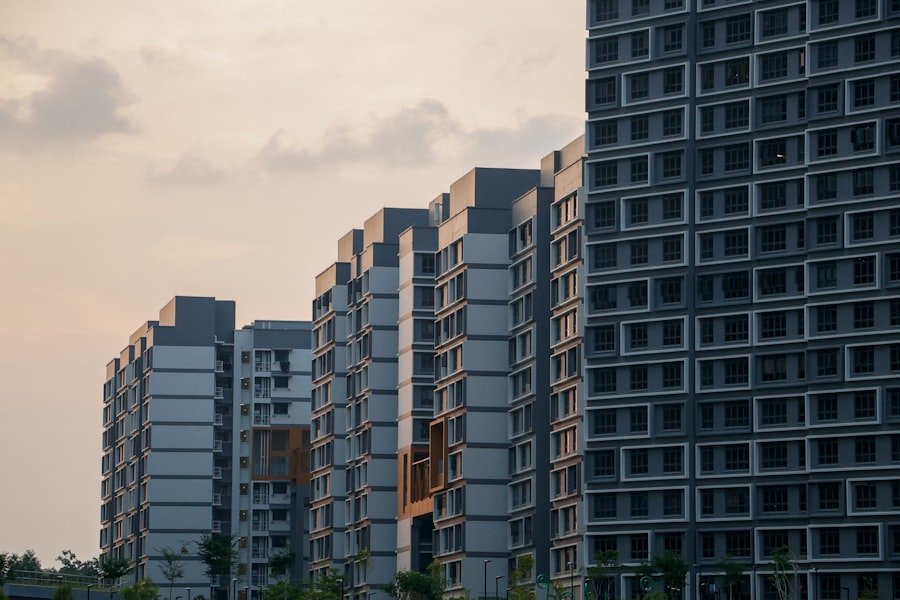
Implementing safety protocols for property maintenance is essential in safeguarding both residents and properties. A comprehensive safety protocol should encompass regular maintenance schedules, emergency procedures, and clear communication channels for reporting issues. By establishing these protocols, property managers can proactively address potential hazards before they escalate into serious problems.
For instance, routine inspections can identify wear and tear on facilities, allowing for timely repairs that prevent accidents. Additionally, safety protocols should include guidelines for contractors and maintenance personnel who work on the property. Ensuring that all workers adhere to safety standards not only protects them but also safeguards residents from potential risks associated with construction or repair work.
By fostering a culture of safety among all individuals involved in property management, property managers can create an environment where safety is prioritized at every level.
Conducting Regular Inspections and Maintenance Checks
| Inspection/Maintenance Check | Frequency | Responsibility |
|---|---|---|
| Equipment Inspection | Monthly | Maintenance Team |
| Fire Safety System Check | Quarterly | Facility Manager |
| HVAC System Maintenance | Bi-annually | External Contractor |
| Electrical System Inspection | Annually | Facility Engineer |
Regular inspections and maintenance checks are critical components of effective property management. These proactive measures allow property managers to identify issues before they become significant problems, ensuring that properties remain safe and well-maintained. Inspections should be conducted on a routine basis, covering all aspects of the property, including common areas, individual units, and outdoor spaces.
By systematically assessing the condition of the property, managers can address maintenance needs promptly and efficiently. Moreover, conducting regular inspections fosters open communication with tenants. When residents know that their property manager is actively engaged in maintaining their living environment, they are more likely to report issues or concerns.
This collaborative approach not only enhances tenant satisfaction but also contributes to a safer community overall. By prioritizing regular inspections and maintenance checks, property managers demonstrate their commitment to providing a secure and comfortable living experience for all residents.
Ensuring Compliance with Safety Regulations and Codes
Compliance with safety regulations and codes is non-negotiable in property management. Property managers must stay informed about local laws governing building safety, fire codes, health regulations, and environmental standards. By adhering to these regulations, property managers not only protect their properties but also ensure the safety of residents.
Non-compliance can lead to severe consequences, including fines, legal action, or even the closure of properties. To ensure compliance, property managers should establish a system for monitoring changes in regulations and conducting regular audits of their properties. This proactive approach allows them to identify any areas that may require attention or improvement.
Additionally, maintaining accurate records of compliance efforts demonstrates accountability and transparency to both property owners and tenants. By prioritizing compliance with safety regulations and codes, property managers can create a secure living environment while safeguarding their reputation in the community.
Providing Proper Training for Property Management Staff

The effectiveness of property management hinges on the competence of its staff. Providing proper training for property management personnel is essential in equipping them with the skills and knowledge necessary to uphold safety standards. Training programs should cover a range of topics, including emergency response procedures, conflict resolution, maintenance protocols, and legal compliance.
By investing in staff training, property management companies can ensure that their team is well-prepared to handle any situation that may arise. Moreover, ongoing training opportunities should be made available to staff members to keep them updated on industry best practices and emerging trends in property management. This commitment to continuous learning not only enhances staff performance but also fosters a culture of excellence within the organization.
When property management staff are well-trained and knowledgeable about safety protocols, they can effectively contribute to creating a safe living environment for residents.
Establishing Emergency Response Plans for Property Incidents
Establishing emergency response plans is a critical aspect of effective property management. Emergencies can arise unexpectedly, whether due to natural disasters, fires, or other unforeseen incidents. Having a well-defined emergency response plan ensures that property managers are prepared to act swiftly and efficiently in such situations.
These plans should outline clear procedures for evacuating residents, contacting emergency services, and communicating with tenants during crises. Additionally, conducting regular drills and training sessions can help familiarize both staff and residents with emergency procedures. By practicing these scenarios, everyone involved will know what to do when an actual emergency occurs.
This preparedness not only enhances safety but also instills confidence among residents that their property management team is equipped to handle emergencies effectively.
Addressing Potential Hazards and Risks on the Property
Identifying and addressing potential hazards on the property is an ongoing responsibility for property managers. Regular assessments should be conducted to identify risks such as uneven walkways, inadequate lighting in common areas, or malfunctioning equipment. By proactively addressing these hazards, property managers can prevent accidents and injuries from occurring on-site.
Furthermore, engaging residents in discussions about potential hazards can foster a sense of community involvement in safety efforts. Encouraging tenants to report any concerns or observations allows property managers to address issues promptly while also empowering residents to take an active role in maintaining their living environment. By prioritizing hazard identification and mitigation, property managers can create a safer community for all.
Communicating Safety Measures to Tenants and Residents
Effective communication is key to ensuring that tenants are aware of safety measures in place within their properties. Property managers should establish clear channels for disseminating information about safety protocols, emergency procedures, and maintenance schedules. Regular newsletters or community meetings can serve as platforms for sharing important updates with residents.
Additionally, providing written materials outlining safety measures can reinforce awareness among tenants. This documentation should be easily accessible and written in clear language to ensure that all residents understand their rights and responsibilities regarding safety. By fostering open communication about safety measures, property managers can build trust with tenants while promoting a culture of safety within the community.
Collaborating with Local Authorities for Safety Initiatives
Collaboration with local authorities is essential for enhancing safety initiatives within properties. Property managers should establish relationships with local law enforcement agencies, fire departments, and health inspectors to stay informed about community safety resources and programs. By working together with these entities, property managers can access valuable information about best practices for maintaining safe living environments.
Moreover, participating in community safety initiatives can demonstrate a commitment to public welfare while fostering positive relationships with local authorities. This collaboration not only benefits individual properties but also contributes to the overall safety of the community as a whole. By engaging with local authorities on safety initiatives, property managers can enhance their effectiveness in creating secure living environments for residents.
Continuously Evaluating and Improving Safety Practices on the Property
The landscape of property management is ever-evolving; therefore, continuously evaluating and improving safety practices is crucial for success. Property managers should regularly assess their safety protocols to identify areas for improvement or adaptation based on changing circumstances or emerging trends in the industry. This commitment to continuous improvement ensures that properties remain safe and compliant with current regulations.
Additionally, soliciting feedback from tenants regarding safety practices can provide valuable insights into areas that may require attention or enhancement. By actively seeking input from residents, property managers demonstrate their dedication to creating a safe living environment while fostering a sense of community involvement in safety efforts. Through ongoing evaluation and improvement of safety practices, property managers can ensure that they are providing the highest level of care for both residents and properties alike.
In conclusion, safe property management in Safety Bay is paramount for fostering secure living environments that benefit both residents and property owners alike. By understanding their responsibilities as custodians of properties, implementing robust safety protocols, conducting regular inspections, ensuring compliance with regulations, providing proper training for staff members, establishing emergency response plans, addressing potential hazards proactively, communicating effectively with tenants, collaborating with local authorities on safety initiatives, and continuously evaluating practices—property managers can create thriving communities where safety is prioritized above all else.
If you’re interested in property management in Safety Bay, you might find valuable insights in related real estate topics, such as home buying tips. For those looking to expand their knowledge on purchasing property, the article on home buying tips offers practical advice and strategies to navigate the real estate market effectively. Whether you’re a first-time buyer or looking to invest, understanding the nuances of home buying can complement your property management endeavors in Safety Bay.