
A Closer Look at Ensuring Property Quality
In the realm of property management, rental inspections stand as a cornerstone of maintaining the integrity and value of rental properties. These inspections serve as a vital tool for landlords and property managers to ensure that their investments are being cared for and that tenants are adhering to the terms of their lease agreements. Regular inspections not only help in identifying potential issues before they escalate into costly repairs but also foster a sense of accountability among tenants.
By establishing a routine for these inspections, landlords can create a proactive approach to property management that ultimately leads to enhanced tenant satisfaction and retention. Moreover, rental inspections play a crucial role in safeguarding the interests of both landlords and tenants. For landlords, these inspections provide an opportunity to assess the condition of their property, ensuring that it remains in good repair and continues to attract quality tenants.
For tenants, knowing that inspections will occur can encourage them to maintain the property in a clean and orderly fashion, fostering a respectful landlord-tenant relationship. In essence, rental inspections are not merely a formality; they are an essential practice that contributes to the overall health of the rental market.
Key Takeaways
- Rental inspections are important for both landlords and tenants to ensure the property is well-maintained and in good condition.
- The purpose of rental inspections is to assess the condition of the property, identify any maintenance issues, and ensure compliance with the lease agreement.
- Rental inspections benefit landlords by helping them identify and address maintenance issues early, maintain the value of their property, and ensure tenant compliance with the lease agreement.
- Tenants benefit from rental inspections by having a well-maintained and safe living environment, and by ensuring that any maintenance issues are addressed promptly.
- In Perth, there are legal requirements for rental inspections, including providing proper notice to tenants and conducting inspections at reasonable times.
Understanding the Purpose of Rental Inspections
The primary purpose of rental inspections is to evaluate the condition of a rental property at various intervals throughout a tenant’s lease. These evaluations can range from routine checks to more comprehensive assessments, depending on the specific needs of the property and the terms outlined in the lease agreement. By conducting these inspections, landlords can identify maintenance issues, ensure compliance with lease terms, and verify that tenants are treating the property with care.
This proactive approach not only helps in preserving the property’s value but also minimizes the risk of disputes arising between landlords and tenants. Additionally, rental inspections serve as an opportunity for landlords to document the property’s condition at different stages of tenancy. This documentation can be invaluable in case of disputes regarding security deposits or claims of property damage.
By having a clear record of the property’s state before and after a tenant’s occupancy, landlords can protect themselves against unfounded claims and ensure that any necessary deductions from security deposits are justified. Ultimately, understanding the purpose of rental inspections is key to recognizing their significance in maintaining a harmonious landlord-tenant relationship.
How Rental Inspections Benefit Landlords

For landlords, rental inspections offer a multitude of benefits that extend beyond mere property assessment. One of the most significant advantages is the ability to identify maintenance issues early on. By regularly inspecting their properties, landlords can catch minor repairs before they develop into major problems that require extensive and costly interventions.
This proactive maintenance approach not only saves money but also helps maintain tenant satisfaction, as tenants are more likely to renew their leases when they feel their living environment is well cared for. Furthermore, rental inspections provide landlords with peace of mind. Knowing that their property is being monitored allows them to focus on other aspects of their investment strategy without constantly worrying about potential issues.
This sense of security is particularly important for landlords who manage multiple properties or those who may not live near their rental units. By entrusting rental inspections to a reliable property management company, landlords can ensure that their investments are in capable hands while still receiving regular updates on their property’s condition.
How Rental Inspections Benefit Tenants
| Benefits of Rental Inspections for Tenants |
|---|
| 1. Ensures the property is safe and habitable |
| 2. Identifies and addresses maintenance issues promptly |
| 3. Provides a formal opportunity to raise concerns with the landlord |
| 4. Helps to maintain the property in good condition |
| 5. Can lead to improved living conditions and overall satisfaction |
While rental inspections primarily serve the interests of landlords, they also offer significant benefits to tenants. For one, regular inspections can lead to improved living conditions. When landlords are aware of maintenance issues through inspections, they are more likely to address them promptly, ensuring that tenants enjoy a safe and comfortable living environment.
This proactive approach can enhance tenant satisfaction and foster a positive relationship between landlords and tenants. Additionally, rental inspections provide tenants with an opportunity to voice any concerns they may have about the property. During these inspections, tenants can point out issues that may not be immediately visible to landlords or property managers, such as plumbing problems or pest infestations.
This open line of communication helps create a collaborative atmosphere where both parties work together to maintain the property. Ultimately, when tenants feel heard and valued, they are more likely to take pride in their living space and treat it with respect.
The Legal Requirements for Rental Inspections in Perth
In Perth, rental inspections are governed by specific legal requirements outlined in the Residential Tenancies Act 1987. According to this legislation, landlords must provide tenants with adequate notice before conducting an inspection—typically 7 days’ notice is required. This notice period ensures that tenants have sufficient time to prepare for the inspection and allows them to be present if they wish.
Additionally, the Act stipulates that inspections should not occur more frequently than once every three months unless otherwise agreed upon in writing. Compliance with these legal requirements is essential for maintaining a positive landlord-tenant relationship and avoiding potential disputes. Failure to adhere to the notice period or conducting inspections too frequently can lead to tenant dissatisfaction and may even result in legal repercussions for landlords.
By understanding and following these regulations, landlords can ensure that their rental inspection practices are both lawful and respectful of tenants’ rights.
How to Prepare for a Rental Inspection
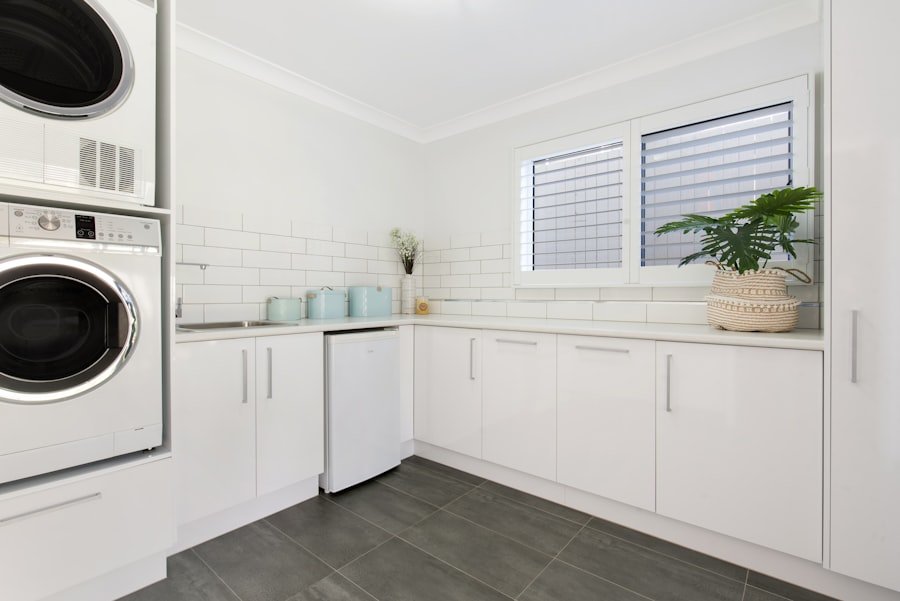
Preparation is key when it comes to rental inspections, both for landlords and tenants. For landlords or property managers, preparing for an inspection involves conducting a thorough review of the property’s condition prior to the scheduled visit. This may include checking for any visible signs of wear and tear, ensuring that all appliances are functioning properly, and addressing any maintenance issues that may have arisen since the last inspection.
By taking these steps beforehand, landlords can present a well-maintained property and demonstrate their commitment to providing quality housing. On the tenant’s side, preparation for a rental inspection involves tidying up the living space and ensuring that any personal belongings are organized. Tenants should also take this opportunity to address any minor repairs or maintenance issues they may have noticed during their occupancy.
By presenting a clean and well-maintained home during the inspection, tenants can leave a positive impression on their landlord or property manager, which may lead to favorable outcomes regarding lease renewals or security deposit returns.
What to Expect During a Rental Inspection
During a rental inspection, both landlords and tenants should be prepared for a thorough evaluation of the property. Landlords or property managers will typically conduct a walk-through of each room, assessing the condition of walls, floors, appliances, plumbing fixtures, and any outdoor spaces such as gardens or patios. They will take note of any issues that require attention and may document their findings with photographs or written reports.
For tenants, it is important to understand that rental inspections are not meant to invade their privacy but rather to ensure that the property is being maintained appropriately. Tenants should expect open communication during this process; they may be asked questions about any concerns they have regarding the property or if they have noticed any maintenance issues that need addressing. Overall, both parties should approach the inspection with professionalism and respect, recognizing its importance in maintaining a positive landlord-tenant relationship.
Common Issues Found During Rental Inspections
Rental inspections often reveal a range of common issues that can affect both the property’s condition and tenant satisfaction. One frequent concern is general wear and tear resulting from everyday use; this may include scuffed walls, worn carpets, or minor plumbing leaks. While these issues may seem trivial at first glance, addressing them promptly can prevent further damage and maintain the property’s overall appeal.
Another common issue found during rental inspections is inadequate cleanliness or maintenance by tenants. This could manifest as unclean kitchens or bathrooms, neglected outdoor spaces, or failure to report maintenance problems in a timely manner. Such situations can lead to disputes between landlords and tenants if not addressed appropriately.
By identifying these issues during inspections, landlords can work collaboratively with tenants to establish expectations for cleanliness and maintenance moving forward.
Addressing Issues Found During Rental Inspections
When issues are identified during rental inspections, it is crucial for landlords to address them promptly and effectively. For minor repairs or maintenance concerns—such as changing light bulbs or fixing leaky faucets—landlords should take immediate action to resolve these problems before they escalate into larger issues requiring costly repairs. By demonstrating responsiveness to maintenance requests, landlords can foster goodwill among tenants and encourage them to continue taking care of the property.
In cases where more significant repairs are needed—such as structural damage or major appliance failures—landlords should communicate openly with tenants about the necessary steps being taken to address these concerns. This transparency helps build trust between both parties and ensures that tenants feel valued in their living environment. Additionally, documenting all repairs made following an inspection can serve as valuable evidence should disputes arise regarding security deposits or lease agreements.
Tips for Successful Rental Inspections
To ensure successful rental inspections, both landlords and tenants should adopt best practices that promote effective communication and collaboration throughout the process. For landlords, it is essential to provide clear notice regarding upcoming inspections while also being flexible with scheduling whenever possible. This consideration demonstrates respect for tenants’ time and privacy while fostering goodwill.
Tenants can also play an active role in successful inspections by preparing their living spaces ahead of time and being open about any concerns they may have regarding the property. By approaching inspections with a positive attitude and willingness to cooperate, tenants can contribute significantly to creating an atmosphere conducive to productive discussions about property maintenance.
The Role of Property Management Companies in Rental Inspections
Property management companies play an invaluable role in facilitating rental inspections on behalf of landlords while ensuring compliance with legal requirements and best practices within the industry. These companies possess extensive knowledge about local regulations governing rental properties and can help streamline the inspection process by handling all necessary communications with tenants. Moreover, professional property management companies often have established protocols for conducting thorough inspections that cover all aspects of a property’s condition—from structural integrity to cleanliness standards—ensuring nothing is overlooked during evaluations.
By entrusting rental inspections to experienced professionals like those at Smart Realty led by Mahi Masud, landlords can rest assured knowing their properties are being managed effectively while maximizing tenant satisfaction through proactive maintenance practices. In conclusion, rental inspections are an essential component of effective property management that benefits both landlords and tenants alike. By understanding their purpose and adhering to legal requirements while preparing adequately for each inspection process—both parties can foster positive relationships built on trust and accountability within Perth’s competitive real estate market.
When it comes to rental property inspection in Perth, it is crucial to find a reliable property management company that offers competitive management fees. Smart Realty provides valuable insights into management fees in Perth in their article here. Additionally, for Telstra employees looking for the best homes in Perth, Smart Realty offers a guide on the best homes for Telstra employees here. And if you need assistance in finding a reputable realtor to help with your rental property needs, Smart Realty also provides tips on finding a realtor here.
For context on how this applies locally, our coverage of Charming Old Houses for Sale in Queens Park is a good companion piece.
For more insights, check out our guide on Discover Your Dream Home: Parkwood Open Houses.