
A Closer Look at Ensuring Fire Safety in Willetton Rental Properties
Fire safety is a critical aspect of property management that cannot be overlooked, especially in rental properties where multiple tenants reside. The importance of fire safety extends beyond mere compliance with legal requirements; it is fundamentally about protecting lives and preserving property. In a rental setting, the responsibility for fire safety often falls on the property owner or manager, making it imperative to establish robust safety protocols.
A single fire incident can lead to devastating consequences, including loss of life, severe injuries, and significant financial losses. Therefore, understanding the importance of fire safety is not just a regulatory obligation but a moral imperative. Moreover, ensuring fire safety in rental properties enhances the overall value of the property.
Tenants are more likely to choose a rental that prioritizes their safety and well-being. Properties that are well-maintained and equipped with adequate fire safety measures attract responsible tenants who appreciate the commitment to their safety. This not only leads to higher occupancy rates but also fosters long-term tenant relationships, reducing turnover and associated costs.
In essence, prioritizing fire safety is a win-win situation for both property owners and tenants.
Key Takeaways
- Fire safety in rental properties is crucial for the protection of tenants and the property itself.
- Regular inspections and maintenance of fire safety equipment are essential to ensure their proper functioning in case of emergencies.
- Installing smoke alarms in every bedroom and common areas can provide early detection of fires and save lives.
- Proper placement of fire extinguishers in key areas can help in containing small fires before they escalate.
- Educating tenants on fire safety measures and emergency procedures is important for their safety and well-being.
Conducting Regular Inspections and Maintenance of Fire Safety Equipment
Regular inspections and maintenance of fire safety equipment are essential components of an effective fire safety strategy in rental properties. Property managers must establish a routine schedule for checking smoke alarms, fire extinguishers, and other fire safety devices to ensure they are functioning correctly. This proactive approach not only helps in identifying potential issues before they escalate but also demonstrates a commitment to tenant safety.
Regular inspections can uncover problems such as dead batteries in smoke alarms or expired fire extinguishers, which can be easily rectified before they pose a risk. In addition to routine checks, property managers should maintain detailed records of all inspections and maintenance activities. This documentation serves as proof of compliance with fire safety regulations and can be invaluable in the event of an incident.
Furthermore, it provides tenants with peace of mind knowing that their living environment is being actively monitored for safety concerns. By prioritizing regular inspections and maintenance, property managers can significantly reduce the risk of fire-related incidents and ensure a safe living environment for all tenants.
Installing Smoke Alarms in Every Bedroom and Common Areas
One of the most effective ways to enhance fire safety in rental properties is by installing smoke alarms in every bedroom and common area. Smoke alarms are crucial early warning systems that can save lives by alerting occupants to the presence of smoke or fire before it becomes uncontrollable. The installation of smoke alarms should comply with local regulations, which often mandate their presence in specific locations within the property.
By adhering to these guidelines, property managers not only fulfill their legal obligations but also demonstrate a commitment to tenant safety. In addition to installation, it is essential to educate tenants about the importance of smoke alarms and how they function. Property managers should encourage tenants to test smoke alarms regularly and replace batteries as needed.
This collaborative approach fosters a sense of shared responsibility for fire safety within the rental community. Furthermore, ensuring that smoke alarms are interconnected can provide an added layer of protection, as an alarm triggered in one area will alert occupants throughout the property.
By prioritizing the installation and maintenance of smoke alarms, property managers can significantly enhance the overall safety of their rental properties.
Ensuring Proper Placement of Fire Extinguishers in Key Areas
| Key Areas | Number of Fire Extinguishers | Last Inspection Date |
|---|---|---|
| Office Floors | 5 | 10/15/2021 |
| Warehouse | 3 | 10/20/2021 |
| Kitchen Area | 2 | 10/18/2021 |
The strategic placement of fire extinguishers is another critical aspect of fire safety in rental properties. Fire extinguishers should be easily accessible and located in key areas such as kitchens, hallways, and near exits. Property managers must ensure that extinguishers are mounted at appropriate heights and are visible to all occupants.
Additionally, it is essential to provide clear signage indicating the location of fire extinguishers to facilitate quick access during emergencies. Regular inspections of fire extinguishers are equally important to ensure they are fully charged and operational. Property managers should establish a routine for checking expiration dates and conducting maintenance on extinguishers as needed.
By ensuring that fire extinguishers are readily available and in good working condition, property managers empower tenants to take immediate action in the event of a small fire, potentially preventing it from escalating into a larger disaster. This proactive approach not only enhances tenant safety but also demonstrates a commitment to maintaining a secure living environment.
Educating Tenants on Fire Safety Measures and Emergency Procedures
Education plays a pivotal role in enhancing fire safety within rental properties. Property managers should take the initiative to educate tenants about fire safety measures and emergency procedures during the lease signing process and throughout their tenancy. This education can include information on how to use fire extinguishers, the importance of smoke alarms, and what to do in case of a fire emergency.
Providing tenants with written materials or hosting informational sessions can reinforce this knowledge and ensure that everyone is well-informed.
Additionally, property managers should encourage tenants to participate in fire drills to practice evacuation procedures. Familiarizing tenants with escape routes and emergency exits can significantly reduce panic during an actual emergency.
By fostering a culture of safety awareness among tenants, property managers can create a more secure living environment where everyone understands their role in preventing fires and responding effectively if one occurs.
Implementing a Clear Escape Plan and Routes in the Property
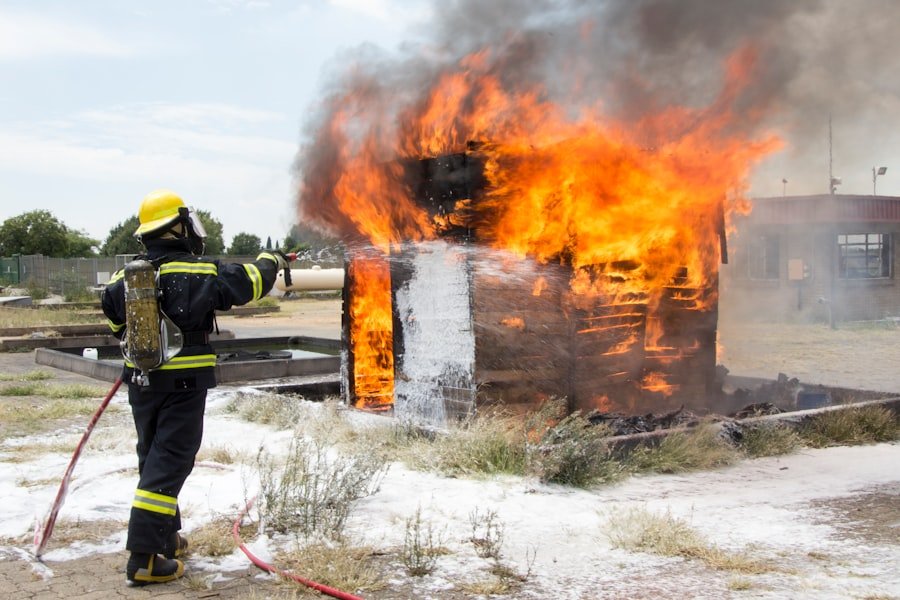
A well-defined escape plan is essential for ensuring tenant safety during a fire emergency. Property managers should develop clear escape routes that are easily accessible from every unit within the property. These routes should be prominently displayed throughout the building, allowing tenants to familiarize themselves with their options in case of an emergency.
Additionally, escape plans should include designated meeting points outside the building where tenants can gather after evacuating. Regularly reviewing and updating escape plans is crucial as well. Changes in building layout or occupancy may necessitate adjustments to escape routes or procedures.
Property managers should communicate any updates to tenants promptly, ensuring that everyone is aware of the most current information regarding evacuation procedures. By implementing a clear escape plan and ensuring that all tenants are informed, property managers can significantly enhance overall safety within their rental properties.
Keeping Clear and Unobstructed Access to Fire Exits and Emergency Doors
Maintaining clear access to fire exits and emergency doors is vital for ensuring tenant safety during a fire emergency. Property managers must regularly inspect these areas to ensure they remain unobstructed by furniture, decorations, or other items that could impede evacuation efforts. It is essential to communicate with tenants about the importance of keeping these exits clear at all times, emphasizing that even small obstructions can pose significant risks during an emergency.
In addition to physical access, property managers should ensure that emergency doors are functioning correctly and are easy to open from the inside without any special knowledge or tools. Regular maintenance checks should be conducted to verify that all emergency exits are operational and compliant with local regulations. By prioritizing unobstructed access to fire exits and emergency doors, property managers can help ensure that tenants can evacuate quickly and safely in the event of a fire.
Ensuring Proper Ventilation and Maintenance of Electrical Systems
Proper ventilation and maintenance of electrical systems are critical components of fire safety in rental properties. Poorly ventilated areas can lead to the accumulation of flammable gases or materials, increasing the risk of fires igniting unexpectedly. Property managers should conduct regular inspections of ventilation systems to ensure they are functioning correctly and free from blockages or debris.
Additionally, electrical systems must be regularly maintained to prevent malfunctions that could lead to fires. Property managers should work with licensed electricians to conduct thorough inspections of wiring, outlets, and appliances within the property. Any signs of wear or damage should be addressed immediately to mitigate potential risks.
By prioritizing proper ventilation and electrical maintenance, property managers can significantly reduce the likelihood of fire incidents occurring within their rental properties.
Prohibiting the Use of Hazardous Materials and Open Flames in the Property
To further enhance fire safety within rental properties, property managers should implement strict policies prohibiting the use of hazardous materials and open flames on the premises. This includes banning items such as candles, fireworks, or flammable liquids that could pose significant risks if mishandled or improperly stored. Clear communication regarding these policies should be provided to tenants during lease signing and reinforced through regular reminders.
Additionally, property managers should conduct periodic inspections to ensure compliance with these policies. Any violations should be addressed promptly to maintain a safe living environment for all tenants. By prohibiting hazardous materials and open flames, property managers can significantly reduce the risk of fires occurring within their rental properties while fostering a culture of safety awareness among tenants.
Establishing a Communication Plan with Local Fire Authorities
Establishing a communication plan with local fire authorities is an essential aspect of effective fire safety management in rental properties. Property managers should develop relationships with local fire departments to stay informed about best practices for fire prevention and response strategies specific to their area. Regular communication with these authorities can provide valuable insights into emerging trends or potential risks that may affect rental properties.
Additionally, property managers should ensure that local fire authorities have up-to-date information about their properties, including building layouts and occupancy details. This information can be crucial during emergencies when time is of the essence. By fostering strong communication channels with local fire authorities, property managers can enhance their preparedness for potential fire incidents while demonstrating a commitment to tenant safety.
Regularly Reviewing and Updating Fire Safety Policies and Procedures
Fire safety policies and procedures must be regularly reviewed and updated to remain effective in addressing evolving risks within rental properties. Property managers should establish a routine schedule for evaluating existing policies, considering factors such as changes in regulations, building modifications, or feedback from tenants regarding safety concerns. This proactive approach ensures that policies remain relevant and effective in mitigating potential risks.
Furthermore, involving tenants in this review process can provide valuable insights into their experiences and concerns regarding fire safety within the property. By fostering open communication channels with tenants, property managers can create a collaborative environment where everyone feels invested in maintaining a safe living space. Regularly reviewing and updating fire safety policies not only enhances tenant safety but also reinforces the property manager’s commitment to providing a secure living environment for all residents.
In conclusion, prioritizing fire safety in rental properties is essential for protecting lives, preserving property value, and fostering positive tenant relationships. By implementing comprehensive strategies such as regular inspections, proper equipment placement, tenant education, clear escape plans, unobstructed access to exits, proper ventilation maintenance, prohibiting hazardous materials, establishing communication with local authorities, and regularly reviewing policies, property managers can create safe living environments for all residents while demonstrating their commitment to tenant well-being.
In light of the recent discussions surrounding fire safety in rental properties in Willetton, it’s crucial for landlords and tenants to stay informed about safety regulations and best practices. A related article that provides valuable insights into property management and safety measures can be found on Smart Realty’s website. This article, which focuses on a property in Thornlie, offers practical advice that can be applied to rental properties in Willetton as well. For more information, you can read the full article by visiting this link.
FAQs
What are the fire safety requirements for rental properties in Willetton?
In Willetton, rental properties are required to comply with the fire safety regulations outlined in the Residential Tenancies Act 1987 and the Building Code of Australia. This includes having working smoke alarms, fire extinguishers, and emergency exit plans in place.
Are landlords responsible for ensuring fire safety in rental properties?
Yes, landlords are responsible for ensuring that their rental properties meet the necessary fire safety requirements. This includes regularly testing and maintaining smoke alarms, providing fire extinguishers, and ensuring that tenants are aware of emergency exit plans.
What are the consequences of not meeting fire safety requirements in a rental property?
Failure to meet fire safety requirements in a rental property can result in penalties for the landlord, including fines and legal action. Additionally, non-compliance with fire safety regulations can put tenants at risk and may result in damage to the property in the event of a fire.
How often should smoke alarms be tested and maintained in rental properties?
Smoke alarms in rental properties should be tested and maintained according to the manufacturer’s instructions, which typically recommend testing them at least once a month and replacing the batteries annually. Landlords are responsible for ensuring that smoke alarms are in working condition at all times.
What should tenants do if they have concerns about fire safety in their rental property?
Tenants who have concerns about fire safety in their rental property should first raise the issue with their landlord or property manager. If the issue is not addressed, tenants can contact the local authorities, such as the fire department or the Residential Tenancies Authority, for assistance.
Curious about rentals and tenancy? Start with armadale tenant management services and Effective Property Management Tips for Victoria Park Landlords.