
A Closer Look at Ensuring Electrical Compliance for Rental Properties in Seville Grove
Electrical compliance is a critical aspect of property management that cannot be overlooked. It serves as the foundation for ensuring the safety and well-being of both property owners and tenants. Compliance with electrical standards not only protects individuals from potential hazards such as electrical fires and shocks but also safeguards property owners from legal repercussions.
In an era where safety regulations are becoming increasingly stringent, understanding the importance of electrical compliance is paramount for anyone involved in rental properties. Moreover, electrical compliance is not merely a legal obligation; it is a moral responsibility. Property owners must recognize that their tenants deserve a safe living environment.
By adhering to electrical compliance standards, landlords demonstrate their commitment to tenant safety and welfare. This commitment can foster positive relationships between landlords and tenants, leading to longer tenancies and reduced turnover rates. Ultimately, prioritizing electrical compliance is an investment in the property’s value and the well-being of its occupants.
Key Takeaways
- Electrical compliance is crucial for ensuring the safety of rental properties and tenants.
- Rental property owners must be aware of and adhere to electrical compliance requirements to avoid legal issues.
- Hiring a qualified electrician for inspections and repairs is essential for maintaining electrical compliance.
- Updating outdated wiring and electrical systems is necessary to meet current safety standards.
- Installing safety switches and smoke alarms is a key measure for enhancing electrical safety in rental properties.
Identifying Electrical Compliance Requirements for Rental Properties
Identifying the specific electrical compliance requirements for rental properties is essential for landlords to ensure they meet all legal obligations. Each jurisdiction may have its own set of regulations, but common requirements often include ensuring that all electrical installations are up to code, conducting regular inspections, and maintaining safety devices such as smoke alarms. Familiarizing oneself with these requirements is crucial for property owners who wish to avoid penalties and ensure tenant safety.
In addition to local regulations, property owners should also consider national standards that govern electrical installations. For instance, the Australian Standards (AS) provide guidelines on how electrical systems should be designed, installed, and maintained. By understanding these requirements, landlords can take proactive steps to ensure their properties are compliant.
This knowledge not only protects them legally but also enhances the overall safety and functionality of their rental properties.
Hiring a Qualified Electrician for Inspections and Repairs
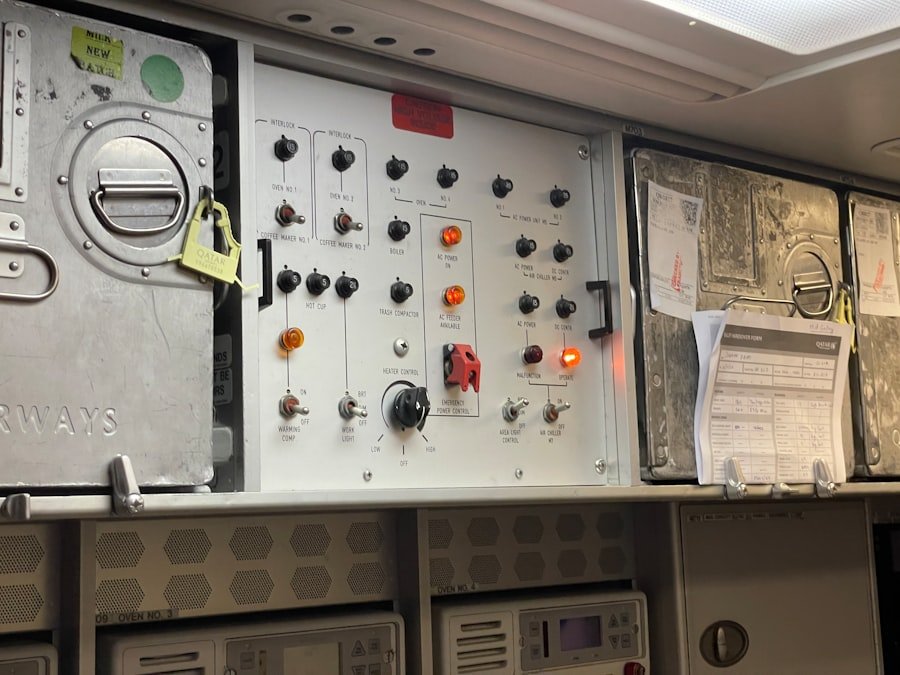
When it comes to ensuring electrical compliance, hiring a qualified electrician is non-negotiable. A licensed electrician possesses the necessary training and expertise to conduct thorough inspections and perform repairs in accordance with local regulations. Attempting to handle electrical issues without professional assistance can lead to dangerous situations and costly mistakes.
Therefore, property owners should prioritize finding a reputable electrician who has experience working with rental properties. Moreover, a qualified electrician can provide valuable insights into the current state of a property’s electrical system. They can identify potential hazards, recommend necessary upgrades, and ensure that all installations meet compliance standards.
By investing in professional services, landlords can rest assured that their properties are safe and compliant, ultimately protecting their investment and their tenants’ well-being.
Updating Outdated Wiring and Electrical Systems
| Metrics | 2018 | 2019 | 2020 |
|---|---|---|---|
| Homes Updated | 10,000 | 12,500 | 15,000 |
| Cost (in USD) | 1,000,000 | 1,250,000 | 1,500,000 |
| Accidents Prevented | 50 | 60 | 75 |
Outdated wiring and electrical systems pose significant risks to both property owners and tenants.
Property owners must recognize the importance of updating these systems to ensure compliance with current safety standards.
Updating wiring not only enhances safety but also improves the overall efficiency of a property’s electrical system. Modern wiring can accommodate higher loads and reduce energy consumption, resulting in lower utility bills for tenants. Additionally, properties with updated electrical systems are more attractive to potential renters or buyers, as they signify a commitment to safety and modern living standards.
Therefore, investing in upgrades is not just about compliance; it’s about maximizing the property’s value and appeal.
Installing Safety Switches and Smoke Alarms
Safety switches and smoke alarms are essential components of any rental property’s electrical compliance strategy. Safety switches, also known as residual current devices (RCDs), are designed to prevent electric shocks by cutting off the power supply when a fault is detected. Installing these devices is not only a legal requirement in many jurisdictions but also a critical safety measure that can save lives.
Similarly, smoke alarms are vital for early detection of fires, providing tenants with crucial time to evacuate in case of an emergency. Property owners must ensure that smoke alarms are installed in accordance with local regulations, including regular testing and maintenance. By prioritizing these safety measures, landlords demonstrate their commitment to tenant safety while also fulfilling their legal obligations.
Ensuring Proper Grounding and Earthing Systems
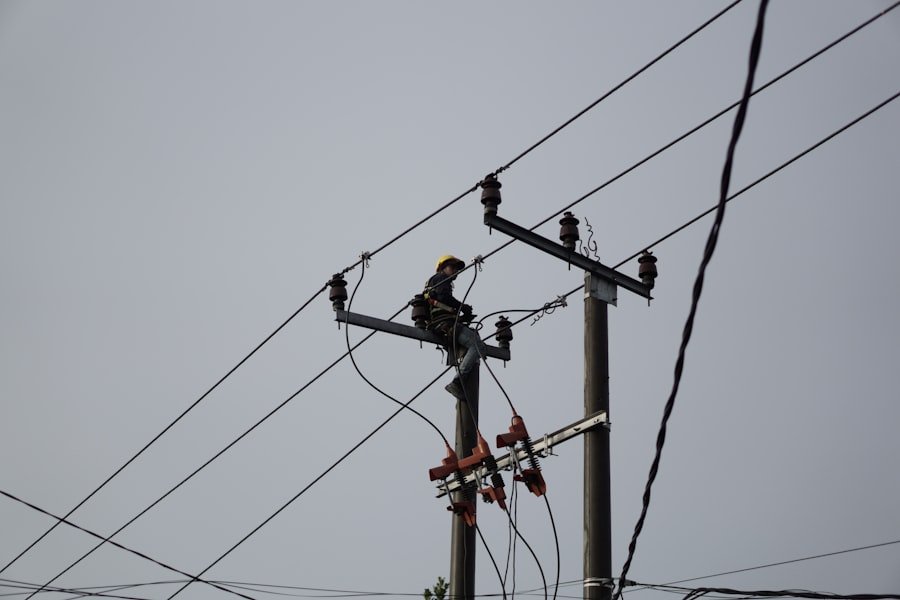
Proper grounding and earthing systems are fundamental aspects of electrical compliance that should never be overlooked. Grounding provides a safe path for electricity to flow in case of a fault, reducing the risk of electric shock or fire. Property owners must ensure that their properties have adequate grounding systems in place to protect both tenants and the property itself.
In addition to safety benefits, proper grounding can enhance the performance of electrical systems by reducing interference and improving overall efficiency. Property owners should consult with qualified electricians to assess their grounding systems and make any necessary improvements. By investing in proper grounding and earthing solutions, landlords can significantly reduce risks associated with electrical faults while ensuring compliance with safety standards.
Checking for Overloaded Circuits and Power Points
Overloaded circuits and power points are common issues in rental properties that can lead to serious safety hazards. When too many devices are connected to a single circuit, it can cause overheating and increase the risk of electrical fires. Property owners must regularly check for signs of overloaded circuits and take corrective action when necessary.
Conducting routine inspections can help identify potential overloads before they become serious problems. Landlords should encourage tenants to be mindful of their electricity usage and avoid plugging multiple high-wattage devices into the same outlet. By promoting awareness around electrical safety and addressing any overload issues promptly, property owners can create a safer living environment for their tenants while ensuring compliance with electrical standards.
Maintaining Regular Inspections and Maintenance
Regular inspections and maintenance are crucial for ensuring ongoing electrical compliance in rental properties. Property owners should establish a routine schedule for inspections conducted by qualified electricians to identify any potential issues before they escalate into serious problems. These inspections should cover all aspects of the electrical system, including wiring, outlets, switches, and safety devices.
In addition to inspections, proactive maintenance is essential for keeping electrical systems in optimal condition. This may include replacing outdated components, tightening loose connections, or upgrading safety devices as needed. By prioritizing regular inspections and maintenance, landlords can ensure their properties remain compliant with safety standards while providing tenants with a secure living environment.
Keeping Records of Electrical Compliance for Rental Properties
Maintaining accurate records of electrical compliance is essential for property owners managing rental properties. These records serve as proof that all necessary inspections, repairs, and upgrades have been completed in accordance with local regulations. Keeping detailed documentation not only helps landlords stay organized but also provides valuable information in case of disputes or legal inquiries.
Landlords should maintain records of all electrical work performed on the property, including invoices from electricians, inspection reports, and any correspondence related to compliance issues. This documentation can be invaluable during inspections or audits by regulatory authorities. By keeping thorough records, property owners can demonstrate their commitment to compliance while protecting themselves from potential liabilities.
Educating Tenants on Electrical Safety Measures
Educating tenants about electrical safety measures is an essential component of responsible property management. Landlords should take the initiative to inform tenants about safe practices regarding electricity usage within the rental property. This includes guidance on avoiding overloaded circuits, proper use of appliances, and the importance of reporting any electrical issues promptly.
Providing tenants with educational materials or hosting informational sessions can empower them to take an active role in maintaining their own safety within the property. By fostering open communication about electrical safety measures, landlords can create a culture of awareness that benefits both parties. Ultimately, well-informed tenants are more likely to report issues early on, reducing risks associated with electrical hazards.
Consequences of Non-Compliance and Legal Obligations
The consequences of non-compliance with electrical regulations can be severe for property owners. Failing to meet legal obligations may result in hefty fines, legal action from tenants or regulatory authorities, or even loss of rental licenses. Moreover, non-compliance can jeopardize tenant safety, leading to potential injuries or fatalities that could have been prevented through adherence to safety standards.
Landlords must understand that compliance is not just about avoiding penalties; it is about fulfilling their duty of care towards their tenants. By prioritizing electrical compliance through regular inspections, maintenance, and education efforts, property owners can protect themselves legally while ensuring the safety and well-being of their tenants. In an increasingly regulated environment, taking proactive steps towards compliance is not just wise; it is essential for responsible property management.
When managing a rental property in Seville Grove, ensuring electrical compliance is crucial for the safety and satisfaction of tenants. Property owners should be aware of the latest regulations and standards to maintain a safe living environment. For those seeking professional assistance, finding a reliable property manager can be invaluable. An article that might be of interest is this guide on finding a local property manager in Maddington, which provides insights into selecting the right management service to handle compliance and other property-related responsibilities efficiently.
FAQs
What is electrical compliance for rental properties?
Electrical compliance for rental properties refers to the set of regulations and standards that ensure the electrical systems and appliances in a rental property are safe and in good working condition.
Why is electrical compliance important for rental properties?
Electrical compliance is important for rental properties to ensure the safety of tenants and to meet legal requirements. It helps prevent electrical hazards and reduces the risk of electrical fires and accidents.
What are the requirements for electrical compliance in rental properties in Seville Grove?
In Seville Grove, rental properties must comply with the Electrical Safety Regulations 2002, which require regular electrical safety checks and testing by a licensed electrician. Landlords are also required to provide a safety switch and ensure that all electrical appliances are in safe working condition.
How often should electrical compliance checks be conducted in rental properties?
In Western Australia, rental properties are required to have electrical compliance checks conducted at least every two years. However, more frequent checks may be necessary for older properties or properties with a history of electrical issues.
Who is responsible for ensuring electrical compliance in rental properties?
The landlord or property owner is responsible for ensuring electrical compliance in rental properties. They are required to engage a licensed electrician to conduct safety checks and testing, and to address any electrical issues promptly.