
Understanding Ensuring Baldivis Rental Properties Meet Electrical Compliance
Electrical compliance regulations are essential frameworks designed to ensure the safety and reliability of electrical systems in residential properties. These regulations are established by local and national authorities to protect both property owners and tenants from potential hazards associated with faulty electrical installations. In Australia, the Australian Standards (AS) and the National Construction Code (NCC) provide guidelines that govern electrical installations, ensuring they meet safety standards.
Compliance with these regulations is not merely a legal obligation; it is a moral responsibility that landlords and property managers must uphold to create safe living environments. In Baldivis, as in other regions, understanding these regulations is crucial for property owners and managers. The Residential Tenancies Act 1987 outlines specific requirements regarding electrical safety, including the need for regular inspections and maintenance of electrical systems.
By adhering to these regulations, landlords can avoid legal repercussions and foster trust with their tenants. Moreover, compliance enhances the overall value of the property, making it more attractive to potential renters who prioritize safety and reliability in their living spaces.
Key Takeaways
- Understanding electrical compliance regulations is crucial for landlords and property managers to ensure the safety and well-being of their tenants.
- Hiring a qualified electrician for compliance inspections is essential to identify and address any electrical issues in rental properties.
- Upgrading electrical systems to meet compliance standards is necessary to prevent potential hazards and ensure the property meets legal requirements.
- Installing RCDs and smoke alarms for compliance is a key safety measure that must be implemented in rental properties to protect tenants.
- Conducting regular maintenance checks for electrical compliance is important to address any issues promptly and maintain a safe living environment for tenants.
Importance of Electrical Compliance in Rental Properties
The importance of electrical compliance in rental properties cannot be overstated. For landlords, ensuring that their properties meet electrical safety standards is not just about adhering to the law; it is about safeguarding their investment and protecting their tenants. Non-compliance can lead to severe consequences, including hefty fines, legal action, and even loss of rental income if tenants choose to vacate unsafe premises.
Furthermore, properties that are compliant with electrical regulations tend to attract higher-quality tenants who appreciate the peace of mind that comes with knowing their home is safe. For tenants, electrical compliance translates into a secure living environment. Faulty wiring or outdated electrical systems can pose significant risks, including electrical fires or electrocution.
When landlords prioritize compliance, they demonstrate a commitment to tenant safety and well-being. This not only fosters a positive landlord-tenant relationship but also enhances tenant retention rates. In a competitive rental market like Baldivis, properties that are compliant with electrical regulations stand out, leading to quicker leasing times and potentially higher rental yields.
Common Electrical Compliance Issues in Baldivis Rental Properties
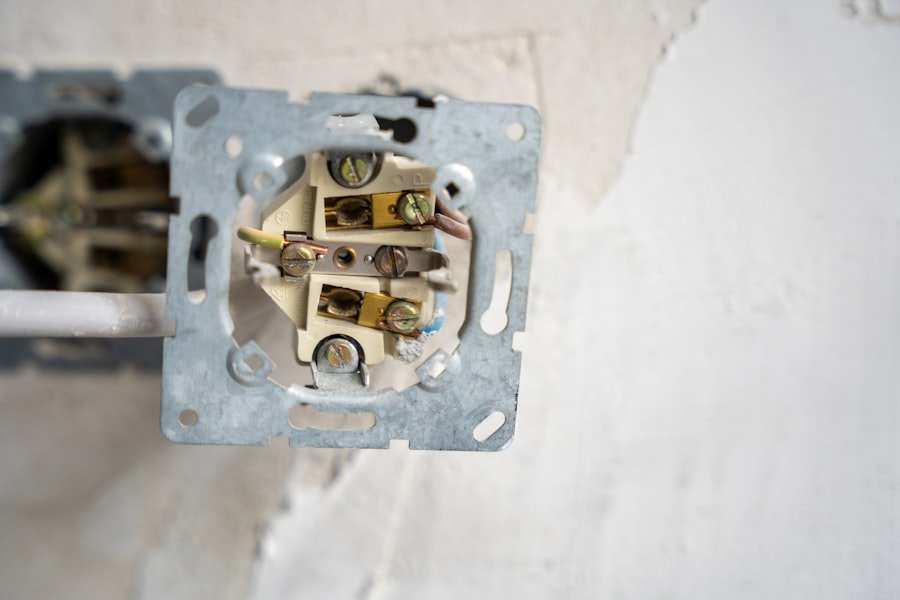
In Baldivis, several common electrical compliance issues frequently arise in rental properties. One prevalent problem is outdated wiring systems that do not meet current safety standards. Many older homes may still have wiring that was installed decades ago, which can be inadequate for modern electrical demands.
This can lead to overheating, short circuits, and increased risk of fire hazards. Landlords must be vigilant in assessing the age and condition of their property’s wiring to ensure it complies with current regulations. Another common issue is the lack of Residual Current Devices (RCDs) and smoke alarms.
RCDs are crucial for preventing electrocution by cutting off electricity supply in case of a fault. Similarly, smoke alarms are vital for early detection of fires, providing tenants with critical time to evacuate safely. Many rental properties in Baldivis may not have these safety devices installed or may have outdated models that do not function correctly.
Addressing these compliance issues is essential for protecting both the property and its occupants.
Hiring a Qualified Electrician for Compliance Inspections
| Metrics | Data |
|---|---|
| Number of Compliance Inspections | 50 |
| Qualified Electricians Hired | 10 |
| Compliance Inspection Pass Rate | 90% |
| Average Cost of Hiring Electrician | 200 |
When it comes to ensuring electrical compliance in rental properties, hiring a qualified electrician is paramount. A licensed electrician possesses the necessary training and expertise to conduct thorough inspections and identify potential compliance issues. They are well-versed in the latest regulations and standards, ensuring that any work performed meets legal requirements.
Attempting to conduct inspections or repairs without professional assistance can lead to oversights that may compromise safety and compliance. Moreover, a qualified electrician can provide valuable insights into the specific needs of a property based on its age, layout, and electrical usage patterns. They can recommend necessary upgrades or repairs to bring the property up to code while also enhancing its overall safety and functionality.
By investing in professional inspections and services, landlords can mitigate risks associated with non-compliance and ensure their properties remain safe for tenants.
Upgrading Electrical Systems to Meet Compliance Standards
Upgrading electrical systems is often necessary to meet compliance standards in rental properties. As technology advances and electrical demands increase, older systems may struggle to keep up, leading to potential hazards. Landlords should consider investing in modernizing their electrical infrastructure to ensure it meets current safety standards while also accommodating the needs of today’s tenants.
Upgrades may include replacing outdated wiring with modern materials that can handle higher loads, installing additional circuits to prevent overloads, or enhancing lighting systems for improved visibility and safety. These upgrades not only ensure compliance but also enhance the overall appeal of the property. Tenants are more likely to choose a rental that boasts modern amenities and reliable electrical systems, ultimately leading to higher occupancy rates and increased rental income for landlords.
Ensuring Safety Measures for Tenants in Rental Properties
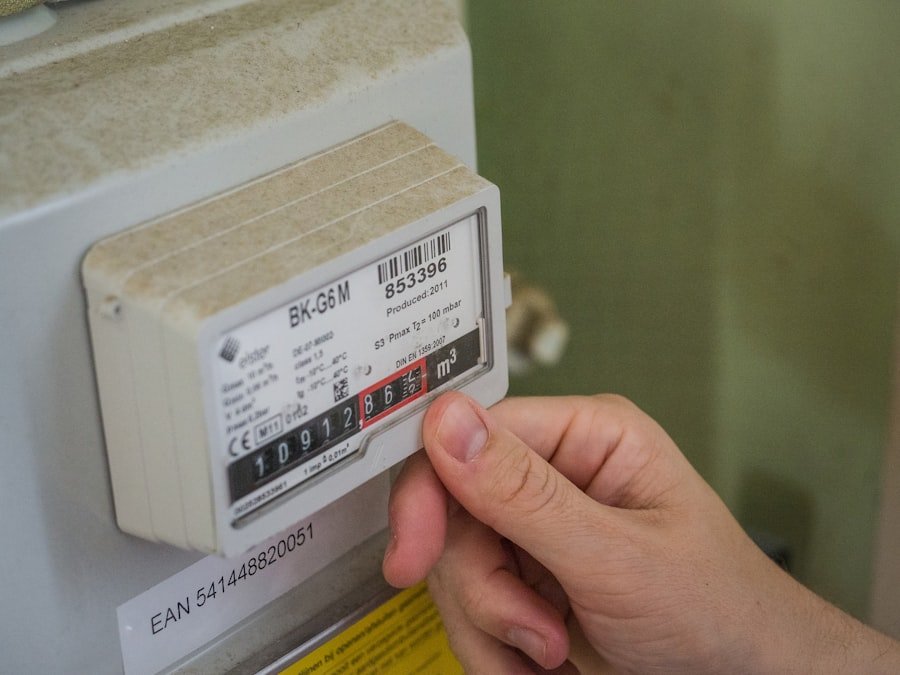
Ensuring safety measures for tenants is a fundamental responsibility of landlords and property managers. Beyond meeting compliance standards, creating a safe living environment involves proactive measures that prioritize tenant well-being.
Landlords should also educate tenants about electrical safety practices within the home. Providing information on how to use appliances safely, recognizing signs of electrical issues, and understanding emergency procedures can empower tenants to take an active role in their safety. By fostering a culture of safety and transparency, landlords can build trust with their tenants while minimizing risks associated with electrical hazards.
Updating Electrical Wiring and Outlets for Compliance
Updating electrical wiring and outlets is a critical step in ensuring compliance with safety regulations in rental properties. Over time, wiring can deteriorate or become outdated, leading to potential hazards such as short circuits or electrical fires. Landlords should conduct regular assessments of their property’s wiring system to identify any areas that require attention.
In addition to updating wiring, ensuring that outlets are compliant with current standards is equally important. This includes installing tamper-resistant outlets in areas accessible to children and ensuring that all outlets are properly grounded. By taking these proactive measures, landlords can significantly reduce the risk of electrical incidents while also enhancing the overall safety of their rental properties.
Installing RCDs and Smoke Alarms for Compliance
The installation of Residual Current Devices (RCDs) and smoke alarms is a non-negotiable aspect of electrical compliance in rental properties. RCDs serve as critical safety devices that protect against electrocution by cutting off electricity supply when a fault is detected. Their installation is not only a legal requirement but also a vital measure for tenant safety.
Similarly, smoke alarms are essential for early fire detection, providing tenants with crucial time to evacuate in case of an emergency. Landlords must ensure that smoke alarms are installed in accordance with local regulations and are regularly tested for functionality. By prioritizing the installation of RCDs and smoke alarms, landlords demonstrate their commitment to tenant safety while also fulfilling their legal obligations.
Conducting Regular Maintenance Checks for Electrical Compliance
Regular maintenance checks are essential for ensuring ongoing electrical compliance in rental properties. These checks allow landlords to identify potential issues before they escalate into serious problems that could jeopardize tenant safety or lead to non-compliance penalties. Scheduling routine inspections with qualified electricians ensures that all electrical systems are functioning correctly and meet current safety standards.
During these maintenance checks, landlords should also review the condition of safety devices such as RCDs and smoke alarms, ensuring they are operational and compliant with regulations.
Addressing Non-Compliance Issues in Baldivis Rental Properties
Addressing non-compliance issues promptly is crucial for landlords managing rental properties in Baldivis. Failure to rectify compliance issues can lead to significant legal repercussions, including fines or loss of rental income if tenants choose to vacate unsafe premises. Landlords must take immediate action upon identifying any non-compliance issues by engaging qualified electricians to conduct necessary repairs or upgrades.
Additionally, maintaining open communication with tenants regarding compliance issues fosters transparency and trust. Landlords should inform tenants about any ongoing work being done to address compliance concerns while assuring them that their safety is a top priority. By taking swift action on non-compliance issues, landlords not only protect their investment but also demonstrate their commitment to providing safe living environments for their tenants.
Educating Landlords and Property Managers on Electrical Compliance Responsibilities
Educating landlords and property managers on their responsibilities regarding electrical compliance is essential for fostering a culture of safety within the rental market. Many landlords may not fully understand the complexities of electrical regulations or the importance of compliance in protecting both their investment and their tenants’ well-being. Workshops or informational sessions led by qualified electricians can provide valuable insights into current regulations, common compliance issues, and best practices for maintaining safe electrical systems.
By empowering landlords with knowledge about their responsibilities, they can make informed decisions regarding property management while prioritizing tenant safety. Ultimately, education plays a pivotal role in ensuring that all parties involved understand the significance of electrical compliance in creating safe and reliable rental properties in Baldivis.
When considering electrical compliance for rental properties in Baldivis, it’s essential to understand the broader context of property management and valuation in the area. For landlords and property investors, knowing the value of your home can significantly impact decisions related to upgrades and compliance measures. An insightful resource on this topic is the article titled “How Much Is My Home Worth?” which provides valuable information on property valuation. You can read more about it by visiting this link. Understanding your property’s worth can help in making informed decisions about necessary electrical compliance upgrades to enhance rental appeal and ensure safety standards.
FAQs
What is electrical compliance rental?
Electrical compliance rental refers to the process of ensuring that a rental property meets all electrical safety standards and regulations. This includes conducting regular inspections, testing, and maintenance of electrical systems and appliances to ensure they are safe for tenants to use.
Why is electrical compliance important for rental properties?
Electrical compliance is important for rental properties to ensure the safety of tenants and to comply with legal requirements. Faulty electrical systems and appliances can pose a serious safety hazard, leading to electrical fires, electric shocks, and other accidents. Landlords have a legal responsibility to provide a safe living environment for their tenants, which includes ensuring electrical compliance.
What are the requirements for electrical compliance in rental properties?
The requirements for electrical compliance in rental properties may vary by location, but generally include regular electrical inspections, testing of electrical systems and appliances, and ensuring that all electrical work is carried out by licensed professionals. Landlords may also be required to provide tenants with documentation of electrical safety checks and compliance.
Who is responsible for ensuring electrical compliance in rental properties?
In most cases, the landlord or property owner is responsible for ensuring electrical compliance in rental properties. This includes arranging for electrical inspections, testing, and maintenance, as well as addressing any issues or safety concerns that may arise. Tenants are responsible for using electrical systems and appliances in a safe manner and reporting any electrical problems to the landlord.
How can landlords ensure electrical compliance in their rental properties?
Landlords can ensure electrical compliance in their rental properties by hiring qualified electricians to conduct regular inspections and testing of electrical systems and appliances. They should also address any issues or safety concerns promptly and keep documentation of all electrical work and safety checks. It is important for landlords to stay informed about local electrical safety regulations and requirements.