
Key Facts About Efficient Tenant Management in Belmont WA
In the realm of property management, a fundamental aspect that cannot be overlooked is the understanding of tenant rights and responsibilities. Tenants are entitled to a safe and habitable living environment, which includes access to essential services such as water, electricity, and heating. They also have the right to privacy, meaning landlords must provide notice before entering the property.
On the flip side, tenants are responsible for maintaining the property in good condition, adhering to the terms of their lease agreement, and paying rent on time. This mutual understanding fosters a respectful relationship between landlords and tenants, ultimately leading to a more harmonious living situation. Moreover, educating tenants about their rights and responsibilities is crucial.
When tenants are well-informed, they are more likely to respect the property and adhere to the lease terms. This proactive approach not only minimizes conflicts but also enhances tenant satisfaction. Property managers should provide resources and information that clarify these rights and responsibilities, ensuring that tenants feel empowered and secure in their living arrangements.
By fostering an environment of transparency and respect, property managers can create a positive atmosphere that benefits both parties.
Key Takeaways
- Tenants have rights to a safe and habitable living environment, and responsibilities to maintain the property and pay rent on time.
- Lease agreements should clearly outline the terms of the tenancy, including rent, maintenance responsibilities, and rules for the property.
- Open and effective communication channels between landlords and tenants can help prevent misunderstandings and disputes.
- Landlords should establish a transparent process for handling maintenance and repairs to ensure timely resolution of issues.
- Enforcing rent collection and late payment policies can help maintain a steady income and encourage timely payments from tenants.
Creating Clear and Comprehensive Lease Agreements
A well-crafted lease agreement serves as the backbone of any rental arrangement. It outlines the expectations and obligations of both landlords and tenants, providing a clear framework for the tenancy. A comprehensive lease agreement should cover essential elements such as rent amount, payment due dates, security deposits, maintenance responsibilities, and rules regarding pets or smoking.
By clearly defining these terms, property managers can prevent misunderstandings and disputes down the line. Additionally, lease agreements should be tailored to reflect the specific needs of the property and its tenants. For instance, if a property is located in a community with unique regulations or amenities, these should be incorporated into the lease.
This attention to detail not only protects the landlord’s interests but also demonstrates a commitment to transparency and fairness. A clear lease agreement sets the tone for a positive landlord-tenant relationship, ensuring that both parties are on the same page from the outset.
Implementing Effective Communication Channels
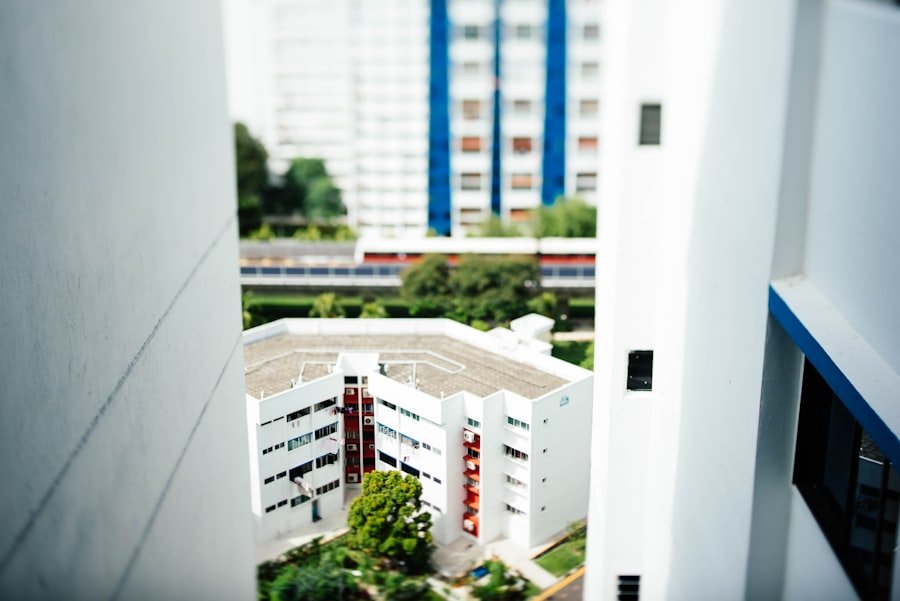
Effective communication is paramount in property management. Establishing clear channels of communication between landlords and tenants can significantly enhance the rental experience. Property managers should encourage open dialogue, making it easy for tenants to voice concerns or ask questions.
This can be achieved through various means, such as regular newsletters, dedicated email addresses for inquiries, or even a tenant portal where residents can submit maintenance requests or access important information. Moreover, timely responses to tenant inquiries are essential. When tenants feel heard and valued, they are more likely to maintain a positive relationship with their landlord.
Property managers should prioritize responsiveness, ensuring that all communication is handled promptly and professionally. By fostering an environment of open communication, property managers can build trust with tenants, leading to higher retention rates and overall satisfaction.
Establishing a Transparent Maintenance and Repair Process
| Metrics | Target | Actual |
|---|---|---|
| Number of maintenance requests received | 100 per month | 120 per month |
| Percentage of maintenance requests completed within 24 hours | 90% | 85% |
| Customer satisfaction rating for maintenance and repair process | 4.5 out of 5 | 4.2 out of 5 |
A transparent maintenance and repair process is vital for maintaining tenant satisfaction and property value. Tenants should have a clear understanding of how to report maintenance issues and what to expect in terms of response times. Property managers should establish a straightforward procedure for submitting maintenance requests, whether through an online portal or a dedicated phone line.
This not only streamlines the process but also ensures that tenants feel empowered to report issues without fear of repercussions. Furthermore, property managers should prioritize timely repairs and maintenance. A well-maintained property not only enhances tenant satisfaction but also protects the landlord’s investment.
Regular inspections can help identify potential issues before they escalate into costly repairs. By being proactive in addressing maintenance concerns, property managers can demonstrate their commitment to providing a safe and comfortable living environment for tenants.
Enforcing Rent Collection and Late Payment Policies
Establishing clear rent collection policies is essential for maintaining financial stability in property management. Property managers should communicate rent due dates clearly in lease agreements and provide multiple payment options to accommodate tenants’ preferences. Whether through online payment systems or traditional methods like checks or money orders, offering flexibility can enhance tenant compliance.
In addition to clear policies, it is crucial to enforce late payment penalties consistently. Tenants should be made aware of the consequences of late payments upfront, including any fees or potential eviction proceedings. However, property managers should also approach late payments with empathy, recognizing that unforeseen circumstances can arise.
Open communication about payment difficulties can lead to mutually beneficial solutions, such as payment plans or temporary adjustments.
Conducting Thorough Tenant Screening and Background Checks

Tenant screening is one of the most critical steps in property management. A thorough screening process helps ensure that landlords select responsible tenants who will respect the property and fulfill their obligations. This process typically includes background checks, credit history evaluations, and rental history verification.
By gathering this information, property managers can make informed decisions about potential tenants. Moreover, transparency in the screening process is essential. Property managers should communicate their screening criteria clearly to applicants, ensuring that everyone understands what is required for approval.
This not only fosters trust but also helps manage expectations for prospective tenants. By prioritizing thorough screening practices, property managers can minimize risks associated with problematic tenants while creating a positive living environment for all residents.
Resolving Disputes and Conflict Management
Disputes between landlords and tenants are inevitable in property management; however, how these conflicts are handled can significantly impact the overall rental experience. Property managers should be equipped with conflict resolution skills to address issues promptly and effectively. This may involve mediating discussions between parties or facilitating compromises that satisfy both sides.
Additionally, having a clear dispute resolution process in place can help streamline conflict management. Property managers should outline steps for addressing grievances in lease agreements or tenant handbooks, ensuring that all parties understand how disputes will be handled. By approaching conflicts with professionalism and empathy, property managers can foster a positive atmosphere that encourages open dialogue and resolution.
Providing Adequate Property Security and Safety Measures
Ensuring tenant safety is paramount in property management. Landlords have a responsibility to provide secure living environments for their tenants. This includes implementing adequate security measures such as well-lit common areas, secure entry points, and surveillance systems where appropriate.
Additionally, regular safety inspections should be conducted to identify potential hazards or maintenance issues that could compromise tenant safety. Moreover, educating tenants about safety protocols is essential. Property managers should provide information on emergency procedures, fire safety measures, and local resources for reporting suspicious activity.
By prioritizing safety and security, property managers can create a sense of community trust among residents while protecting their investment.
Managing Move-In and Move-Out Inspections
Move-in and move-out inspections are critical components of property management that help protect both landlords’ investments and tenants’ rights. Conducting thorough inspections at both stages ensures that properties are well-maintained and that any pre-existing damage is documented before new tenants move in. This process not only sets clear expectations for tenants but also provides a basis for assessing any potential damages when they vacate.
During move-in inspections, property managers should provide tenants with detailed checklists outlining the condition of various aspects of the property. This transparency helps establish accountability from the outset while allowing tenants to report any discrepancies immediately. Similarly, move-out inspections should be conducted meticulously to assess any damages beyond normal wear and tear.
By managing these inspections effectively, property managers can minimize disputes over security deposits while ensuring properties remain in excellent condition.
Implementing Sustainable and Eco-Friendly Property Practices
In today’s environmentally conscious society, implementing sustainable practices in property management is not just beneficial; it’s essential. Property managers should prioritize eco-friendly initiatives such as energy-efficient appliances, water-saving fixtures, and recycling programs within their properties. These practices not only reduce environmental impact but also appeal to environmentally conscious tenants who value sustainability.
Moreover, promoting sustainable living among tenants can foster a sense of community responsibility. Property managers can organize educational workshops on eco-friendly practices or provide resources on reducing energy consumption at home. By embracing sustainability as a core value in property management, landlords can attract conscientious tenants while contributing positively to the environment.
Leveraging Technology for Streamlined Tenant Management
In an increasingly digital world, leveraging technology in property management has become indispensable for efficiency and effectiveness. Property managers can utilize software solutions for tenant applications, rent collection, maintenance requests, and communication channels—all in one platform. This streamlining not only saves time but also enhances tenant satisfaction by providing convenient access to essential services.
Additionally, technology can facilitate data analysis for better decision-making in property management. By tracking trends in tenant behavior or maintenance requests through data analytics tools, property managers can identify areas for improvement or anticipate potential issues before they arise. Embracing technology not only modernizes property management practices but also positions landlords as forward-thinking professionals committed to providing exceptional service.
In conclusion, effective property management encompasses various aspects that contribute to tenant satisfaction and landlord success alike. From understanding tenant rights to leveraging technology for streamlined operations, each element plays a vital role in creating a positive rental experience. By prioritizing transparency, communication, safety measures, sustainability practices, and efficient processes, property managers can build lasting relationships with tenants while maximizing their investment potential.
If you are looking for more information on property investment management for long-term success in Belmont WA, you may want to check out this article. It provides valuable insights and tips on how to effectively manage your rental properties in order to maximize your returns and ensure the long-term success of your investment.
See also: The Haunting Legend of Yotei: Ghostly Encounters on the Moun for practical next steps.