
Efficient Strata Property Management in Fremantle: A Guide Explained
Strata property management is a specialized field that focuses on the administration and maintenance of properties that are divided into individual units, such as apartments or townhouses, while also encompassing shared common areas. This type of management is essential in ensuring that the interests of all owners and tenants are balanced and that the property is maintained to a high standard. Strata properties often involve multiple stakeholders, which can complicate decision-making processes.
Therefore, effective strata management is crucial for maintaining property values and ensuring a harmonious living environment. The concept of strata living has gained popularity in urban areas, where space is at a premium. As more people opt for apartment living, the need for professional strata management has become increasingly important.
Strata managers are responsible for overseeing the day-to-day operations of the property, including financial management, maintenance, and compliance with relevant legislation. By understanding the intricacies of strata property management, owners can make informed decisions that enhance their investment and improve their quality of life.
Key Takeaways
- Strata property management involves the management and maintenance of common property and facilities within a multi-unit complex.
- The role of a strata property manager includes overseeing day-to-day operations, financial management, and ensuring compliance with strata laws and regulations.
- Common challenges in strata property management include communication issues, maintenance and repair needs, and financial management complexities.
- Effective communication strategies for strata property management include clear and transparent communication with owners, timely updates on maintenance and repairs, and proactive community engagement.
- Financial management in strata properties involves budgeting, collecting strata fees, managing expenses, and ensuring financial transparency and accountability.
The Role of a Strata Property Manager
A strata property manager serves as the linchpin in the operation of a strata scheme. Their primary role is to act on behalf of the owners’ corporation, ensuring that the property is well-managed and that all legal obligations are met. This includes organizing meetings, preparing budgets, and maintaining records.
A competent strata manager will also liaise with contractors for maintenance and repairs, ensuring that work is completed to a high standard and within budget. Moreover, a strata property manager plays a vital role in conflict resolution among residents. Given that strata living involves shared spaces and communal living, disputes can arise over various issues, from noise complaints to maintenance responsibilities.
A skilled manager will mediate these disputes effectively, fostering a sense of community and cooperation among residents. Their ability to navigate these challenges is essential for maintaining a positive living environment and ensuring that all owners feel heard and valued.
Common Challenges in Strata Property Management
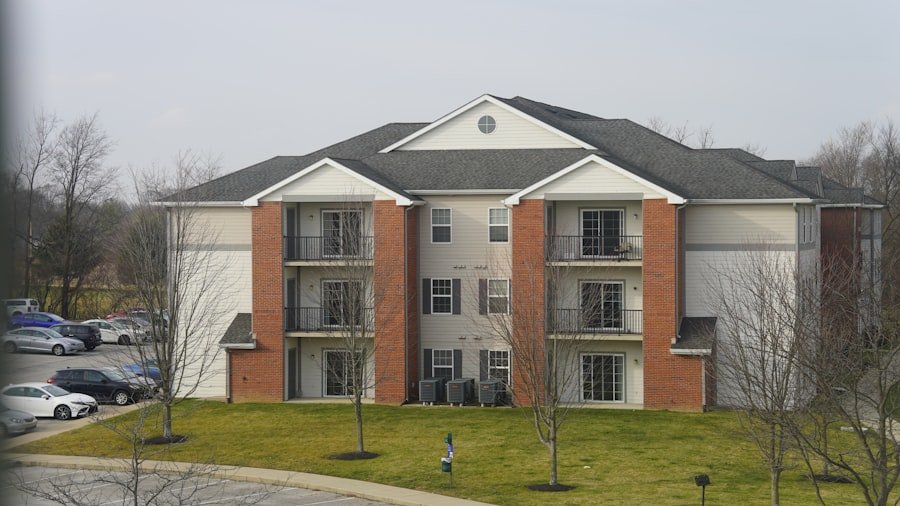
Strata property management is not without its challenges. One of the most common issues faced by strata managers is the diverse range of personalities and opinions among residents. With multiple stakeholders involved, it can be difficult to reach consensus on important decisions, such as budget allocations or maintenance priorities.
This diversity can lead to conflicts that require careful handling to avoid escalating tensions within the community. Another significant challenge is compliance with ever-evolving legislation governing strata properties. Strata managers must stay informed about changes in laws and regulations to ensure that their properties remain compliant.
Failure to adhere to these legal requirements can result in penalties for the owners’ corporation and may jeopardize the safety and well-being of residents. Therefore, effective strata management requires not only strong interpersonal skills but also a thorough understanding of legal obligations.
Effective Communication Strategies for Strata Property Management
| Communication Strategy | Benefits |
|---|---|
| Regular Newsletters | Keeps residents informed about important updates and events |
| Online Portals | Allows easy access to important documents and information |
| Community Meetings | Provides a platform for residents to voice concerns and discuss issues |
| Effective Email Communication | Ensures timely and clear communication with residents and stakeholders |
Effective communication is paramount in strata property management. A successful strata manager must be adept at conveying information clearly and concisely to all stakeholders. Regular updates through newsletters, emails, or community meetings can help keep residents informed about important developments, upcoming maintenance work, or changes in policies.
By fostering open lines of communication, managers can build trust and transparency within the community. Additionally, utilizing technology can enhance communication efforts. Many strata management companies now offer online portals where residents can access important documents, submit maintenance requests, or engage in discussions with their neighbors.
These platforms not only streamline communication but also empower residents to take an active role in their community. By embracing innovative communication strategies, strata managers can create a more engaged and informed community.
Financial Management in Strata Properties
Financial management is a critical aspect of strata property management. A strata manager is responsible for preparing annual budgets, collecting levies from owners, and managing the overall financial health of the property. This includes ensuring that funds are allocated appropriately for maintenance, repairs, and other essential services.
A well-managed budget can help prevent financial strain on the owners’ corporation and ensure that necessary work is completed promptly. Transparency in financial reporting is also essential for building trust among residents. Strata managers should provide regular financial statements that detail income and expenses, allowing owners to see how their contributions are being utilized.
By maintaining clear financial records and being open about expenditures, strata managers can foster a sense of accountability within the community.
Maintenance and Repairs in Strata Properties

Maintenance and repairs are integral components of strata property management. A proactive approach to maintenance can prevent small issues from escalating into costly repairs down the line. Strata managers should conduct regular inspections of common areas and facilities to identify potential problems before they become significant concerns.
This not only helps maintain the property’s value but also enhances residents’ quality of life. When it comes to repairs, effective communication with contractors is essential. Strata managers must ensure that work is completed efficiently and to a high standard while adhering to budget constraints.
Establishing strong relationships with reliable contractors can streamline this process and ensure that residents receive timely service when issues arise. By prioritizing maintenance and repairs, strata managers can create a safe and pleasant living environment for all residents.
Legal Responsibilities of Strata Property Managers
Strata property managers have a range of legal responsibilities that must be adhered to in order to protect both the owners’ corporation and individual residents. Compliance with the relevant legislation, such as the Strata Titles Act or Residential Tenancy Act, is paramount. This includes ensuring that all meetings are conducted according to legal requirements, maintaining accurate records, and managing disputes in accordance with established procedures.
Failure to meet these legal obligations can result in significant consequences for both the strata manager and the owners’ corporation. Legal disputes can be costly and time-consuming, potentially damaging relationships within the community. Therefore, it is essential for strata managers to stay informed about changes in legislation and best practices in order to mitigate risks and protect the interests of all stakeholders.
Building a Strong Community in a Strata Property
Creating a strong sense of community within a strata property is essential for fostering positive relationships among residents. A successful strata manager will encourage social interactions through organized events or communal activities that bring residents together. These initiatives not only promote camaraderie but also help residents feel more invested in their community.
Additionally, fostering open communication channels allows residents to voice their concerns or suggestions for improvement. When residents feel heard and valued, they are more likely to engage positively with their neighbors and contribute to a harmonious living environment. By prioritizing community-building efforts, strata managers can create a vibrant atmosphere where residents feel connected and supported.
Technology and Innovation in Strata Property Management
The integration of technology into strata property management has revolutionized how properties are managed and maintained. Online platforms allow for efficient communication between residents and managers, enabling quick responses to inquiries or maintenance requests. Additionally, digital tools can streamline financial management processes by automating invoicing and record-keeping.
Moreover, technology can enhance transparency within the community by providing residents with access to important documents and updates at their fingertips. This level of accessibility fosters trust between residents and managers while empowering individuals to take an active role in their community’s governance. As technology continues to evolve, embracing innovative solutions will be key to effective strata property management.
Sustainability and Environmental Considerations in Strata Properties
Sustainability has become an increasingly important consideration in property management as communities strive to reduce their environmental impact. Strata managers have a unique opportunity to implement eco-friendly practices within their properties, such as energy-efficient lighting or water-saving initiatives. These measures not only benefit the environment but can also lead to cost savings for residents through reduced utility bills.
Encouraging sustainable practices among residents can further enhance these efforts. Initiatives such as recycling programs or community gardens promote environmental awareness while fostering a sense of community engagement. By prioritizing sustainability in strata management, property managers can contribute positively to both the environment and the quality of life for residents.
Choosing the Right Strata Property Management Company
Selecting the right strata property management company is crucial for ensuring effective management of your property. When evaluating potential companies, it is essential to consider their experience, reputation, and approach to customer service. A reputable company will have a proven track record of successfully managing similar properties while demonstrating a commitment to transparency and integrity.
Additionally, it is important to assess how well a company communicates with clients and residents alike. A strong emphasis on open communication fosters trust and collaboration within the community. By choosing a strata property management company that aligns with your values and priorities, you can ensure that your property is managed effectively while enhancing the overall living experience for all residents.
In conclusion, effective strata property management requires a multifaceted approach that encompasses financial oversight, maintenance coordination, legal compliance, community building, and technological innovation. By understanding these key components and selecting a reputable management company, property owners can maximize their investment while creating a harmonious living environment for all residents involved.
If you’re exploring strata property management in Fremantle, you might find it beneficial to understand the broader real estate market dynamics in the region. A related article that could provide valuable insights is about Canning Vale’s premier choice for selling properties in 2024. This article discusses the latest trends and strategies in property sales, which can be crucial for strata property owners looking to maximize their investments. For more information, you can read the full article by visiting Canning Vale’s Premier Choice for Selling Properties in 2024.
Handy resources if you are researching property management: Ensuring Safe Property Management in Safety Bay and Effective Strata Property Management in Byford.