
How Efficient Strata Property Management in Duncraig Affects You
Efficient strata property management is crucial for maintaining the value and appeal of residential and commercial properties. In a world where real estate investments are often significant, the management of these properties can make or break their long-term success. Strata properties, which involve multiple owners sharing common areas and responsibilities, require a unique approach to management that ensures all stakeholders are satisfied and that the property remains in excellent condition.
An effective strata management team not only enhances the living experience for residents but also protects the financial interests of property owners. Moreover, efficient strata management fosters a sense of community among residents. When a property is well-managed, residents feel more secure and engaged, leading to a harmonious living environment.
This sense of community can significantly increase property values, as prospective buyers often seek out well-maintained strata properties with a positive atmosphere. Therefore, investing in efficient strata property management is not just about maintaining the physical aspects of a property; it is also about nurturing relationships and creating a desirable living experience.
Key Takeaways
- Efficient strata property management is crucial for the smooth operation and maintenance of strata properties.
- Strata property managers in Duncraig play a vital role in ensuring the effective management of strata properties.
- Key responsibilities of strata property managers include financial management, maintenance, compliance, and building relationships with owners and residents.
- Effective communication and transparency are essential for successful strata management.
- Utilizing technology can streamline strata management processes and improve efficiency.
Understanding the Role of Strata Property Managers in Duncraig
In Duncraig, strata property managers play a pivotal role in ensuring that the day-to-day operations of strata properties run smoothly. These professionals act as the bridge between property owners and residents, facilitating communication and addressing concerns as they arise. Their expertise in local regulations and market trends allows them to provide valuable insights that can help owners make informed decisions regarding their investments.
Strata property managers are not just administrators; they are strategic partners who contribute to the overall success of the property. Additionally, strata property managers in Duncraig are responsible for implementing the decisions made by the owners’ committee. This includes organizing meetings, preparing agendas, and ensuring that all legal requirements are met.
Their role extends beyond mere administration; they are tasked with fostering a collaborative environment where owners and residents can voice their opinions and work together towards common goals. By understanding the unique dynamics of each strata community, these managers can tailor their approach to meet the specific needs of the property and its residents.
Key Responsibilities of Strata Property Managers
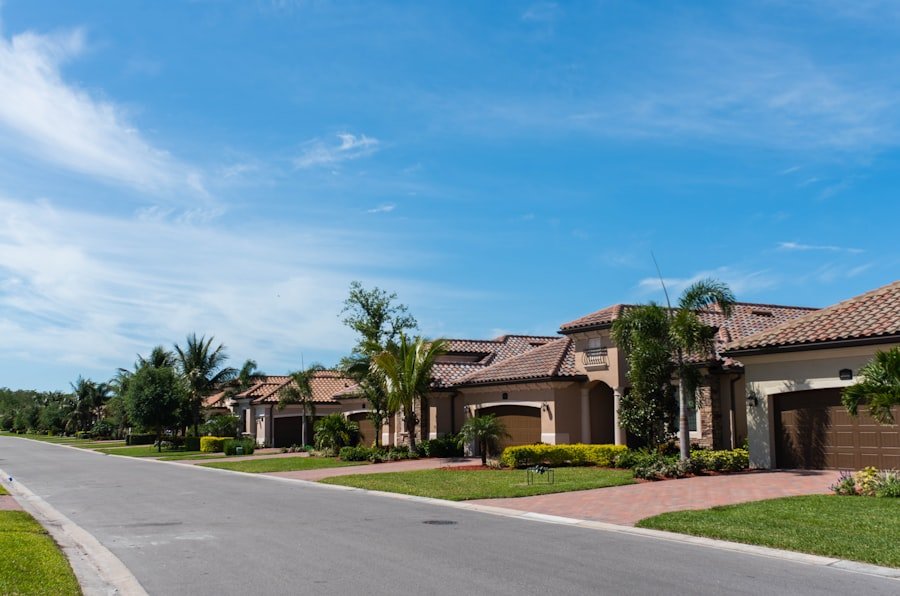
The responsibilities of strata property managers are diverse and multifaceted, encompassing various aspects of property management. One of their primary duties is to oversee the maintenance and upkeep of common areas, ensuring that they remain clean, safe, and aesthetically pleasing. This involves coordinating with contractors for landscaping, cleaning, and repairs, as well as conducting regular inspections to identify any potential issues before they escalate.
By proactively managing these tasks, strata property managers help preserve the value of the property and enhance the overall living experience for residents. In addition to maintenance, strata property managers are responsible for financial management, which includes budgeting, collecting levies, and managing expenses.
They must ensure that funds are allocated appropriately to cover necessary services while also maintaining a reserve for future projects or emergencies.
This financial oversight is critical for the long-term sustainability of the strata community, as it helps prevent unexpected costs from burdening owners. By providing transparent financial reports and regular updates, strata property managers build trust with owners and residents alike.
Effective Communication and Transparency in Strata Management
| Metrics | Results |
|---|---|
| Number of communication channels | 5 |
| Response time to strata member inquiries | 24 hours |
| Frequency of strata meetings | Monthly |
| Transparency in financial reporting | Quarterly reports |
Effective communication is at the heart of successful strata management. Strata property managers must establish clear lines of communication with both owners and residents to ensure that everyone is informed about important decisions, upcoming meetings, and ongoing projects. Regular newsletters, emails, and community meetings can help keep everyone in the loop and foster a sense of belonging within the community.
When residents feel heard and valued, they are more likely to engage positively with their neighbors and contribute to a harmonious living environment. Transparency is equally important in strata management. Property managers should provide clear information regarding financial matters, maintenance schedules, and any changes to policies or procedures.
By being open about how decisions are made and how funds are allocated, strata property managers can build trust among owners and residents. This transparency not only enhances relationships but also encourages active participation in community affairs, leading to a more cohesive and engaged strata community.
Financial Management and Budgeting for Strata Properties
Financial management is one of the most critical aspects of strata property management. Strata property managers must develop comprehensive budgets that account for all anticipated expenses while also planning for future needs. This includes regular maintenance costs, insurance premiums, utilities, and reserve funds for unexpected repairs or improvements.
A well-structured budget ensures that the strata community remains financially stable and can address any issues that may arise without placing undue strain on owners. Moreover, effective financial management involves regular monitoring of expenses and income to ensure that the budget remains on track. Strata property managers should provide detailed financial reports to owners, outlining how funds are being utilized and any variances from the budget.
This level of accountability not only fosters trust but also empowers owners to make informed decisions regarding their investments. By prioritizing sound financial practices, strata property managers contribute to the long-term success and sustainability of the community.
Maintenance and Repairs: Ensuring the Longevity of Strata Properties

Maintenance and repairs are essential components of strata property management that directly impact the longevity and value of a property. Strata property managers must develop proactive maintenance plans that address routine upkeep as well as larger repair projects. Regular inspections can help identify potential issues before they become costly problems, allowing for timely interventions that preserve the integrity of the property.
In addition to routine maintenance, strata property managers must also coordinate emergency repairs when unexpected issues arise. Whether it’s a plumbing leak or an electrical failure, having a reliable network of contractors is crucial for addressing these situations promptly. By ensuring that properties are well-maintained and repairs are handled efficiently, strata property managers contribute to a safe and comfortable living environment for residents while protecting the investment interests of owners.
Compliance and Legal Obligations in Strata Management
Compliance with legal obligations is a fundamental aspect of strata property management that cannot be overlooked. Strata property managers must be well-versed in relevant legislation, such as the Strata Titles Act and other local regulations governing strata communities. This knowledge ensures that all operations are conducted within legal parameters, protecting both owners and residents from potential disputes or penalties.
Moreover, adherence to legal obligations extends to maintaining accurate records, conducting regular meetings, and ensuring that all decisions made by the owners’ committee comply with established guidelines.
By prioritizing compliance, strata property managers not only safeguard the interests of their clients but also foster a culture of accountability within the community.
This commitment to legal adherence enhances trust among residents and contributes to a well-functioning strata environment.
Building Strong Relationships with Owners and Residents
Building strong relationships with both owners and residents is essential for effective strata management. Strata property managers must cultivate an atmosphere of trust and collaboration by actively engaging with stakeholders and addressing their concerns promptly. Regular communication helps establish rapport and encourages open dialogue between all parties involved.
Additionally, fostering a sense of community among residents can lead to increased satisfaction and engagement within the strata environment. Organizing social events or community initiatives can help residents connect with one another while also promoting a positive living experience. When residents feel connected to their neighbors and confident in their property management team, they are more likely to take pride in their community and contribute positively to its overall atmosphere.
Utilizing Technology for Streamlined Strata Management
In today’s digital age, technology plays a vital role in streamlining strata management processes. Strata property managers can leverage various software solutions to enhance communication, manage finances, and track maintenance requests efficiently. Online portals allow residents to access important information, submit requests, and stay informed about community updates at their convenience.
Moreover, technology can facilitate better record-keeping and reporting practices. By utilizing digital tools for financial management and documentation, strata property managers can ensure accuracy while reducing administrative burdens. This efficiency not only saves time but also allows managers to focus on building relationships with owners and residents rather than getting bogged down by paperwork.
Resolving Disputes and Conflict Resolution in Strata Communities
Disputes can arise in any community setting, including strata properties. Strata property managers play a crucial role in mediating conflicts between residents or between owners and residents. Their ability to listen actively, remain impartial, and facilitate constructive discussions is essential for resolving disputes amicably.
Effective conflict resolution involves understanding the underlying issues at play while working towards mutually beneficial solutions. Strata property managers should encourage open communication among parties involved in a dispute while also providing guidance on relevant policies or procedures that may apply. By addressing conflicts promptly and professionally, strata property managers contribute to maintaining harmony within the community.
Continuous Improvement and Professional Development in Strata Management
The field of strata management is constantly evolving, making continuous improvement and professional development essential for success. Strata property managers should stay informed about industry trends, changes in legislation, and best practices through ongoing education and training opportunities. This commitment to professional growth not only enhances their skills but also ensures that they provide the highest level of service to their clients.
Moreover, fostering a culture of continuous improvement within a strata community can lead to enhanced satisfaction among residents and owners alike. By regularly seeking feedback from stakeholders regarding their experiences with management services or community initiatives, strata property managers can identify areas for enhancement while demonstrating their commitment to meeting the needs of those they serve. In conclusion, efficient strata property management is vital for maintaining the value of properties while fostering positive relationships within communities.
Strata property managers play an essential role in overseeing various aspects of management—from financial oversight to conflict resolution—ensuring that both owners’ interests are protected while creating an enjoyable living environment for residents. By prioritizing effective communication, compliance with legal obligations, leveraging technology effectively, building strong relationships among stakeholders, resolving disputes amicably, and committing to continuous improvement through professional development efforts; strata property managers can significantly enhance overall satisfaction within their communities while contributing positively towards long-term success.
If you’re exploring strata property management in Duncraig, you might find it beneficial to understand the broader landscape of property management in nearby areas. A related article that could provide valuable insights is about trusted property managers in Canning Vale. This article discusses the qualities and services you should look for in a property manager, which can be applicable to strata management as well. For more information, you can read the full article by visiting Trusted Canning Vale Property Managers.
More on this topic: Explore Langford 3D Property Tour and Seville Grove Suburb Real Estate Analysis: A Comprehensive Overview.