
Understanding Efficient Strata Property Management in Ascot
Strata property management is a specialized field that focuses on the administration and oversight of properties that are divided into individual units, such as apartments or townhouses, while sharing common areas and facilities. This type of management is essential in urban environments where multiple owners coexist within a single development. Strata management involves a range of responsibilities, including financial management, maintenance of common areas, and ensuring compliance with relevant laws and regulations.
The complexity of managing shared spaces necessitates a thorough understanding of both the legal framework and the unique dynamics of communal living. In essence, strata property management serves as the backbone of community living, ensuring that the interests of all owners and tenants are balanced and protected. It requires a keen understanding of the needs and concerns of residents, as well as the ability to navigate the often intricate relationships that arise in shared living environments.
Effective strata management not only enhances the quality of life for residents but also protects property values, making it a critical component of real estate management.
Key Takeaways
- Strata property management involves the management and maintenance of common property in a multi-unit complex.
- Efficient strata property management is crucial for maintaining the value of the property and ensuring a high quality of living for residents.
- The role of a strata property manager includes overseeing day-to-day operations, financial management, and ensuring legal compliance.
- Effective communication is essential in strata property management to address issues, keep residents informed, and maintain positive relationships.
- Financial management in strata properties involves budgeting, collecting fees, and managing expenses to ensure the financial health of the property.
The Importance of Efficient Strata Property Management
Efficient strata property management is vital for maintaining harmony within a community and ensuring that properties retain their value over time. When managed effectively, strata properties can provide a high standard of living for residents while minimizing disputes and misunderstandings.
This sense of belonging can lead to increased satisfaction among residents, which in turn can enhance property values. Moreover, efficient management can significantly reduce costs associated with maintenance and repairs. By proactively addressing issues before they escalate, strata managers can save owners from incurring hefty expenses down the line.
Regular inspections, timely maintenance, and effective communication with residents are all essential components of a successful strata management strategy. Ultimately, the importance of efficient strata property management cannot be overstated; it is the key to creating thriving communities that are both enjoyable to live in and financially sound.
The Role of a Strata Property Manager
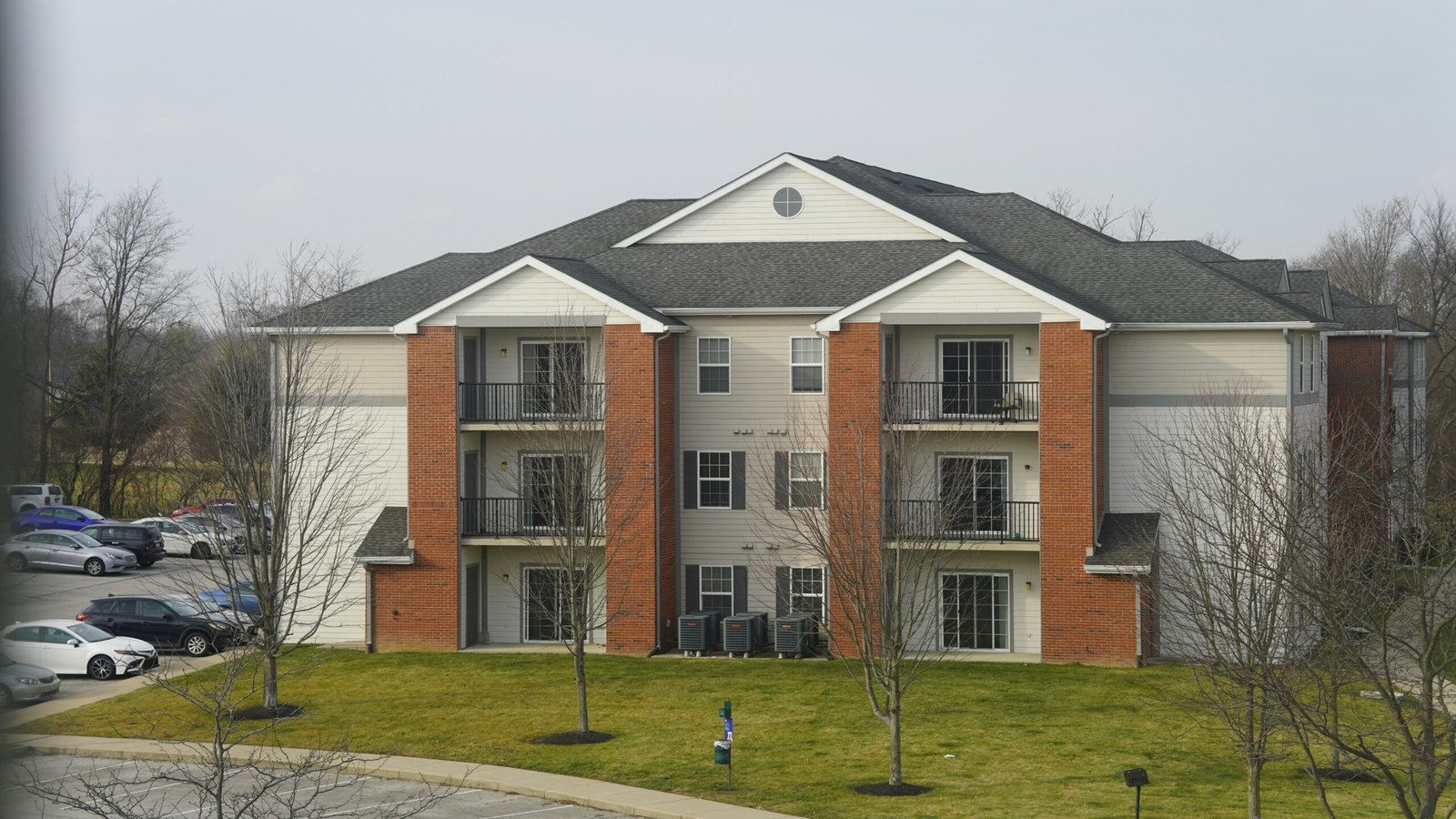
A strata property manager plays a crucial role in the successful operation of a strata scheme. They act as the primary point of contact for owners and tenants, facilitating communication and addressing concerns as they arise. Their responsibilities encompass a wide range of tasks, including organizing meetings, preparing budgets, overseeing maintenance work, and ensuring compliance with relevant legislation.
A skilled strata manager must possess strong organizational skills, attention to detail, and the ability to mediate conflicts among residents. In addition to these administrative duties, a strata property manager must also be well-versed in financial management. They are responsible for preparing financial statements, managing budgets, and ensuring that funds are allocated appropriately for maintenance and repairs.
This financial oversight is essential for maintaining the long-term viability of the strata scheme and ensuring that all owners are treated fairly. Ultimately, the role of a strata property manager is multifaceted, requiring a blend of interpersonal skills, financial acumen, and legal knowledge to navigate the complexities of communal living.
Effective Communication in Strata Property Management
| Metrics | Definition |
|---|---|
| Clear Communication | Ability to convey information clearly and effectively to all stakeholders in the strata property. |
| Timely Updates | Providing regular and timely updates to owners, tenants, and other involved parties regarding property management matters. |
| Conflict Resolution | Handling disputes and conflicts among strata property residents in a fair and effective manner. |
| Transparency | Openness and transparency in all communication related to financial matters, property maintenance, and decision-making processes. |
Effective communication is at the heart of successful strata property management. A strata manager must be able to convey information clearly and concisely to all stakeholders, including owners, tenants, and service providers. This involves not only disseminating important updates but also actively listening to the concerns and feedback of residents.
Open lines of communication foster trust and transparency within the community, which can help to prevent misunderstandings and conflicts from arising. Moreover, effective communication extends beyond just verbal exchanges; it also encompasses written correspondence, such as newsletters, meeting minutes, and notices. A well-informed community is more likely to engage positively with one another and contribute to the overall well-being of the strata scheme.
By prioritizing communication, strata managers can create an environment where residents feel valued and heard, ultimately leading to a more harmonious living experience.
Financial Management in Strata Properties
Financial management is a cornerstone of effective strata property management. A strata manager must ensure that all financial aspects of the property are handled with precision and transparency. This includes preparing annual budgets, collecting levies from owners, managing operating expenses, and maintaining accurate financial records.
A well-managed budget allows for proper allocation of funds towards maintenance, repairs, and improvements, ensuring that the property remains in good condition while also protecting owners’ investments. Additionally, financial management involves regular reporting to owners about the financial health of the strata scheme. This transparency helps build trust among residents and ensures that everyone is aware of how their contributions are being utilized.
By implementing sound financial practices and maintaining open communication about financial matters, strata managers can create a stable environment that supports long-term growth and sustainability for the community.
Maintenance and Repairs in Strata Properties

Maintenance and repairs are critical components of strata property management that directly impact the quality of life for residents. A proactive approach to maintenance ensures that common areas are kept in good condition and that any issues are addressed promptly before they escalate into larger problems. Regular inspections and scheduled maintenance can help identify potential issues early on, allowing for timely interventions that minimize disruption to residents.
In addition to routine maintenance, strata managers must also coordinate repairs when necessary. This involves liaising with contractors and service providers to ensure that work is completed efficiently and to a high standard. By prioritizing maintenance and repairs, strata managers not only enhance the living experience for residents but also protect property values by ensuring that the property remains well-maintained over time.
Legal Compliance and Governance in Strata Properties
Legal compliance is an essential aspect of strata property management that cannot be overlooked. Strata managers must be well-versed in relevant legislation, such as the Strata Titles Act and other local regulations governing communal living. Ensuring compliance with these laws protects both property owners and tenants from potential disputes or legal issues that may arise due to negligence or oversight.
This includes establishing clear rules and guidelines for communal living, as well as facilitating meetings where owners can voice their opinions and vote on important matters affecting the community. By adhering to legal requirements and promoting good governance practices, strata managers can create a stable environment where residents feel secure in their rights and responsibilities.
Building Relationships with Owners and Tenants
Building strong relationships with both owners and tenants is fundamental to successful strata property management. A positive rapport fosters trust and cooperation among residents, which can lead to a more harmonious living environment. Strata managers should prioritize open communication and actively engage with residents to understand their needs and concerns better.
By being approachable and responsive, managers can create an atmosphere where residents feel valued and respected. Moreover, fostering relationships extends beyond just addressing concerns; it also involves celebrating community achievements and milestones together. Organizing social events or community gatherings can help strengthen bonds among residents while promoting a sense of belonging within the community.
Ultimately, building relationships is about creating a supportive environment where everyone feels invested in the well-being of their shared living space.
Technology and Innovation in Strata Property Management
In today’s digital age, technology plays an increasingly important role in strata property management. Innovative tools and software solutions can streamline various aspects of management, from financial reporting to communication with residents. For instance, online portals allow owners to access important documents, pay levies electronically, and stay informed about community updates at their convenience.
Additionally, technology can enhance maintenance processes by enabling efficient tracking of requests and work orders. By leveraging technology effectively, strata managers can improve operational efficiency while providing residents with greater transparency and convenience. Embracing innovation not only simplifies day-to-day tasks but also positions strata schemes for future growth by adapting to changing needs within the community.
Sustainable Practices in Strata Properties
Sustainability is becoming an increasingly important consideration in property management as communities strive to reduce their environmental impact. Implementing sustainable practices within strata properties can benefit both residents and the environment alike. This may include initiatives such as energy-efficient lighting in common areas, water conservation measures, or recycling programs that encourage responsible waste disposal among residents.
By promoting sustainability within the community, strata managers can foster a culture of environmental responsibility while potentially reducing operating costs over time. Residents who are engaged in sustainable practices often feel more connected to their community and invested in its long-term success. Ultimately, integrating sustainability into strata property management not only enhances the quality of life for residents but also contributes positively to the broader environment.
Challenges and Solutions in Strata Property Management
Strata property management is not without its challenges; however, effective strategies can help mitigate these issues. Common challenges include managing conflicts among residents, addressing maintenance concerns promptly, and ensuring compliance with ever-evolving regulations. To navigate these challenges successfully, strata managers must possess strong problem-solving skills and remain adaptable in their approach.
One effective solution for conflict resolution is fostering open communication among residents through regular meetings or forums where concerns can be addressed collaboratively. Additionally, implementing clear guidelines for maintenance requests can streamline processes and ensure timely responses to issues as they arise. By proactively addressing challenges with innovative solutions, strata managers can create a positive living environment that benefits all members of the community.
In conclusion, effective strata property management encompasses a wide range of responsibilities that require skillful navigation of complex relationships among owners and tenants alike. By prioritizing communication, financial transparency, legal compliance, relationship-building, technology integration, sustainability practices, and proactive problem-solving strategies, strata managers can create thriving communities where residents feel valued and invested in their shared living spaces.
Strata property management in Ascot is a crucial aspect of maintaining the value and functionality of multi-unit properties. Effective management ensures that all common areas are well-maintained, financials are transparent, and residents’ concerns are addressed promptly. For those interested in exploring property opportunities in nearby areas, the article on Erica St, Kelmscott, WA 6111 provides insights into the local real estate market, highlighting the potential for investment and the benefits of living in this vibrant community. This resource can be particularly useful for property investors and residents looking to understand the dynamics of property management and ownership in the region.
FAQs
What is strata property management?
Strata property management involves the management and maintenance of common areas and facilities within a strata-titled property, such as apartment buildings or townhouse complexes. This includes financial management, administrative tasks, and ensuring compliance with strata laws and regulations.
What services does a strata property management company provide?
A strata property management company typically provides services such as financial management, maintenance of common areas, enforcement of bylaws, organizing meetings, and liaising with contractors and service providers.
What are the benefits of hiring a strata property management company?
Hiring a strata property management company can provide benefits such as professional expertise in managing strata properties, efficient financial management, access to a network of reliable contractors and service providers, and assistance with legal and administrative tasks.
How does strata property management benefit property owners and residents?
Strata property management benefits property owners and residents by ensuring the proper maintenance and upkeep of common areas, effective financial management, enforcement of bylaws to maintain a harmonious living environment, and access to professional expertise in property management.
What should property owners look for in a strata property management company?
Property owners should look for a strata property management company with a good reputation, experience in managing similar properties, transparent fee structures, a proactive approach to maintenance and problem-solving, and strong communication and customer service skills.
Related reading: How Often Can You Inspect a Rental in WA? — a detailed breakdown worth your time.