
What You Need to Know About Efficient Rural Property Management in Perth
Rural property management presents a distinct set of challenges that require specialized knowledge and a tailored approach. Unlike urban properties, rural land often encompasses vast areas, diverse ecosystems, and a variety of agricultural practices. Property managers must navigate the complexities of land use, zoning regulations, and environmental considerations that are unique to rural settings.
Additionally, the geographical isolation of many rural properties can complicate access to resources, services, and markets, making it essential for property managers to develop innovative solutions to overcome these hurdles. Moreover, rural property management often involves working with a diverse range of stakeholders, including farmers, landowners, local communities, and government agencies. Each of these groups has its own interests and priorities, which can lead to conflicts or misunderstandings if not managed effectively.
Successful rural property managers must possess strong communication skills and the ability to foster collaboration among these various parties. By understanding the unique challenges of rural property management, professionals can create strategies that not only address immediate concerns but also promote long-term sustainability and growth.
Key Takeaways
- Rural property management presents unique challenges such as limited access to resources and services, as well as distance from urban centers.
- Sustainable farming and land use practices are essential for preserving the natural environment and ensuring long-term productivity of rural properties.
- Technology can be utilized for efficient monitoring and maintenance of rural properties, including remote sensing and automated equipment.
- Effective water management strategies are crucial for ensuring adequate water supply for agricultural activities and minimizing environmental impact.
- Maximizing agricultural productivity through crop rotation and soil health is key for maintaining soil fertility and reducing reliance on chemical inputs.
Implementing Sustainable Farming and Land Use Practices
Sustainable farming and land use practices are essential for the long-term viability of rural properties.
Implementing sustainable practices involves a holistic approach that considers the ecological, economic, and social dimensions of farming.
This may include crop diversification, organic farming methods, and integrated pest management strategies that minimize chemical inputs while maximizing yields. Additionally, sustainable land use practices can help mitigate the impacts of climate change and promote biodiversity. For instance, agroforestry systems that integrate trees with crops or livestock can improve soil health, enhance water retention, and provide habitat for wildlife.
By adopting these practices, property managers can create resilient agricultural systems that thrive in the face of environmental challenges. Furthermore, promoting sustainability can enhance the marketability of rural properties, as consumers increasingly seek out products that are produced in an environmentally responsible manner.
Utilizing Technology for Efficient Property Monitoring and Maintenance
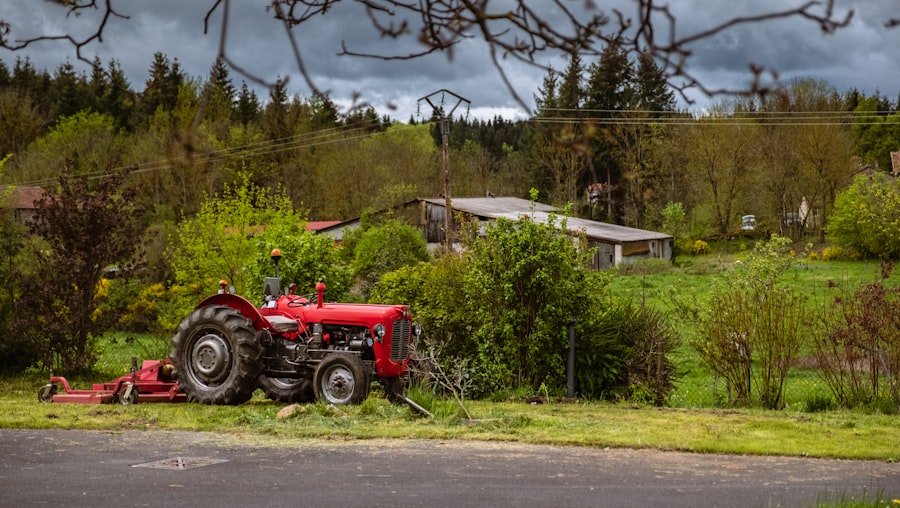
In today’s digital age, technology plays a crucial role in enhancing the efficiency of property monitoring and maintenance in rural settings. Advanced tools such as drones, remote sensing, and precision agriculture technologies enable property managers to gather real-time data on land conditions, crop health, and resource usage. This information allows for informed decision-making and timely interventions that can prevent potential issues before they escalate.
Moreover, technology can streamline maintenance processes by automating routine tasks and improving communication among stakeholders. For example, property management software can facilitate scheduling, tracking maintenance requests, and managing budgets more effectively. By leveraging technology in property management, rural property managers can optimize operations, reduce costs, and ultimately enhance the overall performance of their properties.
Developing Effective Water Management Strategies
| Metrics | Data |
|---|---|
| Water Consumption | 10 million gallons per month |
| Water Usage Efficiency | 80% reduction in water usage over the past year |
| Water Quality | 95% compliance with water quality standards |
| Water Recycling | 50% of water used is recycled water |
Water management is a critical aspect of rural property management, particularly in areas where water resources are limited or subject to seasonal fluctuations. Developing effective water management strategies involves assessing the availability and quality of water sources, implementing efficient irrigation systems, and promoting conservation practices among land users. Property managers must also consider the impact of climate change on water availability and develop contingency plans to address potential shortages.
One effective approach to water management is the implementation of rainwater harvesting systems that capture and store precipitation for later use. Additionally, adopting drip irrigation techniques can significantly reduce water waste while ensuring that crops receive adequate moisture. By prioritizing water management, property managers can enhance agricultural productivity while safeguarding this vital resource for future generations.
Maximizing Agricultural Productivity through Crop Rotation and Soil Health
Maximizing agricultural productivity requires a focus on both crop rotation and soil health. Crop rotation involves alternating the types of crops grown in a particular area over time to improve soil fertility and reduce pest pressures. This practice not only enhances yields but also promotes biodiversity by creating a more balanced ecosystem within the agricultural landscape.
Soil health is equally important for sustaining agricultural productivity.
Property managers can implement practices such as cover cropping, reduced tillage, and organic amendments to improve soil structure and fertility.
By prioritizing crop rotation and soil health, rural property managers can create sustainable farming systems that yield high-quality produce while minimizing environmental impacts.
Creating Wildlife Conservation and Habitat Restoration Plans
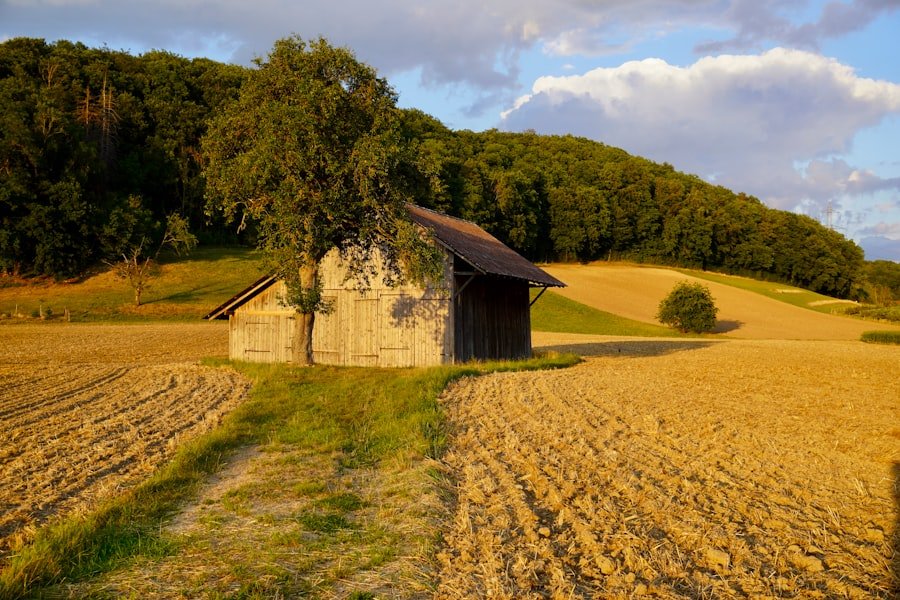
Wildlife conservation and habitat restoration are essential components of responsible rural property management. Many rural properties serve as critical habitats for various species, making it imperative for property managers to develop plans that protect these ecosystems while balancing agricultural activities. Creating wildlife conservation plans involves identifying key habitats on the property and implementing measures to preserve them from degradation.
Habitat restoration efforts may include replanting native vegetation, creating buffer zones around water bodies, and establishing wildlife corridors that facilitate animal movement across the landscape. By integrating conservation efforts into property management practices, managers can enhance biodiversity while also improving the aesthetic appeal of their properties. Furthermore, promoting wildlife conservation can attract eco-tourism opportunities that provide additional revenue streams for rural landowners.
Establishing Efficient Livestock and Animal Husbandry Practices
Efficient livestock management is a cornerstone of successful rural property management. Establishing best practices in animal husbandry not only ensures the health and welfare of livestock but also maximizes productivity and profitability for farmers. This includes providing adequate nutrition, implementing biosecurity measures to prevent disease outbreaks, and ensuring proper housing conditions for animals.
Additionally, rotational grazing practices can enhance pasture health while reducing overgrazing pressures on specific areas of land. By allowing pastures to rest and recover between grazing periods, property managers can improve forage quality and increase overall livestock productivity. Investing in efficient livestock management practices ultimately leads to healthier animals, higher yields, and improved economic returns for rural property owners.
Implementing Energy-Efficient Infrastructure and Renewable Energy Sources
Energy efficiency is a critical consideration in rural property management, particularly as energy costs continue to rise. Implementing energy-efficient infrastructure not only reduces operational expenses but also minimizes the environmental footprint of agricultural activities. Property managers can invest in energy-efficient buildings, insulation materials, and lighting systems that lower energy consumption while maintaining comfort for workers.
Moreover, incorporating renewable energy sources such as solar panels or wind turbines can provide sustainable energy solutions for rural properties. These technologies not only reduce reliance on fossil fuels but also offer potential cost savings over time. By prioritizing energy efficiency and renewable energy integration, rural property managers can create sustainable operations that contribute to both economic viability and environmental stewardship.
Building Strong Community Relationships and Engagement
Building strong community relationships is essential for successful rural property management. Engaging with local communities fosters trust and collaboration among stakeholders while promoting shared goals for sustainable land use practices. Property managers should actively participate in community events, support local initiatives, and establish open lines of communication with residents to understand their needs and concerns.
Furthermore, involving community members in decision-making processes related to land use can lead to more effective outcomes that benefit both property owners and local residents. By fostering positive relationships with the community, property managers can create a supportive network that enhances the overall success of their operations while contributing to the social fabric of rural areas.
Adhering to Legal and Regulatory Requirements for Rural Property Management
Adhering to legal and regulatory requirements is a fundamental aspect of responsible rural property management. Property managers must stay informed about local zoning laws, environmental regulations, and agricultural policies that govern land use practices in their area. Compliance with these regulations not only protects property owners from potential legal issues but also ensures that agricultural activities are conducted sustainably.
Additionally, understanding legal requirements related to water rights, land tenure, and wildlife protection is crucial for effective property management. By prioritizing compliance with legal standards, property managers can mitigate risks while promoting responsible stewardship of natural resources.
Investing in Long-Term Property Improvement and Maintenance Plans
Investing in long-term property improvement and maintenance plans is essential for maximizing the value of rural properties over time. Property managers should develop comprehensive strategies that outline necessary upgrades to infrastructure, equipment maintenance schedules, and ongoing investments in sustainable practices. By taking a proactive approach to property improvement, managers can enhance productivity while preserving the integrity of the land.
Furthermore, long-term planning allows property owners to anticipate future challenges and opportunities within the agricultural sector. By staying ahead of trends in technology, market demands, and environmental considerations, rural property managers can position their properties for success in an ever-evolving landscape. Ultimately, investing in long-term improvement plans ensures that rural properties remain viable assets for generations to come.
For those interested in Perth rural property management, it’s essential to stay informed about the various real estate opportunities and trends in the region. A related article that might be of interest is about a property located in North Perth, which provides insights into the local market dynamics and property management strategies. You can read more about it by visiting this link. This article offers valuable information for anyone looking to manage or invest in rural properties around Perth, highlighting key considerations and expert advice.
These guides are popular with our readers right now: Top Reputable Property Management Companies, armadale full-service property management and Efficient Property Management in Western Australia.