
Understanding Efficient Rental Property Management in Nedlands
The Nedlands rental market is a dynamic and evolving landscape that requires a keen understanding of local trends, demographics, and economic factors. Nestled along the banks of the Swan River, Nedlands is a highly sought-after suburb in Perth, known for its picturesque views, proximity to the city, and vibrant community atmosphere. The demand for rental properties in this area has remained robust, driven by a mix of professionals, families, and students seeking quality housing options.
To navigate this competitive market successfully, property owners must stay informed about current rental rates, tenant preferences, and the overall economic climate. In recent years, Nedlands has experienced a steady increase in rental prices, reflecting its desirability and the limited supply of available properties. Understanding the nuances of this market is crucial for landlords aiming to maximize their investment returns.
Factors such as proximity to schools, public transport, and recreational facilities play a significant role in attracting potential tenants. By keeping a pulse on these trends, property owners can make informed decisions that align with market demands, ensuring their properties remain competitive and appealing to prospective renters.
Key Takeaways
- The Nedlands rental market is competitive and understanding the local demand and supply dynamics is crucial for setting competitive rental rates.
- Setting competitive rental rates involves researching similar properties in the area, considering amenities and location, and staying updated on market trends.
- Finding reliable tenants requires thorough screening, including background and credit checks, and verifying employment and rental history.
- Creating effective rental agreements involves clearly outlining terms and conditions, including rent payment, maintenance responsibilities, and lease duration.
- Maintaining the property is essential for retaining tenants and preserving its value, including regular maintenance, repairs, and addressing tenant concerns promptly.
Setting Competitive Rental Rates
Setting competitive rental rates is a critical aspect of successful property management in Nedlands. Landlords must strike a balance between maximizing their rental income and ensuring their properties remain attractive to potential tenants. Conducting thorough market research is essential to determine the optimal rental price.
This involves analyzing comparable properties in the area, considering their features, location, and amenities. By understanding what similar properties are renting for, landlords can position their own rentals competitively within the market. Moreover, it’s important to consider seasonal fluctuations and economic conditions that may impact rental demand.
For instance, during peak moving seasons or when local universities are in session, demand may surge, allowing landlords to command higher rents. Conversely, during slower periods, landlords may need to adjust their rates to attract tenants. By staying attuned to these market dynamics and being flexible with pricing strategies, property owners can ensure their rentals remain occupied while maximizing their returns.
Finding Reliable Tenants
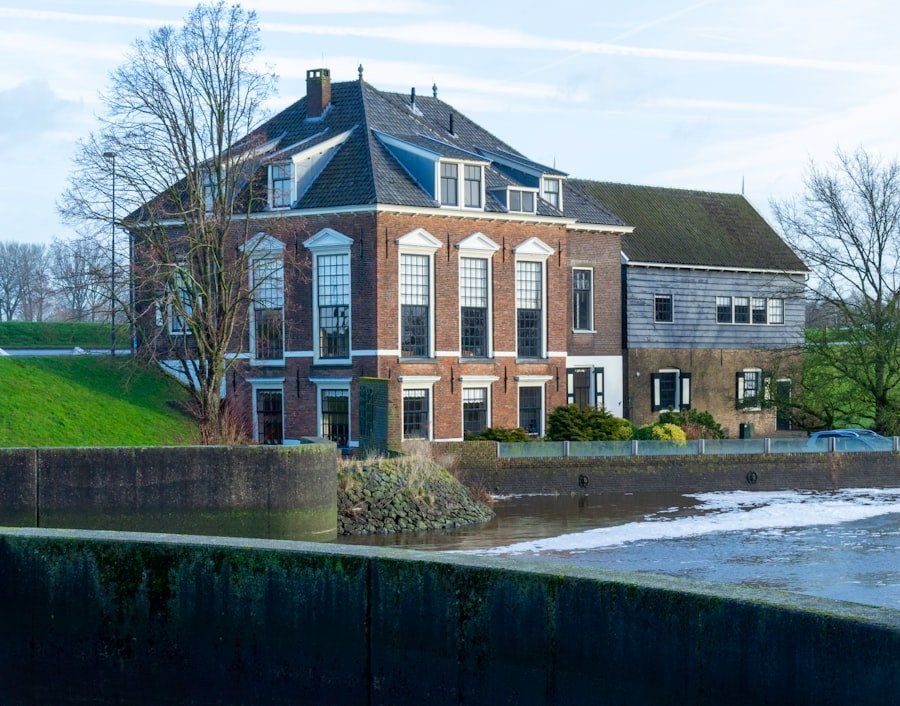
Finding reliable tenants is paramount for property owners looking to maintain a steady income stream and protect their investment. The process begins with effective marketing strategies that highlight the unique features of the property and its location. Utilizing online platforms, social media, and traditional advertising methods can help reach a broader audience and attract quality applicants.
However, marketing alone is not enough; landlords must also implement a rigorous screening process to identify trustworthy tenants. A comprehensive tenant screening process includes background checks, credit assessments, and reference verification. This diligence helps landlords gauge an applicant’s financial stability and rental history, reducing the risk of late payments or property damage.
Additionally, conducting interviews can provide valuable insights into a tenant’s character and reliability. By investing time and effort into finding the right tenants, property owners can foster positive landlord-tenant relationships that contribute to long-term success.
Creating Effective Rental Agreements
| Key Metrics | Results |
|---|---|
| Tenants’ Satisfaction | 85% |
| Number of Lease Violations | 10 |
| Renewal Rate | 90% |
| Number of Disputes | 5 |
Creating effective rental agreements is a fundamental step in establishing clear expectations between landlords and tenants. A well-drafted lease agreement outlines the terms of the tenancy, including rent amount, payment due dates, maintenance responsibilities, and rules regarding property use. It serves as a legal document that protects both parties’ rights and interests while minimizing potential disputes.
Incorporating specific clauses that address common issues—such as pet policies, smoking regulations, and maintenance obligations—can help prevent misunderstandings down the line. Additionally, ensuring that the rental agreement complies with local laws and regulations is crucial for safeguarding both landlords and tenants. By taking the time to create a comprehensive and transparent rental agreement, property owners can set the stage for a harmonious tenancy built on mutual respect and understanding.
Maintaining the Property
Property maintenance is an ongoing responsibility that directly impacts tenant satisfaction and property value. Regular upkeep not only ensures that the property remains in good condition but also helps prevent costly repairs down the line. Landlords should establish a proactive maintenance plan that includes routine inspections, timely repairs, and seasonal maintenance tasks.
Engaging reliable contractors for repairs and maintenance work is essential for maintaining high standards. Property owners should prioritize quality workmanship to ensure that any issues are addressed promptly and effectively. Additionally, maintaining open lines of communication with tenants regarding maintenance requests fosters a positive relationship and encourages tenants to report issues before they escalate.
By prioritizing property maintenance, landlords can enhance tenant satisfaction while protecting their investment over time.
Handling Tenant Concerns and Complaints

Handling tenant concerns and complaints effectively is crucial for maintaining a positive landlord-tenant relationship. When issues arise—whether related to maintenance requests or disputes over lease terms—prompt communication is key. Landlords should establish clear channels for tenants to voice their concerns and ensure that they feel heard and valued.
Addressing complaints in a timely manner demonstrates professionalism and commitment to tenant satisfaction. It’s important for landlords to approach each situation with empathy and a willingness to find solutions that work for both parties. By fostering an environment of open communication and responsiveness, property owners can build trust with their tenants, leading to longer tenancies and reduced turnover rates.
Collecting Rent and Managing Finances
Efficient rent collection is vital for maintaining cash flow and ensuring the financial health of rental properties. Landlords should establish clear payment methods and due dates while providing tenants with multiple options for submitting rent—such as online payments or direct bank transfers—to enhance convenience. Consistent reminders about upcoming rent due dates can also help minimize late payments.
In addition to collecting rent, effective financial management involves keeping accurate records of all transactions related to the property. This includes tracking expenses for maintenance, repairs, and other operational costs. By maintaining organized financial records, landlords can gain valuable insights into their property’s performance while simplifying tax preparation at year-end.
A proactive approach to financial management not only ensures timely rent collection but also contributes to long-term profitability.
Dealing with Property Inspections
Regular property inspections are an essential component of effective property management in Nedlands. These inspections allow landlords to assess the condition of their properties while ensuring compliance with lease agreements. Conducting routine inspections helps identify potential maintenance issues before they escalate into costly repairs.
Landlords should communicate inspection schedules with tenants in advance to ensure transparency and respect for their privacy. During inspections, it’s important to document any findings thoroughly—taking photographs or notes can provide valuable evidence if disputes arise later on. By prioritizing regular inspections, property owners can maintain their properties’ value while fostering positive relationships with tenants through open communication.
Ensuring Legal Compliance
Navigating the legal landscape of property management is crucial for protecting both landlords and tenants. Compliance with local laws—such as the Residential Tenancy Act 1987—is essential for avoiding legal disputes and ensuring fair treatment for all parties involved. Landlords must stay informed about changes in legislation that may impact their rights and responsibilities.
Understanding legal requirements related to lease agreements, tenant rights, eviction processes, and safety regulations is vital for successful property management. Engaging legal professionals or property management experts can provide valuable guidance in navigating these complexities while ensuring compliance with all relevant laws. By prioritizing legal compliance, landlords can safeguard their investments while fostering trust with their tenants.
Handling Property Vacancies
Dealing with property vacancies is an inevitable aspect of property management that requires strategic planning and proactive measures. When a rental unit becomes vacant, landlords must act quickly to minimize downtime and lost income. This begins with effective marketing strategies that highlight the property’s unique features while targeting potential tenants through various channels.
Additionally, conducting thorough tenant screenings during the application process is crucial for finding reliable occupants who will contribute positively to the property’s overall atmosphere. Offering incentives—such as reduced rent for the first month or flexible lease terms—can also attract prospective tenants during slower rental periods. By implementing proactive vacancy management strategies, landlords can reduce turnover rates while maximizing their rental income.
Utilizing Technology for Efficient Management
In today’s digital age, leveraging technology is essential for efficient property management in Nedlands. Various software solutions are available that streamline processes such as tenant screening, rent collection, maintenance requests, and financial tracking. By utilizing these tools, landlords can save time while enhancing communication with tenants.
Online portals allow tenants to submit maintenance requests easily or access important documents related to their lease agreements—creating a more seamless experience for both parties involved. Additionally, data analytics tools can provide valuable insights into market trends and tenant preferences, enabling landlords to make informed decisions regarding pricing strategies or property improvements. Embracing technology not only enhances operational efficiency but also positions landlords for long-term success in an increasingly competitive rental market.
In conclusion, navigating the complexities of property management in Nedlands requires a multifaceted approach that encompasses understanding the local market dynamics, setting competitive rental rates, finding reliable tenants, creating effective agreements, maintaining properties diligently, handling tenant concerns professionally, managing finances efficiently, conducting regular inspections meticulously, ensuring legal compliance rigorously, addressing vacancies strategically, and utilizing technology effectively. By adopting these best practices, property owners can maximize their investments while fostering positive relationships with tenants—ultimately leading to long-term success in the ever-evolving rental landscape of Nedlands.
If you’re interested in rental property management in Nedlands, you might find it beneficial to explore how property value is determined, as this can significantly impact rental pricing and investment decisions. A related article that delves into this topic is available on Smart Realty’s website. You can read more about it by visiting How to Determine Property Value. This article provides insights into the factors that influence property valuation, which is crucial for effective property management and maximizing rental income.
Curious about rentals and tenancy? Start with Streamline Your Property Rentals with a Professional Management Compan and Top Rental Management Company: Your Best Choice for Property Managemen.